DeLonghi Dedica Duo Review: The Coffee Looks Perfect. Some Mornings, It Isn’t.
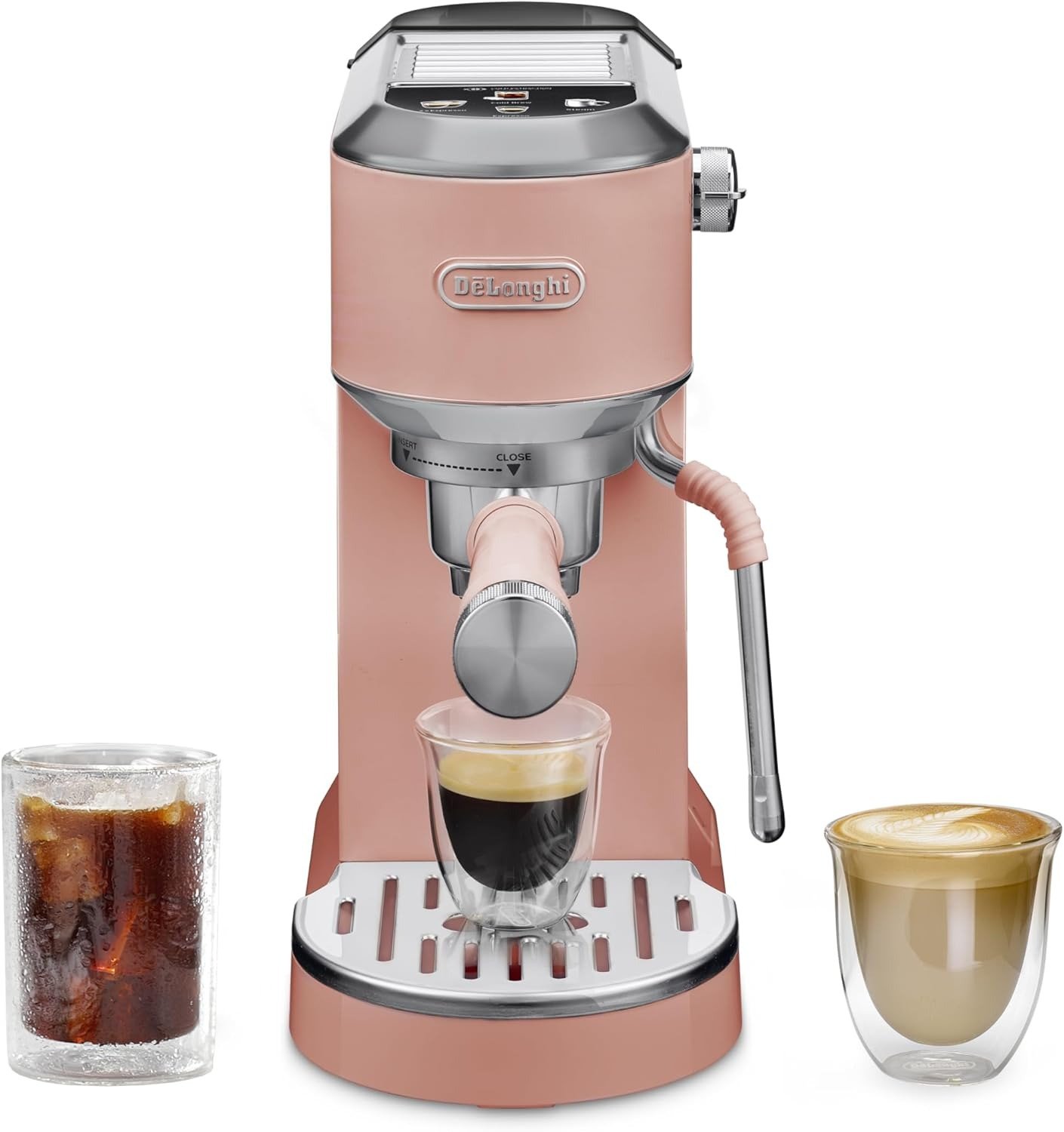
DELONGHI DEDICA DUO
It’s 6:40 in the morning, the kitchen’s still dark except for the blue glow of the touch panel, and the espresso in your cup looks exactly like the photo on the box — thick crema, dark red-brown color, the whole picture.
Three mornings later, that same cup comes out thin and pale, and you’re standing there in your socks wondering what changed. Nothing changed. You just met the part of this machine nobody put in the listing photos.
DeLonghi Dedica Duo Espresso: The Shot Looks Right, the Habit Behind It Doesn’t
The first shot out of the Dedica Duo is genuinely good. Testers and everyday buyers keep landing on the same word — consistent — and for a machine this size, that’s not nothing. The 15-bar pump pulls a real crema, the dual thermoblock heats in well under a minute, and switching from brewing to steaming doesn’t mean standing around waiting for the boiler to catch up.
But a review that stops at the first cup is really just an unboxing video with extra steps. The honest question isn’t whether the Dedica Duo can make good espresso — it can. It’s whether it keeps making good espresso once the excitement wears off and it becomes just another appliance you use half-asleep, five days a week.
| Spec | What You’re Getting |
|---|---|
| Model | DeLonghi Dedica Duo (EC890.M) |
| Width | Just under 6 inches |
| Height | Around 12 inches |
| Water tank | 1.1 liters / 37 oz, removable from the top-rear |
| Portafilter | 51mm pressurized, single and double baskets included |
| Pump | 15-bar |
| Heating | Dual thermoblock — separate coffee and steam circuits |
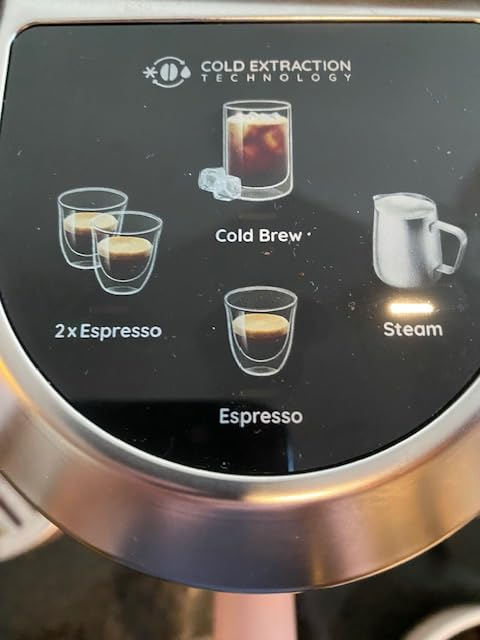
| Controls | Touch panel, icon-based drink selection |
| Modes | Single espresso, double espresso, steam, cold extraction |
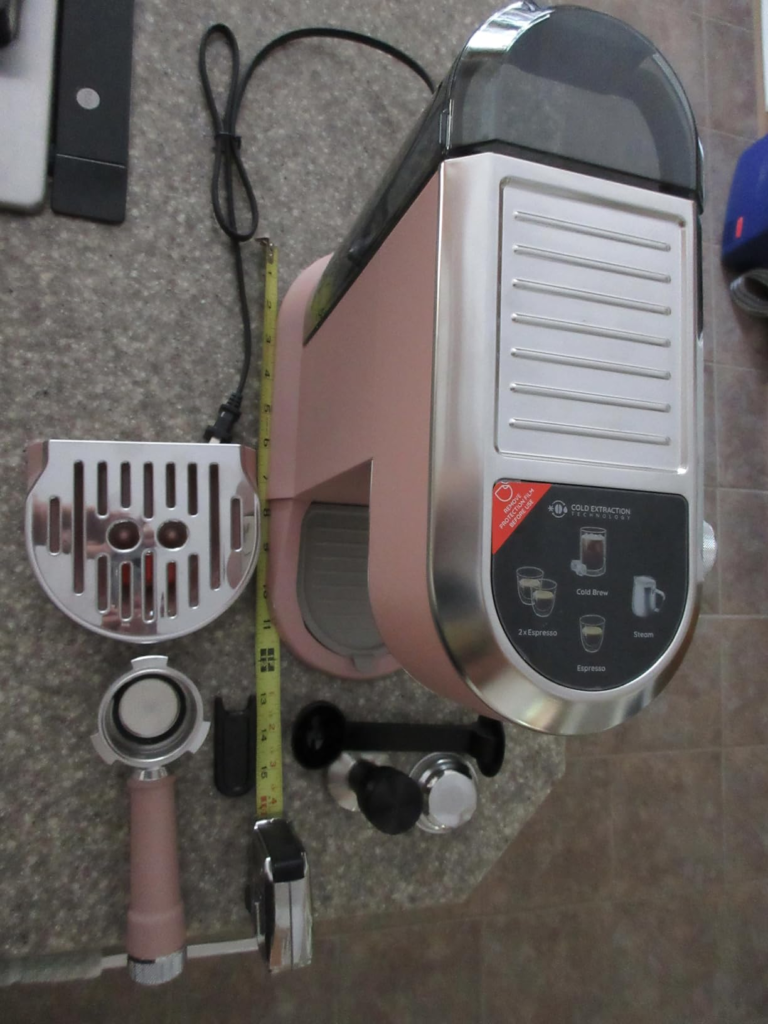
| Included | Tamper, portafilter, milk jug, dosing scoop |
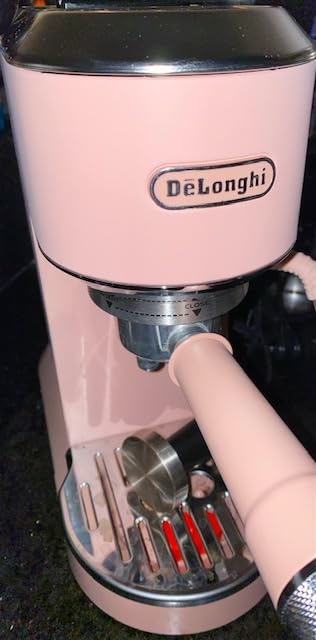
| Colors | Stainless steel, rose, pistachio, vanilla |
| Grinder | None built in — needs pre-ground coffee or a separate grinder |
Dedica Duo Water Tank and Steam Wand: What You’re Actually Feeling, Not Naming
Here’s the annoyance that’s hard to name for the first week: you keep ending up at the sink. The tank holds 1.1 liters, which sounds like plenty until you’re making two cappuccinos and a solo afternoon espresso and suddenly you’re refilling before dinner.
Why does a $250–300 machine still send you back to the tap this often? Because 1.1 liters is the trade every machine this compact makes. You just don’t feel that trade until week two.
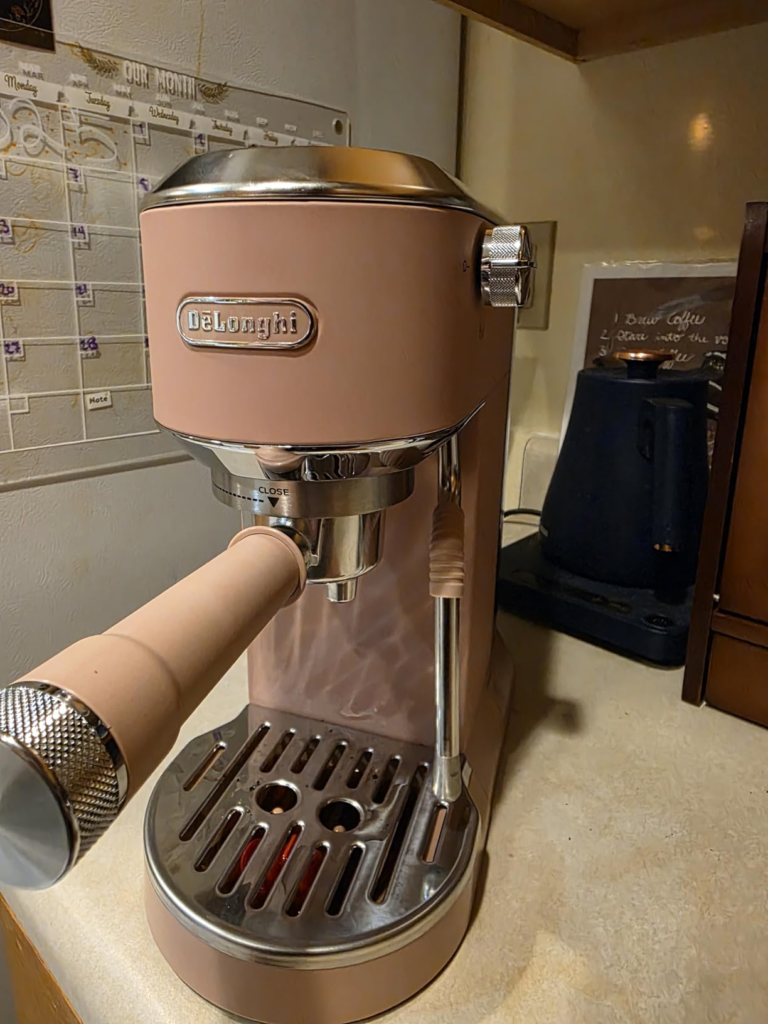
The steam wand tells a similar story. It’s a real step up from the plastic panarello wands on cheaper Dedica models — metal casing, easy to pull off for cleaning, a proper dial instead of a flimsy lever. Owners who’ve lived with it past the first few days describe something close to a café-chain level of microfoam, not specialty-bar level. Some mornings the foam comes together in twenty seconds. Other mornings, for no reason you can point to, it takes three tries. That inconsistency shows up often enough, across professional testers and regular buyers alike, that it isn’t bad luck. It’s the machine.
Dual Thermoblock and the 51mm Portafilter: The Hidden Mechanism Behind the Miss
So why does the same machine make a great shot on Monday and a mediocre one on Thursday? The answer is mechanical, not personal — you didn’t suddenly forget how to make coffee.
Two things are doing the work here. The dual thermoblock system is a genuine strength: it keeps separate heating circuits for water and steam, which is why you’re not stuck waiting between pulling a shot and frothing milk. That part earns its price tag.
The 51mm portafilter is the other half of the story, and it’s the part nobody puts in bold on the product page. Commercial machines use 58mm baskets because more surface area gives small mistakes room to average out. At 51mm, that margin shrinks — a grind that’s a hair too fine chokes the shot, a hair too coarse runs it thin. There’s also no three-way solenoid valve, so a little water keeps dripping from the group head after the pump shuts off. Normal, by design, but it catches new owners off guard the first time they see it.
How Many Cups a Day: The Threshold Where the Dedica Duo Quietly Breaks
There’s a real, measurable point where this machine stops feeling effortless and starts feeling like a chore — and it has almost nothing to do with the machine’s quality and everything to do with your household’s coffee math.
| Daily Drinks | What Actually Happens |
|---|---|
| 1–2 drinks, one person | Tank lasts two to three days. Basically no friction. |
| 3–4 drinks, one or two people | Refill roughly daily. Becomes routine fast. |
| 5+ drinks, or 3+ people | Mid-morning refills, reheating between rounds, drip tray emptied more than once a day |
| Hosting guests, back-to-back drinks | Waiting between shots can slow a group down |
If you fall in the first two rows, the Dedica Duo mostly disappears into your routine the way a good appliance should. If you’re in the bottom two, the size that made it so appealing on the counter is working against you every single day.
Cold Extraction Technology: Why Most Buyers Misread This Too Early
The words “cold brew” on the box are doing a lot of heavy lifting, and it’s worth slowing down on before you buy this machine specifically for that feature.
Real cold brew is coffee steeped in cold water for something like twelve hours — slow, patient, naturally sweeter and less acidic. The Dedica Duo’s Cold Extraction mode isn’t that. It makes a cold-style drink in about five minutes by cutting the heat, dropping the pressure, and stretching out the extraction time. Clever engineering, genuinely fast — but a different drink from what a twelve-hour steep tastes like.
Buyers expecting an exact substitute tend to come away disappointed. Buyers expecting “a fast, iced, espresso-based drink that isn’t quite the same as an iced Americano” tend to really like it. Same machine, same button — the only thing that changes is what you were expecting when you pressed it.
Who Should Buy the Dedica Duo: Who Is Actually Inside This Problem
The clearest fit isn’t a coffee obsessive chasing competition-level shots. It’s someone standing in the gap between a pod machine and a full home-barista setup — tired of pods piling up in the recycling, not ready to spend real money on a grinder-and-machine combo, and short on counter space to justify one anyway. If that’s you, most of what this review flagged as friction turns into a minor, forgettable habit within a couple of weeks.
When to Skip the Dedica Duo: Where Wrong-Fit Begins
| Good Fit | Better Off Elsewhere |
|---|---|
| Solo or two-person household | Three or more regular coffee drinkers at home |
| Upgrading from pods or instant coffee | Chasing the exact flavor of true steeped cold brew |
| Want hot and iced drinks from one machine | Already leaning toward a 58mm enthusiast setup |
| Small kitchen, apartment, or dorm counter | Expecting zero learning curve on grind and dose |
| Willing to practice the steam wand for a week or two | Want pre-infusion timing or PID-level control |
Three kinds of buyers tend to regret this purchase, and it’s rarely because the machine broke. The household with three or more regular drinkers turns the tank and drip tray into a part-time chore. Anyone buying this specifically to replace steeped cold brew ends up comparing it to a drink it was never trying to make. And the person who’s already a little obsessed with coffee — who reads about pre-infusion timing or wants to swap in a bottomless portafilter — will hit the forgiving nature of the 51mm basket as a ceiling, not a feature. None of that makes the machine flawed. It means it was built for a specific mile marker on the coffee journey, and it’s honest about which one that is.
DeLonghi Dedica Duo Espresso Machine: The One Situation Where It Becomes Logical
If you saw yourself in the left column above and not the right one, here’s the actual case for buying it: you want a real espresso shot most mornings, you don’t want a grinder-and-machine project taking over your counter, and you’d genuinely use a fast iced coffee option on a hot afternoon without buying a second gadget for it. That’s not a marketing angle — it’s just what the Dedica Duo is good at, according to nearly everyone who’s lived with one past the first week.
At that point, the decision stops being about specs and starts being about whether that’s actually your morning. If it is, here’s the listing:
What the Dedica Duo Actually Changes: Solves, Reduces, and Still Leaves to You
| It Solves | It Reduces | It Still Leaves to You |
|---|---|---|
| Pod waste and instant-coffee mornings | The cost gap between café visits and home espresso | Learning your grind and dose by feel |
| Needing two machines for hot and iced drinks | Counter space versus a full-size setup | Refilling the tank on busy days |
| Guesswork on drink type, via the touch panel | Wait time between shot and steamed milk | Practicing the steam wand until foam is consistent |
Nobody hands you a perfect cup on day one, and anyone who tells you otherwise is selling something. What the Dedica Duo gives you is a shorter runway than most machines this size — a week, maybe two, of minor trial and error before it becomes the easiest part of your morning instead of the most uncertain one.
DeLonghi Dedica Duo Review: Frequently Asked Questions
| Question | Answer |
|---|---|
| Does the DeLonghi Dedica Duo have a built-in grinder? | No. It uses pre-ground coffee or ESE pods out of the box. Most owners who take espresso seriously pair it with a separate burr grinder within the first month. |
| Is the Cold Extraction mode the same as real cold brew? | Not quite. Traditional cold brew steeps for around twelve hours; this mode cuts heat and pressure to produce a cold-style drink in about five minutes. It’s a different, faster drink — good on its own terms, not a substitute. |
| How loud is it? | Noticeable, especially during steaming. Not disruptive, but don’t expect a silent machine — several testers and owners flag the noise as a minor, honest downside. |
| What’s the real difference between the Dedica Duo and the Dedica Arte? | The Duo adds a touch-panel interface, dual thermoblock heating, and Cold Extraction, plus a wider drip tray. The Arte leans more on an all-metal build; the Duo uses more plastic in its housing to hit its price point. |
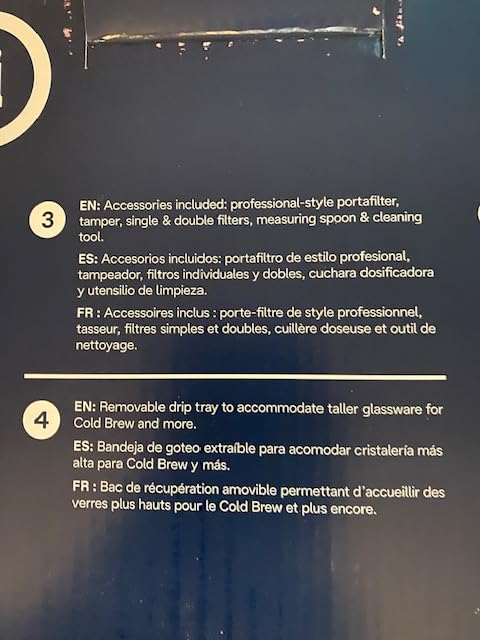
| How many cups fit under it? | The drip tray is wider than earlier Dedica models and adjusts for taller glasses, so two espresso cups or one tall latte glass both fit without much fuss. |
| How much does it cost? | It launched at $299.95 and has moved around since, sometimes closer to $200 depending on colorway and retailer. Check the current listing before you decide — it shifts with sales. |
DeLonghi Dedica Duo Review: The Final Call
Strip away the touch panel and the four pastel colors, and the real question is simple: does a 51mm home machine with a slightly inconsistent steam wand still beat a pod machine or instant coffee? For nearly everyone who’s used one past the first week, the answer is yes — not because it’s flawless, but because what it gets right outweighs what it asks of you.
If your mornings look like the ones described above — one or two people, real coffee wanted more days than not, no interest in becoming a full-blown hobbyist — this is where the decision stops being complicated. The machine already told you what it is. The rest is just deciding if that’s what you actually need.
Transparency Note:
This analysis is built on aggregated real-world experience.
It extracts what repeatedly holds, what breaks, and what users uncover only after living with the system—then shapes it into a clear model you can use immediately.
Think of it as structured experience, refined and presented so you don’t have to learn it the hard way.
“A quick note: Don’t believe the star ratings, but trust personal experience. This article is a compilation of collected experiences.”