Breville Barista Express Review: Why Your Shot Looks Right but Tastes Off
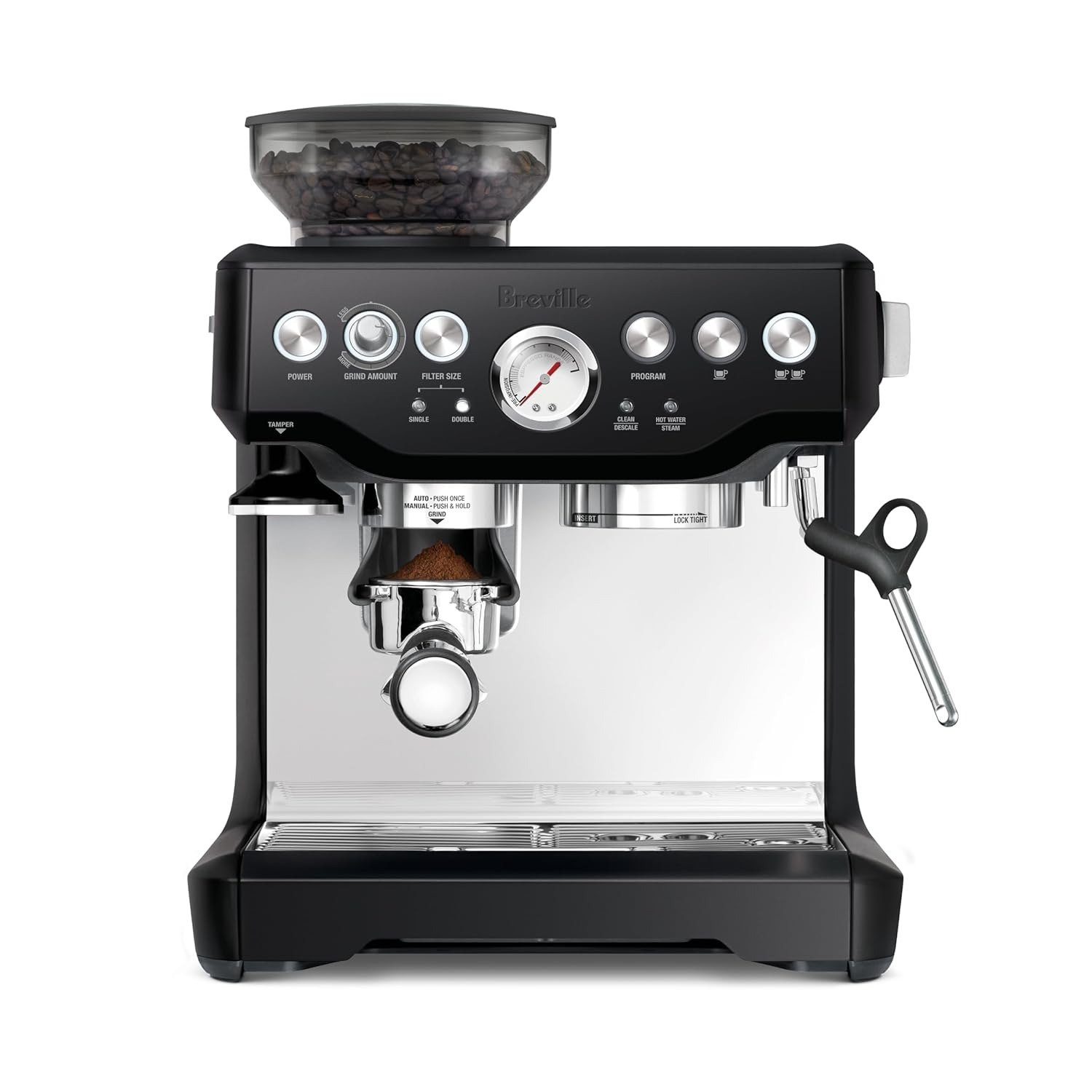
BREVILLE BARISTA EXPRESS
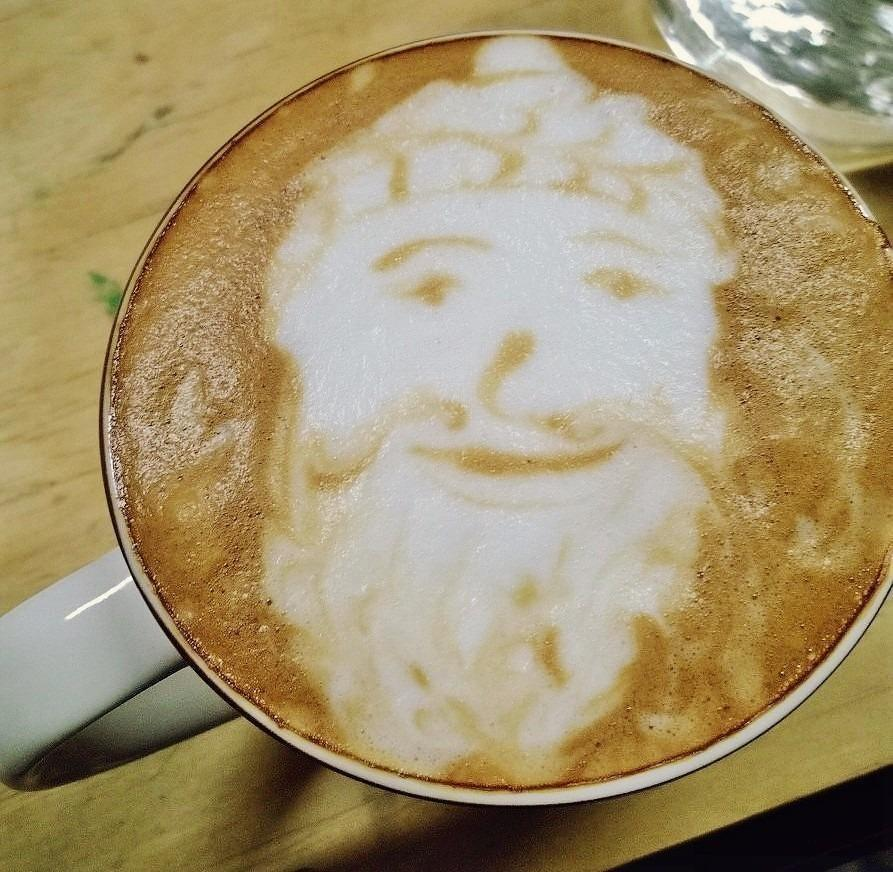
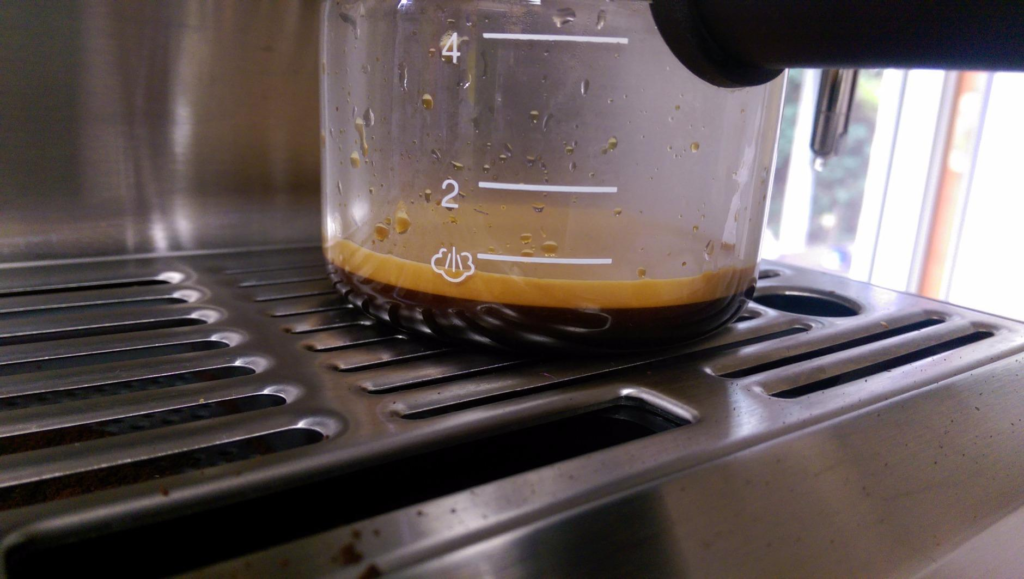
It’s 6:40 in the morning. You’ve hit snooze twice already. The beans are fresh, the portafilter is locked in, and the shot pours out looking exactly like the one from the café down the street — dark, syrupy, that thin blonde crema sitting on top. You take a sip. And it’s off. Sour up front, thin in the middle, a little bitter on the way down. Not undrinkable. Just not what the box promised.
If that’s the exact gap you’re standing in right now — between what this machine can do and what’s actually landing in your cup — this review is for you. I went through the long, occasionally furious paper trail this machine has left behind over more than a decade on the market: owner threads, repair logs, retailer reviews, side-by-side comparisons. What follows is the part that doesn’t fit on the box.
The Result Looks Fine. The Problem Isn’t.
Here’s the trap with espresso specifically: it’s one of the only drinks that can look completely correct and still taste wrong. Drip coffee forgives you. Pour a bad batch and it just tastes weak or bitter — no mystery. Espresso lies to your eyes first. Crema forms almost regardless of whether the shot underneath is balanced, sour, or burnt, because crema is mostly a function of pressure and fresh beans, not proof of a good extraction.
So the visual checklist you’ve been using — dark color, decent crema, syrupy pour — isn’t actually telling you what you think it’s telling you. That’s not a flaw in your palate. It’s a blind spot built into the drink itself, and it’s the first thing worth naming before anything else about this machine makes sense.
What You’re Actually Feeling but Not Naming
You’re not imagining the inconsistency. One morning the shot is genuinely great. Two days later, same beans, same steps, and it’s sour and thin. That randomness is the actual source of the frustration — not “this machine makes bad coffee,” but “I can’t tell why the good days happen.”
There’s a name for what’s happening, and it’s simpler than it sounds: extraction drift. Beans change as they age, even sealed in the bag. Grind particles clump differently depending on humidity in your kitchen. A tamp that was level on Monday can be slightly off-center on Friday if you’re rushing. None of that shows up as an error message. It just shows up as a shot that tastes different for reasons you can’t see.
The Hidden Mechanism Behind the Miss
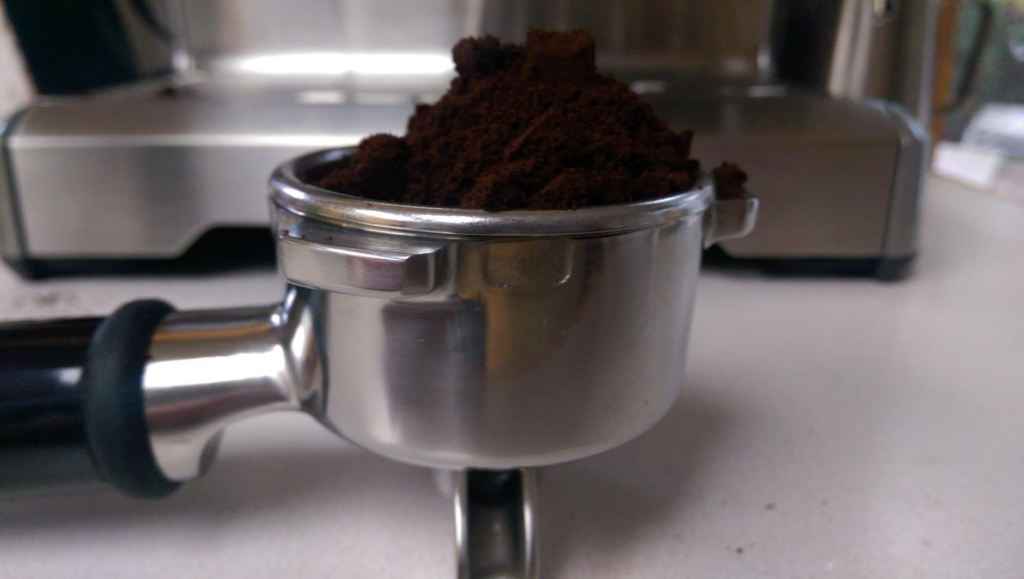
Here’s the piece that “built-in grinder” marketing tends to gloss over: this machine automates exactly one step — grinding and dosing coffee into the portafilter — and leaves the four variables that actually decide flavor almost entirely in your hands. Grind size. Dose weight. Tamp pressure. Extraction timing. The machine hands you the tools; it doesn’t run the process for you.
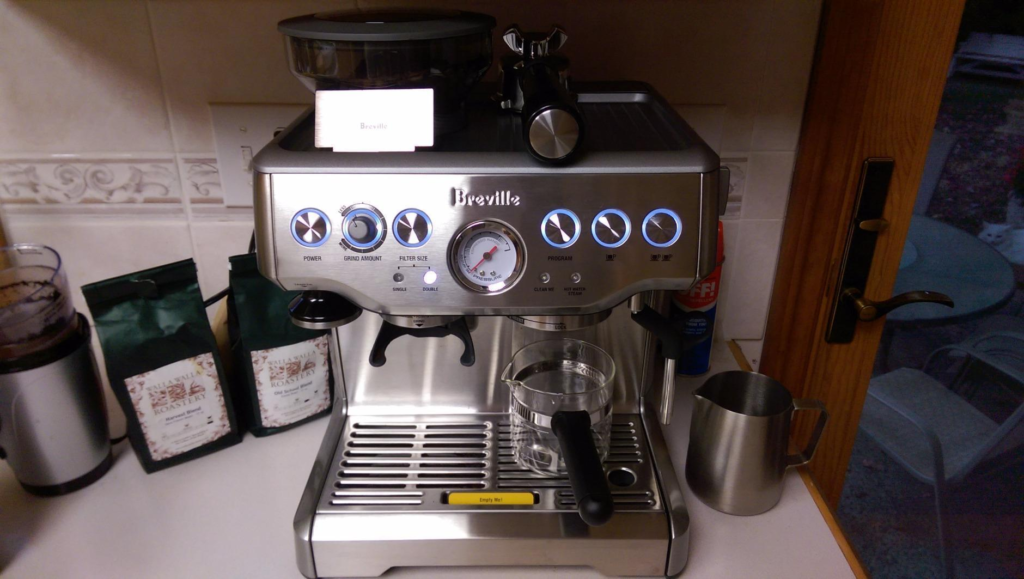
Underneath, it’s a thermocoil-heated, PID-controlled single-boiler machine that pulls water through a heated aluminum coil and typically needs something like 30 to 60 seconds to reach brewing temperature. A digital sensor holds that temperature steady once it gets there. The 54mm portafilter takes an 18-gram dose by default, and a low-pressure pre-infusion stage wets the puck before full pressure kicks in, which is meant to draw flavor out more evenly instead of blasting the grounds all at once.
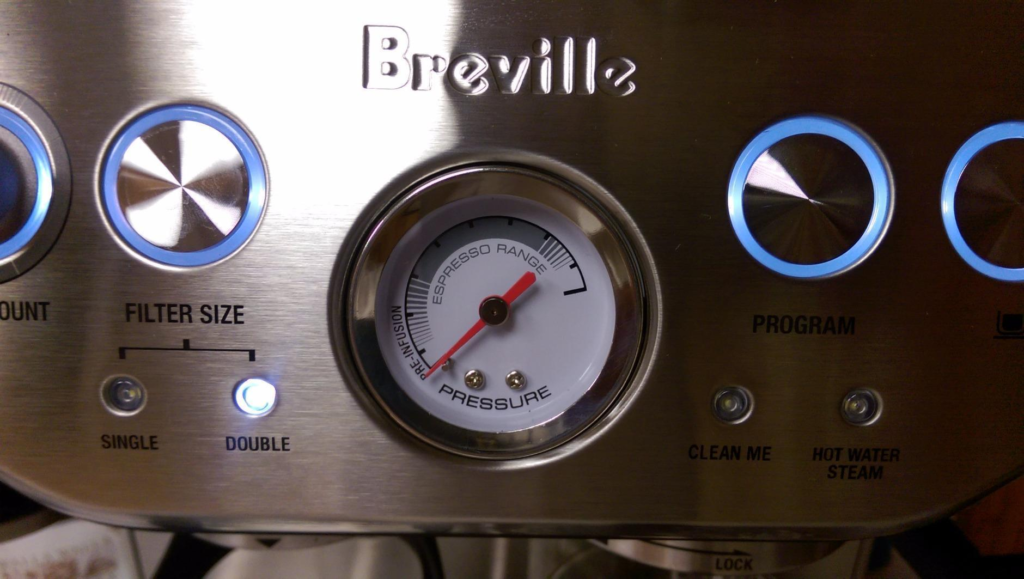
One detail worth knowing before you panic the first time you look at the gauge: the pump is rated at 15 bars, but Breville tuned an internal over-pressure valve back in 2019 so the machine actually extracts around the industry-standard 9 bars — the “15-bar” number on the box is pump capacity, not what’s happening in your cup. And a lot of experienced users notice the needle sitting toward the higher end of the range rather than dead center — that’s the valve working as designed, not a malfunction. A 25-to-30-second pour that tastes balanced matters more than where the needle points.
Here’s what’s actually in the box, stripped of the marketing language:
| Spec | What It Actually Is |
|---|---|
| Model | BES870BTR — Black Truffle finish |
| Grinder | Built-in conical burr, 16 grind settings |
| Dose | 18g, dose-control ground directly into a 54mm portafilter |
| Pump | 15-bar pump; actual extraction pressure tuned to ~9 bar |
| Heating | Thermocoil + PID, holds ~200°F / 93°C |
| Water tank | 67 fl oz (~2L), removable, filtered |
| Bean hopper | Sealed, roughly 0.5 lb capacity |
| Steam wand | Single-hole, manual, 360° swivel |
| Warranty (US) | 1 year on this model |
| In the box | Tamper, dosing funnel, Razor dose tool, milk jug, cleaning kit, filter baskets |
The Threshold Where the Outcome Quietly Breaks
Every one of these machines produces a decent shot on day one, because the default grind and dose settings are tuned to be forgiving. That’s not the test. The real threshold shows up around day three to ten — right when you switch to a new bag of beans, or serve a guest, or just start paying close enough attention to notice the shot isn’t the same as yesterday’s.
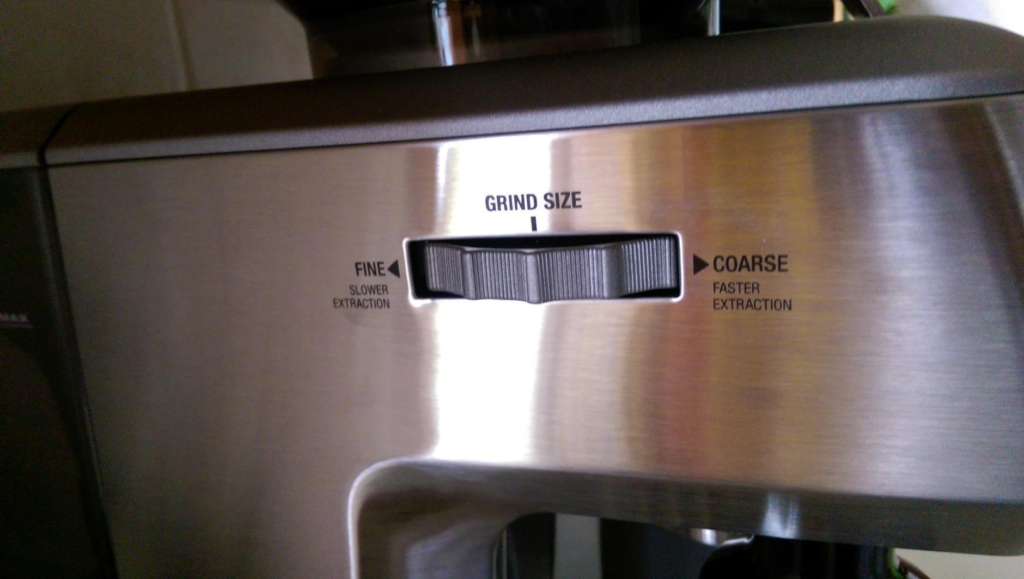
That’s the moment the machine quietly stops being “automatic” in your head and starts being what it actually is: a tool that needs re-dialing every time the beans, humidity, or roast date changes. People who don’t know this threshold exists assume the machine broke. People who do know it exists just nudge the grind two clicks and move on. Same hardware. Completely different experience of owning it.
There’s a second, more physical threshold worth naming honestly: this is a single-boiler machine, so brewing and steaming share the same heating element. One head-to-head comparison found the Barista Express held up fine for one or two drinks, but produced noticeably under-extracted shots by the third or fourth pull during back-to-back milk-drink sessions — a gap that a faster-recovering machine doesn’t have. That’s not a technique problem. That’s a real ceiling on how fast this specific machine can serve a crowd.
Why Most Buyers Misread This Too Early: Barista Express vs. Barista Pro
The most common shopping mistake isn’t picking the wrong machine — it’s comparing spec sheets instead of comparing what actually changes in the cup. “The Pro has more grind settings and heats up faster, so it’s just better” sounds reasonable and skips the part that actually matters for a first-time buyer.
| Barista Express | Barista Pro | |
|---|---|---|
| Heating | Thermocoil, ~30–60 sec to temp | ThermoJet, ready in about 3 seconds |
| Interface | Analog dial + pressure gauge | Digital LCD screen |
| Grind settings | 16 | 30 |
| Steam wand | Single-hole, more technique required | Four-hole, faster and more forgiving |
| Back-to-back drinks | Noticeable wait between rounds | Minimal wait |
| What doesn’t change | Grind, dose, and tamp still decide the shot | Same |
That bottom row is the whole point. Extra grind settings help you fine-tune once you already know what you’re tuning for. They don’t hand you the skill. If the gap in your cup right now is technique, not hardware, the Pro’s faster heat-up and extra dial won’t close it — it’ll just let you make the same mistake three seconds sooner.
Who Is Actually Inside This Problem
This machine makes sense for a specific person, and it’s worth being honest about who that is instead of pretending it’s for everyone. You’re probably that person if you’re currently paying café prices — even just three or four times a week — and have done the math on what that adds up to over a year. You’re probably that person if you’ve already tried pre-ground coffee or a pod machine and felt the flatness of it. You’re probably that person if the idea of learning a small, repeatable skill sounds satisfying rather than annoying.
You are not required to become a hobbyist barista to make this work. But you do need to be willing to treat the first two weeks as practice, not proof that the purchase was wrong.
Where Wrong-Fit Begins: Who Should Skip the Barista Express
| This Is Probably You If… | This Isn’t You If… |
|---|---|
| You’re comparing this to what you already spend at a coffee shop | You want to press one button and walk away, every time, no exceptions |
| A week or two of dialing-in sounds fine | You’ll never weigh a dose or move a grind dial |
| You mostly make one or two drinks at a time | You need four milk drinks back-to-back every single morning |
| You’d rather own one machine than a grinder plus a machine | You also want it to brew regular drip coffee |
| You’re okay re-adjusting when you switch beans | You expect identical results from every bag, untouched |
That last row on the right matters more than people expect. And on the drip coffee point — this machine extracts espresso, dispenses hot water, and steams milk, but it does not make drip coffee; you can stretch a shot into an Americano with hot water, but that’s the closest it gets. If a pot of regular coffee for the house is part of your morning, you’ll still need something else for that.
The One Situation Where This Product Becomes Logical
If you’ve read this far and recognized yourself in the “actually inside this problem” section rather than the “skip it” column, here’s where the Barista Express earns its spot instead of just being the default answer.
It’s held the position of best-selling espresso machine in North America for roughly a decade, and it keeps showing up on independent recommendation lists — Cook’s Illustrated, CNET, and Epicurious have all named it a top pick — which matters less as a badge and more as a signal that the design has been stress-tested by an enormous number of ordinary kitchens, not just a lab. Owners on forums regularly report machines still running strong at five and even ten years in, and one long-time buyer’s retailer review described roughly seven years and 5,000 drinks out of a single unit before a leak finally ended it — with Breville offering a steep discount toward a replacement when it happened.
The Black Truffle finish specifically is worth a note on its own: it’s the same internals as the standard stainless version, just in a warmer, near-black tone that reads more like a piece of furniture than an appliance — a reasonable pick if the usual brushed-steel look feels overdone on your counter.
It sits below the Pro and Impress in price while sharing the same core mechanics, and it doesn’t put a ceiling on how good your coffee can get — the machine can outperform your current skill level for years before technique becomes the limiting factor again, not the hardware.
What It Solves, What It Reduces, and What It Still Leaves to You
| It Solves | It Reduces | It Still Leaves to You |
|---|---|---|
| Needing a separate standalone grinder | Cost per cup versus café prices | Dialing in grind size for each new bag |
| Wildly inconsistent pre-ground coffee | Time from bean to cup — about 1 to 2 minutes in practice | Tamping evenly, every time |
| Guesswork on water temperature | Milk texture unpredictability, once practiced | Descaling and cleaning on schedule |
| Learning the single-hole steam wand |
None of that “still on you” column disappears with a pricier machine. It just gets slightly faster or slightly more forgiving. The actual work stays yours.
Breville Barista Express FAQ: Real Questions From Real Buyers
| Question | Answer |
|---|---|
| Does the Breville Barista Express make regular drip coffee? | No. It extracts espresso, dispenses hot water, and steams or froths milk — it isn’t built for a full pot of drip. Hot water can turn a shot into an Americano, but that’s as close as it gets. |
| The box says 15 bars of pressure — is that what’s actually happening in my cup? | No, and this trips up a lot of new owners. 15 bar is the pump’s maximum capacity; an internal valve limits actual extraction to around 9 bar, which is the correct pressure for espresso. If your gauge needle sits high instead of centered, that’s expected behavior, not a defect. |
| How long is the warranty? | One year from Breville in North America on this model, with some higher-tier machines in the lineup covered for two. Register the machine right after purchase and keep your receipt — it’s the easiest way to avoid a dispute later. |
| Is the built-in grinder good enough, or should I buy a separate one? | For the vast majority of home users, yes, it’s genuinely good enough — it’s the single most-debated part of the machine among serious coffee people specifically because it’s a compromise built for convenience, not because it performs poorly. If you’re still deciding whether espresso is a habit worth keeping, this isn’t the problem to solve on day one. |
| Can I actually do latte art with the steam wand? | Yes, with practice. It’s a single-hole wand, which takes more technique to texture well than the four-hole wands on pricier siblings — expect a real learning curve here, not instant café foam. |
| What actually comes in the box? | A dosing funnel that clips onto the portafilter to cut down on grounds mess, plus a stainless tamper and Breville’s Razor tool for trimming the puck to a consistent depth, a milk jug, cleaning tools, and both single and dual-wall filter baskets so you can start pulling shots the same day it arrives. |
Final Compression
Nothing about this machine fixes bad technique for you, and bad technique doesn’t mean the machine is broken. It hands you four variables — grind, dose, tamp, timing — and gets out of the way. If the version of you standing in the kitchen at 6:40am is willing to spend two weeks actually learning those four things instead of blaming the hardware, this is one of the few machines at this price that rewards the effort for years, not months. If that’s not where you’re at yet, a pricier machine won’t close that gap either.
If this is the situation you’re actually in, this is the listing worth a look:
Transparency Note:
This analysis is built on aggregated real-world experience. It extracts what repeatedly holds, what breaks, and what users uncover only after living with the system—then shapes it into a clear model you can use immediately.
Think of it as structured experience, refined and presented so you don’t have to learn it the hard way.
“A quick note: Don’t believe the star ratings, but trust personal experience. This article is a compilation of collected experiences”