Timemore Sculptor 078S Review: You Blamed the Beans. It Was the Dial.
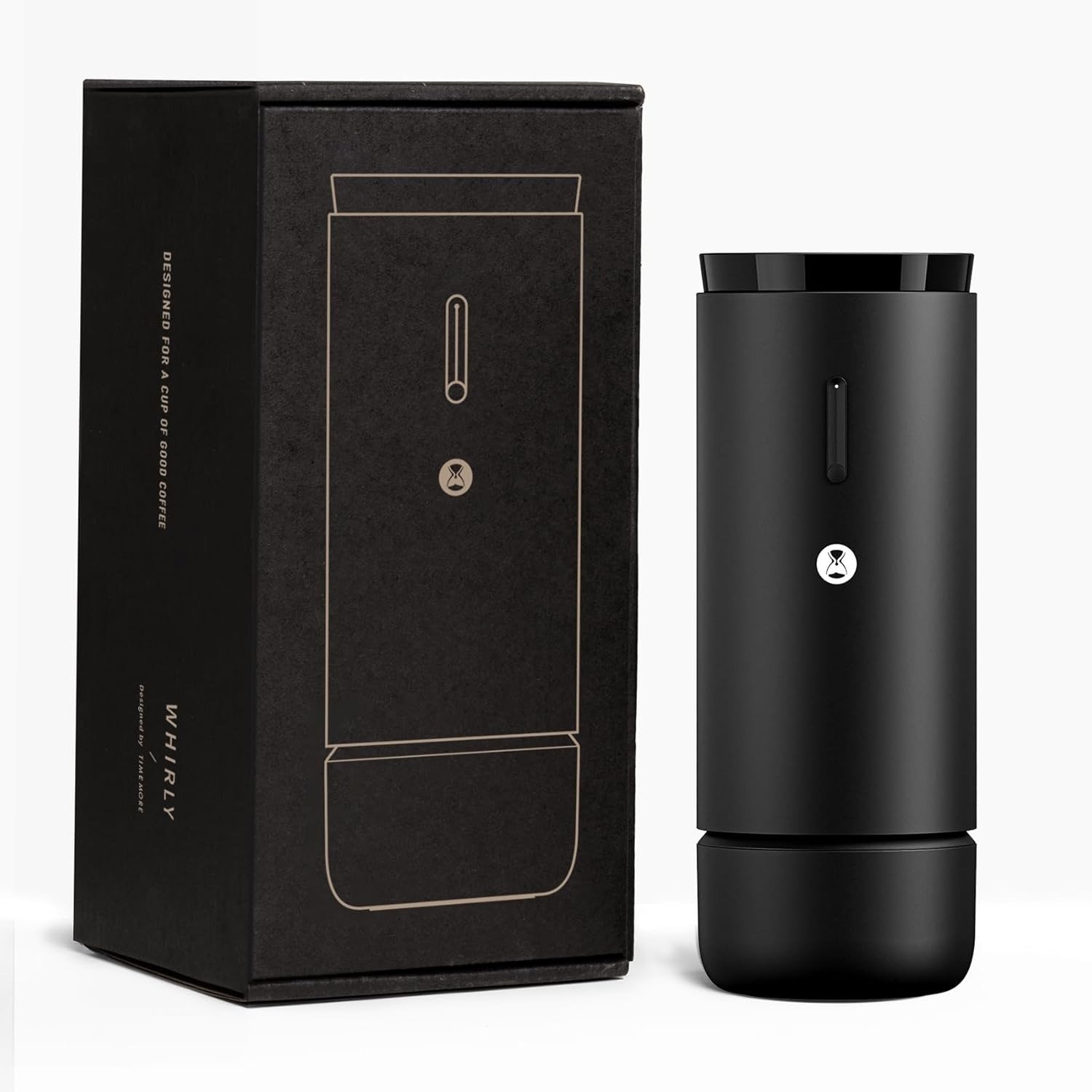
TIMEMORE SCULPTOR 078S
Eighteen grams in, every time. Same beans, same bag, same scale. And still — one morning the shot runs in nineteen seconds, the next in twenty-six, and nothing in your routine changed. You start doubting the roaster. Then the beans. Then your own hands on the portafilter.
That exact confusion is where most people actually meet the Timemore Sculptor 078S — not in a spec sheet, but standing over a shot glass that doesn’t match yesterday’s. The grinder isn’t broken. It’s just further along a process nobody printed on the box. This review is about that process: what happens inside a 78mm flat burr grinder before it settles down, where it can still trip you up after that, and who it genuinely makes sense for at $799.
Timemore Sculptor 078S Consistency: The Shots Look Fine. The Timing Isn’t.
On paper, this is close to a flawless grinder. Reviewers who’ve put real hours into it — running espresso, pour-over, and cold brew through the same unit in the same week — keep landing on the same read: uniform particle size, minimal boulders and fines, a unibody aluminum build that doesn’t rattle or flex. The 78mm burrs, driven by a brushless PID motor, are doing exactly what serious engineering should do.
So why does the same setup run long on Tuesday and short on Thursday? Because “the burrs are good” and “the shot is consistent” are two separate claims, and the space between them is where most of the frustration actually lives. Grind quality is a burr problem. Shot-time consistency is a system problem — burrs, seasoning, dial precision, and RPM, all working at once. The 078S nails the first and quietly asks you to learn the second.
| Spec | Timemore Sculptor 078S |
|---|---|
| Burrs | 78mm flat, vertically mounted |
| Motor | 400W brushless, PID + Hall sensor control |
| RPM range | 800–1400, variable |
| Grind adjustment | Stepless espresso range, 0–5 with ~10 sub-steps each |
| Brew range | Espresso through pour-over, French press, cold brew |
| Retention | Roughly 0.1–0.2g with the rotary knocker used properly |
| Weight | ~6.5kg (14.3 lb) |
| Colors | Matte black, white |
| Price | $799 direct from Timemore; Amazon pricing fluctuates |
| In the box | Grinder, magnetic hopper lid, magnetic catch cup, cleaning brush, power cord, manual |
Inconsistent Espresso Shots: What You’re Actually Feeling but Not Naming
Here’s what that actually feels like, in words most people don’t reach for until someone else says them first. It’s a shot that tastes flat on a morning when nothing about your technique changed. It’s grounds clinging to the inside of the catch cup no matter how many times you tap it. It’s a grind dial that feels like it’s doing nothing for half a turn, then everything on the next click. It’s the quiet, low-grade irritation of an expensive machine that still makes you second-guess your own coffee.
None of that is in your head, and none of it means you bought the wrong grinder. It means you’re standing at the edge of a mechanism the product page never explains.
78mm Flat Burrs and Burr Seasoning: The Hidden Mechanism Behind the Miss
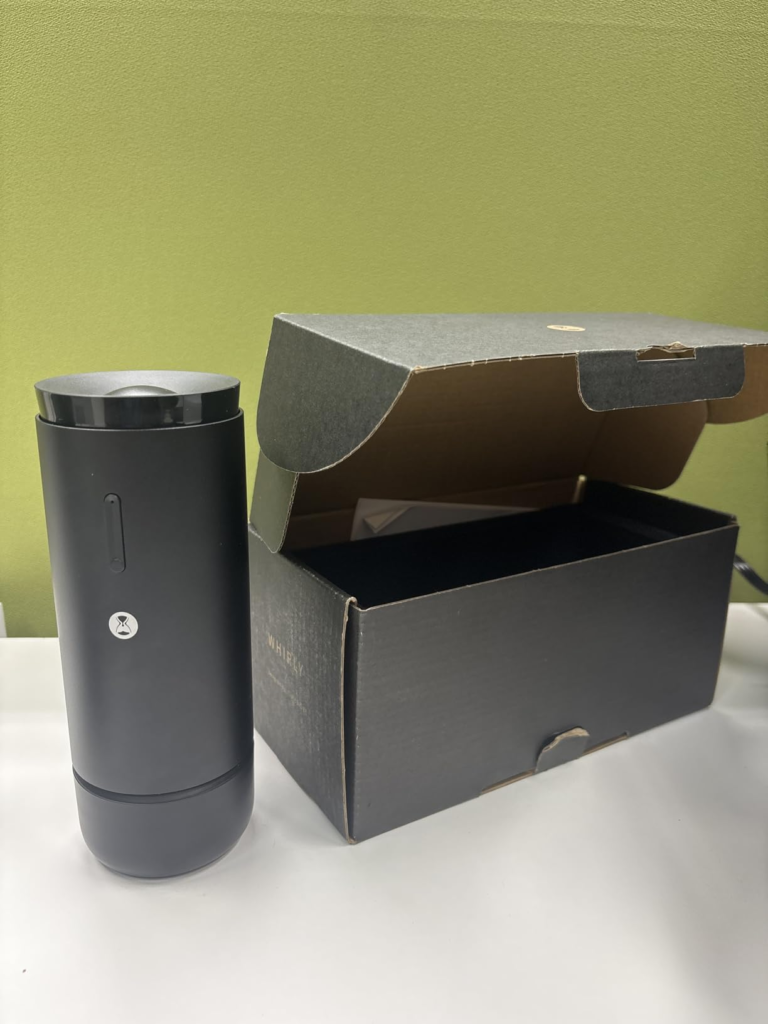
New burrs aren’t finished burrs. Reviewers who tracked the 078S from the first grind onward found that running roughly a kilogram of coffee through it noticeably mellowed the initial sharpness and pulled the espresso profile into balance — same burrs, tasting like a different grinder, days apart. That’s not a defect. It’s a manufacturing reality of flat burr sets: microscopic high points on a fresh burr face wear down evenly only with real use, and until they do, extraction can taste sharper and shot timing can wander more than it will later.
There’s a second, quieter variable underneath it: burr alignment can differ slightly between individual units straight out of the box. For filter brewing, that’s usually invisible. For fine espresso settings on light roasts, it’s exactly enough to explain a shot that won’t behave. Checking it means opening the housing and dealing with a handful of small screws — not difficult, just not something the marketing copy mentions.
Seasoning and alignment, together, are the hidden mechanism behind the miss. They explain more of a “why does my shot keep changing” week than bean freshness ever will.
Grind Dial Threshold: Where the Timemore Sculptor 078S Quietly Breaks
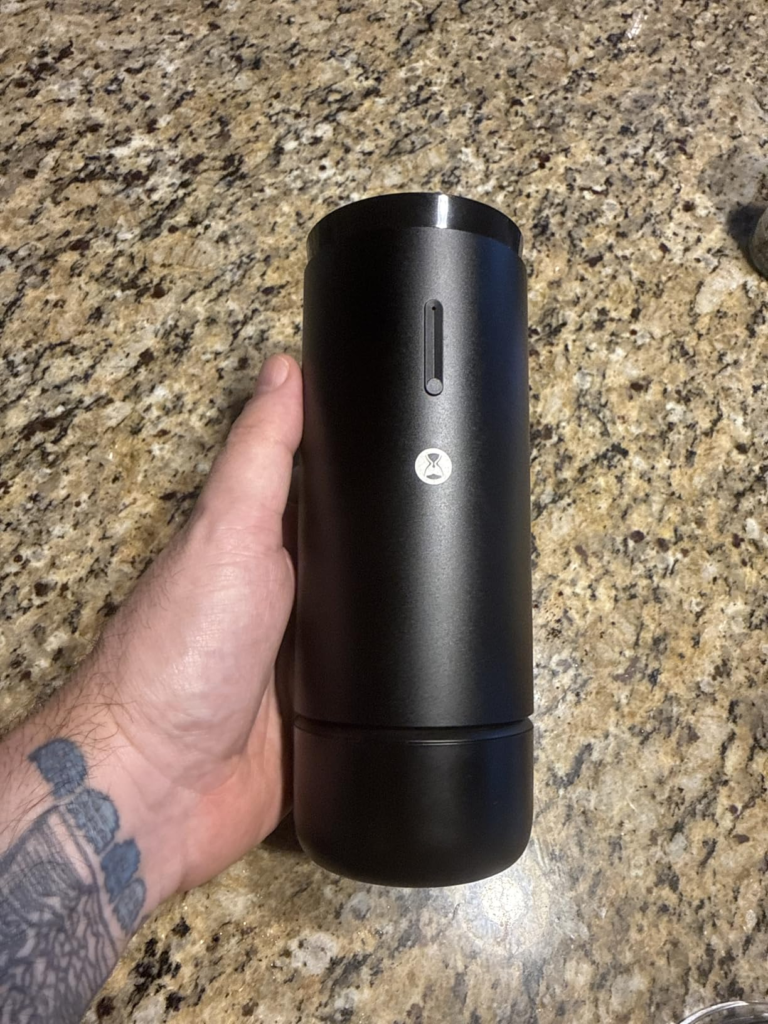
There’s a specific point where good engineering turns into a trap for the unaware. The espresso range is marked 0 through 5, and each number hides roughly ten sub-steps — a genuinely fine adjustment window on paper. In practice, that fineness means a movement smaller than you’d notice by eye can shift a shot by several seconds. Testers who logged this directly flagged it as one of the grinder’s real limits: not a lack of precision, but too much precision for a dial most people turn on instinct.
RPM has its own edge. At the bottom of the 800–1400 range, dense, lightly roasted beans can occasionally bog the motor rather than glide through it.
| Condition | What actually happens | What to do |
|---|---|---|
| First ~1kg of beans through new burrs | Extraction feels sharp, shot times drift | Treat the first bag as a seasoning bag, not a judgment bag |
| Dial moved less than one sub-step | Shot time can swing by several seconds | Adjust in single clicks, wait one shot before judging |
| RPM near 800 with dense, light-roast beans | Motor can bog down mid-grind | Nudge RPM toward 1000–1100 for dense roasts |
| Results feel oddly inconsistent on a brand-new unit | Burr alignment can vary between individual units | Check alignment before assuming it’s the beans or your technique |
None of this shows up on a spec sheet, because a spec sheet can’t show you where the curve gets steep. This is the actual terrain of owning this grinder.
Timemore Sculptor 078S vs the Hype: Why Most Buyers Misread This Too Early
The Sculptor line didn’t launch quietly. It became one of the most-backed coffee equipment campaigns Kickstarter has seen, and a lot of buyers committed before a single unit existed to hold. That kind of momentum creates its own blind spot: people judge the grinder against the hype cycle instead of against their own counter and their own habits — bought as an “endgame” purchase, then judged unseasoned, in week one, against a standard nothing could meet that early.
The second common misread sits inside Timemore’s own lineup. The 078S isn’t the only Sculptor option, and buyers often pick it — or skip it — without knowing what actually separates the models.
| Model | Best for | Adjustment | Price |
|---|---|---|---|
| Sculptor 078 | Filter / pour-over only | Stepped, 36 settings | Lower than 078S |
| Sculptor 078S | Espresso + filter | Stepless | $799 |
| Sculptor 064S | Espresso + filter, smaller footprint | Stepless | $599 |
| Sculptor 078SSP | Espresso + filter, longer-life burrs | Stepless | $1,099 |
If espresso is genuinely a daily habit, the 078S is the safer long-term seat. If it’s mostly filter with espresso as an occasional detour, that extra headroom is easy to overpay for.
Home Baristas Upgrading From a Hand Grinder: Who Is Actually Inside This Problem
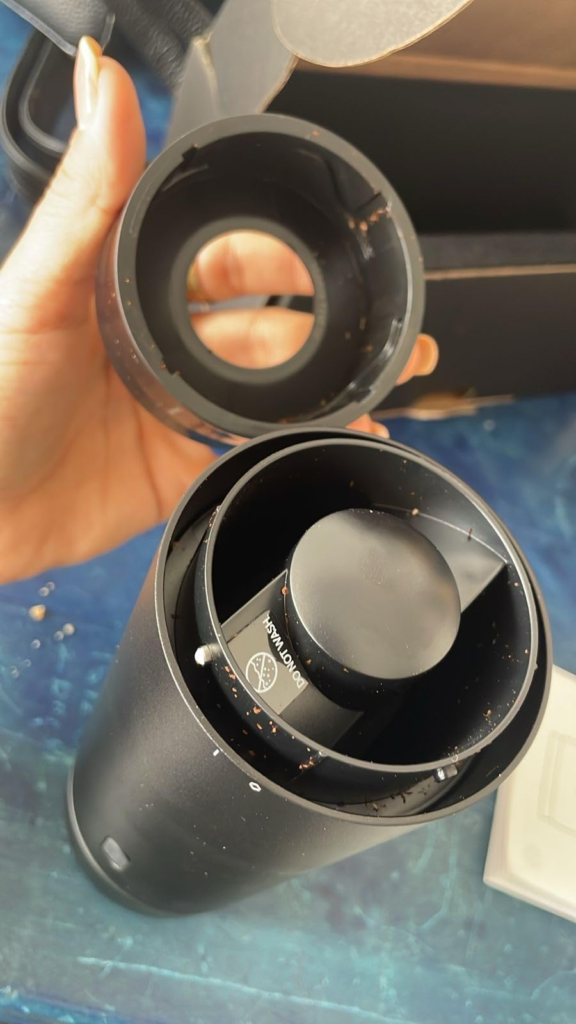
The person this grinder actually solves something for has usually already put in the hours — hand-grinding for an espresso machine that deserves better consistency, already noticing that technique alone can’t close the gap a cheap grinder leaves open. They already own a machine worth dialing in for, and they’re not interested in running two separate grinders to cover espresso and pour-over. Counter space is finite; buying twice to solve one problem stops making sense fast.
This is also the reader who won’t be thrown by a seasoning period. They’ve already lived through the “why does this taste different today” phase by hand. The 078S doesn’t remove that phase — it shortens it, then holds a setting far better than a hand grinder ever could.
Beginners and Minimalists: Where Wrong-Fit Begins
Wrong-fit starts with expectations, not budget. If the goal is plug in, grind, never think about it again, this isn’t that grinder — independent reviewers consistently describe it as a tool that rewards patience rather than one built for instant, zero-effort results. A seasoning period, a sensitive dial, and occasional screws for burr access are small asks individually, but they add up for someone who just wants coffee, not a hobby.
It’s also worth saying plainly: despite how some listings market it, this is not a travel or backpack grinder. At roughly 6.5kg of aluminum body, it’s built to live permanently on a counter. At idle it’s genuinely quiet, but once beans are actually grinding, the noise sits in a range reviewers call moderate rather than silent — worth knowing if your kitchen shares a wall with someone asleep. Pour-over-only drinkers, meanwhile, are paying for an espresso-grade stepless dial they may never use, when a simpler stepped model in the same family does their one job for less.
| You’re a good fit if… | Look elsewhere if… |
|---|---|
| You already own an espresso machine worth dialing in | You want zero-tinkering, plug-and-play |
| You want one grinder for espresso and filter | You only ever brew pour-over |
| A seasoning period and occasional screws don’t bother you | Your kitchen needs whisper-quiet grinding |
| $799 fits a buy-once mindset | Your budget sits well under that |
Timemore Sculptor 078S Fit: The One Situation Where It Becomes Logical
There’s a specific reader for whom all of this stops reading as caveats and starts reading as a straightforward trade. You already have an espresso machine that can hold pressure and temperature well enough to reward a better grind. You already grind daily, for more than one brew method, on a counter that only has room for one machine. And you’ve already hit the “why does my shot keep changing” wall on whatever you’re using now.
For that reader, the 078S isn’t a splurge — it’s the tool that matches the problem. 78mm burrs give it heat management and consistency smaller home grinders struggle to hold. Variable RPM gives you a real lever for light roasts instead of one fixed speed hoping for the best. A stepless dial, once you’ve learned its sensitivity, offers resolution a stepped grinder can’t match. None of that is exciting on a spec sheet. It’s exactly what makes the frustration in the first section of this review go away.
Timemore Sculptor 078S Pros and Cons: What It Solves, What It Reduces, and What Still Depends on You
Solves: shot-to-shot consistency, once the burrs are seasoned and roughly aligned — the actual complaint that started this review. Reduces: waste, since retention sits around a tenth to two-tenths of a gram with the knocker used properly, and the fines-driven bitterness that shows up on light roasts when RPM is tuned down instead of left fixed. It also reduces clutter — one grinder covering espresso and filter instead of two machines fighting for the same counter.
Still depends on you: your dial technique. The sensitivity that makes this grinder precise also makes it unforgiving of impatient half-turns. It won’t fix a bad tamp, a stale bag, or a machine that can’t hold steady pressure. And at least once, it will ask you to open the housing and look at what’s actually happening inside rather than assuming the beans are to blame.
Timemore Sculptor 078S Verdict: Is It Worth It
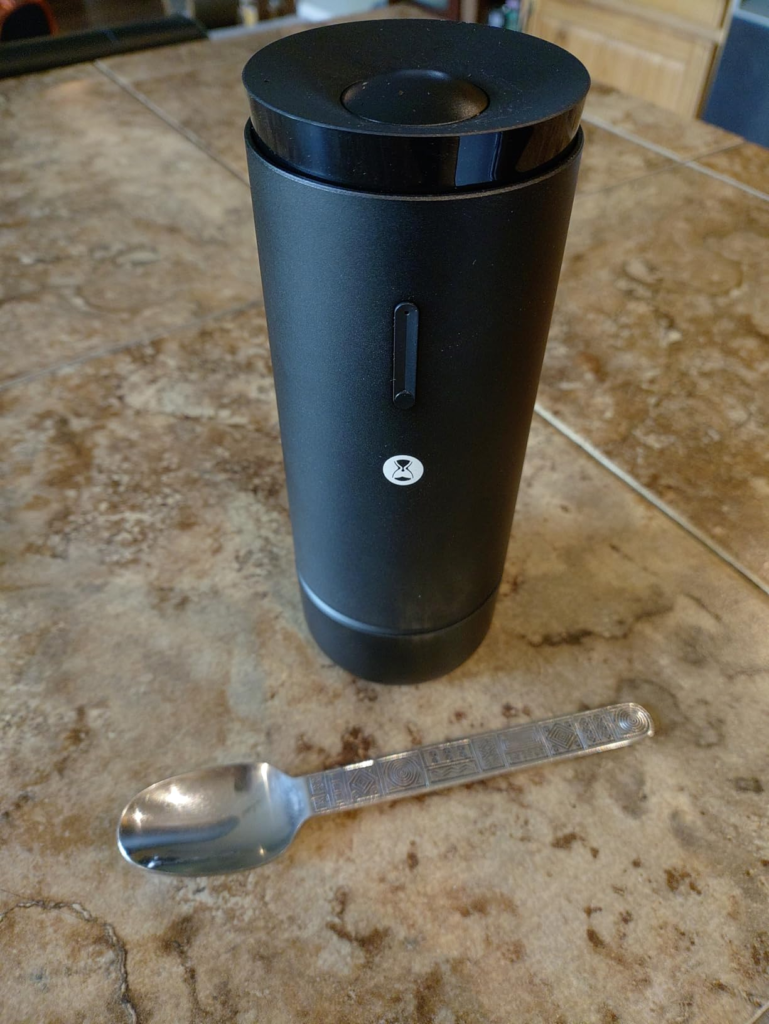
Strip away the Kickstarter buzz and the spec sheet, and the honest answer is conditional, not universal — which is exactly what you’d want from a fair verdict. For someone already committed to good espresso and filter coffee at home, willing to season the burrs, learn a sensitive dial, and occasionally open a housing panel, $799 buys real consistency without prosumer pricing. For someone wanting to plug in and never think about it again, the friction above will outweigh the payoff.
If your shots have been drifting for no reason you can name — same beans, same dose, different result every time — the fix usually isn’t a better bag of coffee. It’s a grinder built to actually hold a setting once you’ve earned it. If that’s the wall you’ve been hitting, this is where the decision stops being vague.
Frequently Asked Questions
| Question | Answer |
|---|---|
| Is the Timemore Sculptor 078S good for espresso? | Yes — it’s the espresso-capable variant in the lineup, with flat 78mm burrs fine enough for espresso while still handling filter brews. The non-S 078 uses different burrs and can’t grind fine enough for espresso at all. |
| How long is the break-in period? | Roughly a kilogram of beans through the burrs before performance stabilizes and the espresso profile balances out. Treat the first bag as seasoning, not a verdict. |
| Is it loud? | Quiet at idle thanks to the brushless motor. While actively grinding, it sits in a range multiple reviewers call moderate rather than silent — not disruptive, but not whisper-quiet either. |
| 078S or 064S — which one? | The 064S is smaller, cheaper, and still covers espresso and filter. The 078S adds bigger burrs and more motor headroom, which makes daily espresso and dense light roasts easier to dial in. |
| Does it really have low retention? | Commonly measured around a tenth to two-tenths of a gram with the rotary knocker used correctly. Static in the catch cup is a known minor annoyance several reviewers still mention. |
| Is it hard to clean? | Routine knocking and clearing is easy. Full burr access for cleaning or alignment involves several small screws, which multiple reviewers flagged as fiddlier than it needs to be. |
Transparency Note:
This analysis is built on aggregated real-world experience. It extracts what repeatedly holds, what breaks, and what users uncover only after living with the system—then shapes it into a clear model you can use immediately. Think of it as structured experience, refined and presented so you don’t have to learn it the hard way.
“A quick note: Don’t believe the star ratings, but trust personal experience. This article is a compilation of collected experiences.”