BINMIT WINDOW CLEANER ROBOT REVIEW: WHAT I FOUND AT 8000PA
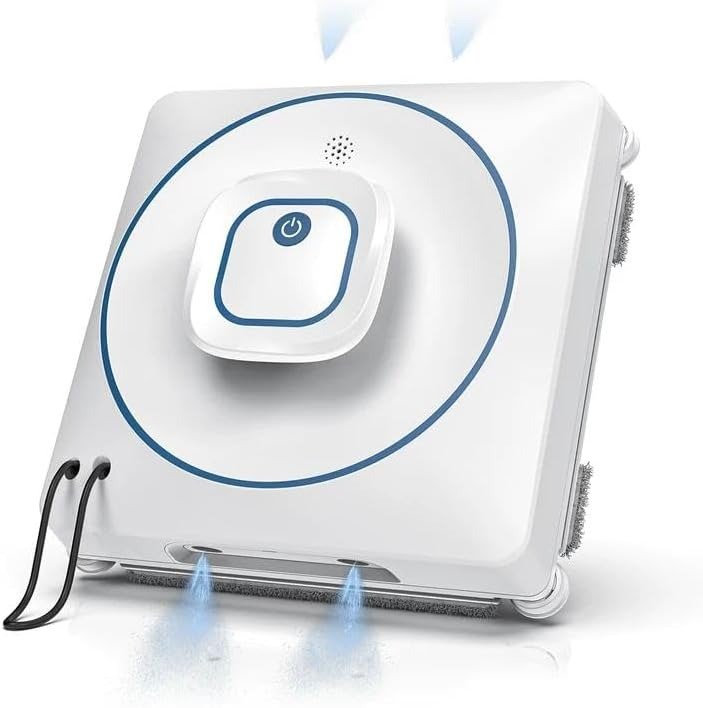
BINMIT WINDOW CLEANER ROBOT
I have a balcony window I’ve been calling “good enough” for six months.
Not because it’s clean. Because reaching it properly — full panel, top to bottom, outside face — requires either a long-handled tool that leaves as many questions as answers, or a maneuver that involves leaning out in a way I stopped finding acceptable after my third-floor neighbor waved at me with genuine concern from the street below.
So the window stayed “good enough.”
That’s the actual problem this product category exists to solve. Not dirty windows in the abstract. The specific, recurring problem of windows you keep postponing because they’re disproportionately inconvenient. The ones you notice every time light hits them wrong. The ones guests politely don’t mention.
I tested the BINMIT window cleaning robot across three real surfaces: a standard framed window, a tall floor-to-ceiling glass panel, and one notoriously frustrating tilting casement with a lock hardware piece positioned exactly where every cleaning tool decides to give up.
Here is what I found — specifically, when the 8000Pa suction and four cleaning modes actually deliver, and precisely where the outcome quietly breaks down.
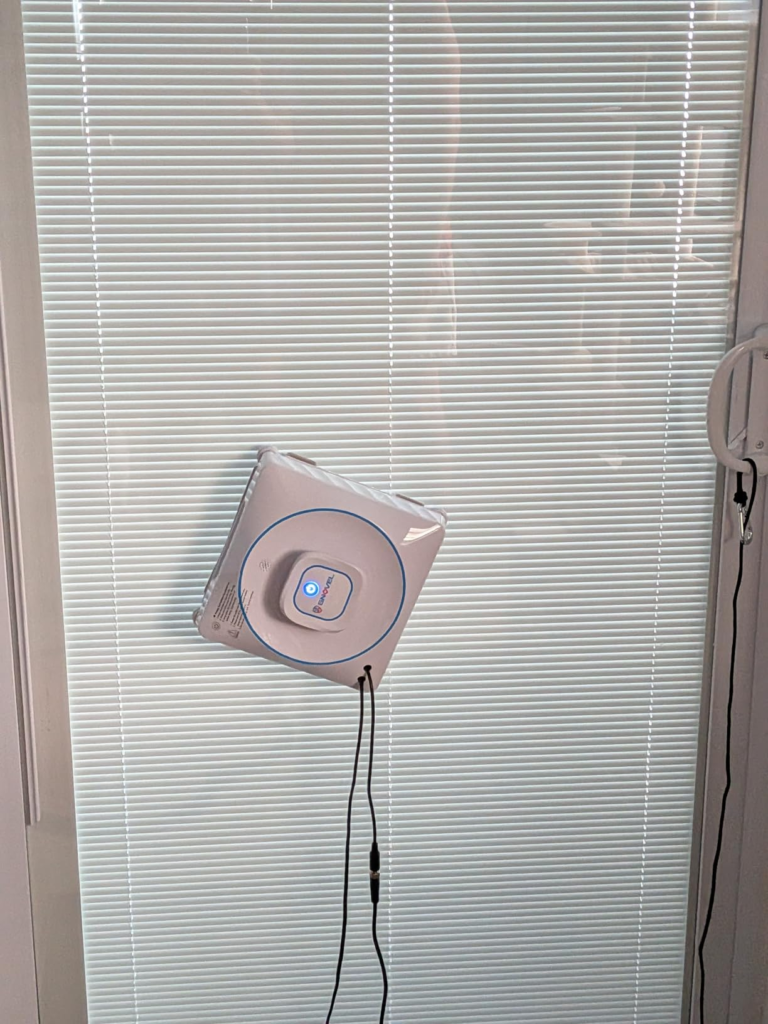
BINMIT WINDOW CLEANING ROBOT RESULTS: THE GLASS LOOKS FINE. THE PROBLEM ISN’T.
After the robot completes its first pass, the window looks noticeably different. The dust film is gone. Light moves through the glass more cleanly. I was satisfied for about thirty seconds.
Then the low evening sun came through at that specific angle — the one that turns any window into a projection screen for everything you missed — and I noticed the corners. A faint circular trace where the pad pivoted. A section near the hinge the robot mapped as “done” while still wearing a faint smear.
Why does this happen? Because “looks cleaner” doesn’t mean every inch was cleaned equally. The BINMIT robot achieves up to 99% surface coverage on clear framed panels — but coverage isn’t the same as uniformity of result. Coverage means the robot traversed the area. What it leaves behind depends on pad condition, water distribution timing, and the actual type of surface dirt — variables that no suction number can override.
The result is fine. The expectation was something else.
WINDOW CLEANING ROBOT REALITY: WHAT YOU’RE ACTUALLY FEELING BUT NOT NAMING
I used to think I disliked window cleaning because windows get dirty. That’s not actually it.
What I dread is the bucket. The cloth. The moment I realize I need a different position for the top third. The discovery that inside-face and outside-face cleaning are two separate operations with two different risk profiles and two different sets of logistics.
The friction isn’t the result — clean windows are pleasant. The friction is the process cost. And the BINMIT exists to reduce that cost, not eliminate it entirely. This distinction carries more weight than any spec on the product page.
What this robot specifically addresses: the reaching problem on elevated glass, the ladder risk on exterior panes, the physical fatigue of scrubbing large panels by hand. These are genuine, recurring frictions. They’re what keeps the postponement cycle going.
But here’s what I didn’t say out loud until I tested this unit: I also dreaded having to evaluate whether the result was good enough. Manual cleaning has an immediate feedback loop — you see the streak, you wipe again. A robot’s feedback loop is slower, and the remediation step takes more effort. If you need real-time control over every inch of result, manual cleaning still wins on that specific dimension.
8000PA SUCTION EXPLAINED: THE HIDDEN MECHANISM BEHIND THE MISS
Here is where most buyers collapse two completely separate systems into one misread judgment.
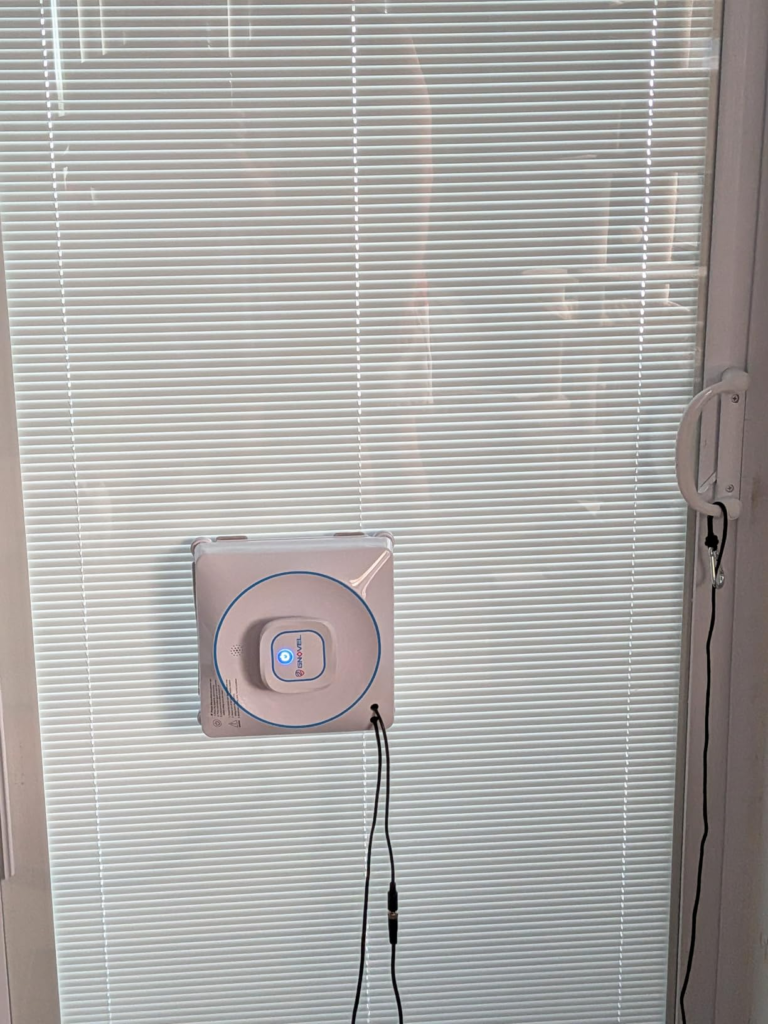
8000Pa is the adhesion system. It is not the cleaning system.
The suction motor keeps the robot attached to the glass. That is its function. Full stop. The cleaning is performed by the dual ultrasonic nozzles that mist water in two directions, combined with the ultra-fine microfiber pads that make physical contact with the surface. These are different hardware components doing completely different jobs.
Why does this matter? Because when cleaning results disappoint — when you see streaks or miss spots — the instinct is to assume the suction wasn’t strong enough. It almost never is. At 8000Pa, the adhesion is more than sufficient on any smooth flat vertical surface. What actually governs the cleaning result is something else entirely.
| Variable | Impact on Cleaning Result | Who Controls It |
|---|---|---|
| Pad dampness at start | Primary driver of streak or streak-free outcome | You — manual prep before each session |
| Pad cleanliness mid-session | Risk of grime redistribution onto glass | You — rotation between dirty panes |
| Dirt type on glass | Determines if one pass suffices | Glass condition before robot runs |
| Dual spray water coverage | Dissolution quality of loose dirt | Auto-timed by the robot |
| Surface texture and flatness | Determines suction seal integrity | Glass type — smooth only |
The 8000Pa makes the robot safe to use at height. The microfiber pad and spray system make it effective at cleaning. These are not the same thing, and they cannot substitute for each other.
The 15-stage anti-fall system also operates independently from cleaning performance. It monitors suction integrity, edge proximity, surface pressure drop, tilt angle, and power stability — and intervenes before a fall can occur. This safety architecture is the primary engineering achievement of the BINMIT. The cleaning output is a secondary result.
WINDOW CLEANER ROBOT THRESHOLD: WHEN THE OUTCOME QUIETLY BREAKS
I’ll name the thresholds the product page glosses over.
Threshold 1 — Pad Dampness
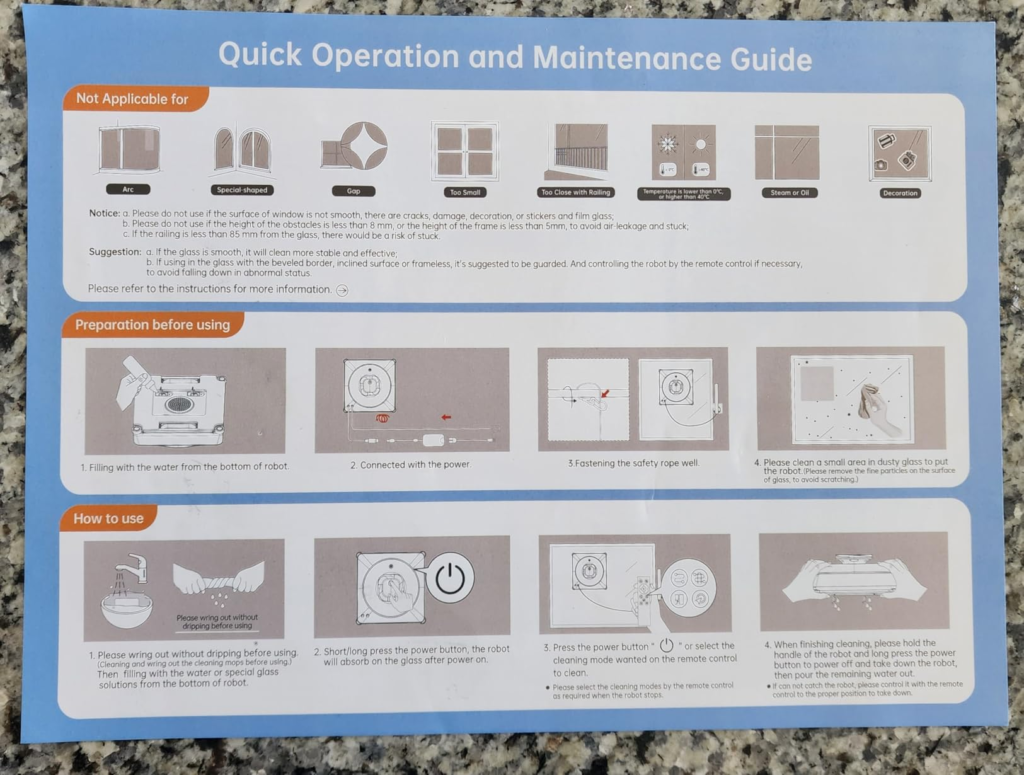
The operating window is narrow and non-negotiable. The manual says wet thoroughly and wring firmly until only slightly damp. That instruction is the actual performance boundary.
| Pad Condition | What Happens | Final Outcome |
|---|---|---|
| Dripping wet | Suction seal compromised; alarm triggers | Navigation failure before cleaning starts |
| Correctly damp — wrung firmly | Optimal microfiber contact with glass | Streak-free result on smooth surfaces |
| Only slightly damp | Adequate for very light dust only | Acceptable on routine maintenance runs |
| Dry pad | Drags without dissolving grime | Visible streaks and surface recontamination |
| Saturated mid-session | Redistributes collected dirt back onto glass | Glass appears worse than before |
Threshold 2 — Dirt Weight
The BINMIT handles what I call lifestyle dirt: fingerprints, regular dust accumulation, urban particulate, light smudges from daily window contact. It was not engineered to remove dried bird droppings, calcium or mineral deposits from irrigation spray, dried mud, or grease residue on kitchen-adjacent glass. These require pre-treatment by hand before the robot operates. The robot then manages maintenance on the treated surface. Not initial remediation.
Threshold 3 — Glass Surface Type
| Glass Type | BINMIT Compatibility | The Reason |
|---|---|---|
| Standard framed flat glass | ✓ Excellent | Ideal operating environment |
| Frameless flat glass | ✓ Strong | Edge detection manages surface boundary |
| Floor-to-ceiling panels | ✓ Strong | N-Pattern mode covers area systematically |
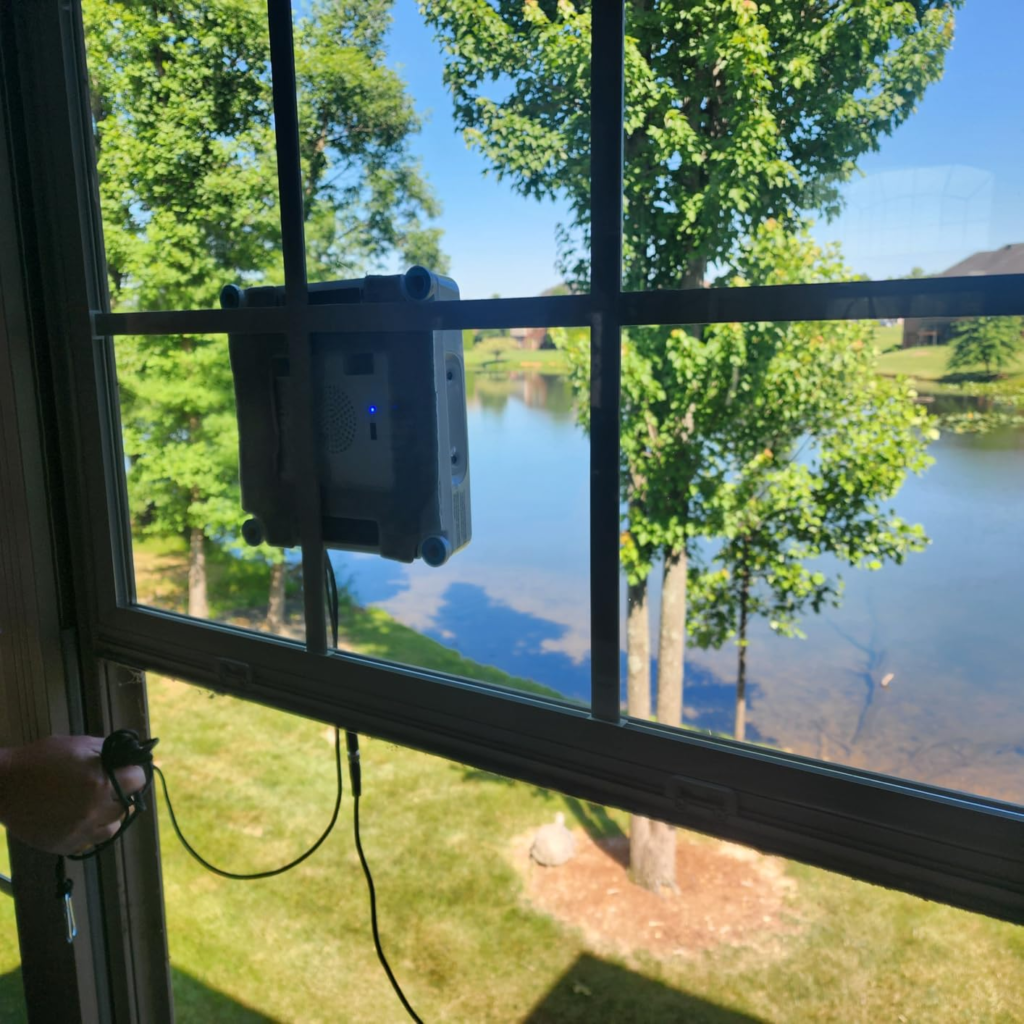
| Tilting windows with lock hardware | ✓ Functional | 1.6×1.6ft narrow body navigates obstructions |
| Small panes under 18″×18″ | ⚠️ Limited | Robot may not map full surface correctly |
| Textured, frosted, or patterned glass | ✗ Not suitable | Suction seal unreliable on irregular surfaces |
| Cracked or chipped glass | ✗ Never | Suction pressure creates structural risk |
| Curved or non-flat glass | ✗ Not compatible | Suction requires uniform flat contact plane |
Threshold 4 — Presence Requirement
This robot cannot be left unattended. That’s not a criticism of the BINMIT specifically — it’s a structural characteristic of the entire category. Unlike a robot vacuum that navigates autonomously and docks itself, a window robot requires you to place and retrieve it per pane, cannot independently transfer between surfaces, and should have someone nearby on any high or exterior surface. If the expectation was “place it on the window, walk away, return to a clean house” — this threshold will break satisfaction faster than any spec.
WINDOW CLEANING ROBOT COMPARISON: WHY MOST BUYERS MISREAD THIS TOO EARLY
The comparison most buyers instinctively make: window robot versus robot vacuum.
That comparison is structurally wrong, and it accounts for most of the disappointment reviews in this category.
Why? A robot vacuum solves one persistent, recurring problem: floor dirt reaccumulates continuously. The robot runs on a schedule, clears the floor, and returns to base. The entire value is automation minus your involvement.
A window cleaning robot solves a different problem: the cost of cleaning specific surfaces that are elevated, physically demanding, or logistically inconvenient. The value is risk reduction and effort replacement — not scheduling autonomy.
| Wrong Mental Model | Accurate Mental Model |
|---|---|
| BINMIT vs. Ecovacs WINBOT W2S at 3× the price | BINMIT vs. the ladder you don’t own |
| “Set it and forget it” automation | Assisted tool you manage per session |
| Robot vacuum-level independence | Presence-required, pane-by-pane operation |
| Replacing professional window cleaning service | Reducing frequency of professional cleaning |
| Zero-effort maintenance cleaning | Significantly reduced effort on difficult panes |
The buyers who feel disappointed typically measured this robot against a product it was never designed to be. The buyers who value it measured it against the specific friction it actually replaces — which is the production of manual cleaning on the windows they keep skipping.
BINMIT WINDOW ROBOT FIT: WHO IS ACTUALLY INSIDE THIS PROBLEM
I’ll be direct. The BINMIT window cleaning robot is a genuine fit when these conditions are true:
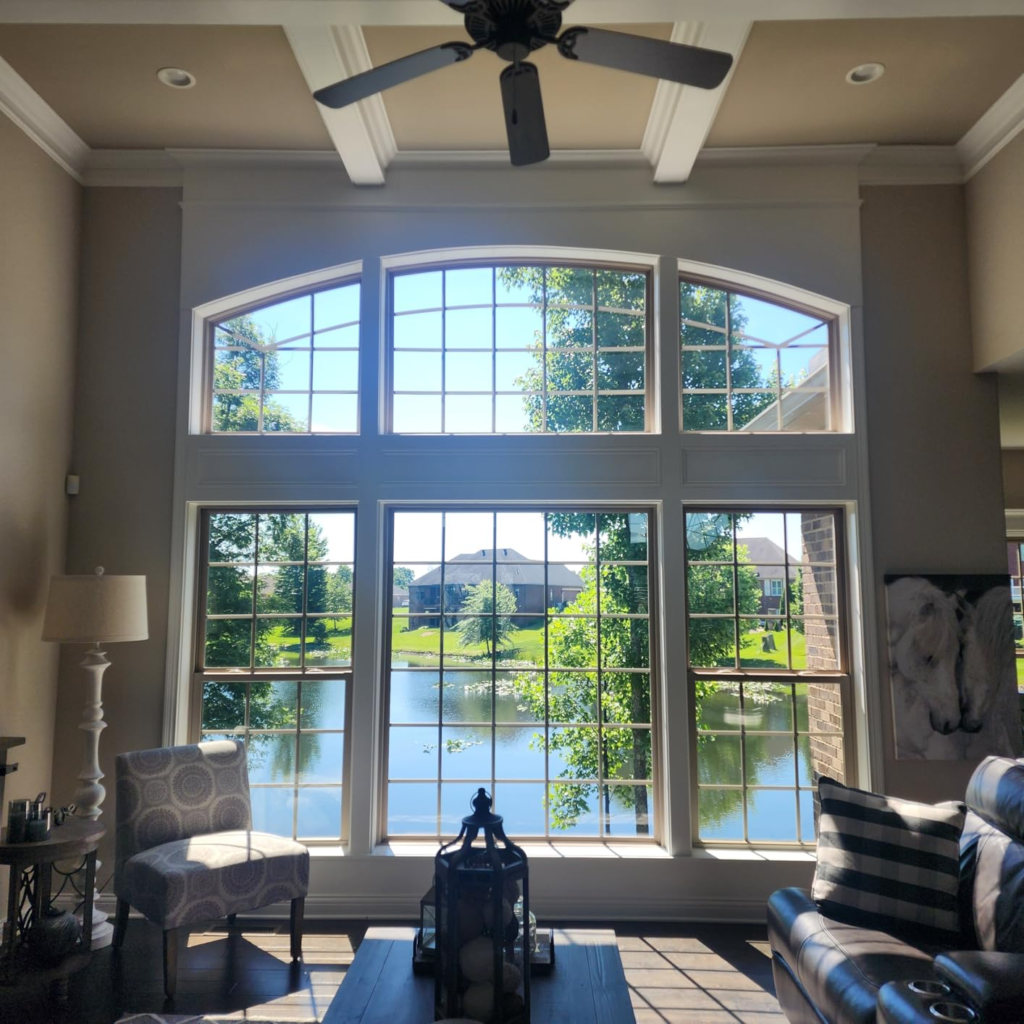
You have three or more large, smooth-glass windows — at least one of which is genuinely inconvenient to clean manually. This could be height, exterior placement, sheer panel size, or a physical reach limitation that makes the full surface inaccessible without a risk you’re not comfortable taking.
Your regular accumulation is lifestyle dirt: dust, fingerprints, urban particulate. Not industrial contamination, not coastal mineral spray, not proximity to a bird colony.
You’re willing to spend thirty seconds on pad preparation before each session. Wet thoroughly, wring firmly until only slightly damp. Non-negotiable. If you’ll skip this step, the robot will disappoint you every single time — regardless of suction rating.
You plan to be in the vicinity while it operates. Not watching it anxiously — you can do other things. But available to move it between panes and respond if an alarm triggers.
You want the high window handled safely, without you on a ladder. The 15-stage anti-fall system and safety tether address the risk of the robot falling. Your safety comes from not having to be elevated to do the cleaning yourself. That specific exchange is where the BINMIT earns its value.
WINDOW CLEANING ROBOT WRONG FIT: WHERE WRONG-FIT BEGINS
Some situations will produce genuine regret. I’ll name them without softening.
| Wrong Fit Scenario | Why It Fails |
|---|---|
| Only small, easily accessible windows | Physical effort is already minimal; robot adds complexity without meaningful gain |
| Primary issue is bird droppings or dried mud | Robot cannot remove heavy contamination; results will disappoint even with correct prep |
| Expecting fully automated, hands-off operation | Assisted tool only; you’re required at every pane transition |
| Textured, frosted, or patterned glass surfaces | Suction seal unreliable on irregular surfaces |
| Cracked, chipped, or damaged glass | Safety risk; do not use |
| Exclusively very small window panes | Coverage gaps are significant below minimum effective surface area |
| Goal is to fully replace professional cleaning | Robot maintains clean glass; it cannot restore neglected or heavily soiled glass |
| No power outlet near target windows | Corded operation requires nearby power access |
The regret point here is almost never “I bought a bad product.” It’s “I bought a product for a problem I didn’t actually have” — or for a version of the problem the product wasn’t designed to solve.
BINMIT 4 CLEANING MODES: THE ONE SITUATION WHERE THIS PRODUCT BECOMES LOGICAL
After the threshold work above, here’s when purchasing the BINMIT reaches the logical conclusion.
You have windows you keep postponing. Specifically because they’re elevated, hard to reach without a ladder, or physically demanding across a large surface. The dirt is regular accumulation — light, persistent, spread across glass that makes manual cleaning a full production every time you finally commit to it. You want the job to get done, safely, without the ache afterward.
That specific condition is what this robot was engineered for.
| Cleaning Mode | Primary Purpose | Best Applied When |
|---|---|---|
| Quick Clean | Single rapid surface pass for fresh light dust | Less than 2 weeks since last clean |
| Deep Clean | Extended multi-pass for fingerprints and accumulated smudges | 3–6 weeks since last clean |
| N-Pattern Clean | Systematic zigzag for complete coverage on large or wide panels | Coverage consistency on floor-to-ceiling glass |
| Edge Clean | Focused border movement for frame grime and corner accumulation | After a main surface mode, as a finishing pass |
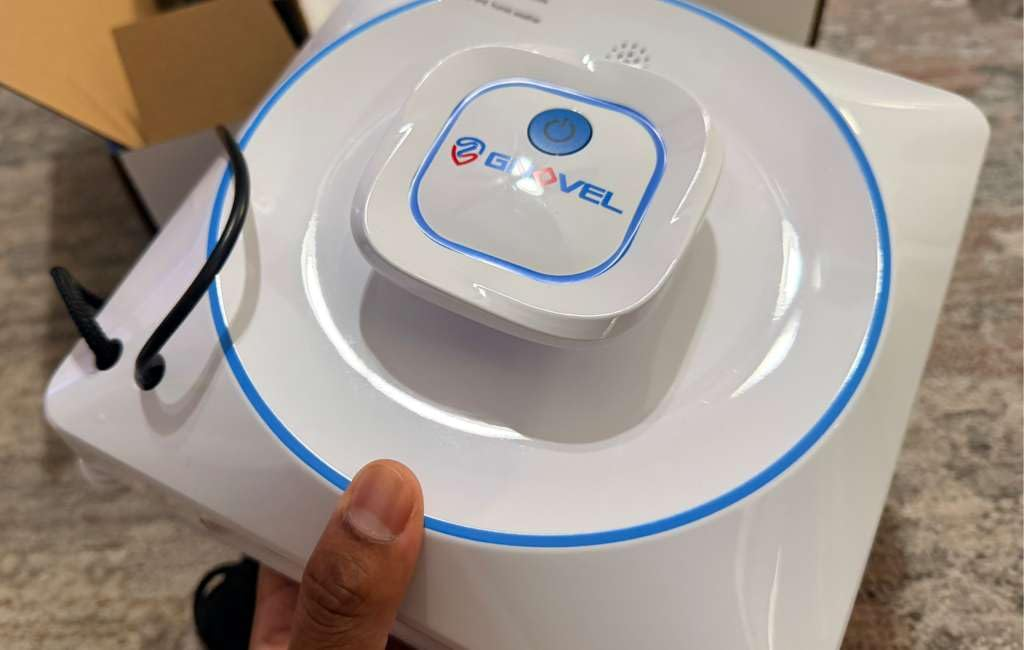
The 1.6×1.6ft compact body addresses the tilting window problem specifically — the frame was engineered to navigate around window locks and handle hardware that stops wider-body robots mid-path. The 120mL dual water tank supports a full large panel on most standard pane sizes without mid-session refills.
The safety tether is included. On any second-floor or higher exterior glass, attach it before operation. No exceptions.
BINMIT ROBOT REVIEW RESULTS: WHAT IT SOLVES, WHAT IT REDUCES, AND WHAT IT STILL LEAVES TO YOU
Before the decision, I want to set the expectation precisely.
| Category | Specific Detail |
|---|---|
| Solves | Cleaning elevated or exterior windows without putting yourself on a ladder |
| Solves | Reaching the full upper third of floor-to-ceiling panels without a step stool |
| Solves | Physical arm and shoulder fatigue of large-panel manual scrubbing |
| Solves | The recurring postponement cycle on the inconvenient windows |
| Reduces | Time per session — roughly half the time of manual cleaning on large panes |
| Reduces | Streak risk on smooth, light-dust glass when pad is correctly prepared |
| Reduces | Frequency of needing professional window cleaning on maintained glass |
| Still on You | Pad dampness preparation before every single session — mandatory |
| Still on You | Physically moving the robot between each individual pane |
| Still on You | Corner and edge touch-up after the main surface mode completes |
| Still on You | Replacing or rinsing the pad when it becomes saturated mid-session |
| Still on You | Manual pre-cleaning of any heavy staining before the robot runs |
| Still on You | Remaining nearby during operation, particularly on high or exterior glass |
The window that still requires you to place the robot — but that gets fully cleaned without you on a ladder for 15 minutes — is exactly where this product earns its place in the house. The window you could comfortably clean yourself in five minutes is not where it adds value.
Where regret starts: when you expect the robot to replace the discipline of maintenance entirely. It can significantly reduce the effort of each cleaning session. It cannot replace the decision to clean.
WINDOW CLEANER ROBOT BUYING DECISION: FINAL COMPRESSION
If your windows include at least one large, smooth glass surface that you keep postponing because it’s elevated, physically demanding, or requires logistics you don’t want to commit to — and if the regular accumulation is light lifestyle dirt — the BINMIT window cleaning robot is the logical next step.
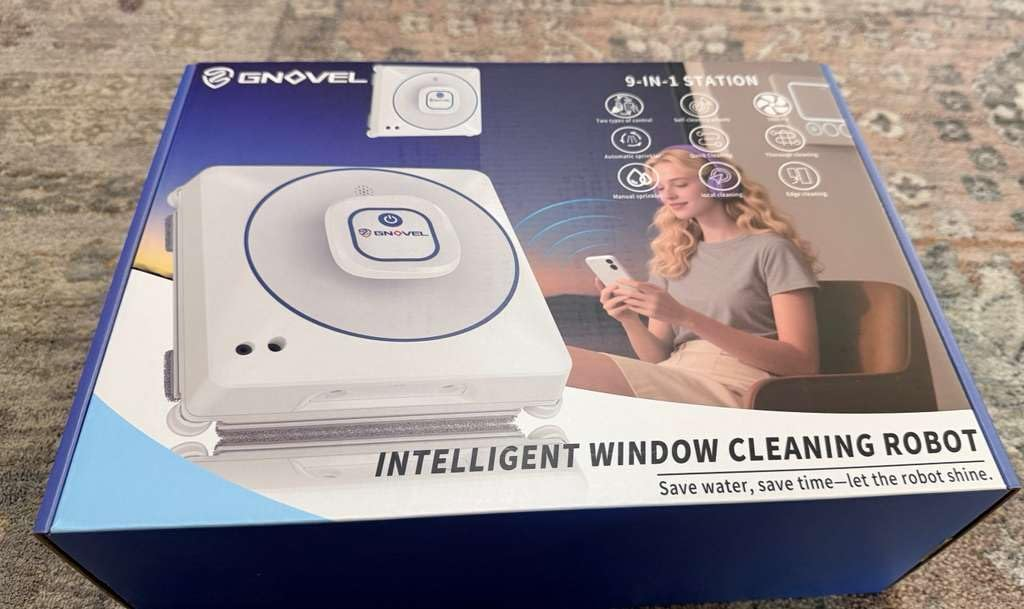
The 8000Pa suction and 15-stage anti-fall system provide the safety architecture for elevated and exterior use. The four cleaning modes let you match intensity to the actual dirt level. The compact 1.6×1.6ft body solves the hardware navigation problem on tilting and obstructed windows. The dual auto-spray system handles moisture distribution for streak-free results — provided the pad is correctly prepared.
If that specific condition describes your situation, the delay just means more postponed windows, more living with glass you’ve resigned yourself to calling “good enough,” and more evenings catching the angle where light exposes what you keep deciding not to address.
Frequently Asked Questions: BINMIT Window Cleaner Robot
| Question | Answer |
|---|---|
| Does the BINMIT window cleaning robot leave streaks? | Streaks happen for one of three reasons: the pad was too dry at the start of the session, the pad became saturated with collected dirt mid-session without being replaced, or the glass had heavy staining that required pre-treatment. With correct pad preparation, streak-free results are achievable. The streak problem is almost always a pad preparation problem, not a machine problem. |
| Can the BINMIT robot clean frameless glass safely? | Yes. The intelligent edge detection scans for surface boundaries and reverses before reaching the glass edge. The 15-stage anti-fall system monitors suction integrity throughout the session. The included safety tether provides a physical failsafe. |
| Why does the alarm trigger during cleaning? | Two primary causes: the pad is too wet and the suction seal is being compromised, or the robot has reached an edge or obstacle it cannot navigate around. These are protective responses from the anti-fall system, not malfunctions. |
| Do I need to stay nearby while the robot cleans? | Yes. You need to be present enough to move it between panes and respond to alarm alerts. Window cleaning robots are assisted tools, not autonomous systems. |
| How often do I replace the cleaning pads? | Replace when you see visible discoloration that doesn’t wash out, when results start declining, or when the pad shows physical wear. On maintained glass, pads typically last several months of normal use. |
| Can the BINMIT clean exterior windows on upper floors? | Yes — with the safety tether attached. The 15-stage anti-fall system is designed for elevated exterior use. You place the robot on the outer glass surface while safely positioned indoors or on a stable internal platform. |
| What is the practical difference between the four cleaning modes? | Quick Clean makes one rapid directional pass for recent light dust. Deep Clean runs multiple overlapping passes for accumulated smudges. N-Pattern Clean prioritizes complete surface coverage on large panels. Edge Clean focuses on frames and corners. |
Transparency Note:
This analysis is built on aggregated real-world experience.
It extracts what repeatedly holds, what breaks, and what users uncover only after living with the system—then shapes it into a clear model you can use immediately.
Think of it as structured experience, refined and presented so you don’t have to learn it the hard way.
“A quick note: Don’t believe the star ratings, but trust personal experience. This article is a compilation of collected experiences”