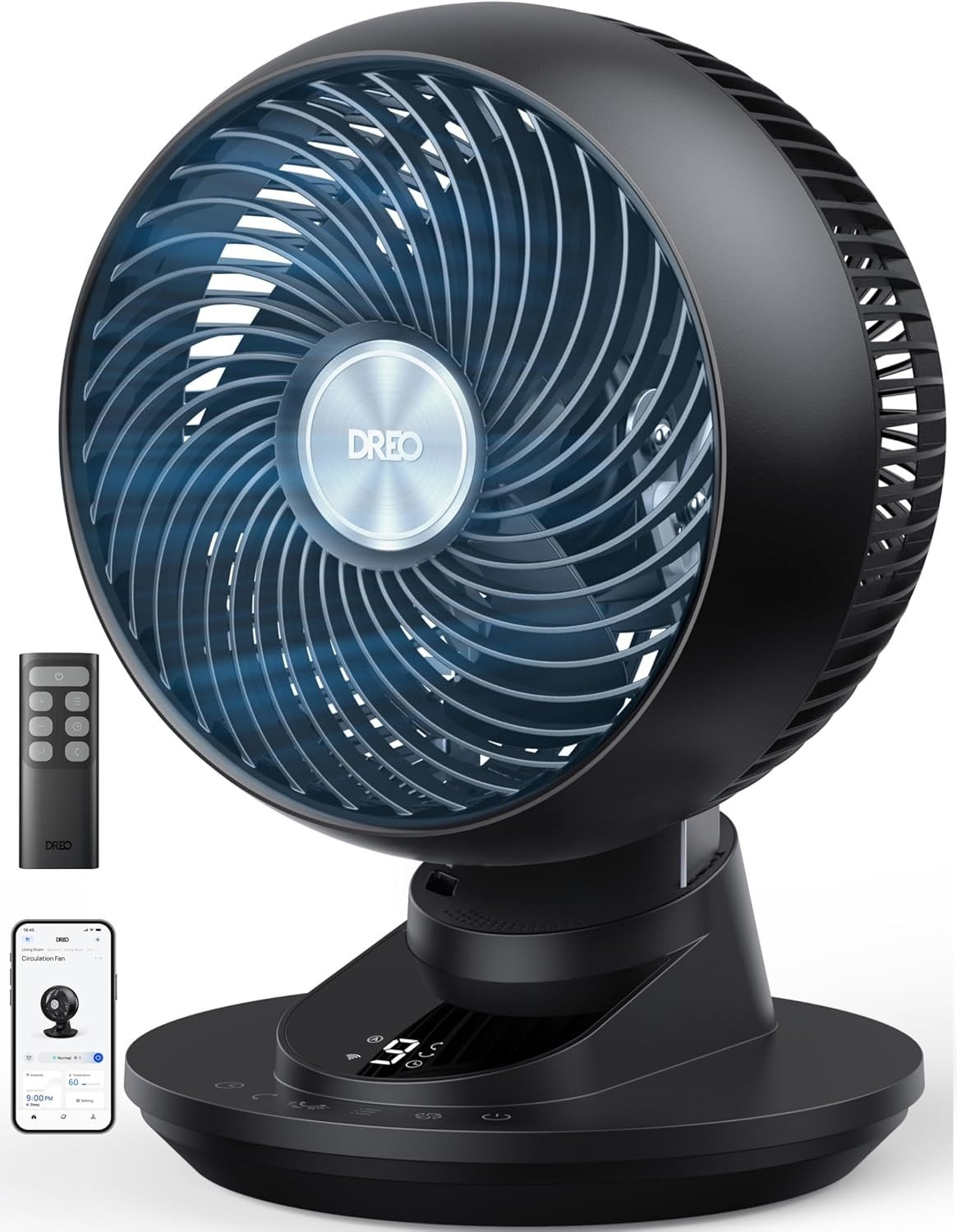
ZC WAS ROBOT VACUUM REVIEW: MY FLOORS LOOKED CLEAN. THAT WAS THE PROBLEM.
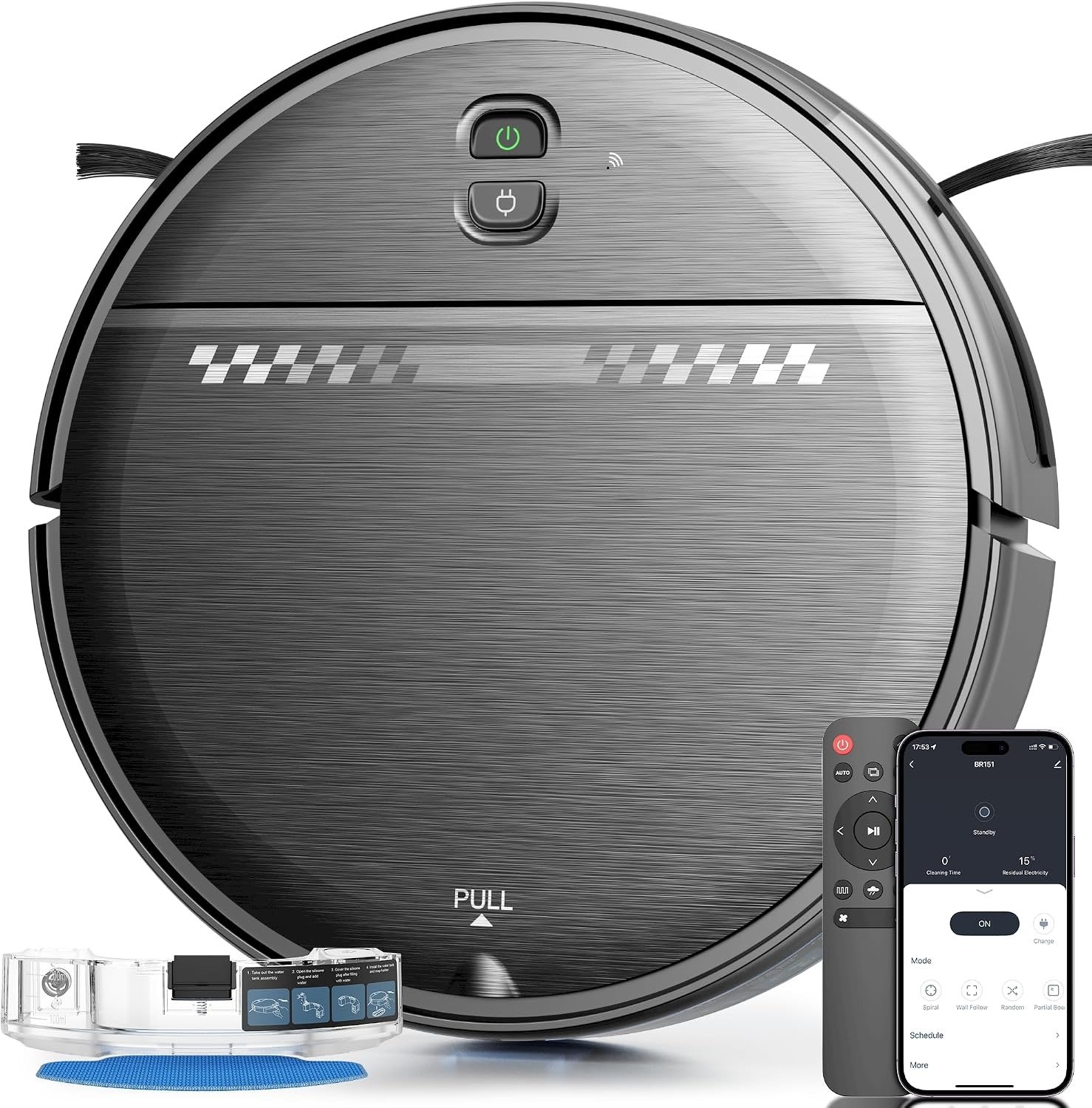
ZC WAS ROBOT VACUUM
I used to judge a clean floor the same way most people do — I looked at it. No dust trail under the kitchen table, no dog hair drifting along the baseboards, good. Done. Then I started running the ZC WAS Robot Vacuum every morning before work, and I noticed something that changed how I judge “clean” for good: the floor can look finished and still be wrong underneath. That gap between looks done and is done is exactly where this review lives.
ZC WAS Robot Vacuum Performance: The Result Looks Fine. The Problem Isn’t.
Here’s the quiet trick of any 2-in-1 vacuum-and-mop combo: it sweeps a thin, even layer of cleanliness over everything, and a thin even layer looks identical to a deep clean from where you’re standing. I’d run the ZC WAS, glance at the floor, and feel satisfied. Then I’d kneel down — actually kneel — and run a finger along the leg of the dining chair. Fine dust. Not a layer you’d notice standing up, but enough that a barefoot test at 11pm told a different story than the visual one did at 8am.
That’s not a flaw unique to this machine. It’s a structural fact about every low-profile robot vacuum on the market: a 2.87-inch body with a fixed suction inlet cannot apply pressure the way a human pushing an upright vacuum can. It moves volume, not force. The ZC WAS does this well for what it is — but “looks clean” and “is clean” are two different claims, and most buyers only ever check the first one.
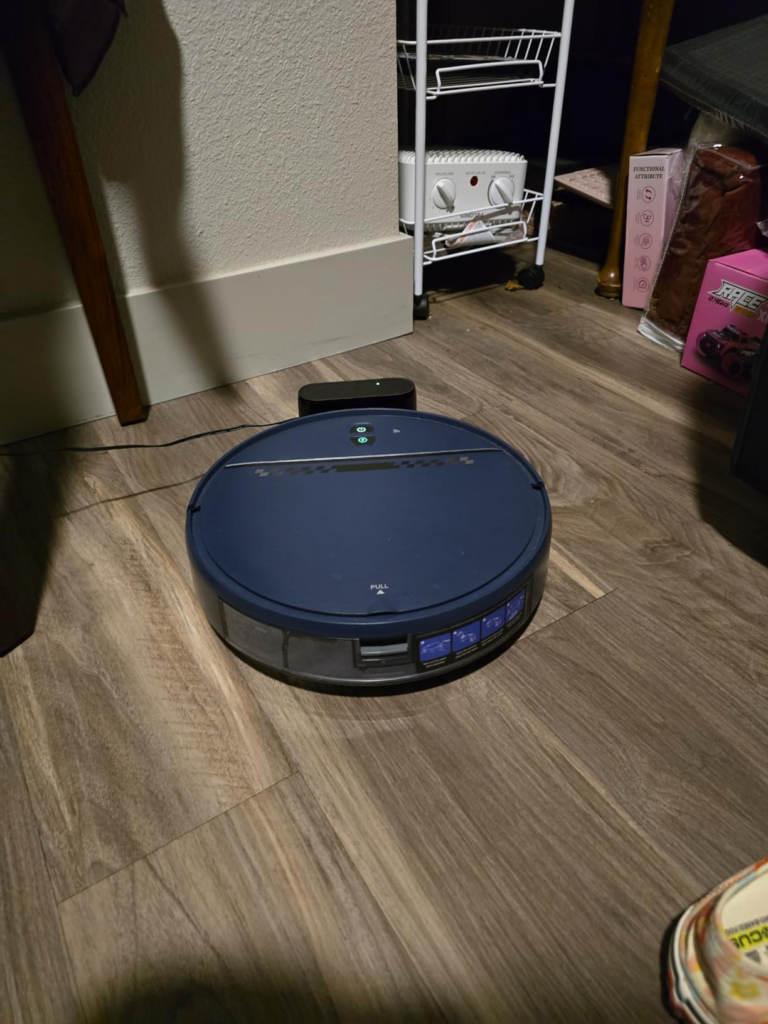
Pet Hair, Crumbs, and Daily Drift: What You’re Actually Feeling but Not Naming
If you’ve ever felt a low-grade irritation at your own floor — not dirty enough to complain about, not clean enough to feel good about — you’re not imagining it. That feeling has a name: maintenance drift. It’s the gap that opens up between cleaning sessions, and it’s worse in homes with pets, because shedding doesn’t wait for your schedule.
What I was actually annoyed by, before I had language for it, was this: I didn’t mind vacuuming. I minded re-vacuuming the same five square feet of kitchen tile every single day because my dog walks through it twelve times before noon. That’s not a cleaning problem. That’s a frequency problem. And frequency is the one thing a robot is actually built to solve, because it doesn’t get tired of doing the same five square feet.
Tuya App and 2.4GHz Wi-Fi: The Hidden Mechanism Behind the Miss
This is the part most listings won’t tell you outright, and it’s the single most common reason people report the ZC WAS “not working” in the first hour: the companion app only connects over a 2.4GHz Wi-Fi signal. If your router broadcasts a combined or 5GHz-only network — which most newer mesh routers do by default — the app will search and simply never find the unit. It isn’t broken. It’s listening on a frequency your network may not be offering.
I found this pattern echoed across owner forums before I ever opened my own box: people stuck in setup, the app stuck “searching,” a docking station that may or may not have shipped with the unit depending on the seller. None of that is dramatic. All of it is avoidable if you know to look for a 2.4GHz network name before you start, rather than after you’ve already decided the thing is defective.
The second hidden mechanism is more interesting, and nobody puts it on the box: the ZC WAS isn’t really one product. It’s a shared hardware platform — internally referenced as the BR151 — sold under a long list of different storefront names.
| Brand name on Amazon | Same base hardware |
|---|---|
| ZC WAS / ZCWA | BR151 |
| MAMNV | BR151 |
| ONSON | BR151 |
| MANVN | BR151 |
| iMartine | BR151 |
| XIEBro Life | BR151 |
| Kilgone (G20) | BR151 |
| MANVINS (G20) | BR151 |
This matters more than it sounds like it should. It explains why “different” robot vacuums at wildly different prices share identical replacement filters, brushes, and mop pads. It also explains the price behavior you’ll see if you shop around: the same unit gets listed at a high “original” price and then discounted 70–80% under one brand name, while a near-identical version sells at a flat lower price under another name. The discount isn’t really the deal. The unit itself is the deal, whatever name is printed on the box that week.
Square Footage and Carpet Pile: The Threshold Where the Outcome Quietly Breaks
Every machine has a point where it stops doing what the listing photo implies. For the ZC WAS, that point isn’t dramatic — it’s a slow fade, not a wall. Here’s where I watched it happen in my own home and in the pattern of complaints I read elsewhere.
| Condition | What actually happens |
|---|---|
| Hard floor, light-to-moderate pet hair | Handles it well; this is the core use case |
| Low-pile carpet or rugs | Picks up surface debris fine; doesn’t deep-clean embedded dirt |
| Medium-to-high-pile carpet | Suction (rated around 2300Pa) struggles to lift anything beneath the surface fibers |
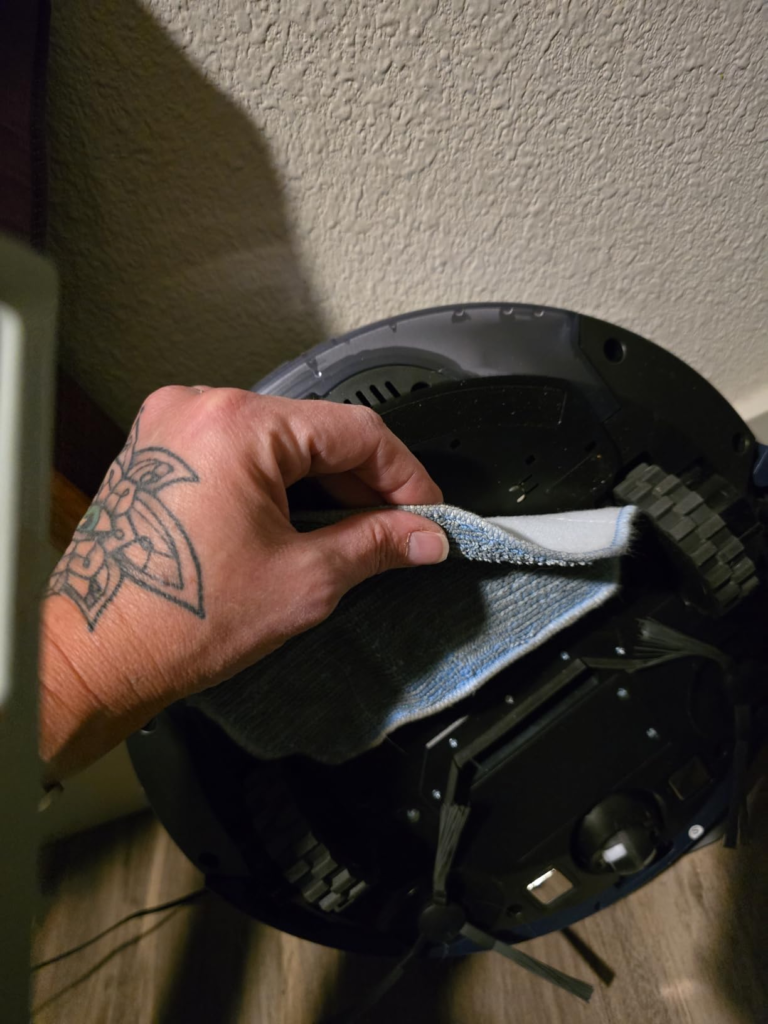
| Homes over roughly 1,300–1,900 sq ft on one charge | Battery (around 100 minutes) finishes before the floor does; expect a mid-clean recharge pause |
| 5GHz-only or mesh Wi-Fi networks | App setup fails until a 2.4GHz network is available or created |
| Alexa-based smart homes | This 2.87″ model pairs with Google Assistant; it does not support Alexa |
| Wanting app-based room mapping or no-go zones | Not available — navigation is sensor-and-pattern based (Auto/Edge/Zig-zag), not LiDAR mapping |
None of this makes the machine bad. It makes it specific. The threshold is the line between “this solves my actual problem” and “this was never built to solve my actual problem,” and almost every disappointed review I found sits on the wrong side of one of these rows — not because the vacuum failed, but because the expectation was set for a different category of device entirely.
Robot Vacuum Reviews vs. Reality: Why Most Buyers Misread This Too Early
The fastest way to misjudge a budget robot vacuum is to compare it to a $700 LiDAR-mapped flagship on spec sheet alone, see the suction number is lower, and assume that settles it. It doesn’t. Suction rating tells you almost nothing about real-world pickup on a hard floor, because pickup is a function of inlet width, brush design, and surface contact — not a single pressure figure printed in a bullet point.
The second misread is treating “robot vacuum” as one category with one job. A mapped, self-emptying $700 unit is built to replace your vacuum entirely. A slim $100–150 unit like this one is built to run interference between deep cleans — daily upkeep, not weekly deep work. Judging the second against the job of the first is how a perfectly competent budget machine ends up with a one-star review that actually describes a mismatched expectation, not a broken product.
Hard Floors, Pets, Small Spaces: Who Is Actually Inside This Problem
I keep coming back to one question when I evaluate a tool like this: who is the floor actually fighting? For the ZC WAS, the honest answer is a fairly specific household.
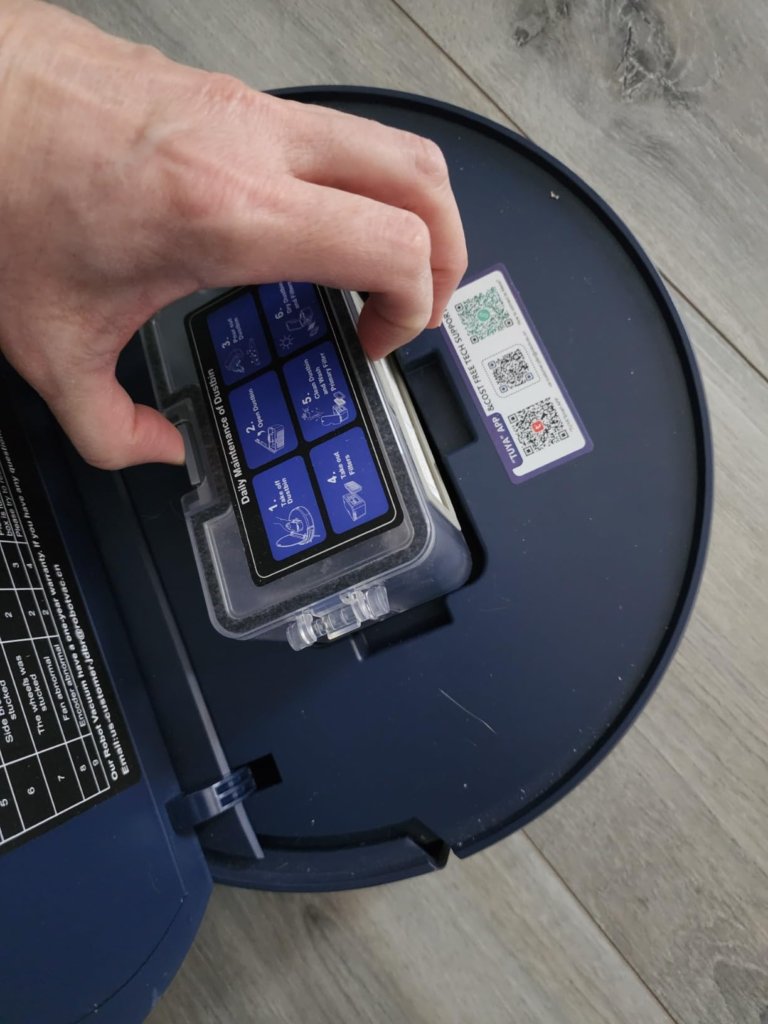
You’re likely the target user if your home is mostly hard flooring — tile, laminate, hardwood — with maybe one or two low-pile rugs. You have a pet that sheds daily, or kids who drop crumbs faster than you can sweep them, and what you want isn’t a deep clean, it’s a floor that never gets the chance to look bad in the first place. You also care about clearance: a lot of furniture in real homes sits lower than people expect, and the 2.87-inch height here is genuinely the difference between a robot that reaches under the bed frame and one that bumps into it and gives up.
Thick Carpet and Alexa Homes: Where Wrong-Fit Begins
The other side of that same question is just as important. If your home is carpeted wall-to-wall, especially in medium or high pile, this isn’t your tool — you’ll be disappointed at a structural level, not a quality-control one. If your whole smart home runs on Alexa and you specifically need voice control through it, the 2.87″ ZC WAS model will frustrate you, because it speaks Google Assistant only. And if what you actually want is an app that remembers your floor plan, draws no-go zones around the dog bowl, and resumes a mapped clean exactly where it left off — that’s a LiDAR-navigation feature set, and it isn’t what this platform offers at this price point.
| You’re a good fit if… | You’ll likely regret it if… |
|---|---|
| Mostly hard floors, light carpet at most | Wall-to-wall medium/high-pile carpet |
| Want daily upkeep, not a deep-clean replacement | Expect it to replace your main vacuum entirely |
| Have a 2.4GHz Wi-Fi option available | Your network is 5GHz-only or hard to reconfigure |
| Use Google Assistant or just the app/remote | Need Alexa specifically |
| Want low clearance for under-furniture access | Want app-based mapping and no-go zones |
ZC WAS Robot Vacuum and Mop Combo: The One Situation Where This Product Becomes Logical
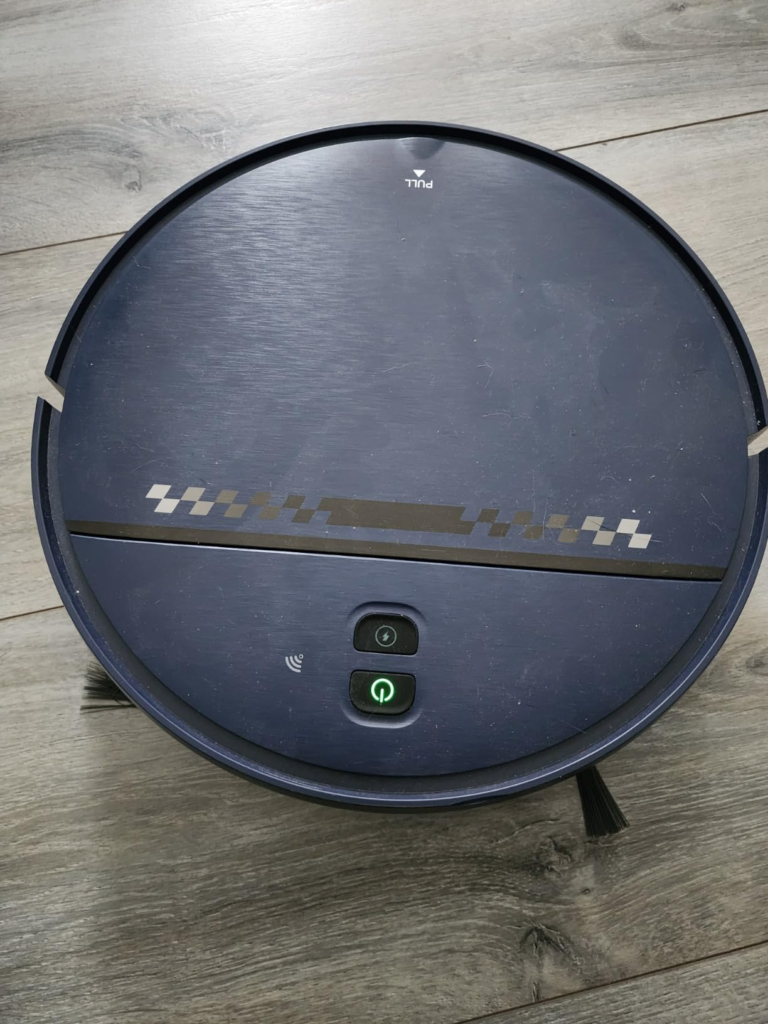
If you’ve read this far and recognized your own floor in the first column more than the second, here’s where the recommendation actually lands — not as a sales pitch, but as the conclusion the evidence has been pointing toward the whole time. For a household with mostly hard flooring, a shedding pet, a 2.4GHz Wi-Fi band available, and a budget that doesn’t stretch to a $600 mapped system, the ZC WAS Robot Vacuum and Mop Combo is a logical daily-maintenance purchase. Not because it’s flashy. Because the gap it’s built to close — the daily drift between deep cleans — is exactly the gap most hard-floor, pet-owning households actually have.
Suction, Mopping, and Maintenance: What It Solves, What It Reduces, and What It Still Leaves to You
| It solves | It reduces | It still leaves to you |
|---|---|---|
| Daily dust and crumb buildup on hard floors | Visible pet hair drift along baseboards | Deep cleaning embedded dirt in carpet |
| The “did I vacuum today” mental load | Frequency of full manual vacuuming sessions | Removing the mop pad before any carpet pass |
| Light surface mopping on tile/laminate | Time spent on repetitive small-area cleanup | Periodic emptying of the 200ml dust box and refilling the 230ml tank |
| Under-furniture access (2.87″ clearance) | Need to check Wi-Fi band and remote/app setup |
ZC WAS Robot Vacuum FAQ: The Questions Buyers Actually Ask
| Question | Answer |
|---|---|
| Does the ZC WAS Robot Vacuum work on carpet? | It works on low-pile carpet and rugs for surface debris. It’s not designed to deep-clean medium or high-pile carpet — the suction simply isn’t built for that depth. |
| Why won’t the app find my robot vacuum? | This is almost always a Wi-Fi band issue. The Tuya app only pairs over 2.4GHz. If your router broadcasts 5GHz or a combined band, switch to or create a 2.4GHz network name before pairing. |
| Does it support Alexa? | The 2.87″ slim ZC WAS model pairs with Google Assistant, the app, and the included remote — it does not support Alexa. Other ZCWA-family listings vary, so check the specific listing if Alexa control is a requirement. |
| Will it replace my regular vacuum? | For hard floors and light carpet, it can replace daily vacuuming. For deep carpet cleaning or very messy homes, it’s a supplement to your main vacuum, not a substitute for it. |
| Why is the price so much lower than the listed “original” price? | This platform is sold under multiple brand names with shared parts, and listings often show a steep discount off an inflated reference price. Judge it by the current price you’d actually pay, not the crossed-out number. |
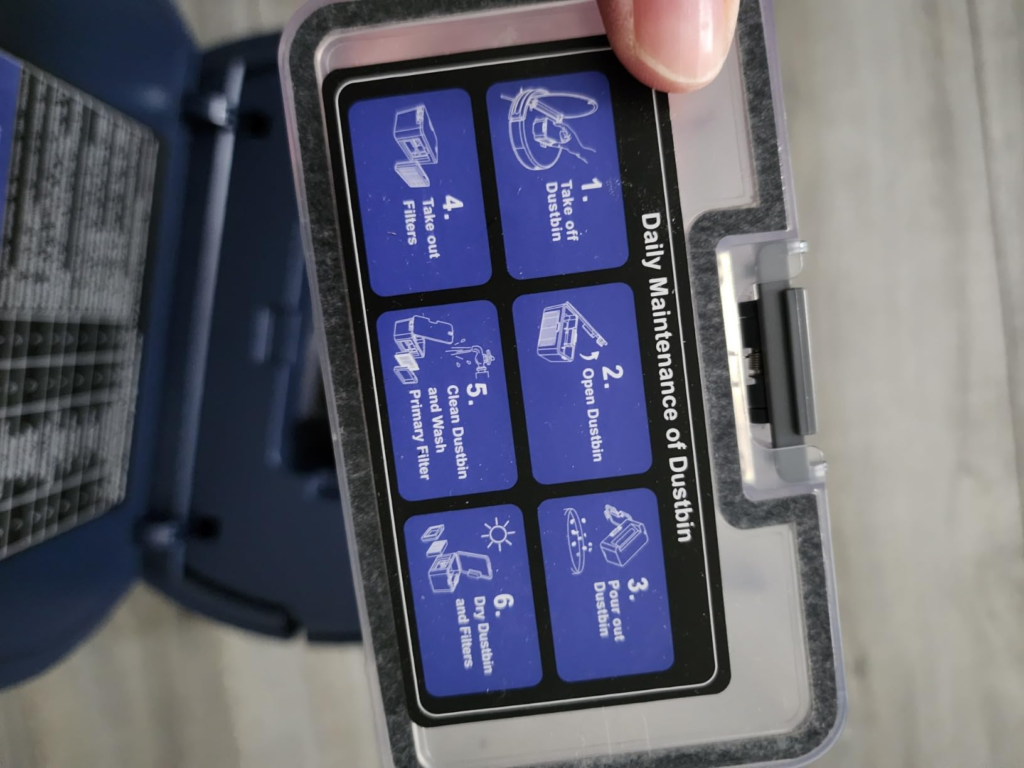
| Will pet hair tangle the brush? | The wide, low-profile suction inlet is built specifically to avoid hair wrap, which is one of the more consistently praised features across owner feedback. |
Final Decision: ZC WAS Robot Vacuum Review Compression
Strip away the spec sheet and it comes down to one question: is your floor’s actual enemy daily drift, or deep-set dirt? If it’s drift — hard floors, a shedding pet, crumbs that reappear faster than you’d like to deal with — the case for this machine is already made by your own routine. If it’s deep-set dirt in thick carpet, no amount of app polish changes the physics, and you’d be solving the wrong problem.
If your situation is the first one, this is where the decision stops being vague:
Transparency Note:
This analysis is built on aggregated real-world experience.
It extracts what repeatedly holds, what breaks, and what users uncover only after living with the system—then shapes it into a clear model you can use immediately.
Think of it as structured experience, refined and presented so you don’t have to learn it the hard way.
“A quick note: Don’t believe the star ratings, but trust personal experience. This article is a compilation of collected experiences.”