Meross MSG100HK
The Result Looks Fine. The Problem Isn’t.
The Meross app says “Closed.” The solid green icon sits there calmly on your phone screen at 11:47 PM. Logic tells you everything is fine. The door did close—you heard the motor stop. But you’re still lying in bed running a mental replay of the exact sound it made. Did it thud shut cleanly, or was there a half-second pause that didn’t sound right?
You check the app again. Still “Closed.” The technology has delivered on its promise. The problem is, your brain hasn’t accepted it. That lingering doubt isn’t a malfunction of the hardware. It’s a friction point almost no one names before buying a smart garage door opener. I’ve been living with the Meross MSG100HK for over four years, across three different doors, and I can tell you exactly where that friction comes from—and the one hidden condition that either makes this device a silent workhorse or a source of quiet frustration.
What You’re Actually Feeling but Not Naming
You call it forgetfulness. You joke about “senior moments” when you turn the car around to double-check the door. But what you’re actually feeling is a specific, recurring mental tax: the gap between a displayed status and the physical truth you can’t verify right now. The garage door becomes a black box—you see data, but you don’t fully trust the sensor. A cloud of “what if the magnet slipped” hovers every night. This isn’t irrational. It’s a rational response to not knowing where a cheap magnetic contact sits at this exact moment. When I first installed the Meross, I thought the anxiety would vanish the second the app worked. It didn’t. It shrank, sure, but it didn’t disappear until I understood what feeds it—and what breaks it.
The Hidden Mechanism Behind the Meross MSG100HK’s Miss
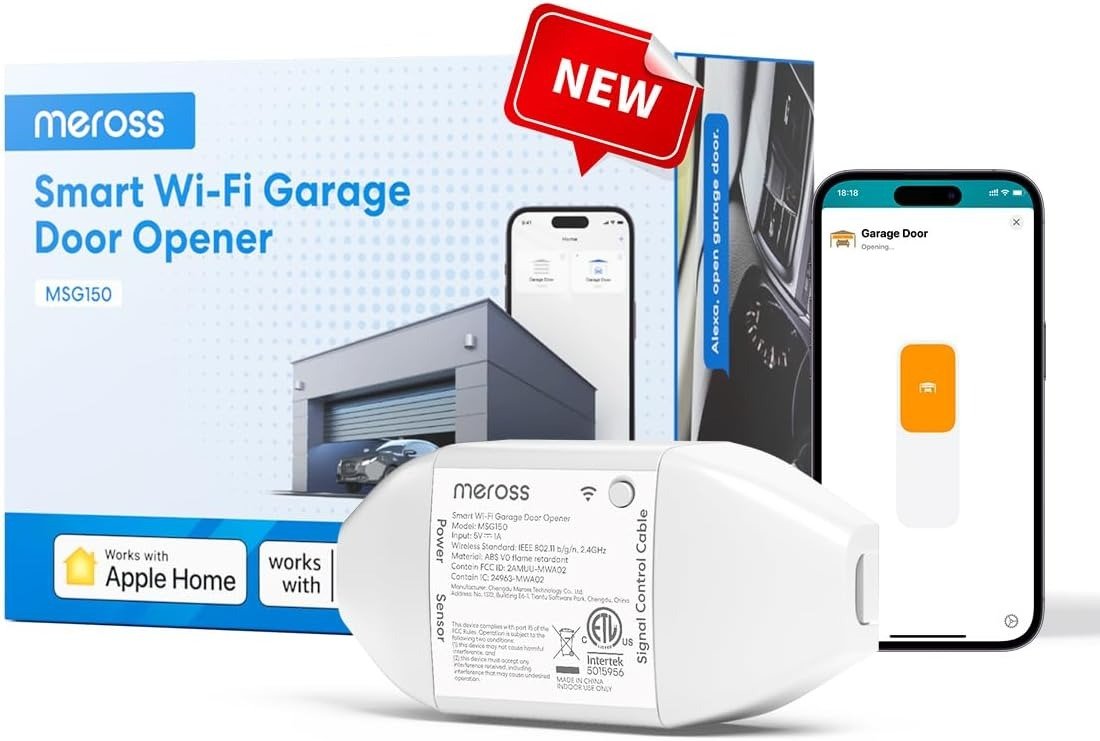
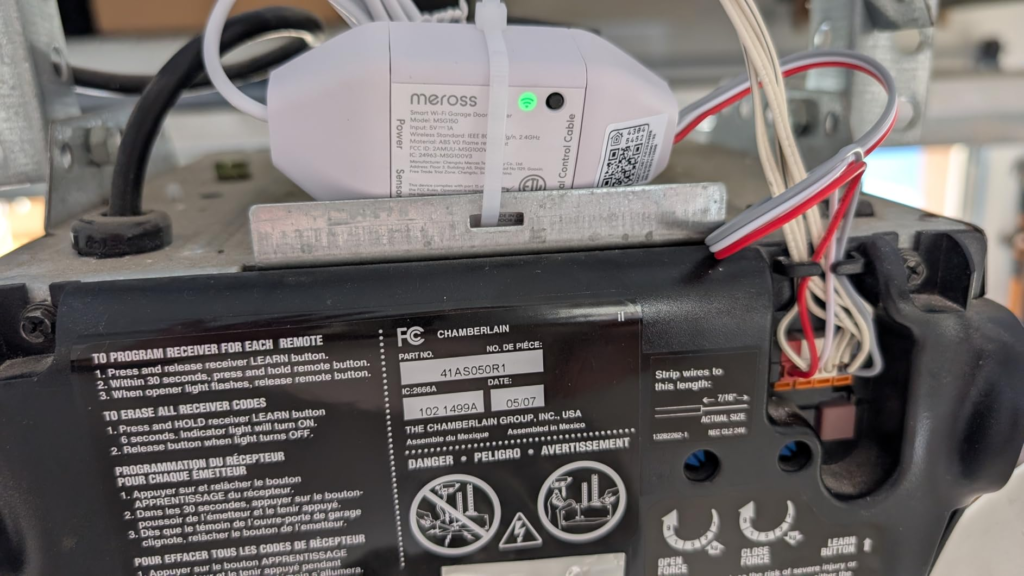
The Meross MSG100HK itself is not unreliable. The wired sensor is, in principle, far more precise than battery-powered wireless alternatives. The device connects directly to your opener’s terminals—the same ones your wall button uses—and mimics a simple electrical pulse. No cloud dependency for basic open/close commands. No monthly fee. So why do some users end up disappointed?
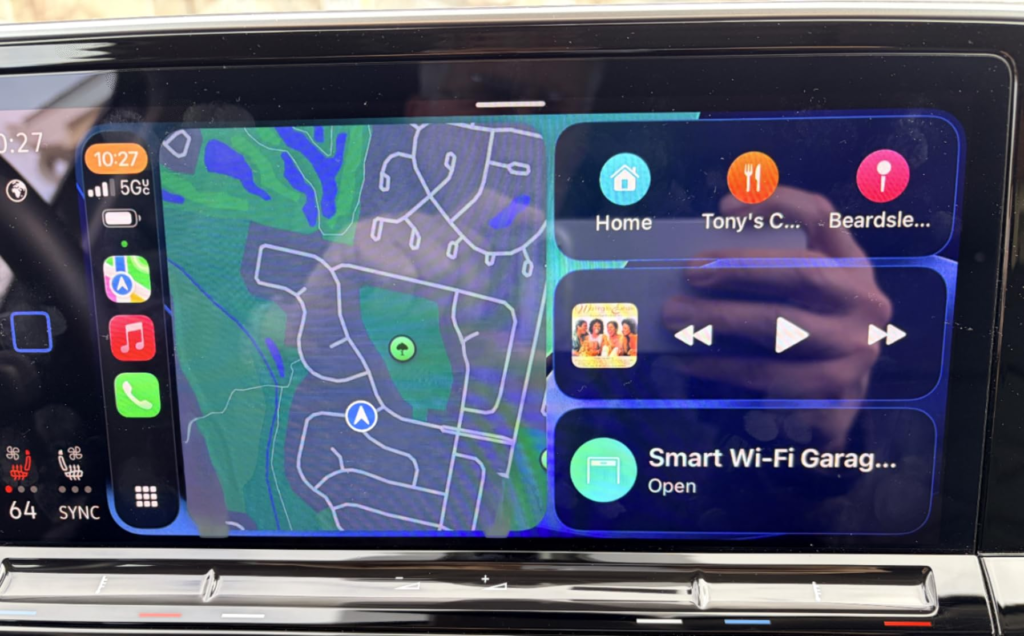
There’s a silent requirement that escapes the product page. If you bought the HomeKit version—the MSG100HK with the “Works with Apple HomeKit” badge—you likely assumed you could ask Siri to open the door from the highway, or share access with your family seamlessly. That assumption is the trap. To use HomeKit remotely, you must have an Apple Home Hub in your house: an Apple TV, a HomePod, or an iPad that never leaves the home. Without it, Siri only works when your phone is on the same Wi-Fi network. The Meross app itself gives you full remote access without a hub, but if you anchored your purchase decision on voice control and the Apple Home ecosystem, you’ll feel misled. That missing hub is the mechanism that silently invalidates the feature you thought you were buying.
The Threshold Where the Meross Outcome Quietly Breaks
There are two precise thresholds where the smooth experience stops and the old anxiety floods back.
The first is the Home Hub absence. Cross into a scenario where you’re away from home and try to ask Siri, “Is my garage door open?” Nothing happens. The system doesn’t explain itself. You’ll mutter, reset, and then eventually discover the hub requirement buried in an Apple support page. At that moment, the Meross stops being a frictionless HomeKit accessory.
The second threshold is physical. The wired magnetic sensor that makes the Meross so accurate also demands alignment. The magnet must sit within about an inch of the wired contact when the door is closed. If the bracket shifts—from vibration, from a bumped car, from temperature change—the app will report “Open” when the door is physically shut, or worse, “Closed” when it’s actually open. I’ve had to adjust the sensor twice in four years. Each time, my trust reset to zero for a week. If you don’t have the patience for that small maintenance task, the Meross outcome quietly breaks under your own reluctance to check the hardware.
Why Most Buyers Misread the MSG100HK Too Early
The purchase decision usually happens in a 10-minute window. You see “HomeKit compatible” and a $45 price tag. You compare it to a $150 iSmartGate Pro or the HomeKit-less MyQ. You think, “This is a steal.” And in many ways, it is. But the early misread isn’t about the price—it’s about underestimating the total integration cost. If you don’t own an Apple Home Hub, that $45 can become a $145 decision once you buy a HomePod mini just to make Siri work remotely. That changes the value proposition entirely. You misread the device because you didn’t yet know which ecosystem demands you’d place on it.
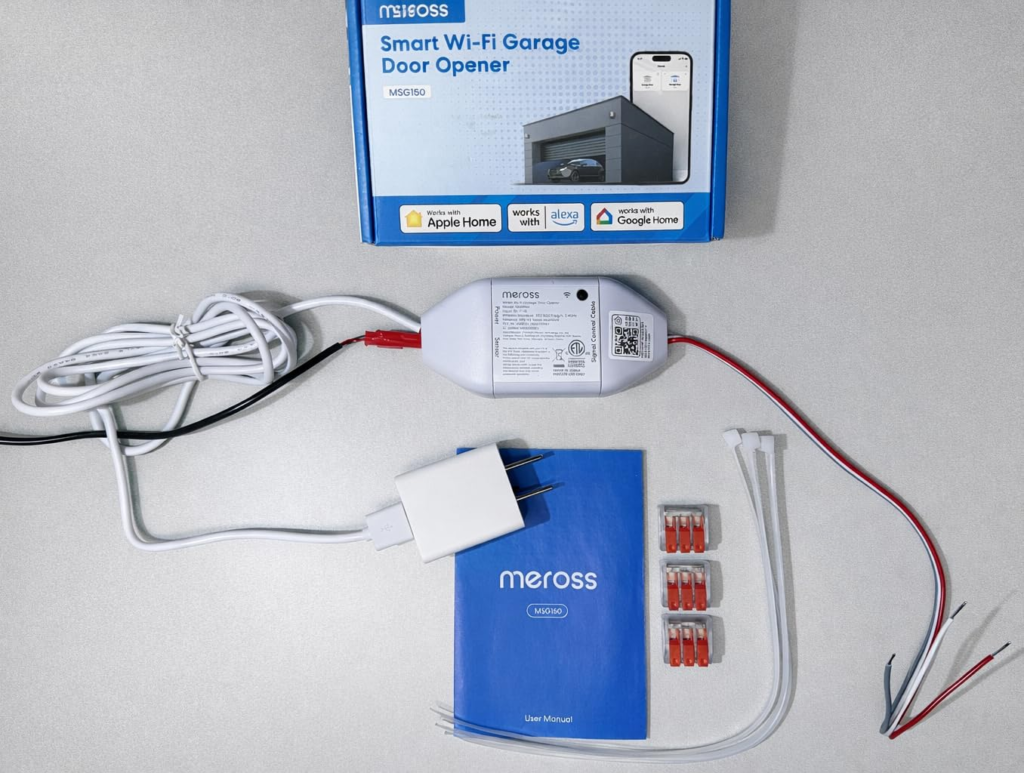
Another early misread: expecting a plug-and-play experience akin to a smart bulb. Wiring two wires to your opener’s GND and PB terminals is simple, but if the thought of opening the opener’s case makes you nervous, you’re not the right fit.
Who Is Actually Inside This Meross Problem
You are inside the true-fit group if any of the following describes you:
- You have an older garage door opener and want to add smart control without replacing the entire unit.
- You already own an Apple Home Hub, or you’re perfectly happy using the Meross app for remote access and notifications—no Siri required.
- You experience a genuine, recurring anxiety about the door’s status, not just a fleeting curiosity.
- You’re willing to align a magnetic sensor once, and check it if odd statuses appear.
If you check those boxes, the Meross MSG100HK fits your life as neatly as it fits onto the opener’s terminals.
Where Wrong-Fit Begins for the Meross Garage Opener
Now the honest exclusion zone. You will likely regret this purchase if:
- You rely on Siri remote control and absolutely refuse to buy an Apple Home Hub. The device will feel broken to you, even though it isn’t.
- You have young children or pets who play in the garage, and you expect the Meross to stop the door if something is in the way. It won’t. There’s no obstacle detection. It only reads open/closed. Your existing safety sensors remain the sole protection.
- Your garage sits too far from your router with only a 5GHz signal. The Meross needs 2.4GHz, and while an extender can fix this, you’ll need to add it to the cost.
- You have a newer Chamberlain/LiftMaster opener with Security+ 2.0 rolling code and you’re not willing to contact Meross support for the required accessory remote. The process works, but it’s an extra step many find irritating.
Boundaries drawn clearly: if you fall into these wrong-fit groups, there’s no shame in walking away. The product wasn’t built for your exact combination.
The One Situation Where the Meross MSG100HK Becomes Logical
Here is the precise situation where the Meross flips from “maybe” to “the only logical choice.”
You have a compatible opener. You accept the wiring step. You already have an Apple Home Hub—or you’re perfectly fine using the Meross app for remote open/close without HomeKit. Your Wi-Fi reaches the garage on 2.4GHz. You don’t mind aligning a small magnet once in a blue moon. And you refuse to pay a monthly subscription for something as basic as telling you if your own door is open.
In that exact combination, the Meross MSG100HK is unmatched. The notifications are instant. The auto-close timer at night removes the need to ever check again. The local control means the device works even if your internet blinks out. No monthly fee, no cloud dependency for core functions, and a proven record of working for years with minimal fuss. I’ve used it on a 20-year-old Craftsman and a modern opener. It simply does what it says.
It’s not a perfect product. But in this one situation, it’s the right product.
What the Meross Solves, What It Reduces, and What It Still Leaves to You
| Solves | Reduces | Still leaves to you |
|---|---|---|
| The nightly “did I close it” thought loop. | The need to carry a separate remote. | The initial wiring (15–30 minutes). |
| The drive-back-to-check panic. | The cost of a professionally installed smart opener. | The responsibility to request the free accessory if your opener uses Security+ 2.0. |
| The lack of remote visibility when you’re on vacation and a neighbor asks if the garage looks open. | The temptation to accept a subscription-based system just to get a simple status update. | The sensor alignment and the periodic glance to see if the bracket moved. |
| The Meross gives you a single source of truth you can actually trust—once the sensor is aligned. | The purchase of a Home Hub if you insist on remote Siri. |
No product removes all responsibility; this one just shrinks it to a manageable, infrequent task list.
Final Compression
You started with a vague unease about your garage door. You now know it’s not forgetfulness—it’s a gap between data and physical truth that only a few smart devices can bridge. The Meross MSG100HK bridges it, but only if you land squarely inside the fit we’ve mapped.
If you have an Apple Home Hub and a 2.4GHz network reaching your garage, or you’re content using the Meross app without HomeKit, your decision is already made. The cost of delaying isn’t the $45 price tag. It’s another year of that 3 AM stare at the ceiling, wondering.
One forward action: Confirm your opener model, check your Wi-Fi band, and if you’re inside the boundary, get the Meross MSG100HK. The path is clear.
Transparency Note:
This analysis is built on aggregated real-world experience.
It extracts what repeatedly holds, what breaks, and what users uncover only after living with the system—then shapes it into a clear model you can use immediately.
Think of it as structured experience, refined and presented so you don’t have to learn it the hard way.
“A quick note: Don’t believe the star ratings, but trust personal experience. This article is a compilation of collected experiences.”