ADT SELF SETUP PREMIUM PACKAGE: YOU THINK YOU’RE PROTECTED. THE GAP IS IN WHAT YOU HAVEN’T TRIGGERED YET.
Most people who buy a home security system feel safer the moment the box arrives. The sensors go up. The hub lights blink green. The app connects. The monitoring subscription activates. And then — nothing happens. Which is exactly the problem.
“Nothing happened” is not the same as “it worked.”
The ADT Self Setup Premium Package is one of the most purchased DIY home security systems in the U.S. right now. It carries the weight of 150 years of ADT’s brand history, it integrates with Google Nest hardware that genuinely impressed testing teams, and its monitoring infrastructure is, by most credible measures, among the most robust in the consumer segment. Home alarm systems now protect over 39 million U.S. households, and ADT sits at the top of that stack.
But here’s the friction point no review page names clearly enough: the Premium Package is not a complete security system out of the box for every home. It is a platform. And platforms fail at boundaries — specifically at the boundary between what you assumed it covers and what it actually covers given your layout, your pets, your Wi-Fi, and your monitoring plan selection.
The buyers who regret this purchase are not the ones who got bad hardware. They’re the ones who crossed a threshold they never saw marked.
The Result Looks Fine. The Problem Isn’t.
You installed it. The keypad arms cleanly. The sensors pair. You get a notification on your phone when the front door opens. You run a test, the monitoring center calls within 45 seconds. Everything looks operational.
And it is — for the scenario you tested.
Entry sensor batteries in the ADT Self Setup system only last two years, whereas most competitors can last up to five years. That’s not a defect you’ll notice on day one. It’s a degradation that happens silently, and when it crosses the low-battery threshold, the sensor can trigger a false alarm — not a low-battery warning, an alarm — before you’ve had a chance to act.
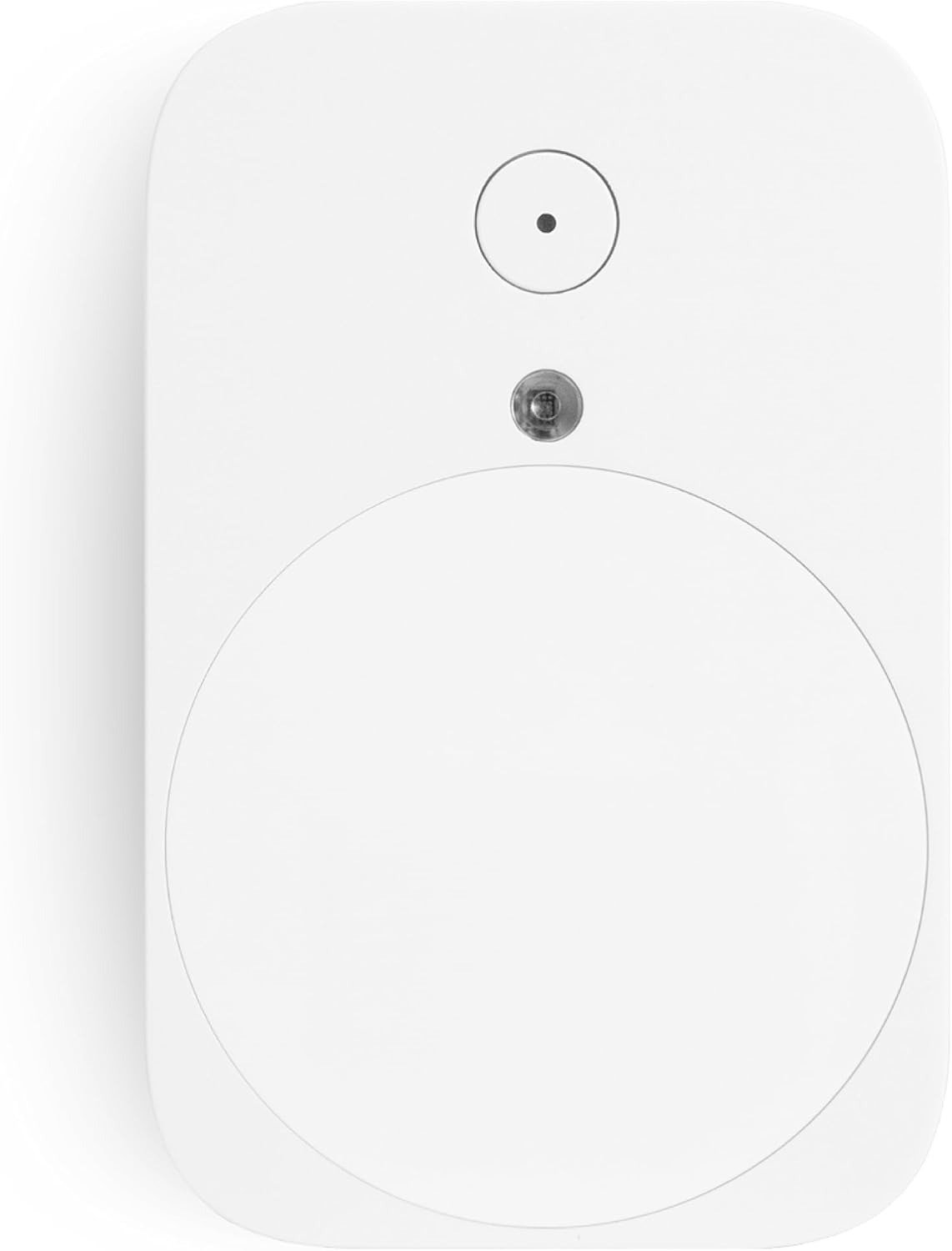
When indoor temperatures fluctuate dramatically, a PIR motion sensor might misinterpret thermal changes as movement. A sudden blast from an HVAC system or direct sunlight hitting the sensor can also create false positives. Appliances that emit heat like refrigerators, AC units, and even lamps can also trigger false alarms.
So the system is working. It’s detecting heat differentials. That’s exactly what it’s designed to do. The result looks like a malfunction. The mechanism is functioning perfectly. Those are not the same thing, and most buyers conflate them until they’ve logged their third false alarm at 2 a.m.
What You’re Actually Feeling But Not Naming
There’s a specific kind of annoyance that develops after the first few weeks with a DIY home security system that no marketing copy ever prepares you for. It’s not dissatisfaction with the product exactly. It’s the friction of ownership — the gap between what the product does when you manage it attentively, and what it does when you live your normal life around it.
You start adjusting things. Lowering the sensitivity. Moving sensors. Creating exclusion zones in the app. You’re not fixing a broken system. You’re calibrating a system that was never pre-calibrated for your specific home.
ADT’s PIR motion sensor detects anything with body heat that moves. If you have small children or pets, lowering the sensitivity on the back of the sensor is recommended to avoid false alarms. At the lowest setting, ADT’s motion sensor can ignore pets up to 85 pounds.
That’s useful. But it requires you to know that setting exists. It requires you to physically access the sensor. It requires knowing where to place the sensor so that lowered sensitivity still gives you useful coverage. None of that is difficult — but it’s all on you. And the moment you’re in that position, you’re no longer using a plug-and-protect system. You’re configuring a security platform.
That distinction matters enormously. Because the threshold at which this system delivers on its promise is the threshold at which you have made it work correctly for your home. Not when it arrived. Not when it powered on.
The Hidden Mechanism Behind the Miss
The ADT Self Setup Premium Package is built on a three-layer architecture that most buyers only interact with one layer of:
| Layer | What It Is | What Most Buyers Actually Configure |
|---|---|---|
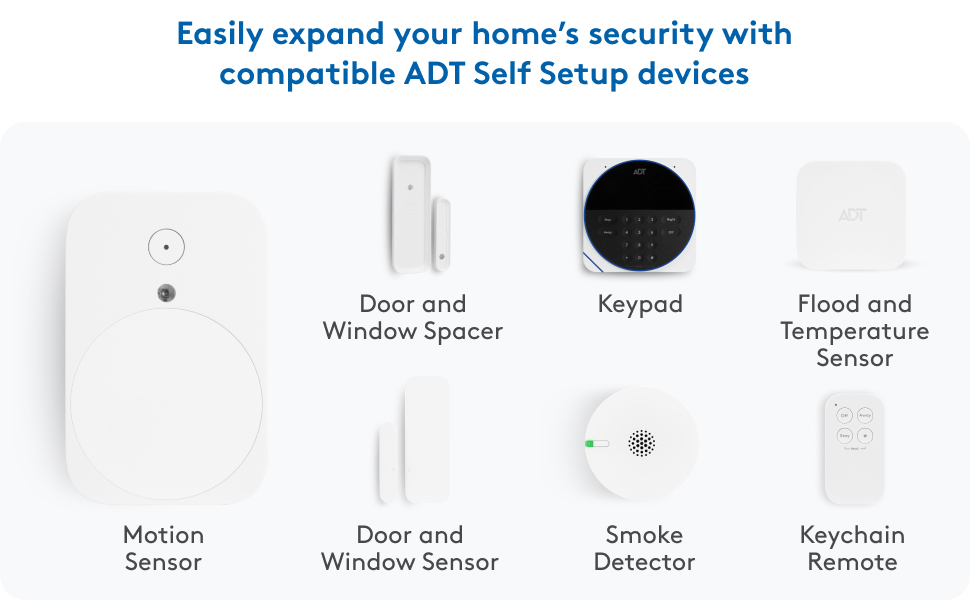
| Hardware Layer | Base station, motion sensors, door/window sensors, keypads | ✅ Almost always set up |
| Connectivity Layer | Wi-Fi dependency, cellular backup, Google integration, ADT+ app | ⚠️ Partially — often incomplete |
| Monitoring Layer | Professional monitoring plan tier, video verification, alarm response | ❌ Frequently mismatched to equipment |
The connectivity layer is where most silent failures live. Notifications, remote control, video streaming, and video recording require working internet, Wi-Fi, a Google Account and Google Home app linked to the ADT+ app. The cellular backup exists and is real — the ADT system has a 24-hour battery backup and can communicate with the monitoring center using a cellular signal during a power outage. But if your Wi-Fi goes down, you lose the app interface, video feeds, and real-time alerts — and you may not know the system switched to cellular backup until the next morning.
The monitoring layer mismatch is more consequential. Cameras require the Complete plan starting at $39.99/month. Smart devices need the Smart plan starting at $34.99/month. Sensor-only systems start with the Secure plan starting at $24.99/month. Buyers who purchase the Premium Package — which includes Google Nest hardware — and subscribe to the base Secure plan at $24.99 are running cameras without cloud storage, without video verification, and without the features that make the camera hardware worth owning.
The system doesn’t warn you about this mismatch. It continues operating. It just operates at a fraction of its designed capability.
The Threshold Where the Outcome Quietly Breaks
The Performance Threshold of the ADT Self Setup Premium Package:
The system delivers its full intended value only when all three of the following conditions are met simultaneously:
- Monitoring plan matches installed equipment — cameras require the Complete plan ($39.99/month), not the base Secure plan
- Sensors are placed and calibrated for your specific home layout and pet/occupant profile — default placement covers standard scenarios, not your actual environment
- Wi-Fi reliability is high enough to sustain the connectivity layer — cellular backup exists but degrades the experience significantly
When all three conditions are met, the ADT Self Setup Premium Package performs as one of the strongest DIY systems available. ADT’s Alarm Verification system, using text verification through ADT Alarm Messenger, has reduced false alarms by more than 50%. The Google Nest integration is not decorative — it genuinely enables video verification that can speed police response when it matters. The 24/7 monitoring infrastructure is real.
When even one condition is misaligned, the system produces results that look like hardware failure but are actually configuration failure. And the buyer carries 100% of the responsibility for discovering that difference.
Why Most Buyers Misread This Too Early
The primary mistake is a comparison error. Buyers look at the ADT Self Setup Premium Package against Ring, SimpliSafe, or Vivint on a feature-count basis — and the comparison appears straightforward.
Feature Comparison: ADT Self Setup Premium vs. Key Competitors
| Feature | ADT Self Setup Premium | SimpliSafe | Ring Alarm Pro | Vivint |
|---|---|---|---|---|
| Professional Monitoring (base) | $24.99/mo | $22.99/mo | $20/mo | $24.99/mo |
| Contract Required | No | No | No | Yes |
| Google Nest Integration | ✅ Native | ❌ | ❌ | ❌ |
| Video Verification | ✅ (Complete plan) | ✅ (Pro plan) | ✅ | ✅ |
| Pet-Immune Motion Sensor | ✅ (up to 85 lbs) | ✅ | ✅ | ✅ |
| Cellular Backup | ✅ | ✅ | ✅ | ✅ |
| Entry Sensor Battery Life | ~2 years | Up to 5 years | ~3 years | ~5 years |
| Installation Time | ~1-2 hours | Under 1 hour | Under 1 hour | Professional only |
| Return Window | 30 days | 60 days | 30 days | Varies |
The battery life column and the warranty column are the two most ignored data points in every early-stage comparison. ADT Self Setup has a one-year warranty on its items and a 30-day money-back guarantee, compared to SimpliSafe’s 60-day money-back guarantee and three-year warranty.
A buyer choosing based on brand credibility and Google integration — both legitimate reasons — may not realize they’re also choosing shorter sensor longevity and a shorter coverage window on defects. Those aren’t disqualifying factors. But they’re real costs that don’t show up in the initial purchase price.
The feature comparison that matters isn’t which system has more hardware in the box. It’s which system requires the least ongoing intervention from you to maintain its protection level. That answer depends entirely on your home, your habits, and your willingness to calibrate.
Who Is Actually Inside This Problem
The ADT Self Setup Premium Package is the right system for a specific person. That person is not “anyone who wants home security.” That framing is where most buyers go wrong.
The buyer this system was designed for:
| Profile Variable | Right-Fit Profile |
|---|---|
| Home size | Medium to large homes where single-zone sensor coverage is insufficient |
| Smart home orientation | Already using or planning to use Google Nest ecosystem |
| Monitoring preference | Wants professional monitoring, not self-monitoring |
| Budget structure | Comfortable with $34.99–$39.99/month ongoing (not $24.99 base) |
| Installation comfort | Willing to spend 1–2 hours calibrating, not just plugging in |
| Pet situation | Has pets under 85 lbs and willing to adjust sensor sensitivity manually |
| Wi-Fi reliability | Has stable, consistent home Wi-Fi — not reliant on hotspot or satellite |
| Insurance context | Interested in the 15–30% homeowners insurance premium reduction that monitored systems can trigger |
Having children at home (81%), owning valuable possessions (45%), and frequent travel (32%) are the top three circumstances that motivate homeowners to invest in security systems. If your motivation is in that list and your profile matches the table above, you’re inside the problem this system solves.
Where Wrong-Fit Begins
There are three specific buyer profiles that should not start here — not because the product is bad, but because the mismatch will produce frustration that gets attributed to the hardware when it’s actually structural.
Profile 1: The Budget-First Buyer
ADT Self Setup doesn’t require monitoring, but given that professional monitoring is one of ADT’s strongest selling points, there is little reason to go with ADT Self Setup if you’re not going to have ADT monitor your security system. If you’re planning to self-monitor to avoid the monthly fee, you’re buying a $419 system to use as a local alarm — which is not wrong, but it’s not what this system is designed for. The value architecture assumes monitoring subscription revenue will offset the equipment cost and activate the features that justify the price.
Profile 2: The Set-and-Forget Buyer
If your expectation is that the system runs autonomously without periodic calibration, sensor repositioning, or app management, you will hit the false alarm threshold inside three months. Alignment issues between door/window sensors and their magnets aren’t rare events. Windows buckle. Doors sag. Checking the state of doors and windows every six months to a year is recommended to prevent false alarms. That’s a maintenance rhythm. If you’re not willing to perform it, the system will perform it for you — at 3 a.m., loudly.
Profile 3: The Renter in a Non-Stable Space
If you’re used to a touchscreen hub from systems like Vivint or Frontpoint, you may notice its absence in ADT Self Setup’s base packages. More relevantly, if you’re in a rental with restrictions on mounting hardware, temporary lease, or unstable Wi-Fi, the system’s installation requirements and connectivity dependencies will create ongoing friction that the hardware itself cannot resolve.
The One Situation Where the ADT Self Setup Premium Package Becomes Logical
After all of the above: there is one condition set where the ADT Self Setup Premium Package is not just good — it is structurally difficult to replace at its price point.
That condition set:
You own your home. You have pets. You’re already in the Google ecosystem. You want professional monitoring without a multi-year contract. You want the credibility of ADT’s monitoring infrastructure without the $100–$200 professional installation fee. And you’re buying a system where the long-term cost structure matters — not just the box price.
Here’s what that actually costs, built honestly:
Total Cost of Ownership — Year 1 vs. Year 3
| Cost Item | Year 1 | Year 3 |
|---|---|---|
| Premium Package (hardware) | ~$419 | — |
| Complete Monitoring Plan ($39.99/mo) | $479.88 | $479.88 |
| Google Home Premium (included in plan) | $0 | $0 |
| Sensor battery replacement (2-yr cycle) | $0 | ~$20–40 |
| Optional add-on sensors | Varies | Varies |
| Annual Total | ~$899 | ~$520 |
| vs. Professionally Installed ADT | Saves ~$1,200 in install fees | Saves $10/mo in monitoring |
Cameras require the Complete plan. If you drop the Complete plan, you lose video storage and access to the ADT+ app. That’s not a subscription model that can be escaped without degrading the system. It’s architecture. Once you accept that the Complete plan at $39.99/month is the real price of this system, the value calculation becomes much cleaner — and for the right buyer, significantly more favorable than professional installation or competing platforms without native Google integration.
Installing a security system can reduce the risk of burglary by up to 60%. Homes with security systems see property value increases of up to 20%, depending on region and system quality. Security cameras covering entry points can prevent up to 60% of burglaries. Those numbers don’t change based on which monitoring company you choose. But they do require the system to actually be monitoring — which requires the right plan, the correctly calibrated sensors, and the maintained connectivity layer.
What It Solves, What It Reduces, and What It Still Leaves to You
What the ADT Self Setup Premium Package genuinely solves:
| Solved Problem | How It’s Solved |
|---|---|
| No-contract professional monitoring | Month-to-month subscription, cancel after first month |
| Google Nest ecosystem gap | Native ADT+ and Google Home integration |
| Installation cost | Full DIY setup, documented at under 2 hours |
| Pet false alarms | Adjustable PIR sensitivity, ignores up to 85 lbs |
| Power/internet failure coverage | 24-hour battery backup + cellular signal fallback |
| Insurance premium reduction | Documented monitored systems qualify for 15–30% discounts |
| Video verification for faster police response | Available on Complete plan with enrolled Nest cams |
What it meaningfully reduces but doesn’t eliminate:
- False alarm frequency (reduced 50%+ with ADT Alarm Messenger, not eliminated)
- Sensor calibration burden (reduced by app interface, not removed)
- Response time uncertainty (reduced by video verification, not guaranteed)
What remains entirely on you:
- Sensor placement strategy for your specific floor plan
- Monitoring plan selection that matches your actual installed hardware
- Battery replacement cadence for door/window sensors (every ~2 years)
- HVAC and heat-source management around motion sensor placement
- App maintenance: activity zones, ground zones, sensitivity adjustments
In 2023, most burglaries lasted under 10 minutes. Alarm response times can vary, and the average response time can take several minutes. The system closes that gap — but only when the monitoring layer is active, the connectivity layer is intact, and the hardware layer is correctly calibrated. All three. Simultaneously. That’s the condition of protection. Not the condition of ownership.
Final Compression
The ADT Self Setup Premium Package is not oversold. It is misread.
It is a professional-grade monitoring platform in a DIY installation form factor. The monitoring infrastructure is real. The Google Nest integration is the deepest available in the DIY segment. The pet sensitivity adjustment is one of the most practical features in its class.
But it is not a passive security blanket you buy, hang, and forget. It is a system that performs at its ceiling only when you have matched your monitoring plan to your equipment, calibrated your sensors to your environment, and maintained the connectivity dependencies that the feature set assumes.
If those conditions describe your willingness and your situation, this system is difficult to displace at its price point. The combination of ADT’s monitoring network, Google’s hardware ecosystem, no long-term contract, and a 30-day return window creates a risk profile that is genuinely reasonable for the right buyer.
One home burglary takes place about every 25.7 seconds on average. The average loss per burglary is around $2,661. At $39.99/month, the system costs roughly $480/year — less than 20% of one average burglary loss, with the statistical probability of that loss meaningfully reduced.
If you are already inside the condition set described in this article — you own your home, you have pets under 85 lbs, you’re in the Google ecosystem, and you want professional monitoring without a multi-year contract — the decision is not complex. The complexity was in getting to this point clearly.
That’s where the decision stops being vague.
Frequently Asked Questions — ADT Self Setup Premium Package
| Question | Answer |
|---|---|
| Does the ADT Self Setup Premium Package require a monthly subscription? | ADT requires a minimum of one month of professional monitoring with any package purchase. After that first month, you can self-monitor for free — but you’ll lose access to the ADT+ app, video storage, and video verification features. |
| Is the ADT Self Setup Premium Package compatible with Google Nest devices? | Yes. The Premium Package is built on a native ADT and Google partnership. The ADT Self Setup system is compatible with Google Nest products including Nest Doorbell, Nest Cam, Nest Thermostat, Nest Hub (2nd gen), and Nest Hub Max. |
| Can the motion sensor ignore my pets? | At its lowest sensitivity setting, ADT’s motion sensor can ignore pets up to 85 pounds. The sensitivity is adjustable on the back of the physical sensor itself. Pets over 85 lbs may still trigger the sensor at lower sensitivity settings depending on placement height and angle. |
| What happens if my Wi-Fi goes down? | Your |
“A quick note: Don’t believe the star ratings, but trust personal experience. This article is a compilation of collected experiences”