Why Home Security Still Feels Uncertain Until the Evidence Threshold Is Met
ANALYSIS FRAMEWORK
I have looked at enough camera systems to notice the same pattern: most people do not actually buy security, they buy presence. They put cameras on the wall, see the live feed once or twice, and assume the problem is solved.
But the real test starts later, when something moves at night, when the driveway is partially lit, when a person crosses the frame too quickly, or when I need to find one moment inside hours of footage. That is where weak systems fall below the threshold. They record, but they do not resolve.
The Real Problem Is Not Coverage, but Usable Evidence
What changed my view is simple: a security system becomes meaningful only when the image, alert logic, storage behavior, and playback speed all cross a minimum evidence threshold.
If one of those parts fails, the whole system starts feeling fake. A camera can be mounted correctly and still leave me unsure. A notification can arrive on time and still tell me nothing useful. A recording can exist and still be too tedious to search when I actually need it.
That gap between “installed” and “useful” is where trust collapses.
Where the Threshold Usually Breaks
The first break is visual clarity. On paper, many systems look acceptable, but real confidence starts only when I can review footage without guessing.
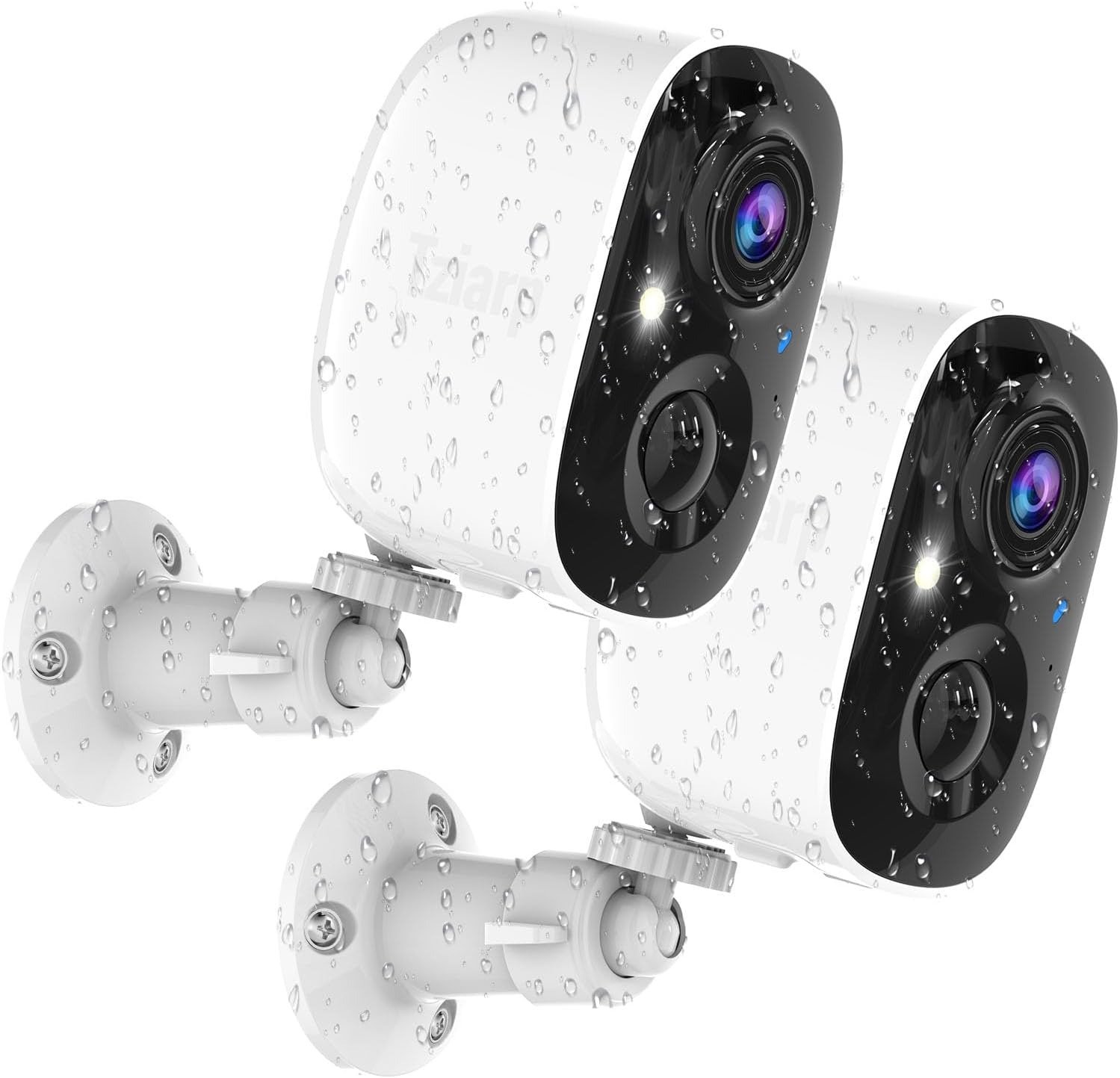
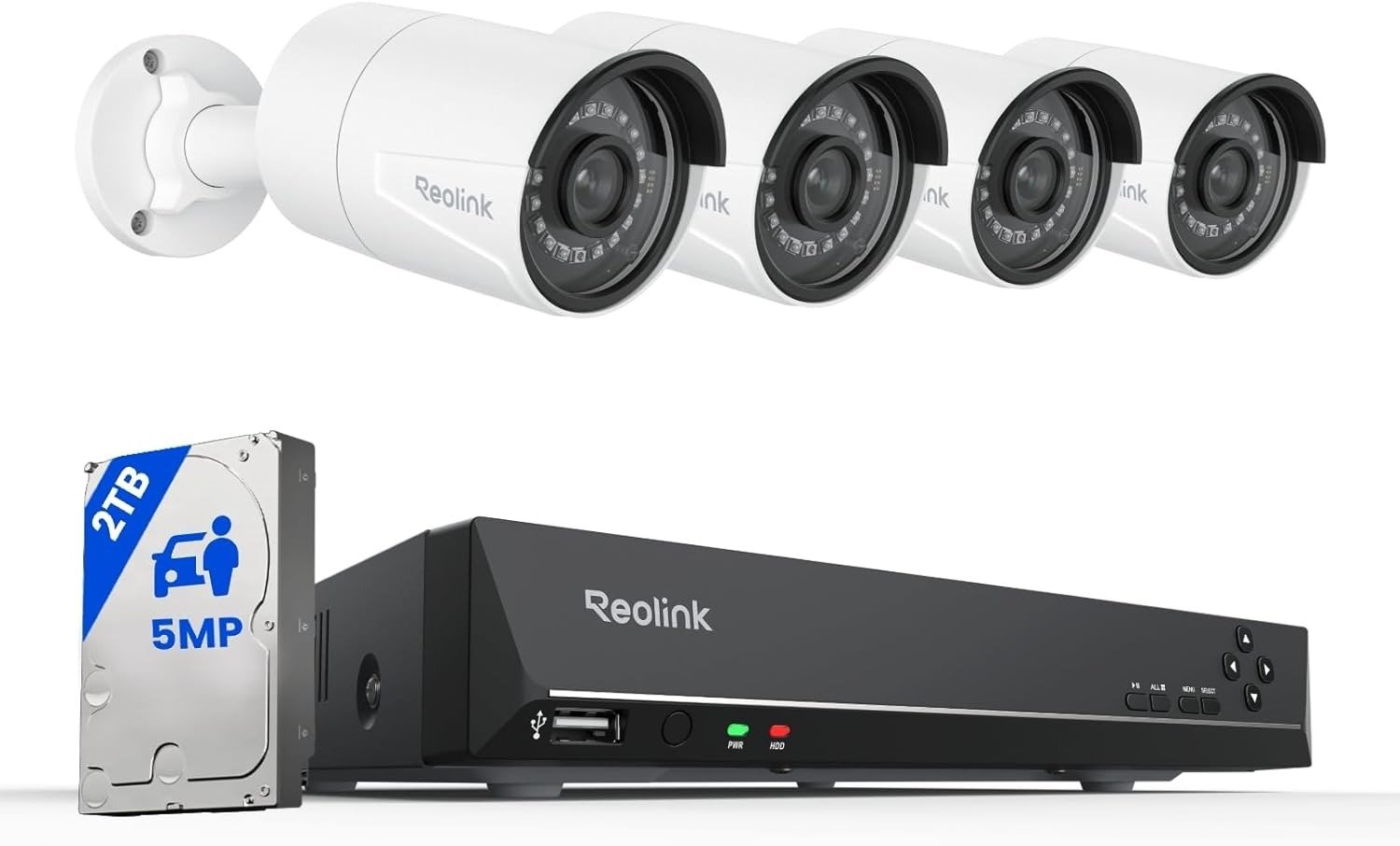
Reolink’s 5MP kits use 2560×1920 cameras with built-in microphones, roughly 80° horizontal viewing, and infrared night vision rated up to 100 feet, which is enough to move beyond vague motion blobs and into genuinely reviewable footage for common residential angles.
But even then, 5MP is still a threshold product, not a magic one. In tighter or more critical zones, more resolution can matter.
The second break is false urgency. I do not need a system that tells me everything moved. I need one that helps me care only when the movement matters.
Reolink’s current kit page emphasizes person and vehicle detection processed in the camera, plus motion zones and app playback filters, and that matters because the psychological burden of bad alerts is cumulative. Once alerts start feeling noisy, I stop respecting them.
The system may still be technically active, but behaviorally it is already dead.
The third break is time. A camera system can look good on day one and still disappoint after a week of real use.
Storage is the quiet killer here. The included 2TB drive can support nonstop recording, but Amazon’s listing notes roughly eight days at maximum nonstop recording under the default bitrate, and installers in user discussions say the drive feels small unless I am comfortable with about a week of retention.
That is exactly the kind of hidden limit that only becomes visible after the novelty phase is over.
Why Local Recording Feels Different
The deeper reason some wired systems feel more trustworthy is not nostalgia. It is operational calm.
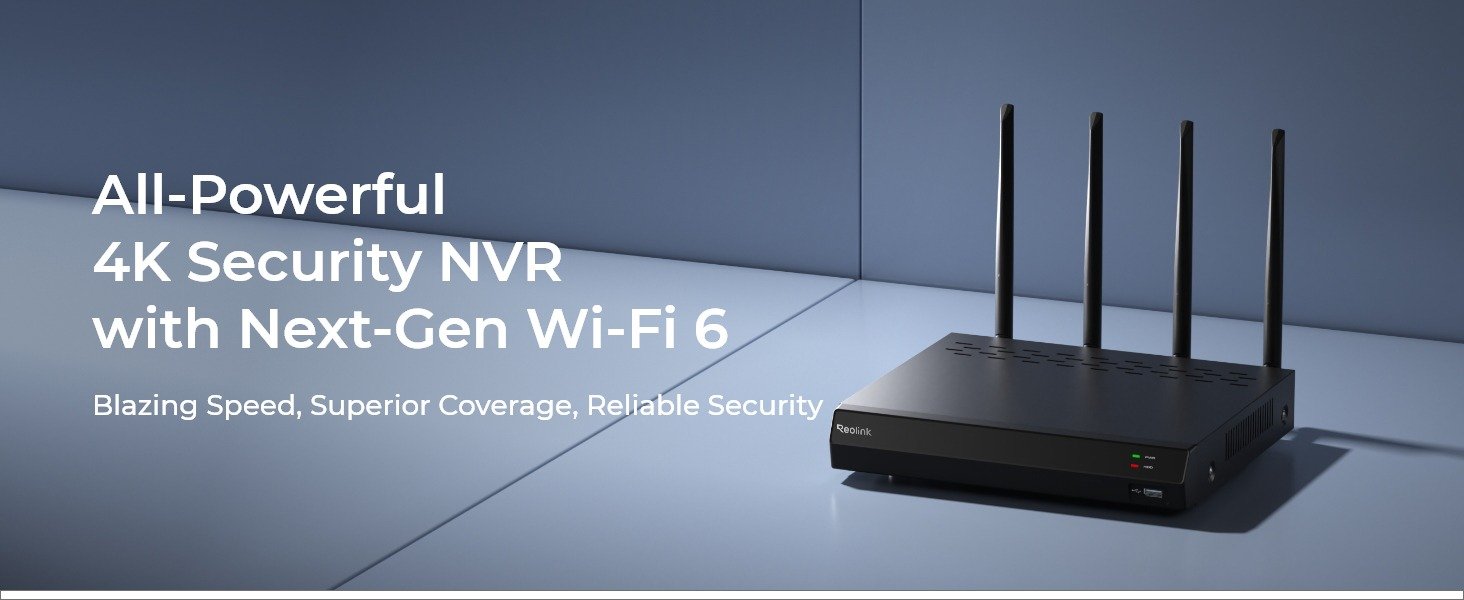
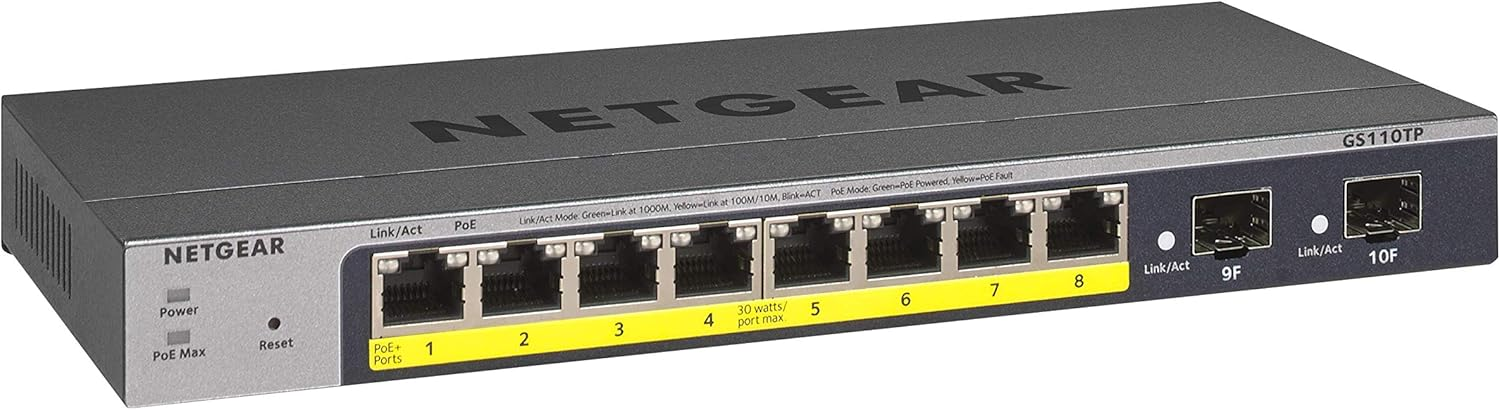
With PoE, one Ethernet cable handles power and data, the NVR records continuously, and key smart features do not depend on uploading every event to a vendor cloud.
Reolink says the detection is performed in-camera and does not require subscription processing on its servers. That changes the emotional texture of ownership.
I am no longer renting awareness one month at a time. I am running a system. That difference is bigger than most buyers realize at first.
When a System Starts to Feel Real
For me, a system starts to feel real when I can answer four questions without hesitation:
Threshold Check: What I Need to Feel
- Can I identify what happened? The footage is clear enough to review without guessing.
- Can I trust the alert? Notifications reflect people or vehicles, not random motion.
- Can I find the moment fast? Playback search is not a chore.
- Can I keep enough history? Retention does not quietly expire before I think to check.
That is why the right question is not “Does this kit record?” Almost everything records.
The right question is whether it crosses the threshold where recording turns into usable evidence. The moment I start framing it that way, weak systems reveal themselves quickly.
The Point Where This Leads
Once I reduce the problem to threshold instead of hype, the buying decision becomes much cleaner.
I am no longer choosing between brands as personalities. I am choosing whether one specific kit gives me enough clarity, enough local control, enough retention, and enough behavioral stability to stay trusted after the first week.
The next step is evaluating one kit against that threshold in real terms
Transparency Note:
This analysis is not based on quick personal impressions.
It is derived from documented system behavior, verified user patterns, and the physical constraints of storage capacity.
The goal is to translate complex technical behavior into a realistic performance model that helps you make a clear decision