Amcrest IP8M-2496EB Review: The Footage Looks Fine Until the Night It Actually Mattered
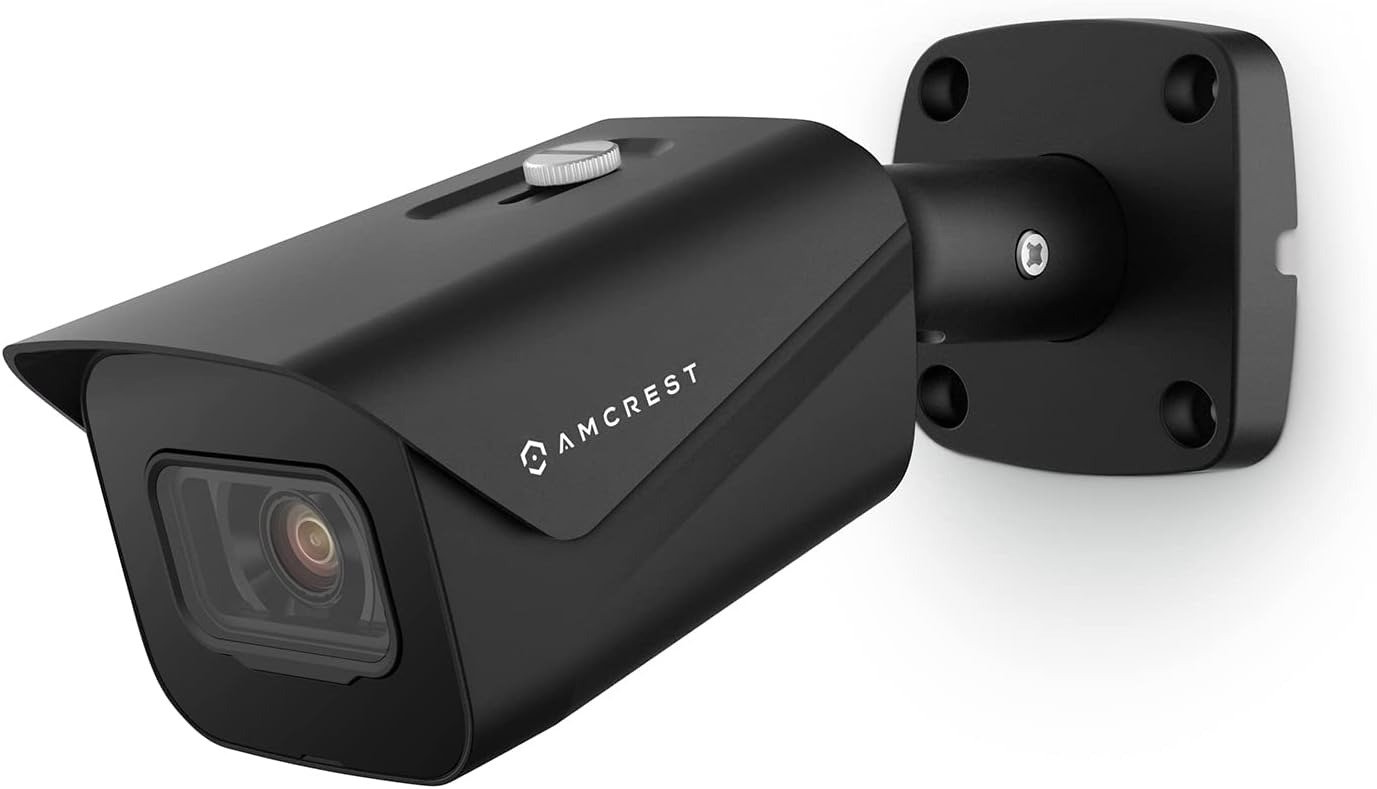
AMCREST IP8M-2496EB
It’s 2 a.m. and your phone buzzes. Motion detected. You open the clip half-asleep, expecting a raccoon or a shadow, and instead you get a shape near your car door that you cannot identify. Not because the camera is broken. Not because you bought the wrong thing. Because nobody told you that “98 feet of night vision” and “I can tell who that is” are two completely different promises.
That gap is the whole story of the Amcrest IP8M-2496EB-V2. Not whether it’s a good camera — it is, by most accounts, one of the more dependable 4K bullet cameras in its price range. The real question is where, exactly, the polished spec sheet stops matching what shows up on your screen when it counts, and whether that gap lands somewhere you can live with.
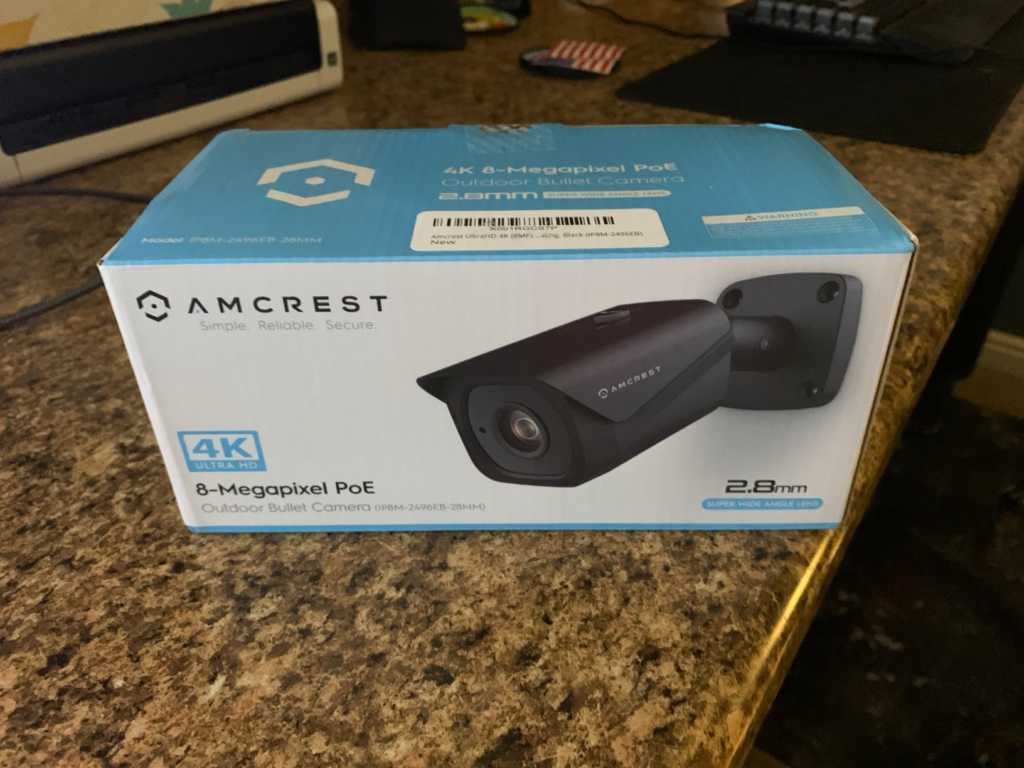
Amcrest IP8M-2496EB Footage Quality: The Result Looks Fine. The Problem Isn’t.
During the day, this camera does what an 8-megapixel sensor should do. License plates at the curb, faces at the front step, package labels on the porch — all crisp, all in 4K. That part isn’t in dispute anywhere in the owner threads or the review sections.
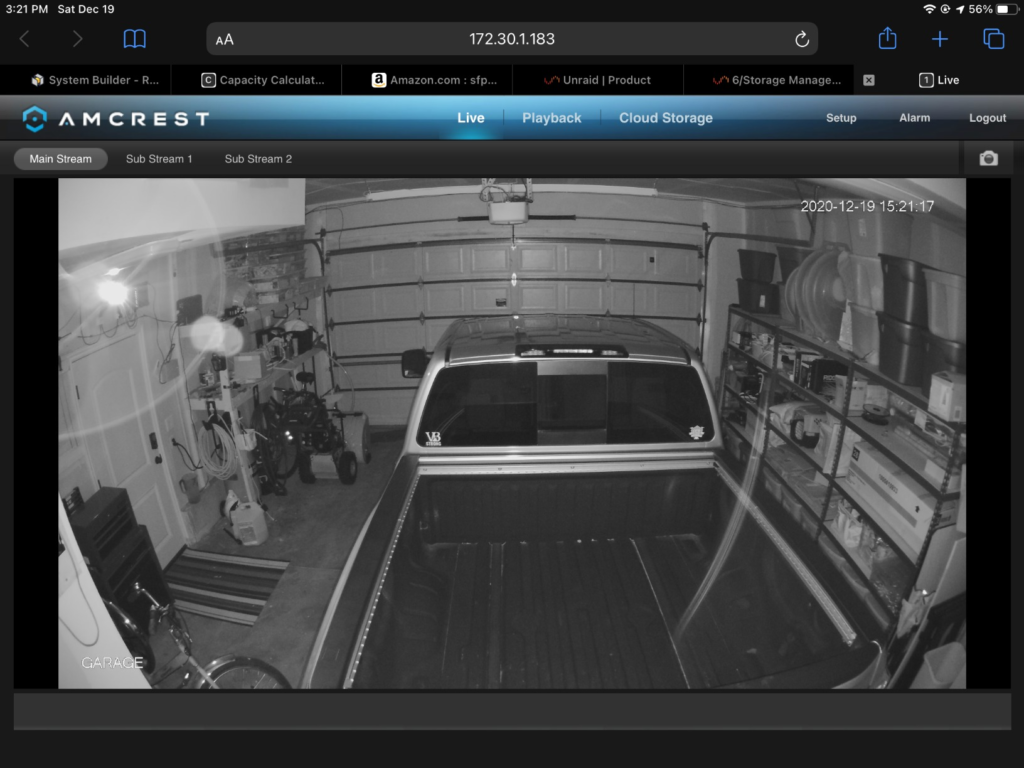
The complaint that actually surfaces, again and again, isn’t about daylight. It’s about the moment right after sunset, when the picture on the box and the picture on the wall stop being the same picture. One long-time tester who put several Amcrest 4K models side by side for comparison noted plainly that this exact camera needs a good amount of ambient light to render color, and looked the weakest of the group once the light dropped. That’s not a flaw hiding in fine print. It’s a mechanism worth understanding before the camera goes on your wall, not after.
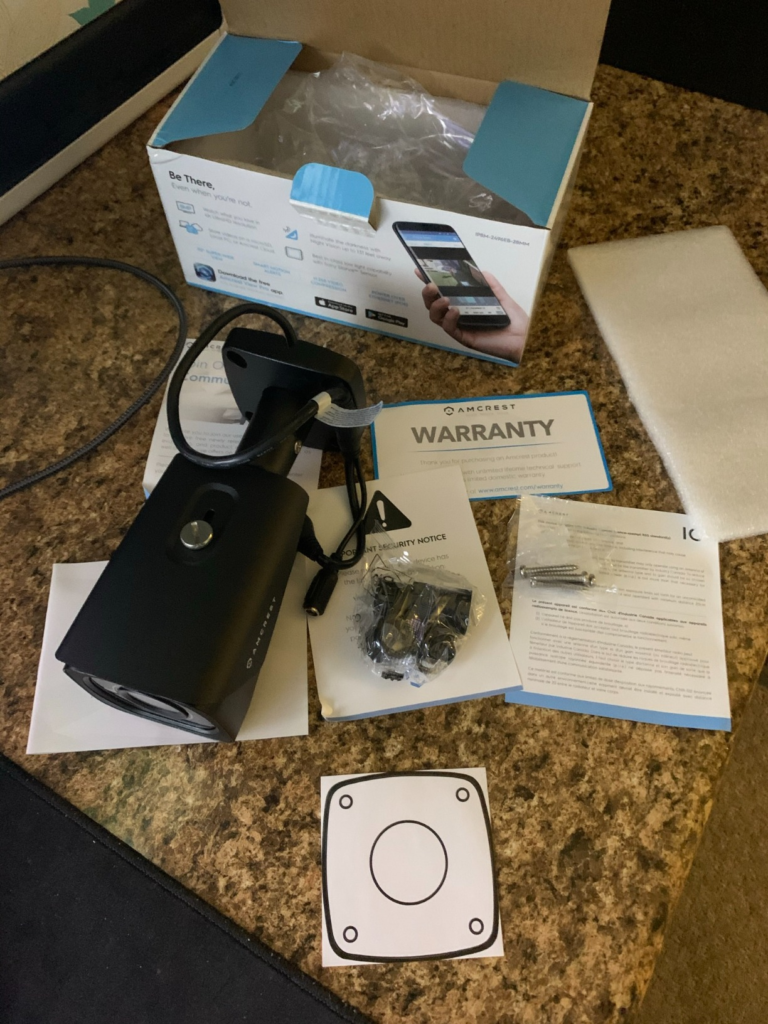
Amcrest IP8M-2496EB Night Vision and Alerts: What You’re Actually Feeling but Not Naming
Here’s the sensation buyers describe without quite naming it: the footage isn’t “bad.” It’s almost there. A person-shaped smear instead of a person. A car-shaped blur instead of a plate. And on the alert side — a phone that won’t stop buzzing over headlights and blowing leaves, because the base alert system is zone-based motion, not the kind of AI filtering that tells a person apart from a passing sedan.
Why does this happen on a camera that photographs so well in daylight? Because two entirely different jobs — “see clearly” and “see far, in the dark, and know what you’re looking at” — are handled by different parts of the hardware. And only one of those jobs is what the “98ft” number on the box is actually describing.
Sensor, Lens and the 98ft Number: The Hidden Mechanism Behind the Miss
Security camera engineering has a name for this gap, and it’s worth knowing because it explains almost every disappointed night-vision review ever written. It’s called DORI — Detect, Observe, Recognize, Identify — a lab-tested standard that calculates distance based on sensor specification and a formal test result defining the criteria for each of those four stages. A camera’s headline night-vision number is almost always the detect distance: far enough to notice something moved. Identify — actually recognizing a face — happens at a fraction of that range.
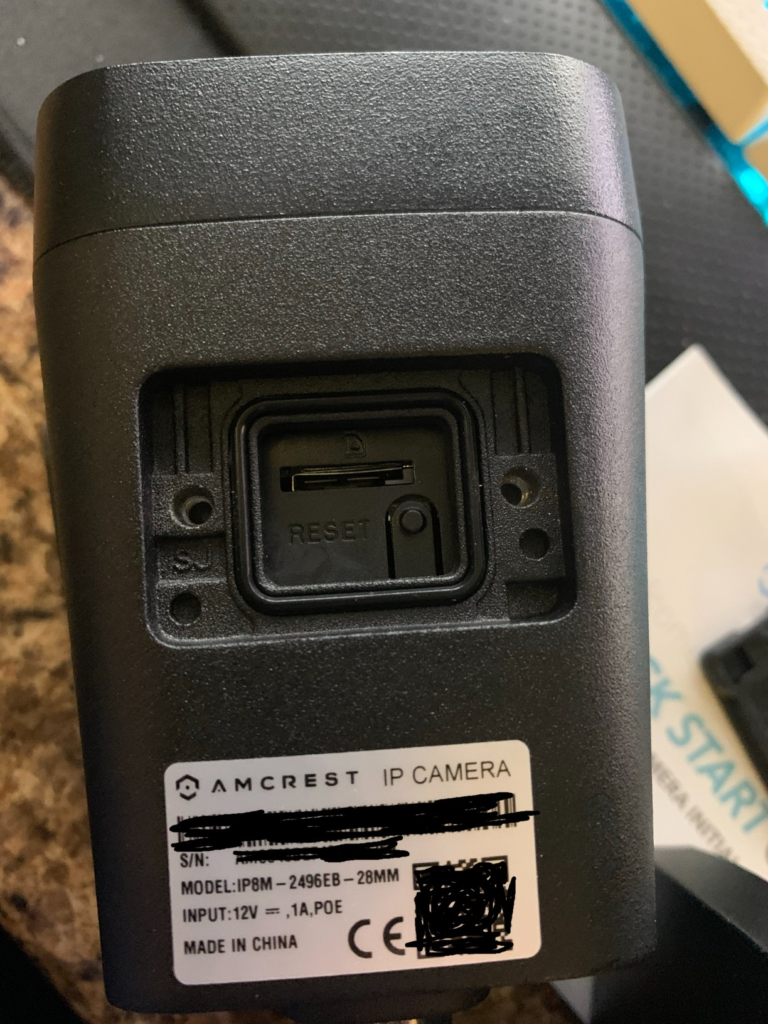
The IP8M-2496EB-V2 carries a Sony Starvis progressive-scan CMOS sensor built for enhanced low-light capture, paired with a fixed 2.8mm lens and a wide field of view, and Amcrest’s own spec sheet for this exact SKU lists night vision to 98.4 feet using that 1/2.7″ 8-megapixel sensor. That number is real. It is also, almost certainly, a detect number — not a “read the intruder’s face from your porch” number. Mount it expecting the second thing, and the camera will feel like it underdelivered on a promise it never actually made in writing.
The Real Range: The Threshold Where the Outcome Quietly Breaks
There’s a practical line here, and it’s not the one printed on the box:
| What You See on the Spec Sheet | What Actually Happens at That Distance |
|---|---|
| 98 ft night vision (IR) | You’ll notice motion and rough shape — not a usable face |
| ~30–40 ft, decent ambient light | Faces and plates start becoming genuinely identifiable |
| Full color at night | Not available on this model — color needs real ambient light |
| 125° field of view | Wide coverage, but distant objects shrink fast inside that width |
The fix isn’t a better camera. It’s a different mounting decision: point this one at the choke point — the gate, the door, the exact three feet someone has to cross — instead of aiming it down the length of your whole driveway and hoping the far end holds up. That single adjustment resolves more disappointed reviews than any firmware update Amcrest has shipped.
Why Most Buyers Misread the “Amcrest 4K” Label Too Early
Amazon doesn’t help here. Search “Amcrest 4K bullet camera” and you’ll get this exact model shown next to near-identical siblings — same black bullet housing, same “4K,” same price bracket — except those siblings carry Amcrest’s “-AI” suffix, and that suffix is doing a lot of quiet work. The -AI models add color night vision, a built-in microphone, and human and vehicle detection that this base -V2 model simply does not include, per Amcrest’s own listed feature sets for each SKU. Buyers who skim the thumbnail and not the model number end up disappointed by a camera that never claimed the feature they assumed it had.
And even the AI-branded siblings aren’t a guaranteed fix. One installer who ran a direct side-by-side test — Amcrest’s AI camera against a Reolink competitor pointed at the same driveway for several hours — recorded just 7 vehicle detections on the Amcrest versus 23 on the Reolink. The lesson isn’t “avoid Amcrest.” It’s: don’t buy on the strength of a badge. Buy on the strength of the specific SKU in your cart.
Who Is Actually Inside This Camera’s Sweet Spot
This camera earns its keep with a particular kind of buyer:
| You’re a Strong Fit If | You’ll Likely Regret It If |
|---|---|
| You already have (or don’t mind running) PoE cabling | You wanted a plug-in WiFi camera with zero wiring |
| You want local recording with no forced subscription | You expect true color night vision out of the box |
| You’re comfortable with an NVR, Blue Iris, or Synology | You need built-in AI person/vehicle alerts today |
| You want one camera watching one specific spot well | You’re hoping one camera covers an entire long yard |
Amcrest’s cameras have a real structural advantage worth crediting here: unlike some competing brands, Amcrest IP cameras are capable of standalone independent operation without requiring an NVR, recording straight to a microSD card, a NAS, or FTP. For a single-camera household that just wants one reliable eye on a side gate, that’s genuinely useful — no box to buy, no extra device to manage.
Where the Wrong Fit Begins
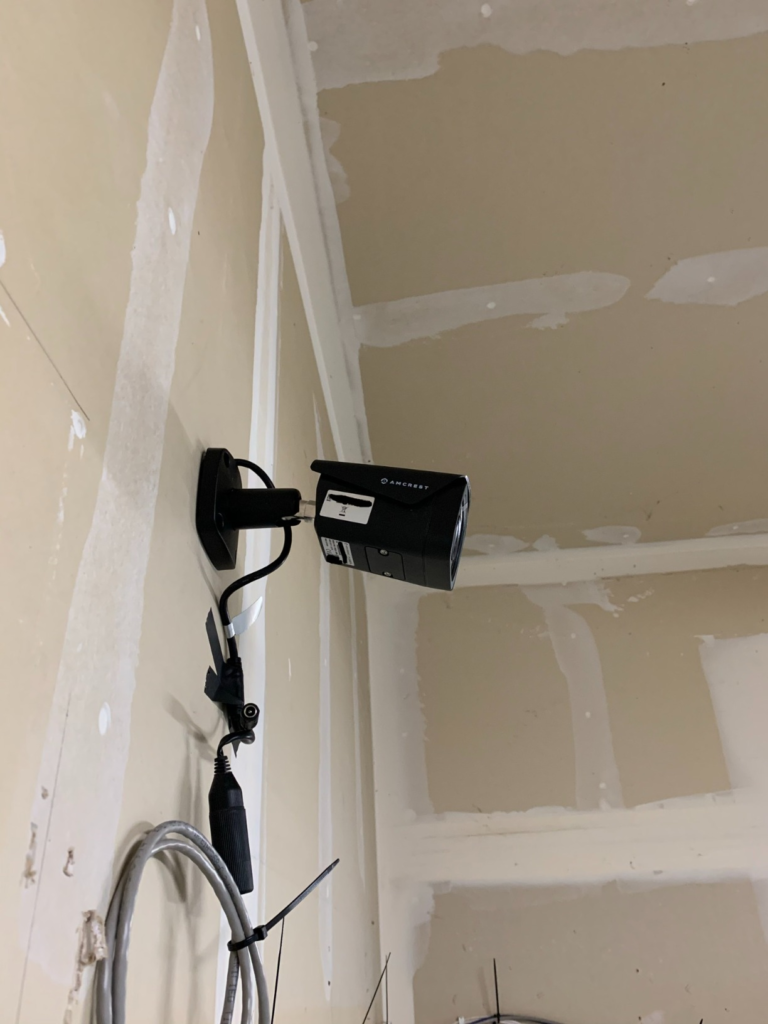
Be honest with yourself about three things before this camera goes on the wall. First, a PoE injector or switch is required and not included — budget for it. Second, cable runs matter more than people expect; installers who run these cameras regularly recommend staying within roughly 100 feet on Cat6 or better, so a distant shed or back corner may need a longer plan than “one cable.” Third, the companion apps are functional but dated in places — some owners still describe older ActiveX-style browser compatibility, with newer firmware sometimes trimming features rather than adding them, and Amcrest’s own cloud ecosystem is genuinely fragmented across Amcrest View, Amcrest Cloud, and Amcrest Smart Home, each with separate apps and separate subscriptions.
If any of that sounds like friction you don’t want to manage, this isn’t your camera. That’s not a failure of the product — it’s a mismatch of expectations, and naming it now is cheaper than discovering it after installation.
The One Situation Where the IP8M-2496EB Becomes the Logical Camera
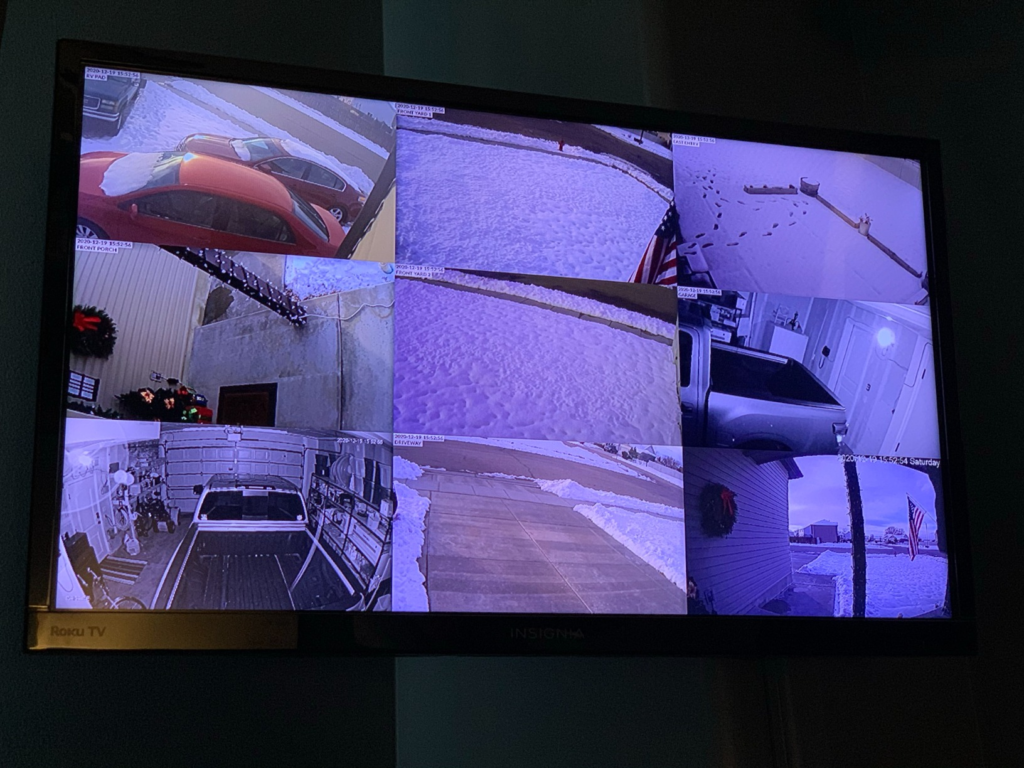
Strip away the confusion and one clear use case remains: a PoE-ready home or small business that wants a single, durable, high-resolution eye on one specific point — a back door, a gate, a loading entrance — recorded locally, with no ongoing bill required to make it work. Amcrest’s own storefront currently lists this camera at $94.99, carrying a 4.7-star rating across 61 reviews, and long-term owners running these cameras for years in harsh outdoor conditions — including one report of over a decade of combined use across multiple units in desert heat — consistently point to dependability and responsive customer support as the reason they keep buying more. For that buyer, in that spot, this camera stops being “one option among many” and starts being the obviously correct one.
What It Solves, What It Reduces, and What Still Falls on You
It solves clear, high-resolution footage of whatever is directly in front of the lens, in daylight or with reasonable porch/street lighting, stored locally without anyone’s permission or monthly fee required.
It reduces blind spots at that one chosen point, and false-alarm fatigue — but only if you actually take five minutes to draw tighter motion zones instead of leaving the default full-frame detection running.
It still leaves to you: the PoE hardware purchase, the cable-run planning, the decision on whether Amcrest Cloud’s roughly $6-per-month, per-camera storage fee is worth it or whether local storage is enough, and realistic expectations about identification distance versus detection distance.
Frequently Asked Questions
| Question | Answer |
|---|---|
| Does the Amcrest IP8M-2496EB need an NVR to work? | No. It can record standalone to a microSD card (up to 256GB), or to an NVR, NAS, FTP server, or Blue Iris if you want a more advanced setup. |
| Does it have color night vision? | No. This is an infrared night-vision camera — footage goes black-and-white after dark unless there’s enough ambient light for color to register. |
| Does it have AI human or vehicle detection? | Not on this exact SKU. That capability belongs to Amcrest’s separate “-AI” model line. This camera does standard zone-based motion alerts. |
| Do I need an Amcrest Cloud subscription? | No — it’s optional. Local recording to a microSD card, NVR, or NAS works with no subscription at all. Cloud storage is a paid add-on for off-site backup. |
| What cabling and power does it need? | Standard Ethernet (Cat6 recommended, ideally under 100 feet) carrying both power and data via a PoE injector or switch, which is sold separately. |
| Is it actually weatherproof? | Yes — it’s built with an IP67-rated metal housing, and multiple long-term outdoor users report it holding up through years of direct sun, rain, and desert heat. |
Amcrest IP8M-2496EB Review, Final Verdict: The Decision Stops Being Vague Here
If you have PoE wiring or don’t mind running it, want one camera to watch one point clearly, and have no interest in paying a monthly fee just to see your own footage — this is the logical next step.
If you were picturing color night vision, built-in AI alerts, or a wireless five-minute setup, that camera exists — it’s just not this one. Choosing correctly now costs you two minutes of reading a spec sheet. Choosing on the thumbnail alone costs you a return shipping label later.
Transparency Note:
This analysis is built on aggregated real-world experience.
It extracts what repeatedly holds, what breaks, and what users uncover only after living with the system—then shapes it into a clear model you can use immediately.
Think of it as structured experience, refined and presented so you don’t have to learn it the hard way.
“A quick note: Don’t believe the star ratings, but trust personal experience. This article is a compilation of collected experiences.”