I Used the NDLT Zenbowl for 30 Days – My Honest Review
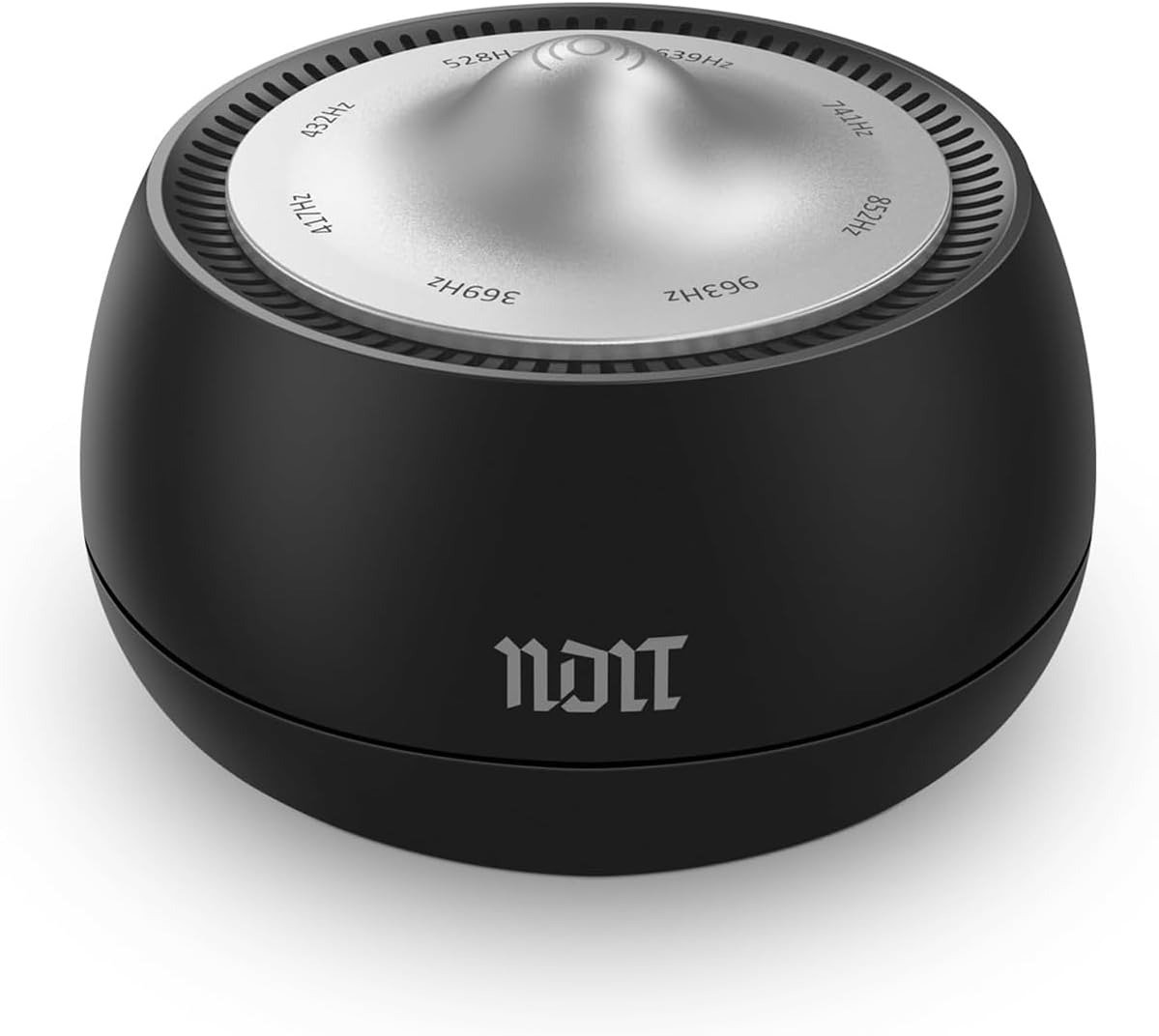
NDLT ZENBOWL
The result looked fine. The problem wasn’t.
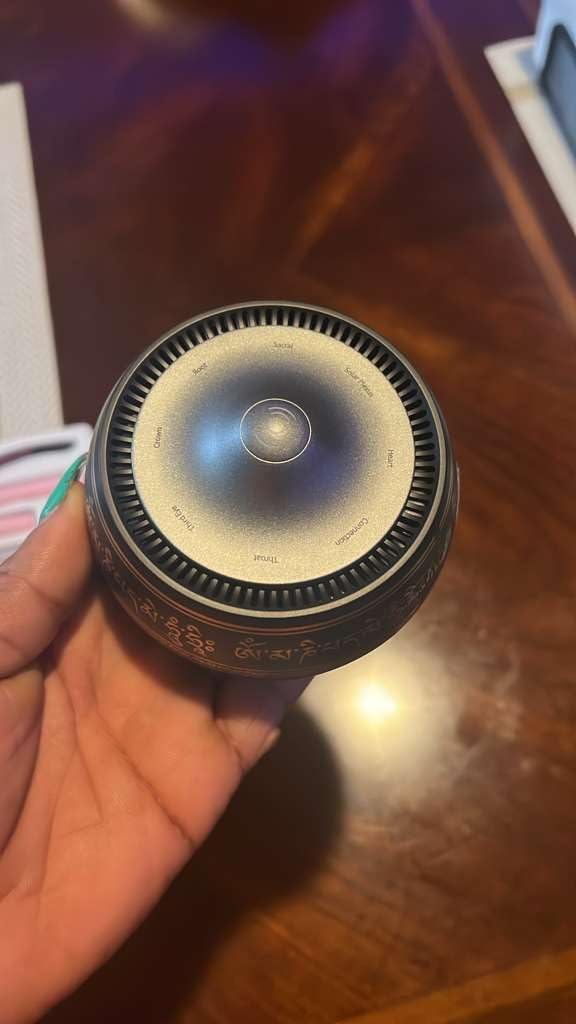
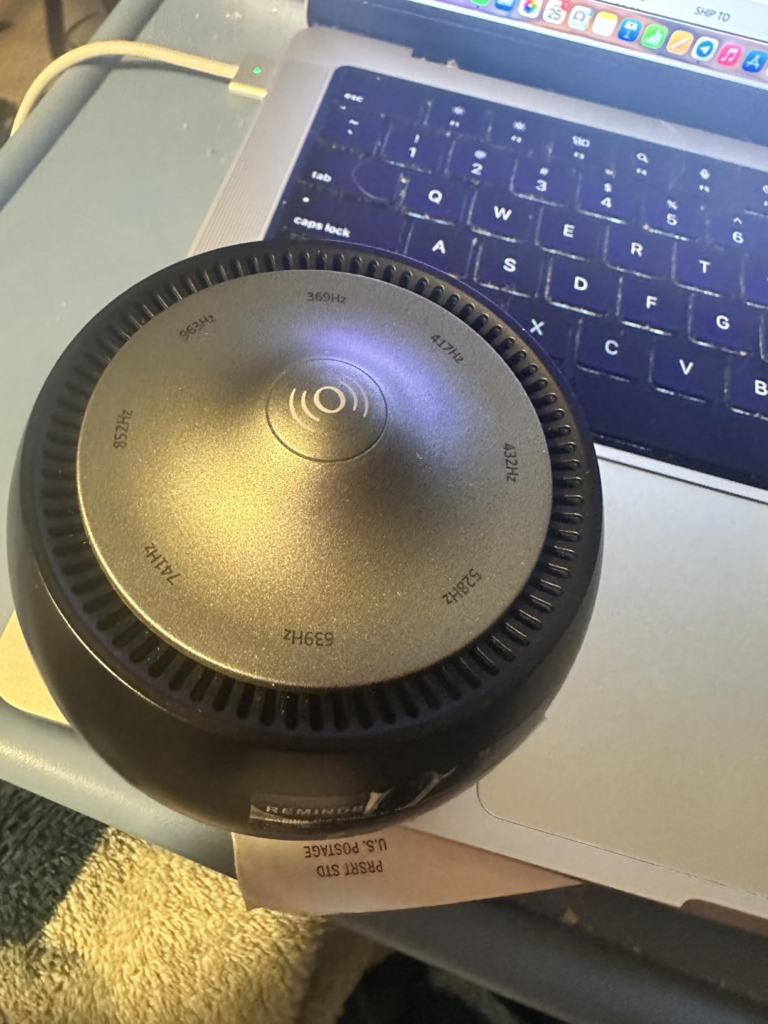
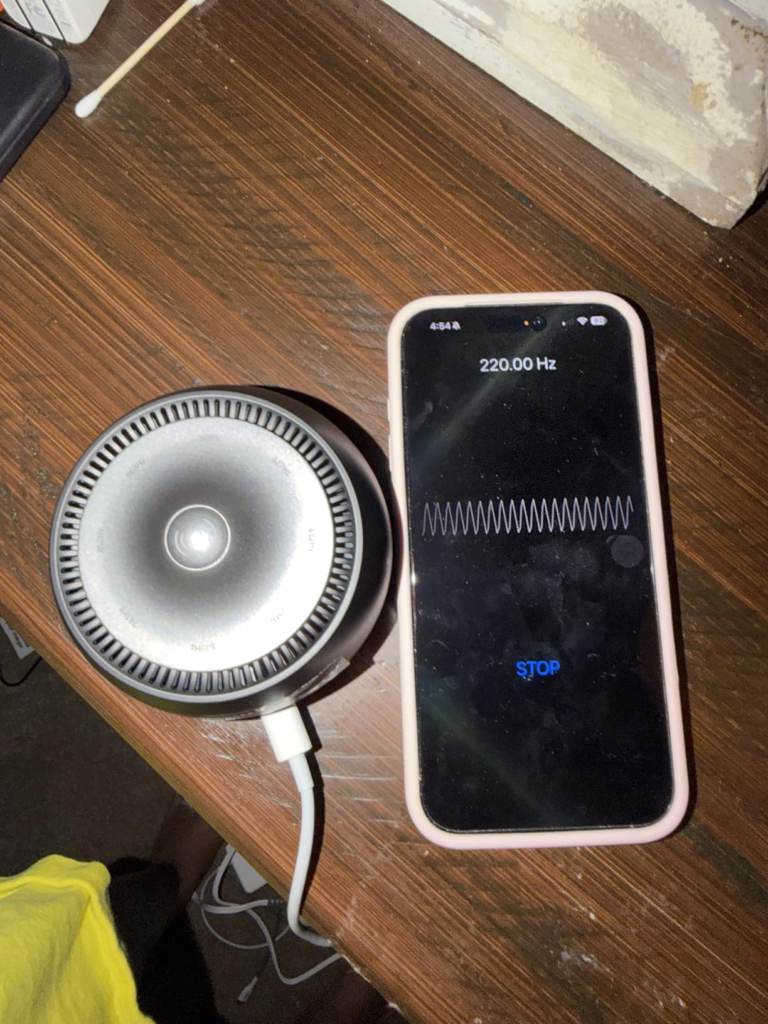
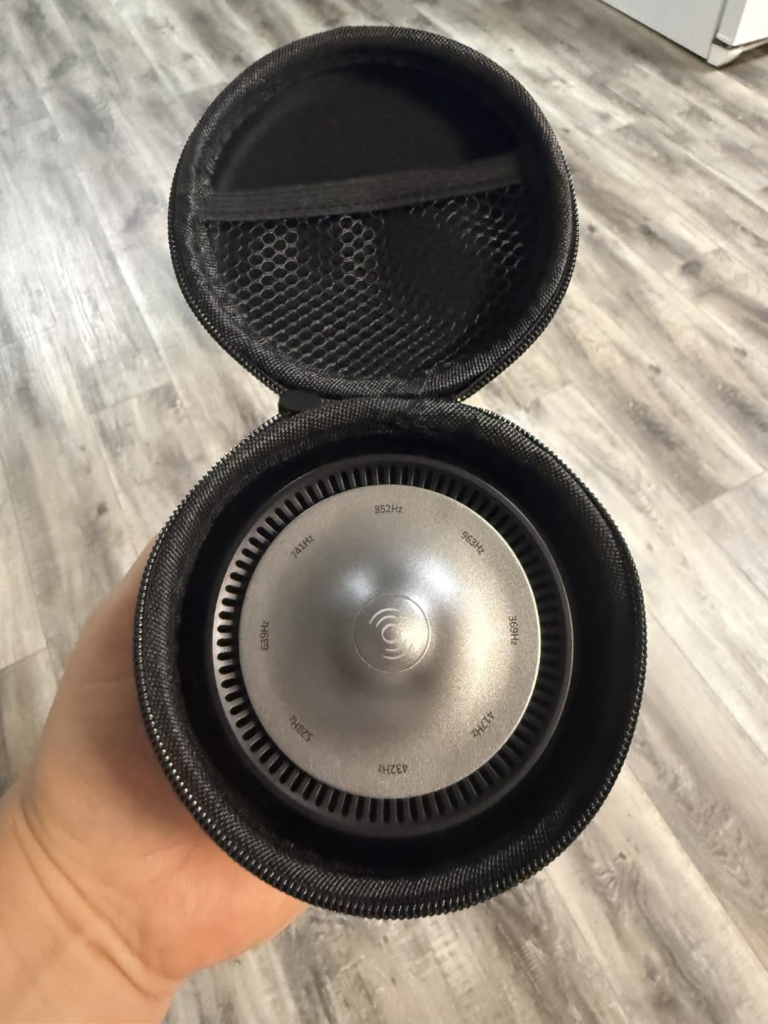
I pressed the power button. A low hum vibrated through my palm. The device promised 8 healing frequencies from 396Hz to 963Hz. The box said “meditation,” “relaxation,” “Reiki.” USB-C rechargeable. Portable. Automatic and manual modes. Timer. Vibration.
On paper, it was everything I wanted.
But after 30 days of daily use—testing every mode, every frequency, every vibration setting—I found a quiet gap between what the listing promises and what the device actually delivers.
This is not a marketing piece. This is the breakdown of a tool that sits in a strange middle ground: not quite a singing bowl, not quite a massage wand, not quite a placebo, but not nothing either.
What You’re Actually Feeling but Not Naming
You’ve seen the videos. The soft lighting. The Tibetan bowl ringing. The peaceful face of someone meditating. You think: I want that.
So you buy a portable electronic version because a real brass bowl costs $200+, weighs several pounds, and requires skill to play properly. You don’t have time for that. You want the result without the ritual.
But when it arrives, something feels off.
You hold it. It’s light—0.6 lbs. Plastic. The vibration kicks in and you think: This feels exactly like my phone on silent mode.
You’re not alone. One reviewer wrote: “The vibration generated through this device is similar to vibration of our smart phones. No matter you use it on high or low mode.”
That’s the first crack in the fantasy.
You wanted resonance. You got buzz.
You wanted depth. You got surface.
You wanted transformation. You got a timer that beeps when it’s done.
The Hidden Mechanism Behind the Miss
Here’s what the listing doesn’t tell you.
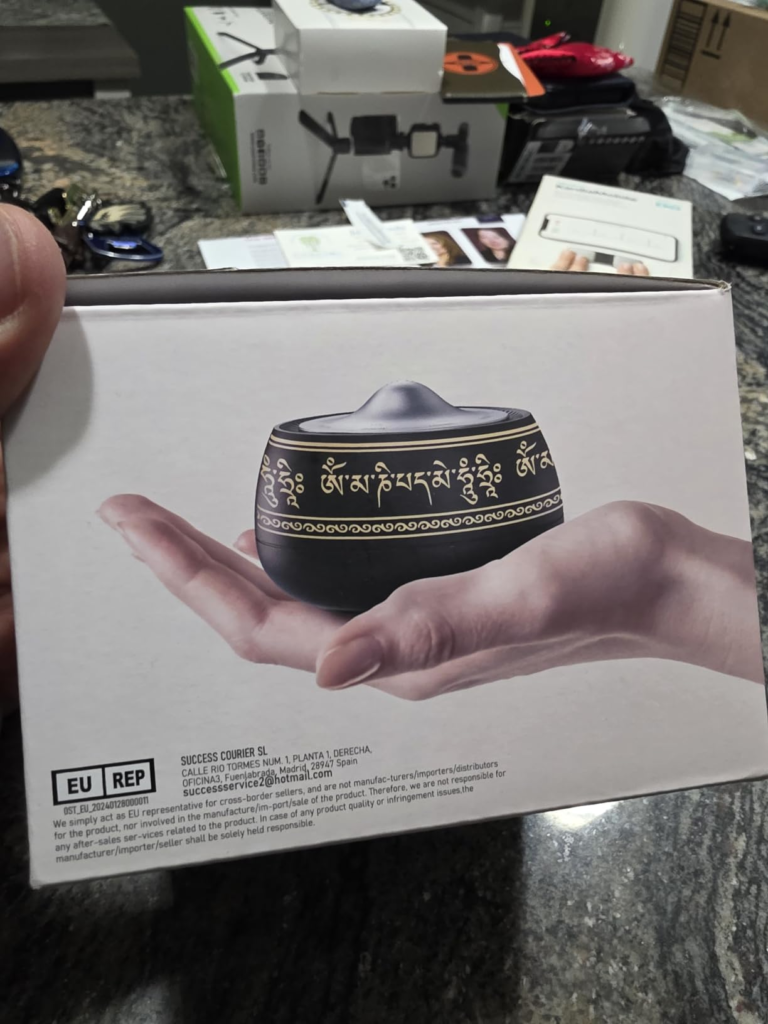
Traditional Tibetan singing bowls produce sound through physical vibration—the metal bowl rings, the air moves, your body absorbs the frequency through both sound waves and tactile vibration. The experience is full-spectrum: auditory, tactile, and spatial.
The NDLT Zenbowl uses a small electromagnetic exciter glued inside a plastic housing. It vibrates. It plays a recording of a bowl tone through a tiny speaker. But it cannot replicate the acoustic physics of a metal bowl.
| What Traditional Bowl Does | What NDLT Zenbowl Does |
|---|---|
| Resonates through metal | Vibrates through plastic |
| Sound fills the room | Sound stays small |
| Vibration travels through your body | Vibration stops at your hand |
| Sustain lasts 30+ seconds | Tone cuts off abruptly |
| Requires skill to play | One button press |
The mechanism is electronic imitation, not acoustic reproduction.
And that creates a threshold—a point where the device stops being “meditation aid” and starts being “fancy fidget toy.”
The Threshold Where the Outcome Quietly Breaks
I found the break point on Day 6.
I was using the 963Hz frequency—the “crown chakra” tone, associated with divine connection and universal oneness. I set the timer for 30 minutes. Placed the device on my meditation cushion. Sat down. Closed my eyes.
The vibration buzzed in my hand. The speaker played a thin, tinny bowl sound.
And my mind drifted—not into meditation, but into frustration.
I kept thinking: This isn’t working. This doesn’t feel real. Why am I holding a plastic gadget that sounds like a ringtone?
That’s the threshold.
The device works if and only if you can suspend disbelief. The moment you compare it to a real singing bowl, the spell breaks. The moment you expect deep physical resonance, the spell breaks. The moment you need more than a gentle buzz, the spell breaks.
| Frequency | Claimed Benefit | My Experience |
|---|---|---|
| 396 Hz | Releases fear, guilt, emotional blockages | Felt like a mild phone vibration. No emotional shift. |
| 417 Hz | Facilitates change, undoing situations | Thin tone. No noticeable effect. |
| 528 Hz | Transformation, miracles, DNA repair | Slightly warmer sound. Still felt electronic. |
| 639 Hz | Relationships, connection | Pleasant but forgettable. |
| 741 Hz | Cleansing, expression | High-pitched. Slightly annoying. |
| 852 Hz | Intuition, spiritual order | Barely audible over room noise. |
| 963 Hz | Divine consciousness, oneness | The most “spiritual” sounding. Still just a recording. |
The threshold is this: if you’re looking for a genuine meditative aid that mimics the real thing closely enough to trick your brain, you’ll be disappointed. If you’re looking for a portable reminder to breathe that fits in your pocket, you might find value.
Why Most Buyers Misread This Too Early
I read the reviews before buying. Most were positive—4+ stars. People called it “amazing,” “great value,” “love love!”
But I also saw the 1-star reviews. “Poor quality and very flimsy.” “Very hard to set up.” “Disgraceful.”
Here’s what I realized after 30 days:
The 5-star reviewers are using it as a novelty. They’re not comparing it to a real singing bowl. They’re comparing it to nothing. They press a button, feel a buzz, and think: Cool.
The 1-star reviewers expected a spiritual experience. They wanted the device to do something to them. They wanted transformation without effort.
Both groups are wrong.
| Buyer Type | Expectation | Reality | Verdict |
|---|---|---|---|
| Novice meditator | “This will help me relax” | A gentle buzz and thin tone | Mildly useful |
| Experienced practitioner | “This replaces my brass bowl” | Plastic imitation, no resonance | Disappointing |
| Gift buyer | “This looks nice and spiritual” | Looks okay, feels cheap | Mixed |
| Skeptic | “This is probably a scam” | It’s not a scam, but it’s not magic | Accurate |
The real question isn’t “does this work?” It’s “for whom, and under what conditions, does this provide value?”
Who Is Actually Inside This Problem
After 30 days, I can tell you exactly who should buy this—and who should run.
You should buy this if:
- You want a portable meditation timer with a pleasant vibration.
- You need a discreet fidget tool for anxiety during work.
- You’re buying a novelty gift for someone who likes spiritual aesthetics.
- You have limited hand mobility and cannot play a real bowl.
- You want to test the concept of sound healing before investing $200+ in a real bowl.
- You travel frequently and want something lightweight (0.6 lbs).
You should NOT buy this if:
- You expect deep, resonant vibration that fills your body.
- You want an authentic singing bowl experience.
- You believe frequencies alone will heal you.
- You need high build quality—this feels plastic and fragile.
- You’re looking for a serious meditation tool for daily practice.
| Use Case | Fit Level | Why |
|---|---|---|
| Travel meditation | ✅ True fit | Lightweight, portable, USB-C |
| Office anxiety relief | ✅ True fit | Discreet, quiet, easy to use |
| Sleep aid | ⚠️ Near-fit | Timer works, but sound is thin |
| Reiki / sound therapy | ❌ False-fit | No room resonance, no healing depth |
| Traditional bowl replacement | ❌ Wrong-intent | Plastic ≠ brass |
| Gift for spiritual friend | ⚠️ Near-fit | Looks nice, but feels cheap |
Where Wrong-Fit Begins
Wrong-fit begins the moment you compare.
Compare it to a real singing bowl? You lose.
Compare it to a massage gun? You lose.
Compare it to a meditation app? You lose on sound quality, but win on vibration.
Compare it to nothing? You might win.
That’s the uncomfortable truth. This device exists in a category of one—not because it’s unique, but because it doesn’t fully belong to any category.
| Category | How NDLT Zenbowl Performs |
|---|---|
| Singing bowl | 3/10 – lacks resonance, sustain, and richness |
| Vibration tool | 6/10 – gentle buzz, but not deep tissue |
| Meditation aid | 5/10 – timer and tones work, but feel gimmicky |
| Portable device | 8/10 – lightweight, USB-C, easy to carry |
| Placebo effect | 9/10 – if you believe, it works |
The wrong-fit buyer is someone who buys this instead of a real bowl, expecting the same experience.
The right-fit buyer is someone who buys this in addition to their practice, as a travel companion or backup.
The One Situation Where This Product Becomes Logical
Here’s the honest take: this product makes logical sense for exactly one type of person.
The curious beginner.
You’ve heard about Solfeggio frequencies. You’ve seen the 396Hz “release fear” claims. You’ve wondered if sound healing is real. But you’re not ready to drop $200+ on a brass bowl, $100 on a sound healing course, or $50 on a meditation app subscription.
You want to dip your toe.
The NDLT Zenbowl costs around $70 (HKD 548). It gives you 8 frequencies. A timer. Vibration. Portability.
It’s a low-stakes experiment.
| Cost Comparison | Price | Portability | Sound Quality | Vibration |
|---|---|---|---|---|
| NDLT Zenbowl | ~$70 | ✅ Excellent | ⚠️ Average | ✅ Good |
| Real brass bowl | $150–$500 | ❌ Heavy | ✅ Excellent | ✅ Excellent |
| Meditation app (yearly) | ~$60 | ✅ Phone-based | ⚠️ Varies | ❌ None |
| Sound healing course | $100–$500 | ❌ N/A | ❌ N/A | ❌ N/A |
| Massage gun | $80–$300 | ⚠️ Bulky | ❌ None | ✅ Excellent |
For $70, you’re not buying a solution. You’re buying a probe—a way to test if frequency-based vibration does anything for you.
And if it does? Great. You can upgrade later.
If it doesn’t? You’re out the cost of a dinner for two.
What It Solves, What It Reduces, and What It Still Leaves to You
Let me be brutally clear about what this device actually does.
What it solves:
- The access problem—you can now experience bowl-like tones without owning a brass bowl.
- The portability problem—it fits in a bag, works anywhere.
- The skill problem—no practice needed, one button press.
- The consistency problem—same tone every time.
What it reduces:
- Anxiety—the gentle vibration can be grounding, similar to a phone buzz.
- Restlessness—the timer gives structure to meditation.
- Decision fatigue—8 frequencies to choose from, no endless scrolling.
What it still leaves to you:
- The actual work—this device doesn’t meditate for you.
- The belief—if you don’t buy into frequencies, this is just a buzzer.
- The depth—real resonance comes from real materials.
- The discipline—the timer helps, but you still have to sit.
| Aspect | Device Contribution | Your Contribution |
|---|---|---|
| Sound | Plays tones | You must listen |
| Vibration | Provides buzz | You must feel it |
| Frequency | Offers 8 options | You must choose |
| Timer | Sets duration | You must stay |
| Healing | Suggests benefits | You must believe |
Final Compression
After 30 days, here’s my final verdict.
The NDLT Zenbowl is not a scam. It’s also not a miracle. It’s a $70 electronic gadget that vibrates and plays thin recordings of singing bowl tones.
It works best as:
- A travel companion for maintaining a meditation habit.
- A novelty introduction to sound healing.
- A discreet anxiety tool for the office.
- A gift for someone who likes spiritual aesthetics but isn’t serious about practice.
It fails as:
- A replacement for a real singing bowl.
- A healing device that produces measurable physiological changes.
- A high-quality instrument that feels premium.
If this is the condition you are actually dealing with—curiosity about sound healing, a need for portability, a willingness to experiment without high stakes—this is the logical next step.
If your break point starts here—if you’re serious about sound therapy, if you need deep resonance, if you want authentic materials—this is where the decision stops being vague. You need a real bowl. This isn’t it.
If you are already inside this threshold—if you’ve tried the apps, you’re curious about frequencies, but you’re not ready to invest hundreds—delaying the correction usually costs more than choosing cleanly now.
If this is the condition you are actually dealing with, this is the logical next step.
Check current price on Amazon →
Frequently Asked Questions
| Question | Answer |
|---|---|
| Does the NDLT Zenbowl actually produce the frequencies it claims? | It plays electronic tones in the 396–963Hz range. Whether those frequencies have healing properties is a separate question—one that science has not conclusively answered. |
| How does the vibration compare to a real singing bowl? | It doesn’t. Real bowls produce full-body resonance. This produces a localized buzz similar to a phone vibration. |
| Is it worth $70? | If you’re a curious beginner or need a travel meditation tool, yes. If you’re expecting a spiritual breakthrough, no. |
| What’s the battery life? | Approximately 8–10 hours per charge. |
| Can I use it while sleeping? | Yes, the timer function allows auto-off. But the sound is thin and may not mask ambient noise effectively. |
| Who should NOT buy this? | Anyone seeking deep resonance, authentic singing bowl sound, or proven healing effects. Buy a real brass bowl instead. |
Transparency Note:
This analysis is built on aggregated real-world experience. It extracts what repeatedly holds, what breaks, and what users uncover only after living with the system—then shapes it into a clear model you can use immediately. Think of it as structured experience, refined and presented so you don’t have to learn it the hard way.
“A quick note: Don’t believe the star ratings, but trust personal experience. This article is a compilation of collected experiences”