The Morning My Espresso Betrayed Me—And Why Stability Is the Real Machine You’re Buying
ANALYSIS FRAMEWORK
The first week, everything felt cinematic.
The grinder hummed.
The pressure gauge rose with
confidence.
The crema looked like a magazine cover.
Then one morning, it didn’t.
Same beans.
Same grind setting.
Same routine.
Different taste.
Why?
That was the moment I stopped asking, “Is this machine good?”
And started asking, “Where does it lose stability?”
If you want the full breakdown of this specific machine’s architecture and thresholds, continue here → 🔗 [Decision Analysis: Full Structural Breakdown]
This article is not about praising or condemning.
It is about identifying the hidden variable that decides whether your mornings feel controlled—or chaotic.
When Pressure Looks Strong but Stability Is Fragile
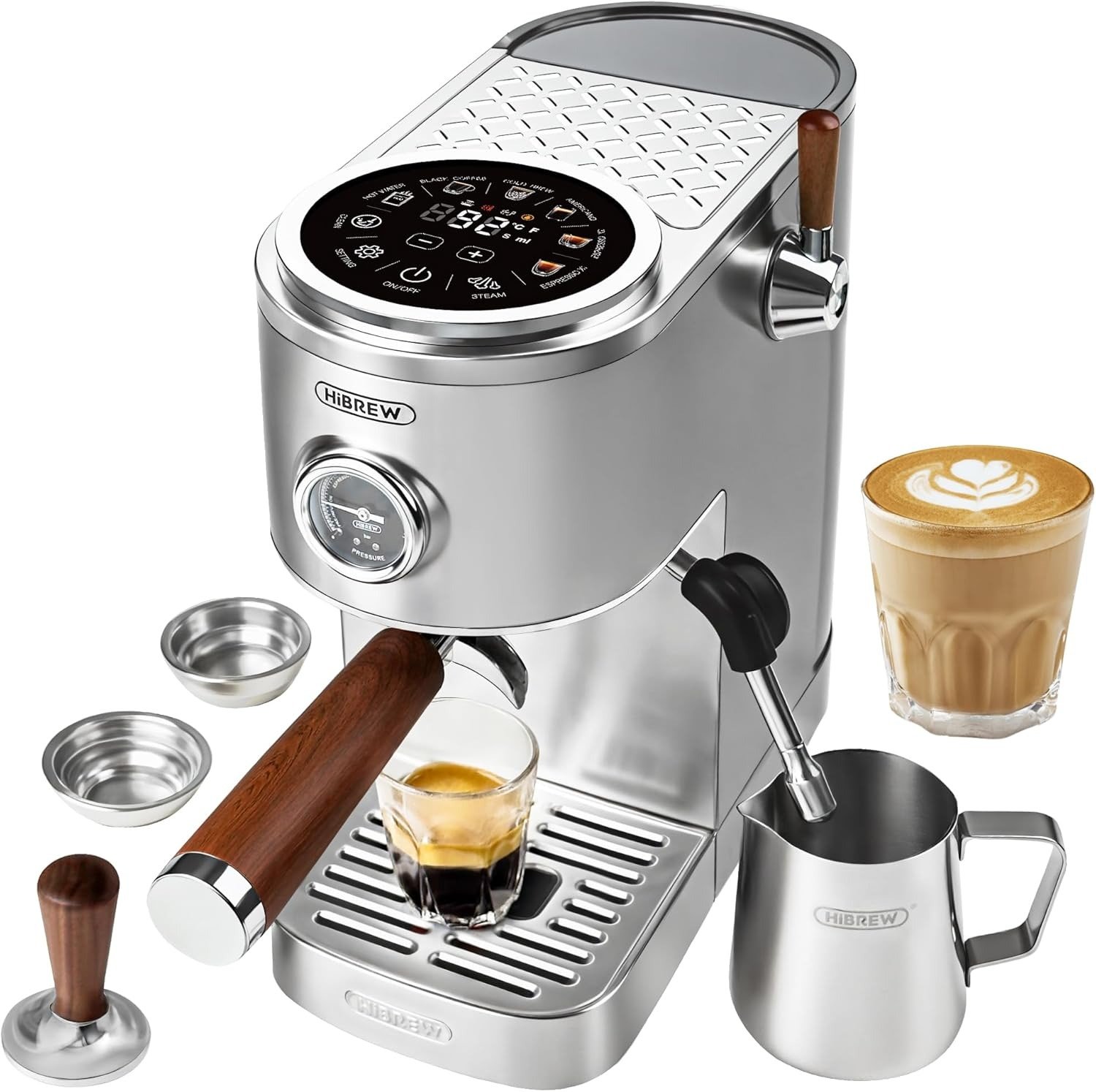
On paper, the machine feels powerful.
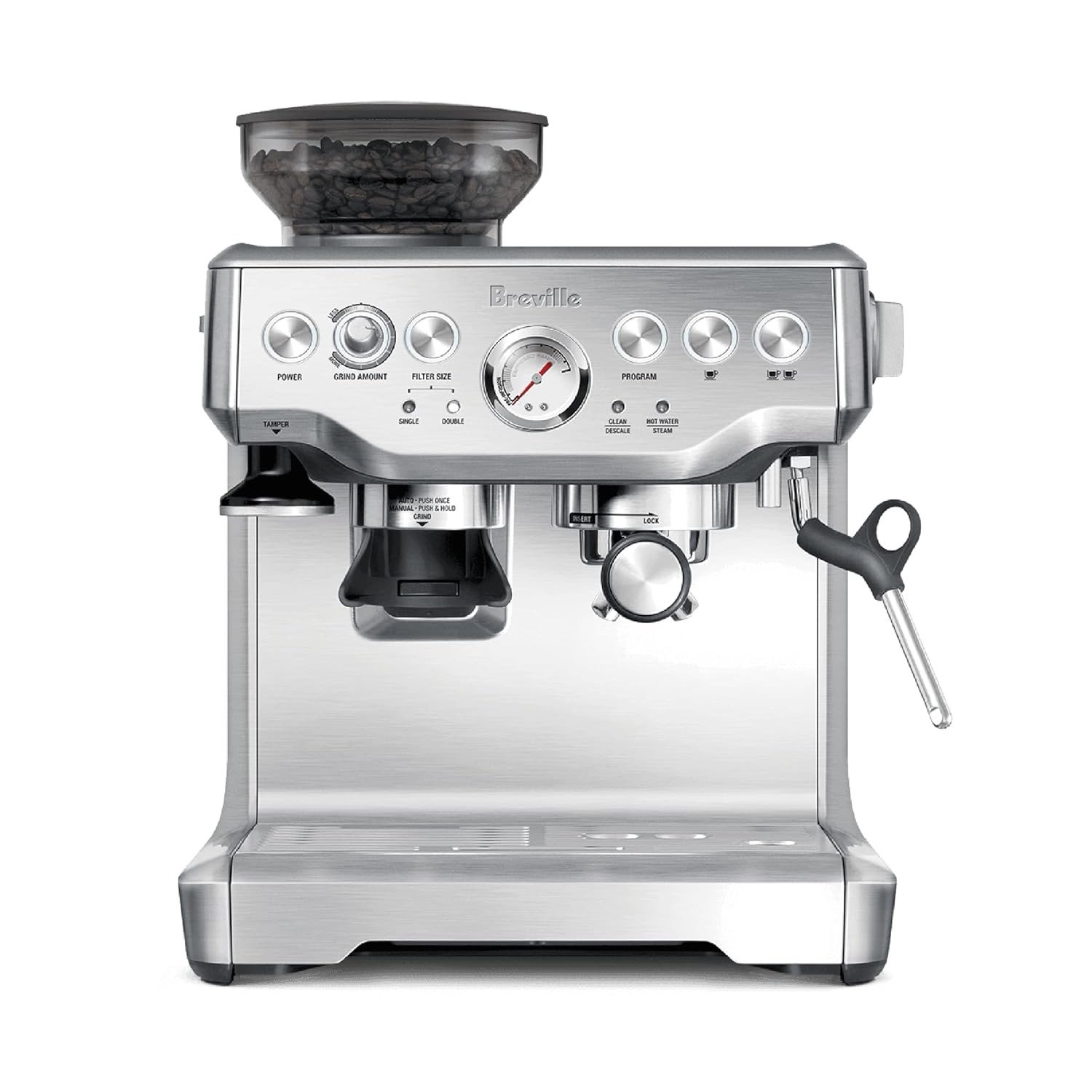
20-bar pump.
1500W heating.
58mm portafilter.
Pre-infusion.
Multiple grind steps.
Temperature selection.
Impressive numbers.
But numbers are not stability.
The first crack appears when your puck stops being perfect.
A slightly uneven tamp.
A bean that degasses differently.
A grind that shifts microscopically.
If pressure delivery spikes instead of flowing progressively, extraction swings.
Why does this matter?
Because most home users do not live inside ideal conditions.
We live inside mornings.
Stability is not how strong a machine is.
It is how calm it stays when we are not precise.
Expert note:
A stable system absorbs imperfection.
An unstable system magnifies it.
The Grinder Convenience Trap—Where Control Quietly Slips
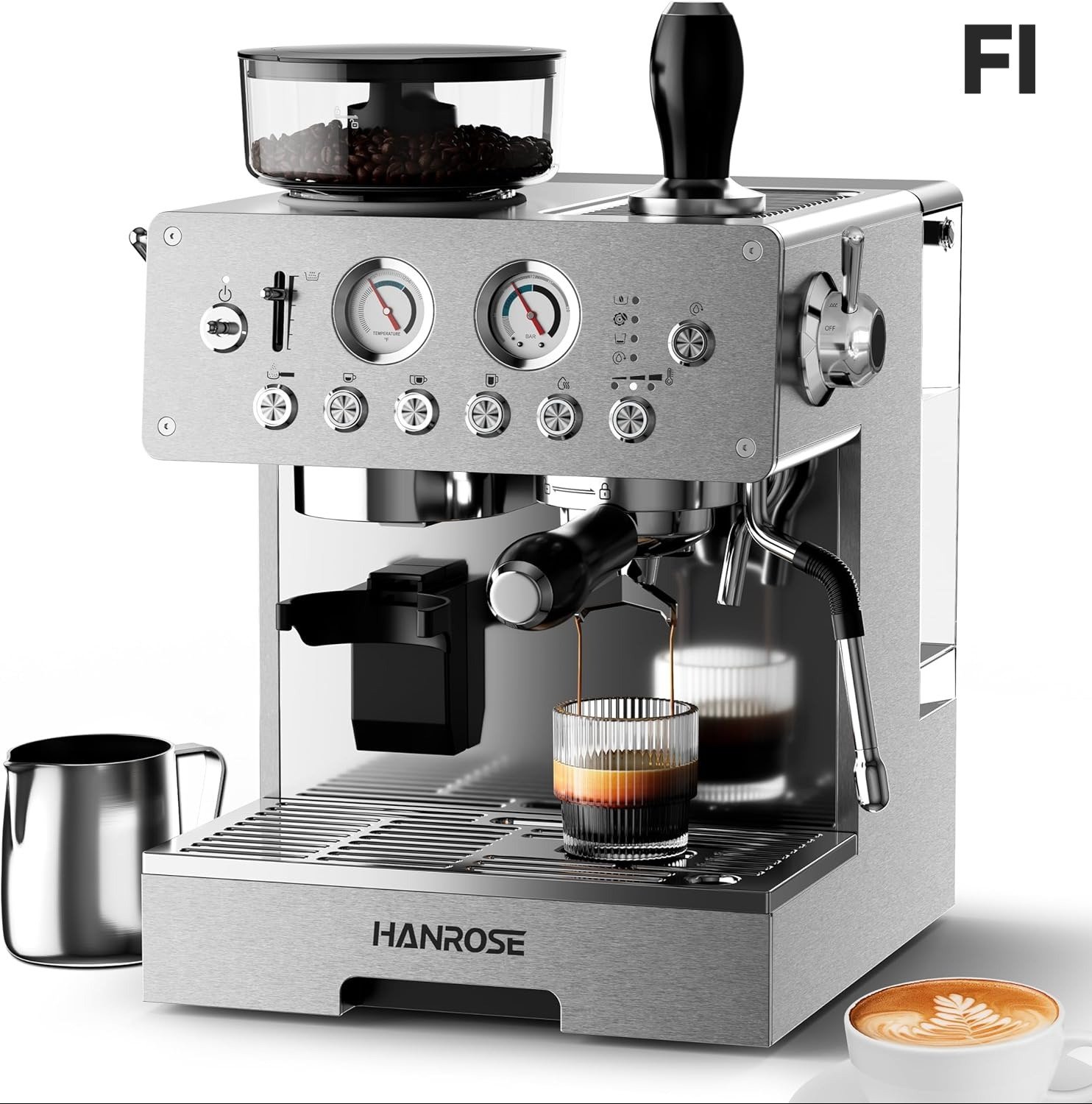
Integrated grinders feel liberating.
No extra counter space.
No separate dialing ritual.
But here is the hidden threshold:
Retention.
When grounds remain inside the chamber, dose shifts happen invisibly.
Week one: shots feel consistent.
Week three: something feels slightly bitter.
Week four: you adjust grind, but the flavor still drifts.
Why?
Because old fines mix with fresh grind.
Because static alters distribution.
Because cleaning frequency becomes performance control.
Understand grind retention behavior → 🔗 [Grind Stability and Residual Load Dynamics]
This is where many users emotionally detach.
Not because the machine is bad.
But because the system quietly becomes nonlinear.
Expert advice:
If you cannot commit to cleaning discipline, integrated systems demand more than they appear to.
Steam Power Versus Milk Reality—The Foam Illusion
Steam speed sounds attractive.
“Froth in 30 seconds.”
Yes, speed is exciting.
But microfoam is not speed.
It is texture under control.
The real question:
Does steam stay dry and stable when transitioning from extraction heat to milk heat?
Or does power fluctuate?
Because when steam pulses unevenly, milk stretches aggressively at first—then collapses.
You do not notice this in week one.
You notice it when your latte art stops behaving.
Why does cappuccino foam feel airy some days and silky on others?
Thermal recovery.
Steam recovery thresholds explained → 🔗 [Steam Stability Under Transition Load]
Expert advice:
If milk drinks are your daily ritual, observe transition stability—not marketing seconds.
The Rating Split That Signals a Structural Risk Boundary
When I examined user sentiment patterns, I noticed something important:
High 5-star enthusiasm.
Noticeable 1-star failures.
That is not mild dissatisfaction.
That is polarization.
Why does this happen?
Because feature density creates excitement.
But reliability variability creates emotional rupture.
Early-life failure is not a taste issue.
It is a trust fracture.
If a machine works beautifully for 90 days, most users forgive minor quirks.
If it fails in week two, the entire system feels broken.
This is not about fear.
It is about threshold awareness.
Expert filter:
If you have low tolerance for returns or warranty friction, reliability variance must weigh heavier in your decision.
The Real Question Is Not “Is It Worth It?” but “Which Scenario Am I Buying?”
Scenario one:
You enjoy calibration.
You treat espresso as ritual.
You accept nonlinear behavior as part of craft.
This system can feel empowering.
Scenario two:
You want dependable milk drinks without emotional fluctuation.
You must monitor recovery behavior closely.
Scenario three:
You dislike maintenance cycles.
Integrated architecture will quietly test your patience.
Why does this distinction matter?
Because machines do not fail all users equally.
They fail specific lifestyles.
Lifestyle fit and system compatibility → 🔗 [Decision Pressure Mapping for Home Espresso]
Expert conclusion:
Authority is not feature count.
Authority is structural consistency under your daily behavior.
What I Learned After the Crema Stopped Impressing Me
The first week sells aesthetics.
The fourth week reveals architecture.
The real variable is not pressure.
Not wattage.
Not portafilter size.
It is stability under drift.
Ask yourself:
When my routine slips slightly, does the machine stay calm—or does it amplify error?
That answer determines your satisfaction curve.
Not the marketing sheet.
Not the unboxing moment.
Stability is the hidden machine inside the visible machine.
And once you see it, you cannot unsee it.