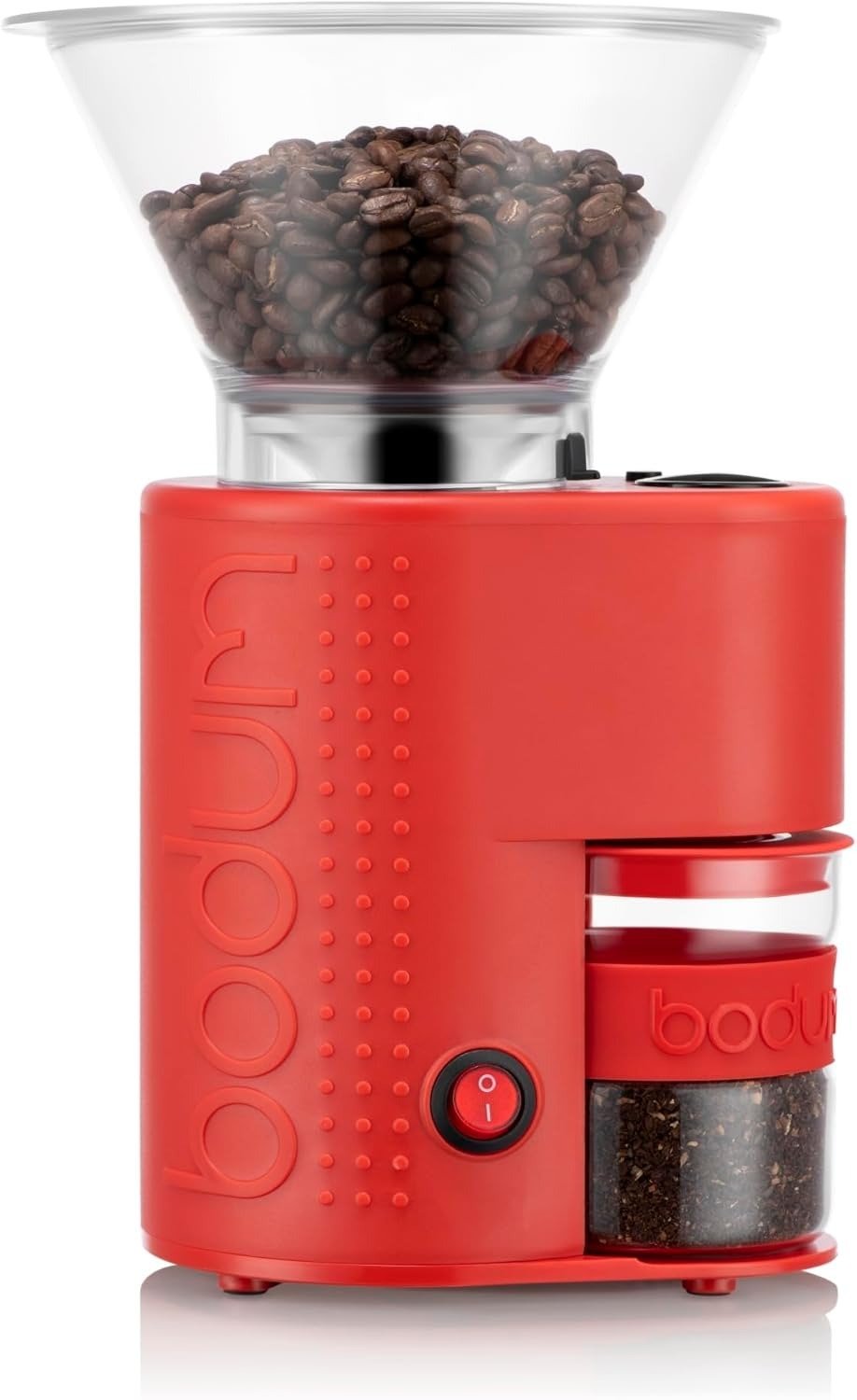
My Bodum Bistro Electric Burr Grinder Review: YOU’RE NOT BUYING A GRINDER. YOU’RE BUYING A SPECIFIC CEILING.
The Result Looks Fine. The Problem Isn’t.
You grind. The coffee smells fresh. The cup tastes better than yesterday’s pre-ground bag. You think: this works.
And it does — until it doesn’t. Not loudly. Not dramatically. Just quietly, incrementally, in the background of every morning you keep expecting more from a machine that already gave you everything it had.
That’s the real shape of this purchase. Not a failure. Not a scam. A ceiling — fixed, honest, and completely invisible until you’ve been living just below it for six months.
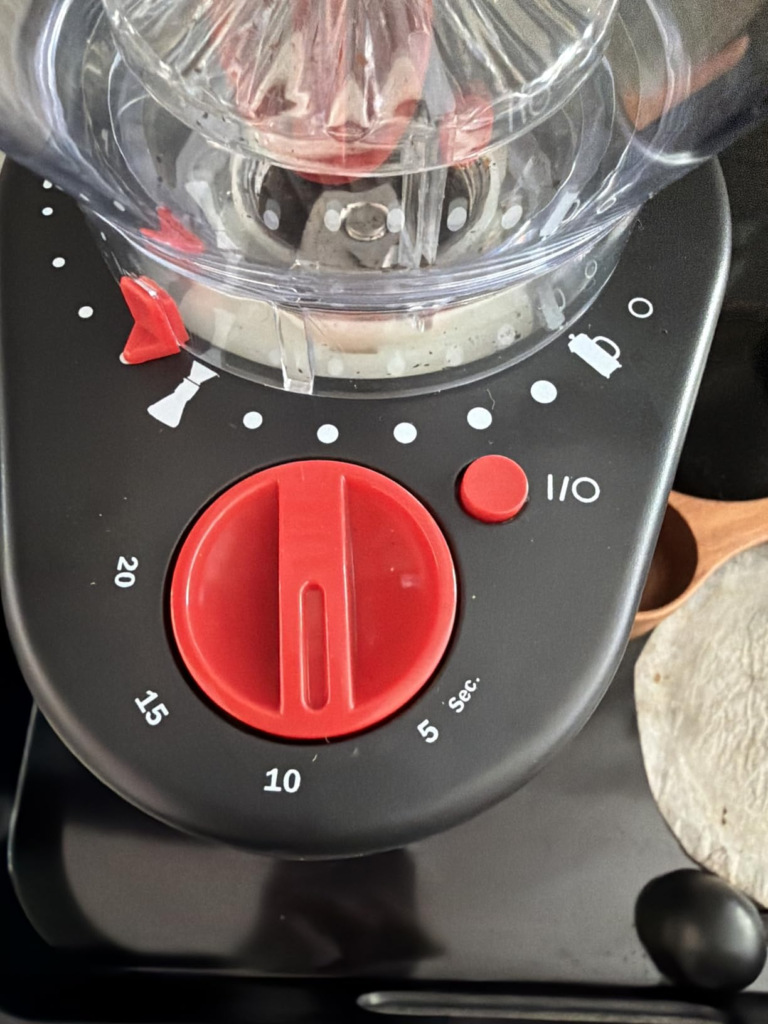
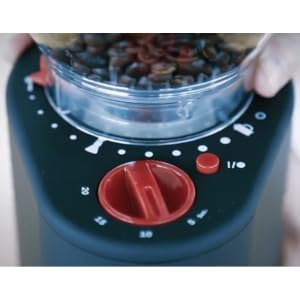
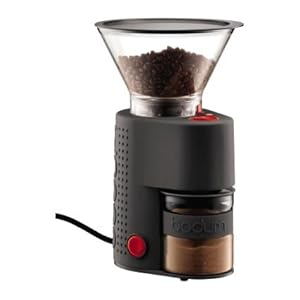
The Bodum Bistro Electric Conical Burr Grinder is a $50–$80 machine with 35mm stainless steel conical burrs, a 160-watt motor running at 720 RPM, 12 grind settings, a built-in preset timer, and a borosilicate glass grounds catcher. On paper, that is a respectable entry-level package. In use, it delivers on most of what it promises — inside a very specific band of brewing methods and user profiles.
The problem is that most people buy it outside that band. Not because they’re wrong. Because nothing in the marketing told them where the band ends.
This review draws that line.
What You’re Actually Feeling but Not Naming
There’s a specific kind of dissatisfaction that shows up around month three or four of owning this grinder.
It’s not “the coffee is bad.” It’s more like: the coffee is never quite as good as I expected when I bought this thing. There’s a faint flatness. A slight bitterness you can’t place. A grind that looks right but produces a cup that feels like it’s missing something you can’t name.
You’ve upgraded from a blade grinder. You’ve moved to whole beans. You did everything right. And yet the gap between what you imagined and what you’re drinking is still there, just smaller and more confusing than before.
What’s happening is thermal: the 160-watt motor spins the burrs at high RPM, generating friction heat that begins degrading the aromatic oils in the beans before the water even touches them. You can’t see it. You can’t taste it as “heat.” You just taste it as absence — a slightly muted version of what the bean was supposed to be.
This is not a defect. This is physics operating exactly as designed at this price point and motor architecture.
The Hidden Mechanism Behind the Miss
Most grinder marketing focuses on burr type — conical vs. flat, steel vs. ceramic — as if burr geometry were the only variable. It isn’t.
Small coffee particles (called fines) extract almost instantly, releasing bitter tannins. Large particles (called boulders) take too long, contributing sour, grassy notes. A cheap grinder gives you both bitter and sour in the same cup.
The Bistro’s 35mm steel conical burrs and 720 RPM motor do produce a consistent grind — and they will leave any blade grinder behind on consistency. But the burrs are not the top of the market at this price range.
The deeper issue is grind setting resolution. The Bistro offers 12 grind settings from coarse to fine. The Baratza Encore — its closest competitor at roughly double the price — offers 40. Fewer settings doesn’t mean worse coffee. It means less room to correct. Less ability to dial in a specific bean, roast level, or brewing variable. If your ideal grind sits between settings 5 and 6, you’re choosing the lesser of two imprecisions, not achieving precision.
The fine settings on the Bistro are too far apart in their fineness, requiring extensive calibration to achieve the precision that espresso demands.
The Bistro grinds. It grinds consistently, within its range. The mechanism that fails isn’t the burrs — it’s the resolution.
The Threshold Where the Outcome Quietly Breaks
Call this the Bistro Precision Threshold: the point at which the grind’s limited adjustability stops being “good enough” and starts actively limiting your cup.
Here’s where that threshold sits, mapped against brew method:
| Brew Method | Bistro Performance | Threshold Status |
|---|---|---|
| Drip Coffee (auto) | Strong ✓ | Well inside threshold |
| Pour Over (Chemex, V60) | Good ✓ | Inside threshold |
| AeroPress | Good ✓ | Inside threshold |
| Moka Pot | Acceptable ✓ | Near threshold edge |
| French Press | Inconsistent ⚠️ | At or past threshold |
| Non-pressurized Espresso | Poor ✗ | Outside threshold |
| Pressurized Portafilter Espresso | Marginal ✓/⚠️ | At edge |
At the coarse end, the grind the Bistro produces is fairly inconsistent — this is problematic specifically for French press users, though it performs well for other brew methods including espresso-adjacent fine and medium grinds.
For espresso specifically: the Bistro cannot grind finely enough, or consistently enough, for a true non-pressurized espresso shot. If you have a serious espresso machine, you need a dedicated grinder — likely a $300+ model designed for that purpose.
The threshold is not subjective. It’s architectural. The machine has 12 settings and a high-RPM motor. Those are fixed constraints, not bugs.
Why Most Buyers Misread This Too Early
The mistake isn’t buying the Bistro. The mistake is buying it with the wrong mental model of what “burr grinder” means.
Most people who switch from blade to burr grinder treat it as a category upgrade — as if every burr grinder is a step toward the same destination, just at different speeds. That mental model creates predictable errors:
Error 1: Treating “12 settings” as coverage.
Having settings labeled “espresso” to “French press” doesn’t mean achieving ideal results at both extremes. Labels describe range, not performance quality at each point.
Error 2: Assuming the glass catcher solves the static problem entirely.
Static is caused by high-speed friction between plastic and steel components. The glass catcher helps — but low humidity and dark roasts will still create static. The Ross Droplet Technique (adding a single drop of water to beans before grinding) reduces this significantly. The glass catcher is a partial solution, not a complete one.
Error 3: Comparing price to price, not longevity to longevity.
The stainless steel burrs are durable, but the plastic internal gearing has proven to be a failure point for a significant number of users. After about 14 months of light use — five or six grinds per week — one user reported a plastic drive gear breaking, with bits of gear material falling onto the counter. Bodum does not sell replacement parts for this component.
Bodum offers only two replacement parts for the Bistro: a replacement glass grounds catch and what appears to be the outer burr. There is no motor, no wiring, no internal gear replacement available. The implicit message: buy a new grinder if something goes wrong.
The $50 price tag is real on day one. The $50 replacement cost may also be real on day 500.
Who Is Actually Inside This Problem
The Bistro is the right grinder for a specific type of coffee drinker. That person is identifiable.
You are inside this grinder’s actual fit if:
- You brew primarily with drip, pour over, or AeroPress.
- You drink one to two cups per day, most days.
- You are moving away from pre-ground or blade-ground coffee for the first time.
- You do not own an espresso machine, or you own one with a pressurized portafilter.
- You want something that looks good on a counter and doesn’t require technical calibration every morning.
- You expect to replace it in three to five years and are comfortable with that as the cost of entry-level quality.
Long-term users who fit this profile — daily French press, occasional guests, no precision demands — frequently report using the Bistro for four to ten years, sometimes replacing a single burr component and continuing. The machine can last. It lasts longest when you’re not asking it to perform outside its design band.
Where Wrong-Fit Begins
You are outside this grinder’s actual fit — and likely heading toward regret — if:
- You own or plan to buy a non-pressurized espresso machine and expect the Bistro to serve it.
- You are a French press-only drinker who’s particular about texture and clarity in the cup.
- You roast light and care about preserving delicate floral or fruity notes (thermal degradation hits light roasts hardest).
- You grind more than 20–25 grams daily, approaching the limits of the 7.75-ounce hopper regularly.
- You expect a single grinder to be the last grinder you ever buy.
- You want a machine you can repair yourself or have repaired if something breaks.
One verified buyer described the motor dying just after clearing the two-year warranty period — and being unable to have it repaired for any price, because Bodum doesn’t support post-warranty repairs. The environmental consequence — a non-functional $100 machine that can’t be repaired, donated, or responsibly discarded — is a real cost that doesn’t appear in the listing price.
The wrong-fit isn’t about the grinder being bad. It’s about the mismatch between expectation and architectural ceiling.
The One Situation Where This Product Becomes Logical
If you are brewing drip or pour over coffee, drinking two cups or fewer per day, coming from a blade grinder or from pre-ground, not planning to run a dedicated espresso setup, and spending under $80 — the Bodum Bistro Conical Burr Grinder is the structurally correct choice.
Not because it’s perfect. Because it’s the most precise tool available inside that specific set of constraints.
The borosilicate glass catcher reduces static meaningfully compared to plastic-bodied competitors. The hopper and burr detach easily for cleaning, the grounds container and lid are dishwasher-safe, and the overall maintenance routine is lighter than most comparably priced alternatives. The preset timer means you grind exactly what you need and stop — no overfilling, no stale excess.
At the finest settings, the Bistro produces impressively uniform grounds — making it a logical choice for moka pots and pressurized portafilter espresso machines, where precision micro-adjustment is less critical.
For the drip-and-pour-over drinker, it delivers a cup that is structurally better than anything produced by a blade grinder, at a price that doesn’t require a significant commitment to coffee as a hobby.
That’s the use case. It’s a real use case. It fits a large number of actual households.
What It Solves, What It Reduces, and What It Still Leaves to You
| Category | What the Bistro Delivers |
|---|---|
| Solves completely | Blade grinder inconsistency; pre-ground staleness; counter-space waste |
| Meaningfully reduces | Static buildup (glass catcher); grind mess (preset timer stops over-grinding) |
| Partially reduces | Coarse grind inconsistency; fine-grind thermal degradation |
| Does not solve | Espresso-grade precision; repairability; plastic gear failure risk |
| Still requires you | French press calibration; static management in dry climates; replacement planning at 2–4 year horizon |
The Bistro improves your coffee. It does not complete your coffee setup. If you understand that boundary going in, the purchase performs exactly as described.
If you don’t understand it going in, the dissatisfaction will arrive quietly, around month four, in a cup that’s better than it was but not what you imagined when you bought the machine.
Final Compression
The Bodum Bistro Electric Conical Burr Grinder is a threshold machine. It sits at the exact line between “coffee drinker” and “coffee enthusiast,” and it serves the former well and the latter inadequately.
Here is the compressed decision logic:
Buy it if: You make drip, pour over, or AeroPress coffee, you’re leaving a blade grinder or pre-ground routine, and you don’t own a non-pressurized espresso machine.
Don’t buy it if: You’re a French press purist, an espresso dialer, or someone who expects to repair rather than replace.
The honest cost: ~$50–$80 at entry. Likely $50–$80 again within two to four years if usage is daily and you expect the same machine.
The honest gain: A measurable, real improvement in cup quality for the methods that fit — without requiring you to become a coffee technician to get there.
If your brewing setup and daily volume match the profile above, the Bistro is not a compromise. It’s the structurally correct tool at this price point.
If you are already past that profile — or planning to be — the decision is simpler than it looks: step up once rather than replacing twice.
Frequently Asked Questions
| Question | Answer |
|---|---|
| Q: Can the Bodum Bistro grind fine enough for espresso? | The Bistro can grind fine enough for espresso machines with pressurized portafilter baskets, where precision micro-adjustment is less critical. For non-pressurized, single-basket espresso setups, the 12-setting range lacks the resolution to dial in a proper shot. Expect underwhelming espresso if your machine is high-end. |
| Q: How long does the Bodum Bistro actually last? | Real-world user data shows a wide range — from 14 months (plastic gear failure under light use) to 8–10 years (daily use, occasional burr replacement). Build quality variation is a documented pattern. The two-year warranty is the structural baseline, not a guarantee of longevity beyond it. |
| Q: Is the glass catcher worth it over the plastic version? | Yes — for one specific reason. The glass catcher meaningfully reduces static cling, which means less grounds waste and less mess on your counter after each grind. It’s not a complete solution, but it’s a real improvement over the plastic-bodied model. |
| Q: Can I get replacement parts if something breaks? | Practically speaking, no. Bodum offers only the glass catcher and outer burr component as replacements. Internal gears, motor components, and wiring are not available. If a critical internal part fails, the machine is not repairable through official channels. |
| Q: What’s the biggest mistake people make when buying this grinder? | Assuming that 12 settings labeled “espresso to French press” means full, optimized coverage of both extremes. The labels describe range, not performance quality at each point. The Bistro performs well in the middle of that range — drip, pour over, AeroPress — and less reliably at both ends. |
| Q: How does it compare to the Baratza Encore? | The Encore offers 40 grind settings versus the Bistro’s 12, is fully repairable with widely available parts, and produces more consistent grinds across the full range — particularly at coarse settings. The Encore costs roughly twice as much. If you plan to keep a grinder for 5+ years, or you grind for both espresso and coarse methods, the Encore is the structural investment. If you brew one method daily and expect to replace the grinder in three to four years, the Bistro’s price point is justified. |
| Q: Does the Bistro work well for French press? | Partially. Users report acceptable results, but the coarse grind setting produces measurably less consistency than the medium-to-fine range. If French press is your only brewing method and you’re particular about texture and clarity, the inconsistency at the coarse setting will eventually frustrate you. |
Transparency Note:
This analysis is built on aggregated real-world experience.
It extracts what repeatedly holds, what breaks, and what users uncover only after living with the system — then shapes it into a clear model you can use immediately.
Think of it as structured experience, refined and presented so you don’t have to learn it the hard way.
“A quick note: Don’t believe the star ratings, but trust personal experience. This article is a compilation of collected experiences”