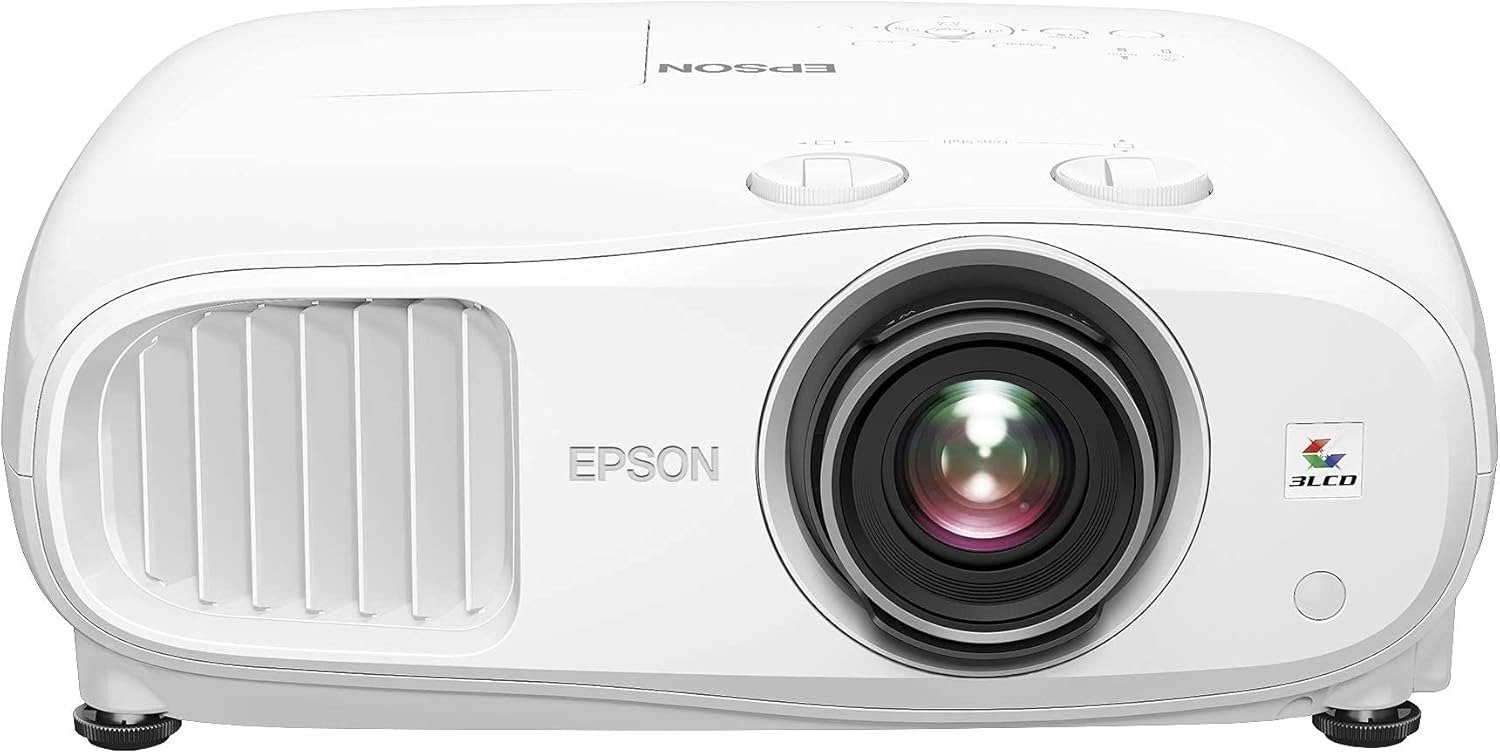
Epson Home Cinema 3800 4K Projector — What Buyers Often Miss
ANALYSIS FRAMEWORK
Opening Context
Most people approach a 4K home projector expecting resolution to be the defining factor.
In reality, long-term satisfaction depends on a different mix of variables that rarely appear clearly in spec sheets.
The Epson Home Cinema 3800 4K projector sits in a category where expectations are high, but decision mistakes are common.
This article exists to clarify how this product category actually performs in real home environments — before any buying decision is made.
Understanding the Home Cinema Projector Category
Home cinema projectors are not designed to compete directly with televisions.
They solve a different problem: scale and immersion.
Buyers typically enter this category when screen size becomes more important than absolute brightness or plug-and-play simplicity.
The Technical Reality Behind 4K PRO-UHD and 3LCD
On paper, “4K” looks straightforward.
In practice, implementation matters more than the label.
The Epson Home Cinema 3800 uses a 4K PRO-UHD processing system combined with a 3-chip 3LCD engine.
This design prioritizes color accuracy and brightness consistency over raw pixel density marketing.
During extended viewing sessions, this approach tends to deliver:
- More stable color reproduction
- Fewer visual artifacts
- Better balance between brightness and contrast
These factors become noticeable over time, especially in mixed-use rooms rather than fully dark theaters.
Real-World Viewing Experience Over Time
Initial impressions with a home projector are often positive.
What separates a good long-term experience from disappointment is how the image holds up after weeks of use.
With projectors in this category, users typically notice that:
- Bright scenes maintain clarity without washing out colors
- HDR content benefits more from brightness balance than extreme contrast
- Eye fatigue is lower compared to some single-chip alternatives
This is where category-level understanding becomes more valuable than isolated specs.
Hidden Decision Factors Most Buyers Overlook
Many purchase decisions fail because buyers focus on resolution alone.
In reality, satisfaction depends on:
- Room lighting control
- Throw distance and placement flexibility
- Screen surface quality
- Noise tolerance during extended operation
Ignoring these factors leads to mismatched expectations, even with technically capable projectors.
Market Expectations vs. Practical Use
Marketing often frames home projectors as direct TV replacements.
User experience data suggests otherwise.
Projectors like the Epson Home Cinema 3800 perform best when buyers:
- Intentionally design their viewing environment
- Accept minor setup complexity
- Value cinematic scale over instant convenience
This explains why satisfaction levels are highest among users who understand the category before purchasing.
Decision Framework for This Category
Before evaluating individual models, a buyer should clarify:
- Whether immersion matters more than brightness
- If the room can support controlled lighting
- How often the projector will be used for gaming versus movies
Answering these questions simplifies later product comparisons and reduces post-purchase regret.
Closing Perspective
This article does not recommend a purchase.
It establishes a decision framework.
Once the category is understood correctly, evaluating a specific model becomes a logical next step rather than an emotional one.