Brondell Swash S1400 Decision: The Dryness Threshold Test
DECISION ANALYSIS
When I evaluate a bidet seat, I don’t start with the feature list.
Instead, I ask one simple question.
After completing the full routine, including the dryer cycle, do I still reach for toilet paper?
If the answer is yes, the system hasn’t crossed the Dryness Threshold.
If the answer becomes no, the seat has done its job.
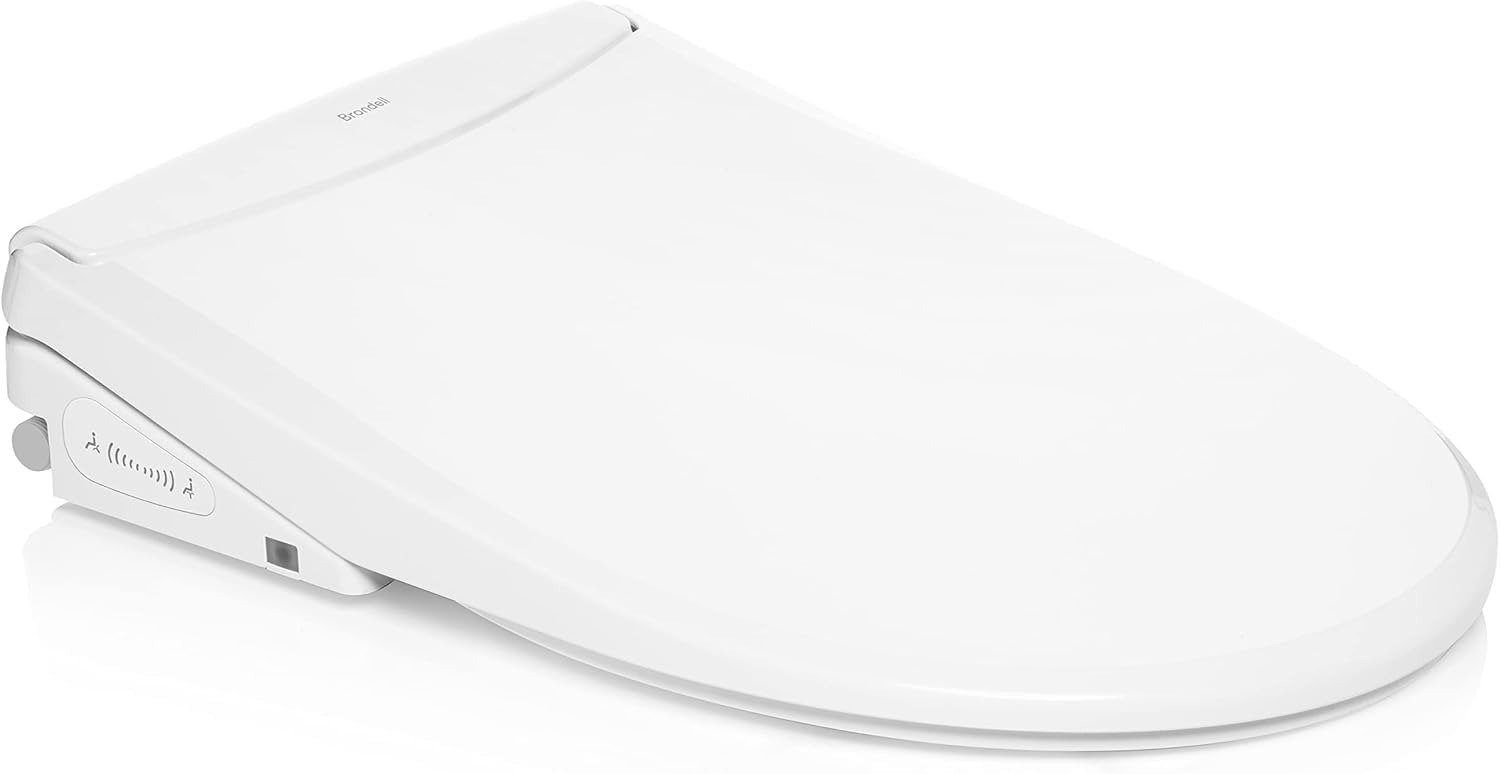
That is the lens through which I tested the Brondell Swash S1400.
What the S1400 Is Designed to Stabilize
The S1400 focuses on stabilizing three parts of the routine.
The first is washing accuracy.
Multiple spray positions and wash modes allow the user to adjust the stream until it reaches the correct target without repeated cycles.
The second is thermal comfort.
A heated seat and warm air drying system make it easier to remain seated long enough for the process to finish.
The third is habit stability.
Two programmable user presets allow each person in a household to return to the same configuration without re-adjusting controls.
These elements may seem like luxury features, but in practice they serve a practical purpose.
They increase the probability that the routine ends without correction.
Compatibility Split: Who This Seat Works For
Bathroom Geometry Compatibility
The Swash S1400 is available in both elongated and round configurations.
Before installation, the toilet shape must match the correct seat type.
It also requires sufficient clearance behind the mounting bolts and access to a nearby electrical outlet.
Bathrooms that lack power access near the toilet will require additional preparation before installation.
Water Condition Compatibility
The seat performs most consistently in environments where water pressure is stable and sediment levels are low.
Homes with mineral-heavy water supplies can still use the seat, but long-term performance may depend more heavily on routine maintenance.
Small changes in internal flow resistance can influence spray consistency over time.
Users who periodically inspect and maintain the system typically report more stable long-term performance.
Household Behavior Compatibility
The final compatibility factor is behavioral.
The dryer system works best when users allow the cycle to finish rather than standing up early.
Households that rush the process may feel the system leaves the routine unfinished.
Those who allow the drying cycle to complete often report that toilet paper gradually becomes unnecessary.
In other words, the seat works best when the user’s behavior aligns with the product’s design.
Behavior and Time: How Performance Evolves
The first week with the S1400 usually involves experimentation.
Users adjust spray strength, position, and temperature until the routine feels comfortable.
By the first month, the presets typically lock in preferred settings, and the process becomes automatic.
Over longer periods, subtle drift can appear.
This drift usually comes from environmental factors such as mineral buildup or from behavioral shortcuts like skipping the dryer cycle.
When the system is maintained and the routine remains consistent, the seat tends to maintain stable performance over time.
Key System Components
| Component | Operational Role | Impact on Dryness Threshold |
|---|---|---|
| Warm water system | Maintains consistent water temperature during wash cycles | Encourages longer, more complete wash routines |
| Adjustable nozzle positioning | Improves targeting accuracy | Reduces need for repeat cycles |
| Warm air dryer | Provides finishing stage of the routine | Primary factor in crossing the Dryness Threshold |
| Heated seat | Improves comfort during longer cycles | Encourages users to remain seated during drying |
| User presets | Saves personalized settings | Reduces friction in multi-user households |
Failure Signals to Watch
Most long-term issues follow recognizable patterns.
One example is when the remote responds but the spray does not activate. This usually indicates a flow constraint rather than a control failure.
Another signal is inconsistent spray pressure that develops gradually over time. This can suggest internal flow resistance caused by sediment or mineral buildup.
Finally, unusual heat behavior or shutdown events should always be investigated immediately, as they can indicate protective system responses.
Recognizing these signals early allows users to correct the cause before the experience begins drifting below the Dryness Threshold.
The Decision Rule
My decision rule for the Swash S1400 became straightforward.
The seat makes sense when three conditions are met:
- The bathroom can physically support installation.
- The household environment supports stable water flow and basic maintenance.
- Users are willing to allow the full wash and dry cycle to complete.
When those conditions align, the system reliably moves the experience above the Dryness Threshold.
When they do not, even a premium seat may struggle to replace old habits.
The real test of a bidet seat isn’t its features.
It’s the moment when reaching for toilet paper simply stops being part of the routine.
Transparency Note:
This analysis is not based on quick personal impressions.
It is derived from documented system behavior, verified user patterns, and the physical constraints of storage capacity.
The goal is to translate complex technical behavior into a realistic performance model that helps you make a clear decision