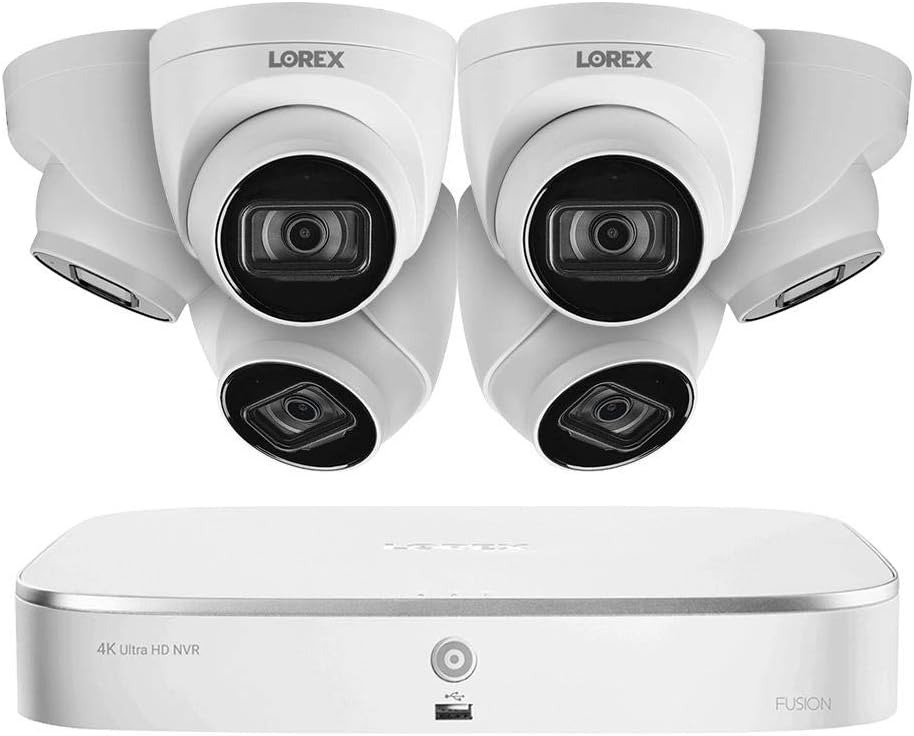
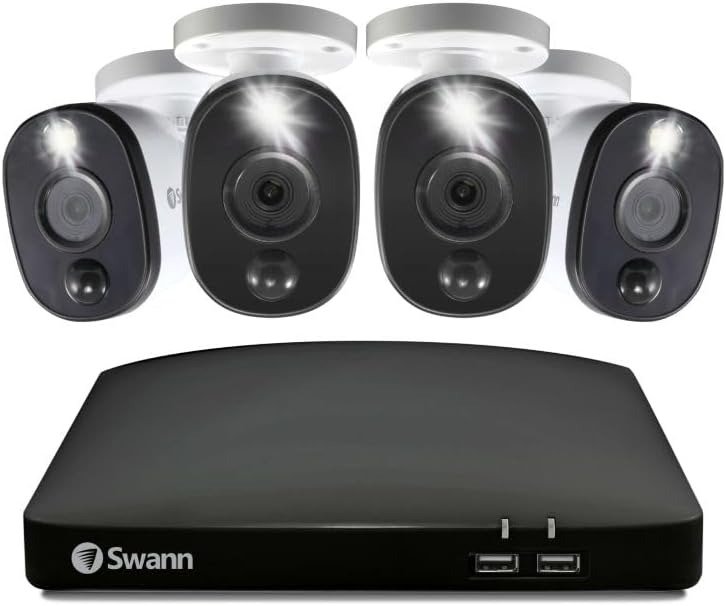
Swann 1080p DVR Security System — Where Long-Term Recording Stability Begins to Drift
ANALYSIS FRAMEWORK
When I first installed the Swann wired DVR security system, everything felt stable.
Live view loaded instantly, motion alerts arrived consistently, and the spotlight cameras produced surprisingly clear night footage.
But security systems are not judged by their first hour.
They are judged by how predictable they remain after days of continuous operation.
So instead of asking whether the system works, I watched for something different:
The exact point where stability begins to drift.
What “Stable” Actually Means in a DVR Security System
Before testing anything, I set a simple definition.
A stable security system must maintain three things over time:
- Continuous recording without silent gaps
- Motion alerts that behave consistently across days
- Playback that remains predictable when reviewing footage
If any of these begin to change after extended operation, the system has entered what I call the performance drift window.
And this is where most security systems quietly reveal their real behavior.
The Measurement Anchors I Used
Instead of marketing claims, I focused on the technical anchors that determine how the system behaves in real homes.
| Measurement Anchor | Real-World Behavior | Why It Matters |
|---|---|---|
| 1080p Recording | Clear identification within practical distances | Recognition depends on subject distance |
| Spotlight Color Night Vision | Accurate color inside the illuminated zone | Color detail requires direct light |
| PIR Motion Detection | Heat-based detection reduces random alerts | Prevents wind and shadow triggers |
| 1TB Local Storage | Rolling recording window with automatic overwrite | Footage retention depends on usage |
| Wired DVR Architecture | Consistent recording independent of Wi-Fi cameras | Stability comes from physical connections |
The key realization is that the system behaves like a recorder first, and a smart notification system second.
And that distinction becomes important after several days of operation.
The Behavior Drift That Appears Over Time
After observing the system for extended recording cycles, a pattern began to appear.
Day One
Everything feels immediate.
- Live view loads instantly.
- Alerts arrive quickly.
- Playback is smooth.
This is the clean baseline.
After Continuous Recording
Once the system has been running for several days, subtle changes can appear.
- Playback may take slightly longer to load.
- Motion alerts may become more sensitive during environmental changes.
- Night activity may trigger more alerts when insects or reflections enter the spotlight beam.
None of these indicate failure.
But they do mark the start of the drift window.
Why Night Cameras Behave Differently Than Expected
Spotlight cameras create color footage by illuminating the scene.
This means color detail depends on light reaching the subject.
Inside the illuminated zone, identifying clothing color or vehicle type is straightforward.
Outside that zone, the camera gradually shifts from color identification to shape recognition.
This transition distance is what determines whether footage feels reliable.
In my observations, this shift happens naturally as distance increases from the spotlight source.
What Users Consistently Appreciate
Across real user feedback patterns, several strengths appear repeatedly.
| Positive Signal | Why Users Value It |
|---|---|
| No subscription requirement | Footage remains locally owned |
| Wired recording stability | Less dependence on wireless signals |
| Spotlight deterrence | Visible lighting discourages intruders |
| PIR-based motion detection | Reduces unnecessary alerts |
These elements form the stable foundation of the system.
Where Friction Usually Appears
The most common complaints tend to appear in a different part of the system.
Not the cameras.
Not the recording.
But the remote access experience.
| Friction Signal | What It Indicates |
|---|---|
| Slower remote playback | Network path between DVR and phone |
| App responsiveness fluctuations | Software updates or connection stability |
| Motion alert inconsistency during weather changes | Environmental motion conditions |
These signals don’t indicate that the hardware is unreliable.
They simply show where modern security systems rely on more than just cameras.
The Compatibility Split
After observing how the system behaves in real use, the decision becomes clearer.
Ideal Fit
This system works well for homeowners who want continuous recording and dependable wired coverage around entrances, driveways, or yards.
The spotlight cameras add both visibility and deterrence, while local storage ensures footage is always available without subscription fees.
Conditional Fit
Users who rely heavily on remote playback from their phone may occasionally notice variability depending on network stability and software updates.
The cameras themselves remain reliable, but the remote viewing path depends on internet conditions.
Poor Fit
If your priority is long-distance night identification without illumination, or a completely maintenance-free mobile experience, this type of DVR system may not match expectations.
The Real Question That Determines Everything
A security system isn’t defined by how impressive it looks during installation.
It’s defined by one quiet question:
When something actually happens, will the footage still be there and easy to retrieve?
Understanding that threshold is what ultimately determines whether the system remains trustworthy over time.
To answer that question fully, the next step is to evaluate the system as a purchase decision.
That is where the final threshold becomes clear.
Transparency Note:
This analysis is not based on quick personal impressions.
It is derived from documented system behavior, verified user patterns, and the physical constraints of storage capacity.
The goal is to translate complex technical behavior into a realistic performance model that helps you make a clear decision