The First Five Days Felt Perfect. On Day Six, Something Changed Under Our Feet.
ANALYSIS FRAMEWORK
Why do robot vacuums feel flawless at the beginning… then subtly different a week later?
We didn’t see it.
We felt it.
The floors looked clean. Light reflected evenly. The routine ran daily without drama. But on the sixth day , walking barefoot across the kitchen, there was a faint resistance. Not sticky. Not wet. Just… wrong.
That was the moment we realized something most people never measure:
Every mop system has a saturation limit.
And when it crosses that limit, cleaning quietly turns into redistribution.
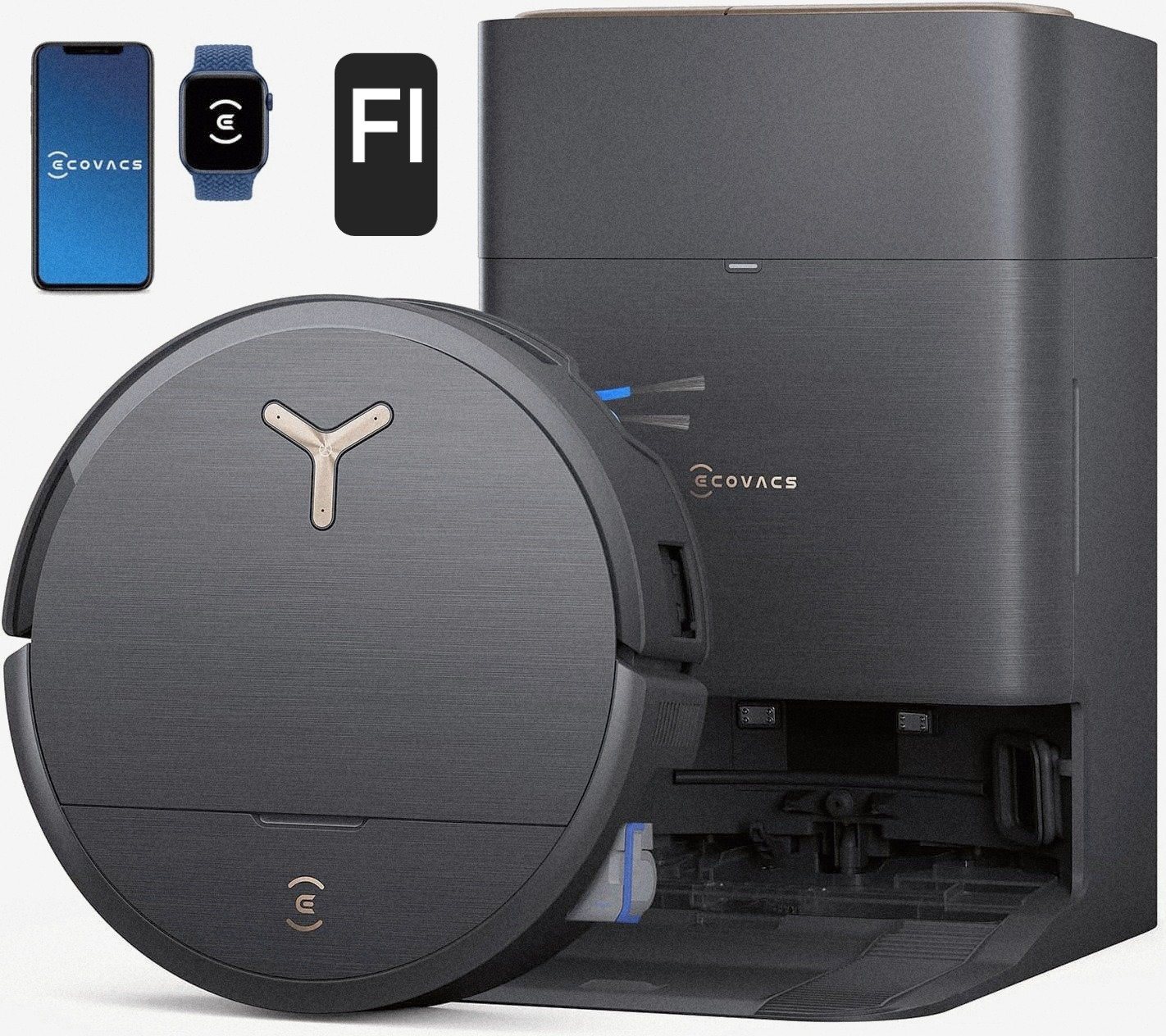
This is exactly why the architecture behind the ECOVACS X9 Pro Omni caught our attention.
Not because of suction numbers.
Because of what happens when contact surfaces start degrading under daily pressure.
Why Most Robot Mops Collapse Gradually — Not Dramatically
Why doesn’t failure announce itself?
Because it isn’t failure. It’s drift.
Here’s the mechanical path we’ve seen repeatedly:
Day 1–2: Mop surface is clean. Performance crisp.
Day 3–4: Hair accumulation begins increasing brush resistance.
Day 5: Mop pad saturation rises, but visually still acceptable.
Day 6–7: Residue begins redistributing in thin films under light.
You won’t see puddles.
You’ll notice:
- Slight haze under direct sunlight
- A softer, duller reflection on dark flooring
- A subtle shift in brush pitch when torque drops
That last sign matters. When resistance increases, the motor compensates. The sound changes slightly — sharper, higher.
That’s the audible threshold.
And most systems simply continue running past it.
The Saturation Threshold Nobody Talks About
Why does mopping feel “less fresh” even when the robot runs daily?
Because traditional pads absorb faster than they refresh.
Once absorbed debris exceeds cleaning capacity, the contact surface becomes a carrier.
That is the exact instability point.
The X9 Pro Omni approaches this differently through its continuous self-washing roller. Instead of dragging a static pad across rooms, the roller is refreshed during operation, reducing the window where saturation crosses that invisible threshold.
If your home produces daily pressure — cooking oils, pet hair, tracked dust — that threshold is reached quickly.
If your home is low-traffic, you may never hit it.
That is the first decision split.
Hair Wrap — The Quiet Torque Killer
Why do some robot vacuums lose effectiveness after weeks?
Because torque declines before suction does.
Hair begins wrapping around the brush axle.
Drag increases.
Rotation efficiency drops.
Pickup weakens.
Repeat passes increase.
You won’t see it immediately.
But you’ll notice more debris near baseboards.
The ZeroTangle 2.0 system is designed to resist that wrap before torque decline begins.
If your household generates long hair or shedding fur daily, torque preservation is not optional. It’s the difference between stable performance and creeping inefficiency.
The Wet Carpet Risk — A Single Event That Creates Regret
Why does one mistake ruin trust?
Because wet carpet doesn’t feel like drift. It feels like damage.
Mixed flooring creates a critical transition zone. If mop moisture transfers onto carpet, odor risk and fiber stress follow.
The X9 Pro Omni uses a Triple Lift system that separates mop and brush engagement depending on surface type.
That separation prevents one of the fastest regret triggers in robot ownership.
If you have mixed flooring, this mechanism matters.
If your home is single-surface, it may not.
Second decision split.
Dock Hygiene — Where Drift Either Stops or Multiplies
Why do some self-cleaning robots develop odor after a month?
Because the dock becomes a moisture chamber.
If mop washing doesn’t include proper hot water cleansing and thorough drying, bacteria growth accelerates.
The X9 Pro Omni integrates hot-water washing and heated drying in its OMNI station to reduce that compounding risk.
Here’s the observable anchor:
If drying is incomplete, you’ll detect faint damp odor within 3–5 days of consecutive cycles.
If drying is thorough, the dock interior remains neutral even after a week of daily use.
This is not marketing. It is microbial physics.
High-Friction vs. Low-Friction Homes — The Real Divergence
Why do reviews feel polarized?
Because environments differ.
High-friction homes:
- Daily cooking
- Pets
- Mixed flooring
- Heavy foot traffic
→ Saturation threshold is reached quickly.
→ Torque loss happens faster.
→ Dock hygiene matters deeply.
→ Engineering-level stabilization is justified.
Low-friction homes:
- Light traffic
- Minimal shedding
- Occasional mopping
- Mostly carpet or mostly hard floor
→ Threshold rarely crossed.
→ Hair wrap minimal.
→ Drift slow.
→ Simpler machines remain stable.
The ECOVACS X9 Pro Omni is engineered for the first category.
If your home doesn’t generate pressure, its advanced stabilization may feel unnecessary.
If your home does, simpler systems degrade quietly within weeks.
Why This Is Not About 16,600Pa
Suction is impressive.
But suction doesn’t prevent saturation.
Suction doesn’t stop torque decline.
Suction doesn’t dry a mop correctly.
Stability is multi-variable:
- Contact surface freshness
- Brush resistance control
- Surface separation precision
- Moisture management
When these remain stable, cleaning feels invisible.
When one crosses its limit, you feel drift — even if you can’t name it.
The Only Question That Matters
Why does this machine either feel like overengineering… or like relief?
Because relief only appears when instability existed before.
If you’ve ever noticed:
- A faint film returning despite daily runs
- Hair accumulation forcing manual cleaning
- Dock dampness after multiple cycles
Then you’ve seen threshold behavior.
If not, you may not need this architecture.
No universal verdict.
Just this:
When the mop crosses its saturation limit, cleaning flips.
Some machines let it happen.
Some are built to delay it.
**This analysis is based on aggregated user feedback, verified buyer reviews, and technical documentation. It is designed to provide structured clarity rather than personal opinion**