MOEN SMART WATER DETECTOR REVIEW: I TRACED EVERY FAILURE REPORT BACK TO ONE STEP BUYERS SKIP
The Result Looks Fine. The Problem Isn’t.
Most homes that flood quietly don’t look broken the day before. The basement is dry, the laundry room smells normal, the water heater hums the same way it always has. Then one slow drip behind a wall or under a sump pump runs for weeks before anyone notices, and by then it isn’t a repair, it’s a claim.
That’s the gap a leak detector is supposed to close. But here’s what the spec sheet won’t tell you: a meaningful share of the complaints attached to this exact product line have nothing to do with the sensor missing water. Across aggregated owner feedback for the Moen detector, 229 customers raised reliability as a theme, with 96 describing it positively and 133 describing it negatively. That’s not a verdict on whether the device can sense moisture. It’s a signal that something else, earlier in the process, is where most of the disappointment actually lives.
What You’re Actually Feeling but Not Naming
If you’re reading this, you’re probably not worried about water itself. You’re worried about not knowing — about a leak running for days while you’re at work, asleep, traveling, or simply in a different part of the house from the one that’s failing.
That’s a specific kind of anxiety, and it has a name: intervention burden. You can’t physically check a sump pump pit, a water heater closet, or a crawlspace every hour. You’re not buying a sensor. You’re buying back your ability to notice something you’d otherwise never see until it was too late to matter.
The Hidden Mechanism Behind the Miss
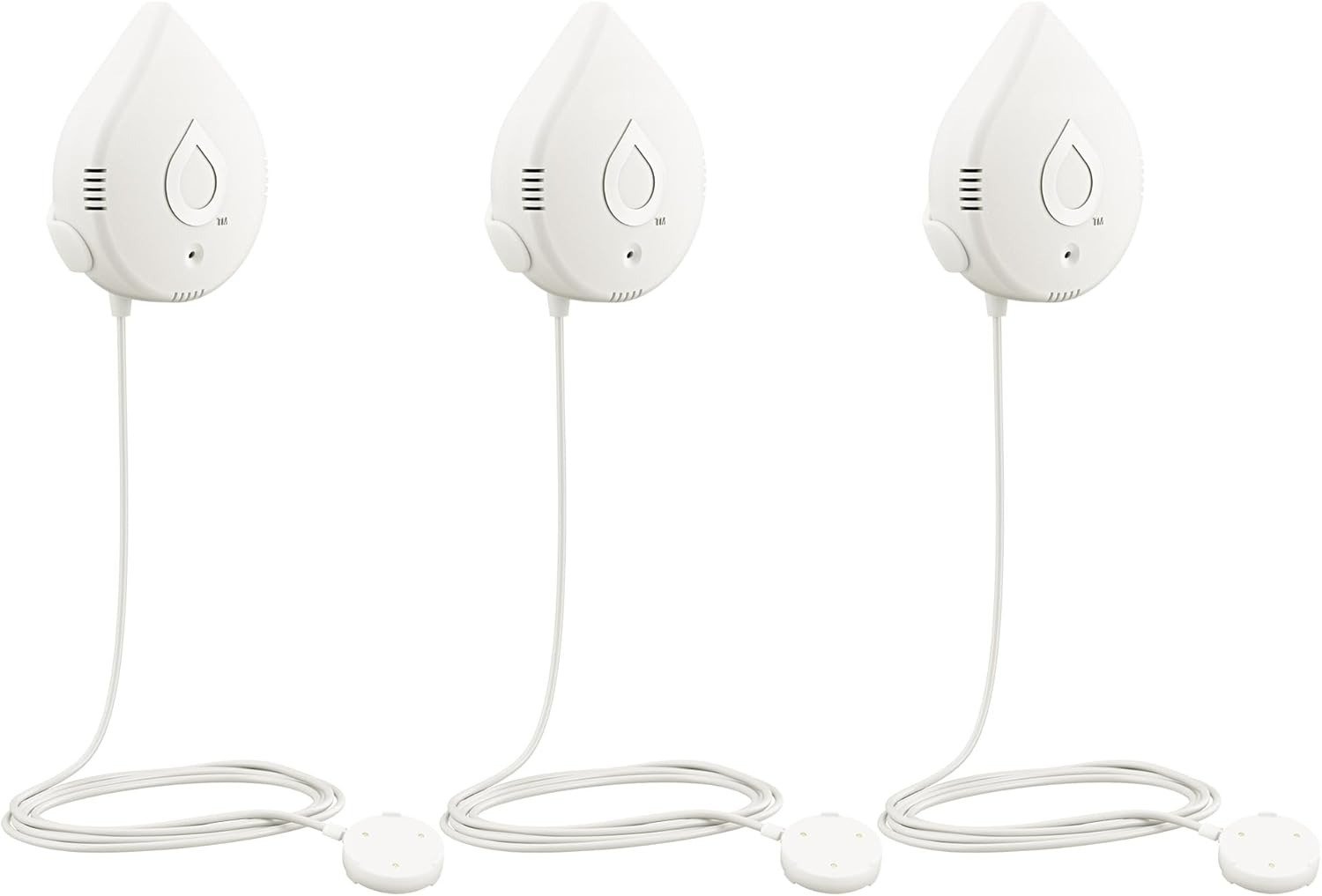
Here’s how the device actually works. Each Moen 920-005 unit is a small body that pairs with a 48-inch remote sensing disc on an extension cable, designed to reach tight spots like under a washing machine or behind a water heater. The disc detects standing water on contact. The body itself also reads ambient conditions: the unit detects temperature from -20°F to 140°F, accurate to within 3°F below 40°F and within 2°F from 40°F to 140°F, which is what powers the freeze and humidity alerts.
None of that is the weak point. The weak point, based on a consistent pattern in owner reports, is what happens before any of it gets used. One reviewer of the same sensor line described the included setup instructions as missing the actual pairing and Wi-Fi steps entirely, only solving it after finding a short outside video that filled in the gap — and separately noted that the onboard alarm itself is quiet enough that a phone notification is the alert you actually end up relying on. Another buyer of the 3-pack reported that out of three sensors in the box, only one connected to their network on the first attempt, even after a battery swap.
That second detail matters more than it sounds like it should: each sensor runs on a single CR123A 3-volt lithium battery rated for up to roughly two years — not a AA or AAA you already have in a drawer, which means a battery issue at first setup is genuinely a setup issue, not just a low-power fluke.
| Spec | Detail |
|---|---|
| Model | Moen 920-005, 3-pack |
| Detection method | Contact sensing via remote disc |
| Sensing cable reach | 48 in (122 cm) |
| Temperature range | -20°F to 140°F |
| Temperature accuracy | ±3°F (below 40°F), ±2°F (40–140°F) |
| Battery | 1× CR123A 3V lithium per sensor |
| Battery life | Up to ~2 years |
| Connectivity | Wi-Fi, Moen Smart Water app |
| App cost | Free, no fees or subscription required |
| Auto water shutoff | Only when paired with separate Flo Smart Water Shutoff valve |
| Warranty | 1-year limited on the detector |
The Threshold Where the Outcome Quietly Breaks
There are two separate thresholds buried in this product, and conflating them is where most disappointment starts.
The first is the pairing threshold. This device succeeds or fails the moment it joins your Wi-Fi during setup — not the moment water touches the disc. If pairing completes cleanly, the sensing logic underneath is simple and dependable. If it doesn’t, no amount of moisture will save you because the unit was never actually reporting in the first place.
The second is the shutoff threshold. On its own, this detector only tells you something is wrong. It does not stop the water. It works as a standalone monitoring device, or it can connect to the separate Flo Smart Water Monitor and Shutoff valve for whole-home protection — and only in that second configuration does a detected leak actually trigger an automatic shutoff. One independent reviewer who tested both pieces of the system put it plainly: it’s an easy decision if you already own the shutoff valve, and it still earns its keep even if you don’t — but those are two different products solving two different problems, and the detector alone is the notification half, not the intervention half.
Why Most Buyers Misread This Too Early
The most common shopping mistake here is comparing this to a $15–$35 standalone water alarm and concluding the Moen unit is overpriced for “the same job.” It isn’t the same job. Cheaper leak sensors built for ecosystems like Ring Alarm or SmartThings run around $35 each, but they’re cheaper specifically because they rely on a hub you already own — they don’t carry their own Wi-Fi radio. The Moen detector does. That’s the price difference: a self-contained alert system versus a component that assumes infrastructure you may not have.
The second mistake is buying this to “fix” a leak that already happened. If you had a flood once with zero monitoring in place, almost any working sensor would have caught it — the real decision now isn’t about refighting that one event, it’s about which alert pathway you can actually trust for the next five years: app-based and hub-free, or hub-dependent and cheaper per unit.
The third mistake is judging the whole product by price-per-sensor instead of by alert-pathway reliability. A $15 sensor that can’t reach your basement’s Wi-Fi signal is infinitely more expensive than a $50 sensor that can.
Who Is Actually Inside This Problem
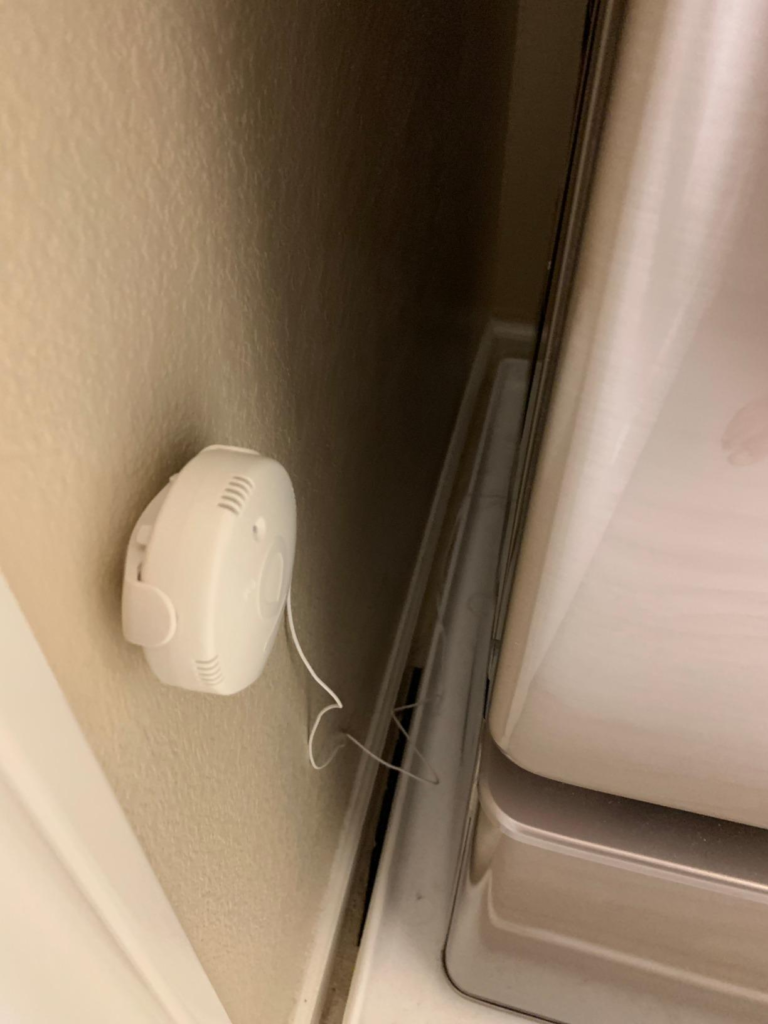
This fits you if you’re protecting a basement, laundry room, water heater closet, sump pump pit, attic, or crawlspace — anywhere you don’t walk through daily. It fits if you’re frequently away from the property, whether for travel or because it’s a second home. It fits if you want layered alerts (app, text, call, email) without a recurring subscription fee. And it fits cleanly if you already own, or plan to install, the Flo Smart Water Shutoff valve and want matching detector coverage feeding into it.
Where Wrong-Fit Begins
| You’re outside the fit if… | Because… |
|---|---|
| You expect the water to shut off automatically | The detector alone only alerts — shutoff needs the separate valve |
| The install spot has weak or no Wi-Fi | The pairing threshold breaks first, before sensing ever matters |
| You won’t verify pairing right after setup | This is exactly where the documented “1 of 3 connected” outcomes happen |
| You need native Z-Wave/Zigbee or a non-Moen hub | This system runs through the Moen app only, not third-party hubs |
| You’re relying on the onboard siren to wake you | Owners consistently describe it as quieter than a phone alert |
The One Situation Where This Product Becomes Logical
Once the localization is done, the case for this exact product is narrow but solid: someone covering two or three vulnerable zones at once — water heater, washer, sump pump — in spots with confirmed Wi-Fi reach, who’s willing to complete pairing properly at install and treat the app, not the siren, as the real alert. At that point, the 3-pack format stops being a convenience and starts being the actual unit of value, since it’s covering three blind spots under one app instead of three unrelated purchases.
On price, the 3-pack lists around $240 and is regularly sold closer to $150–$155 directly from Moen. That number reads differently once you stop comparing it to a single $15 alarm and start comparing it to the cost of even a modest drywall and flooring repair.
What It Solves, What It Reduces, and What It Still Leaves to You
| Category | What happens |
|---|---|
| Solves | Blind-spot awareness — an app alert the moment the disc contacts water, in rooms you don’t check daily |
| Reduces | Slow failures becoming large ones — a sump pump losing efficiency or a supply line weeping gets surfaced while it’s still small, not after it’s visible |
| Still on you | Confirming Wi-Fi reaches the exact install spot, completing pairing correctly the first time, swapping the CR123A battery roughly every two years, and physically responding — there’s no shutoff without the separate valve |
Frequent Questions
| Question | Answer |
|---|---|
| Does it shut the water off by itself? | No. On its own it’s a standalone monitoring device; automatic shutoff only happens when it’s connected to the separate Flo Smart Water Shutoff valve. |
| Is there a monthly subscription? | No. The Moen Smart Water app is free, with no fees or subscriptions required. |
| How long does the battery actually last? | Each sensor uses one CR123A 3-volt lithium battery rated for up to about two years — not a standard AA, so it’s worth having a spare on hand before first setup. |
| Can I install just one sensor instead of all three? | Yes. Each detector works as a standalone unit, or you can deploy all three across separate zones managed from one app. |
| Does it work if my Wi-Fi doesn’t reach that room? | Not for remote alerts. The local alarm and LED still trigger on contact with water, but app notifications need a working Wi-Fi connection at the install point — this is the single biggest reason owners report setup trouble. |
| Who actually makes this — is it trustworthy? | Moen took a majority stake in Flo Technologies in 2020 after the two companies had already partnered on the Flo by Moen Smart Water Security System, folding the detection hardware into a brand named America’s Most Trusted Faucet Brand by Lifestory Research for seven consecutive years as of 2022. |
Final Compression
The decision here isn’t really about the sensor. It’s about whether your actual gap is “I won’t find out until it’s too late” or “I need the water physically stopped.” This product closes the first gap cleanly, as long as the pairing step gets the attention it deserves at setup, not after something’s already wrong.
If that’s the gap you’re closing, this is the listing — and the only thing worth doing differently from most buyers is finishing the Wi-Fi pairing for all three sensors before you walk away from the box.
Transparency Note:
This analysis is built on aggregated real-world experience. It extracts what repeatedly holds, what breaks, and what users uncover only after living with the system—then shapes it into a clear model you can use immediately. Think of it as structured experience, refined and presented so you don’t have to learn it the hard way.
“A quick note: Don’t believe the star ratings, but trust personal experience. This article is a compilation of collected experiences”