The Day I Realized a Smart Litter Box Can Either Reduce Stress — or Create It
ANALYSIS FRAMEWORK
I did not buy a self-cleaning litter box because I hate scooping.
I bought it because I hate uncertainty.
Why did my cat stay longer inside? Why does the smell feel stronger today? Why do I feel like something is “off” but I can’t prove it?
That is the real battlefield.
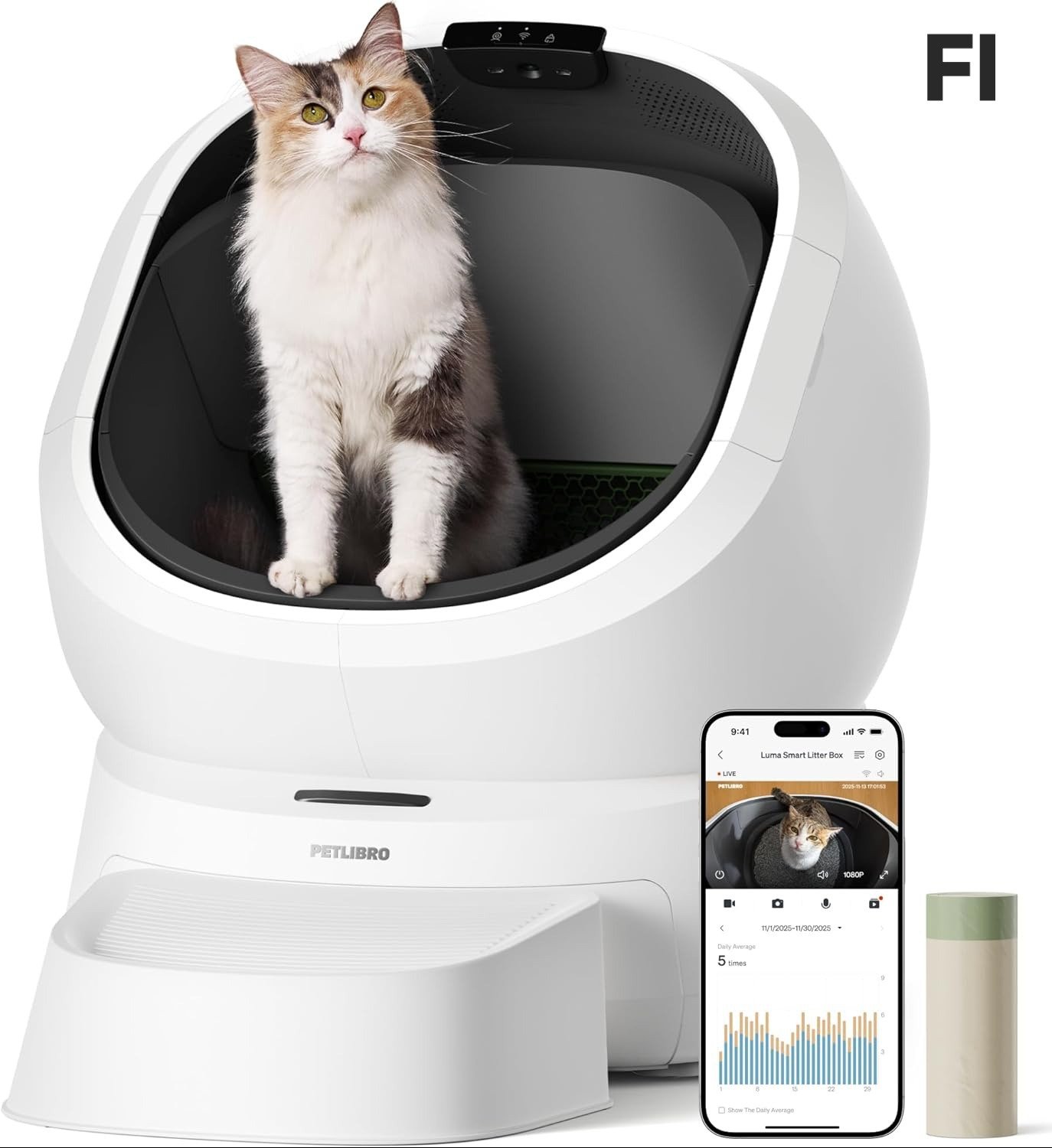
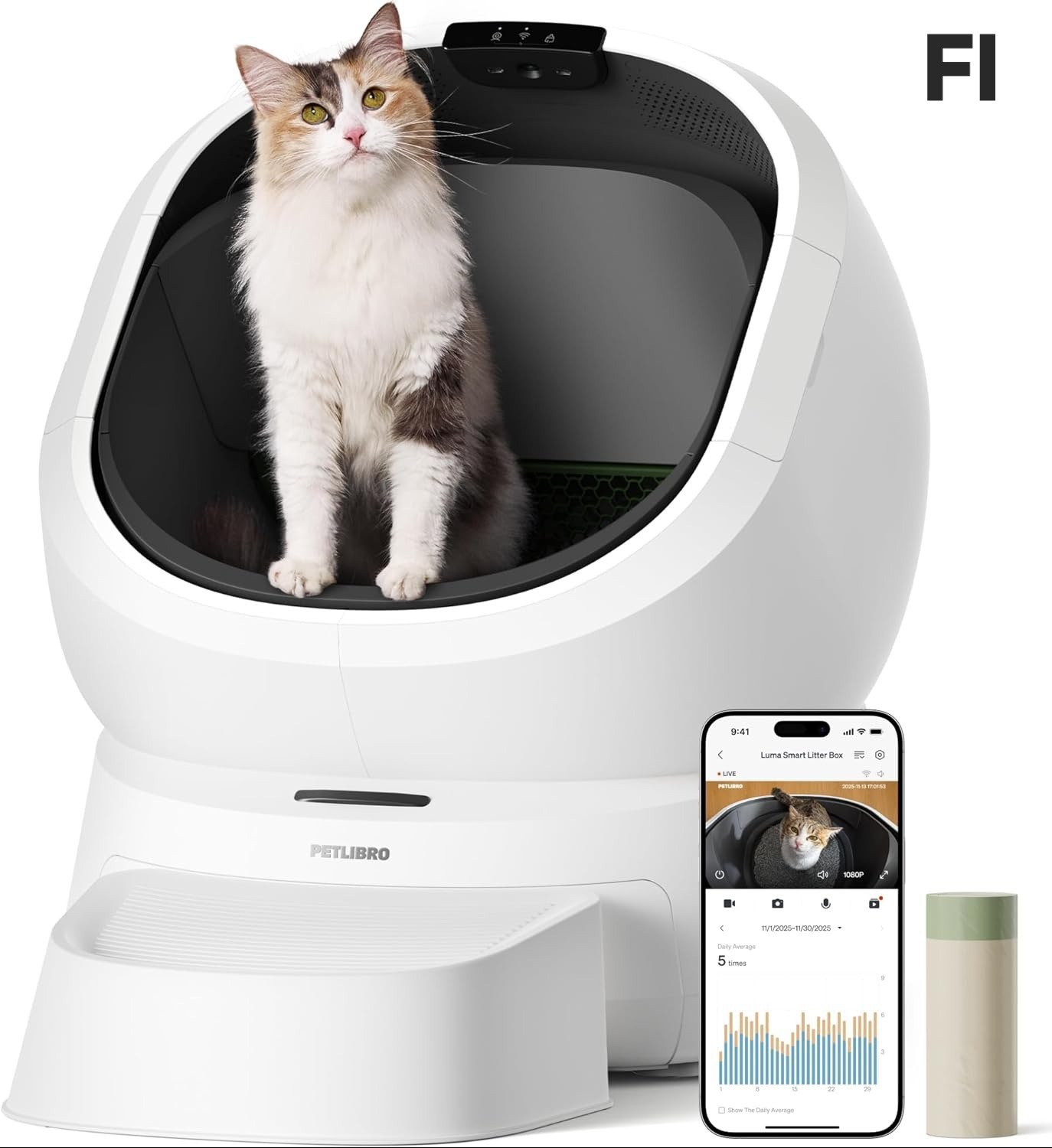
And this is where the PETLIBRO Luma enters — not as a gadget, but as a stability test inside your home.
Executive Signal Layer (Key Takeaways)
If your litter box sits on carpet or an uneven surface, detection stability drifts — and the system begins to feel unpredictable.
If your cat is very small or under the lower weight threshold, auto-clean should be treated as conditional, not automatic.
If odor is your main stress trigger, the 24/7 deodorizing system only works when drawer maintenance stays within your home’s smell tolerance margin.
If you have multiple cats and constant “who did what?” anxiety, recognition data can shift daily stress into measurable patterns.
If you cannot tolerate even one safety hesitation moment, you must validate pause behavior early before trust fractures.
No verdict here.
Just variables.
The Hidden Stability Parameter Nobody Talks About
Here’s what most reviews miss.
This product is not about cleaning.
It is about stability under real-life friction.
Stability Parameter = Surface Integrity × Sensor Accuracy × Cat Profile
The moment one of those shifts, the experience changes.
We placed it first on a slightly padded mat. It worked… but cycles felt mistimed. We moved it to hard tile. Everything tightened.
Why?
Because smart systems rely on measurement. And measurement hates instability.
This is where most “it works great” and “I don’t trust it” reviews diverge.
Same device. Different stability conditions.
What Actually Changes When You Live With It
Let’s talk about what happens at 2 a.m.
Before: You hear scratching. You wait. You wonder which cat it was.
After: You open the app. You see a timestamp. You see weight recognition. You see a pattern.
The psychological shift is not convenience.
It’s clarity.
But here’s the catch.
Clarity only feels real when recognition matches reality.
If attribution drifts — even slightly — your brain switches from trust to suspicion instantly.
And once suspicion enters automation, the product loses 50% of its value overnight.
The Odor Threshold Reality Check
Marketing says “odor control.”
Real life says “how long before I notice something?”
The deodorizing system runs continuously. That helps.
But here’s the boundary condition:
If waste drawer emptying exceeds your home’s smell tolerance window, no fan can save perception.
Why?
Because odor tolerance is emotional, not technical.
In smaller apartments, thresholds collapse faster. In ventilated spaces, you gain margin.
This is not a flaw. It is a variable.
Failure Progression — How Trust Breaks
Failure rarely begins dramatically.
It begins subtly.
Phase 1: A cycle feels slightly delayed.
Phase 2: You question whether it paused correctly.
Phase 3: You hover nearby during cleaning.
Phase 4: You disable features.
Phase 5: You regret automation.
Notice something.
The system doesn’t fail mechanically first.
It fails psychologically first.
And once trust cracks, automation becomes noise.
Who Should Actually Consider It
If your household has:
- Multiple cats
- Health pattern monitoring concerns
- Hard flooring placement options
- Low tolerance for daily scooping friction
Then this system may feel like a quiet cognitive relief.
If your situation includes:
- Very small kittens
- Unstable flooring
- Extreme anxiety about mechanical movement
- Zero tolerance for ambiguity
Then your margin for error is thinner than you think.
Conditional Verdict — The Threshold That Decides Everything
If your home setup supports stable sensing
and your cats fall within healthy detection range
and you maintain drawer rhythm within your odor threshold
Then the PETLIBRO Luma shifts from gadget to stability system.
If even one of those margins collapses,
it shifts from intelligent to intrusive.
🔗 [Decision Analysis →]
Place internal link here beside this sentence:
“If your setup meets the stability thresholds above, the full decision breakdown explains when this system truly earns its price.”
Final Expert Note
Why do some people love smart litter boxes while others return them?
Because automation amplifies instability.
It rewards structured homes. It punishes chaotic setups.
The product does not decide your outcome.
Your thresholds do.