Your Floor Looks Clean Until the House Starts Resisting It
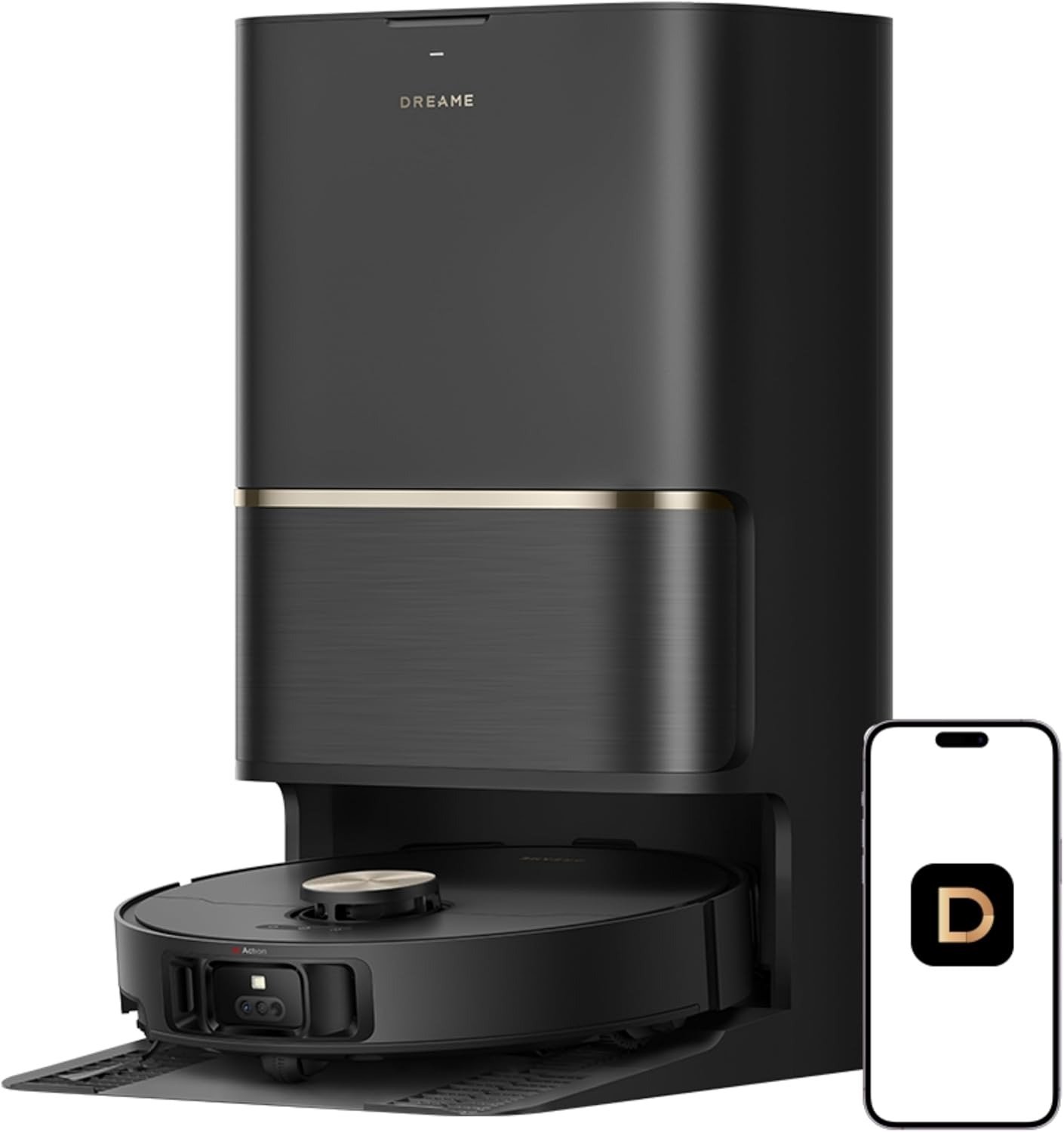
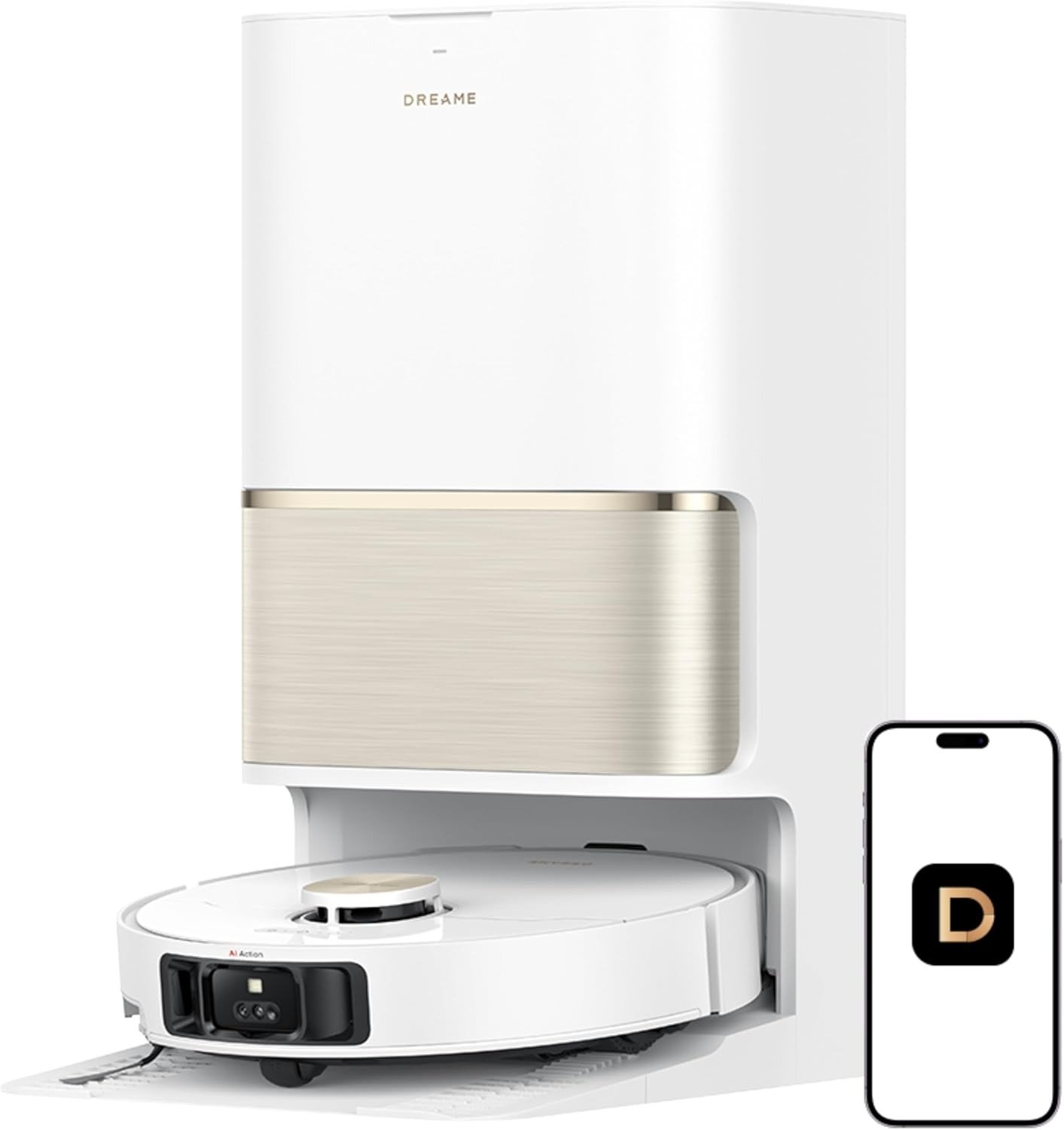
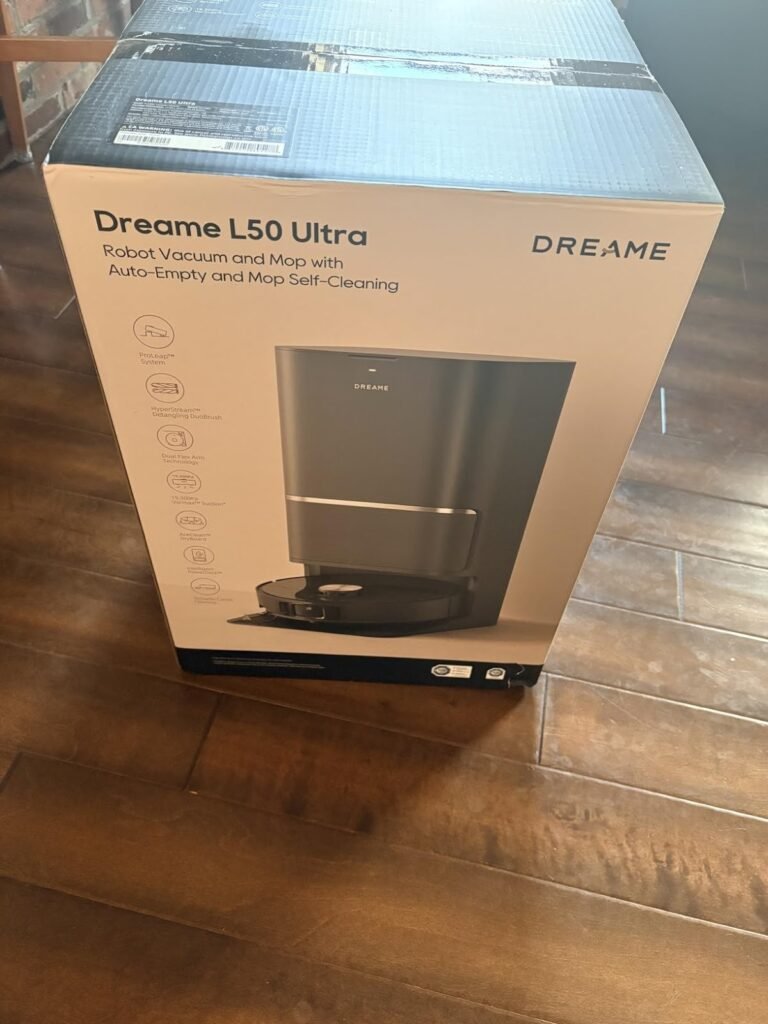
DREAME L50 ULTRA
The annoying part is never the first run.
It is the fourth day. The dog has crossed the room twice. A cable is half out. The rug edge curls up just enough to matter. Fine dust is gone, but the hallway still feels unfinished. The machine did move. The floor did look better. Yet something about the result still asked for human intervention.
That is the point most people describe badly.
They call it weak suction. They call it bad navigation. They call it a robot vacuum problem.
Usually, it is none of those in isolation.
What breaks first is continuity. A premium robot stops feeling premium the moment it needs rescuing, rechecking, detangling, or a second manual pass to deal with the exact friction you bought it to remove. After going through Dreame’s own specs, Amazon owner feedback, and independent testing, that is the real frame I would use for the Dreame L50 Ultra: not “Is it powerful?” but “At what point does it stop interrupting my day?”
The Result Looks Fine. The Problem Isn’t.
A lot of robot vacuums produce a visually acceptable floor. That is a low bar.
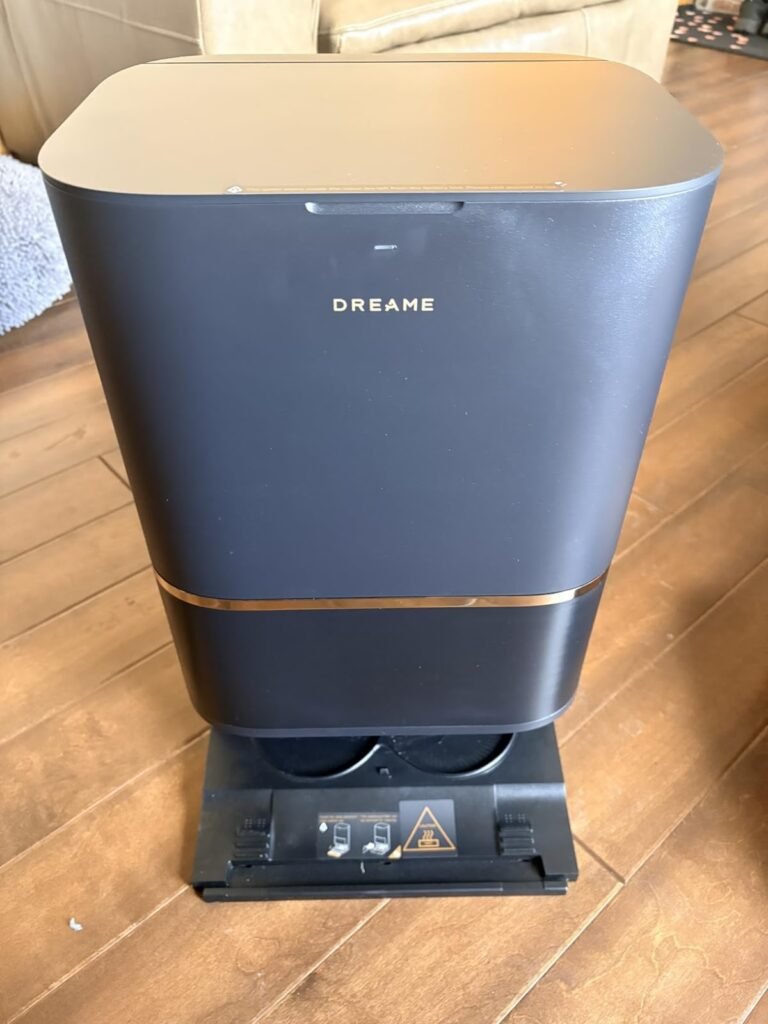
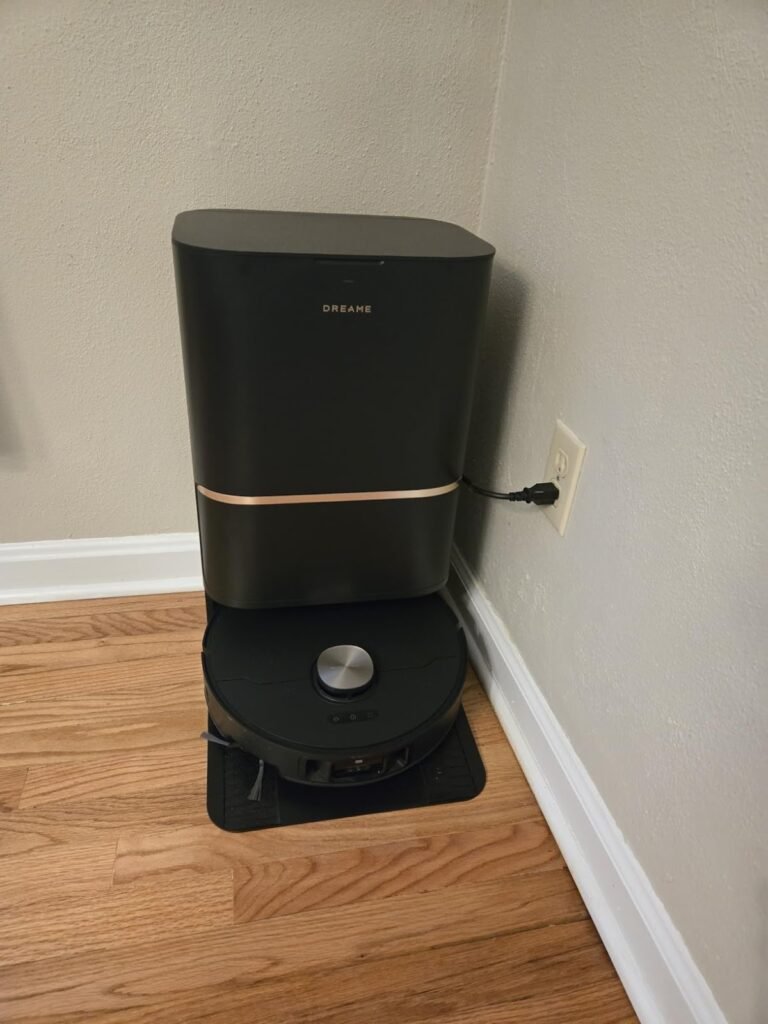
The harder question is whether they stay stable once the house stops being ideal. Door tracks. U-shaped chair legs. low furniture. Long hair. Pet traffic. Small objects that are not worth picking up every single time. Dreame built the L50 Ultra around that kind of daily resistance: retractable ProLeap legs for thresholds, dual detangling brushes, an extending side brush and mop for edges, AI plus 3D structured light for obstacle recognition, a dock that auto-empties for up to 100 days and washes mop pads with 167°F hot water. On paper, this is not a “basic cleaner with more suction.” It is a machine designed to reduce interruptions.
That distinction matters because most disappointment in this category starts when people buy for visible dirt but live with invisible friction. A robot can leave nice stripes on the floor and still create maintenance fatigue. It only takes a few stuck runs, brush tangles, missed corners, or cautious obstacle avoidance that skips real debris before trust quietly collapses. Amazon review summaries lean heavily toward strong cleaning, quiet operation, fast mapping, and smooth obstacle avoidance, but even that positive sentiment sits beside a not-perfect 4.2/5 average across 399 global ratings. That is a useful signal: people generally like it, but not in a flawless, universal way.
What You’re Actually Feeling but Not Naming
What most buyers are feeling is not “dirty floor anxiety.”
It is intervention burden.
You do not want to think about whether the robot can cross the metal strip between rooms. You do not want to unwrap hair from a roller after every other session. You do not want a mop pad dragging damp residue onto carpet because the machine handled the transition badly. You do not want to pre-clear every cable just to trust an automated cleaner in a house that is supposedly being automated.
That is why the L50 Ultra is interesting. Its strongest promise is not raw force. It is a reduction in the number of times you need to babysit the system. Dreame says it can cross a single vertical step up to 1.65 inches, handle obstacles up to 2.36 inches with a climbing mat, avoid 180+ object types, and process hair up to 11.81 inches with the HyperStream DuoBrush. Those are not glamorous numbers. They are anti-annoyance numbers.
And that is also why the machine’s drawbacks matter more than they look on a spec sheet. TechGearLab found the L50 Ultra excellent at obstacle avoidance and smart mapping, but also noted occasional false obstacle detection, plus weaker deep carpet and pet-hair performance than the strongest vacuum-first robots. In plain language: the same caution that makes it easy to trust around clutter can sometimes make it too polite around dense debris.
The Hidden Mechanism Behind the Miss
The hidden mechanism here is simple.
Most buyers evaluate robot vacuums through a feature lens. They compare suction numbers, dock functions, app screenshots, or whether the unit has hot-water mop washing. Those things matter. But they do not predict daily satisfaction as well as one harsher metric:
How often does the machine break the cleaning flow?
That flow breaks in four places:
| Break Point | What Usually Happens | Why It Matters |
|---|---|---|
| Thresholds and room transitions | Robot hesitates, spins, or gives up | Coverage looks complete, but key zones stay dirty |
| Hair and brush maintenance | Performance remains fine until tangles stack up | Automation starts creating its own chore |
| Obstacle handling | Good avoidance can become over-caution | Safety improves, but debris may be left behind |
| Mop/vacuum switching | Mixed-floor routines get compromised | A “combo” machine becomes a compromise machine |
The L50 Ultra attacks all four. ProLeap targets transitions. DuoBrush targets tangling. AI obstacle recognition targets unsupervised runs. TripleUp lifting behavior separates vacuuming and mopping modes more intelligently than older combo bots. The point is not that Dreame solved physics. The point is that it tried to solve the handoff points where convenience usually leaks out.
This is also where independent testing becomes useful. Vacuum Wars reported unusually strong real-world vacuuming, including a 90% carpet deep-clean score in its medium-pile sand test, a top-five result among 150+ robots they had evaluated, plus a 100% result in its flattened pet-hair pickup test. That is excellent. TechGearLab, however, came away with a more cautious bottom line, praising navigation but warning that it is not a deep carpet specialist and can occasionally misclassify dense debris as hazards. Put together, the pattern is not contradictory. It suggests a premium robot that is highly capable, but whose real behavior depends on whether your home punishes caution more than it rewards it.
The Threshold Where the Outcome Quietly Breaks
Here is the threshold I would name for this category:
The Rescue Threshold — the point where a robot vacuum stops saving time because the house demands too many corrections.
Once you cross that threshold, every claimed convenience starts shrinking. Strong suction matters less if the machine gets stranded at transitions. Good mopping matters less if you still need to intervene around mixed flooring. Smart avoidance matters less if it begins interpreting mess as danger.
The L50 Ultra is built specifically to delay that threshold. Its 19,500Pa suction, 6,400mAh battery, up to 200 minutes of runtime, retractable threshold-climbing legs, hot-water mop washing, auto-empty dock, and edge-reaching brush and mop are all parts of the same idea: keep the run alive longer, with less human correction.
But the threshold does not disappear.
It moves.
If your home has dense high-pile carpeting, deeply embedded fur, or you expect one-pass upright-level agitation from a robot, this machine may still feel too diplomatic. If your home has mixed flooring, raised tracks, pet hair, clutter, and a high penalty for babysitting, the same machine starts making much more sense. That is the actual split.
Why Most Buyers Misread This Too Early
They buy the category as if all premium robot vacuums fail in the same way.
They do not.
Some fail at stain removal. Some fail at carpet agitation. Some fail at obstacle avoidance. Some fail because they are technically advanced but behaviorally irritating. RTINGS’ current top robot-vacuum recommendations illustrate the broader market clearly: the best premium machines are increasingly defined by whether they can be trusted to run unsupervised, avoid household objects, and handle maintenance automatically—not by suction in isolation. RTINGS also notes that Dreame’s X50 Ultra made huge gains over the L40 Ultra in low-height and threshold clearance, which helps explain why Dreame’s newer design language, including the L50 Ultra, is aimed less at raw headline power and more at continuity inside real homes. That is an inference from Dreame’s recent platform direction, but it fits what the L50 Ultra is trying to do.
That is why lazy comparisons go wrong.
A buyer sees 19,500Pa and thinks “deep cleaning.” A buyer sees AI obstacle avoidance and thinks “intelligence.” A buyer sees hot-water washing and thinks “fully hands-free.”
Those are incomplete readings.
The smarter interpretation is this:
| If You Read It As… | You Will Expect… | What It Actually Means |
|---|---|---|
| 19,500Pa suction | Upright-level carpet extraction | Strong debris pickup, but still robot limits on deep agitation |
| AI obstacle avoidance | Perfect judgment every time | Excellent safety and routing, with some risk of cautious skip behavior |
| Hot-water mop wash + auto-empty | Zero maintenance | Low maintenance, not no maintenance |
| Threshold climbing | Total floor freedom | Much better transition handling, not immunity to every layout |
That table is where most regret lives. Not in the product itself. In the early misread.
Who Is Actually Inside This Problem
This machine is for someone whose real issue is not dirt alone.
It is for someone whose house has enough friction to make a cheaper robot feel false after two weeks.
You are inside this problem if several of these are true at once:
| Home Reality | Fit With L50 Ultra |
|---|---|
| Door tracks, raised room transitions, irregular chair bases | Strong |
| Long hair, frequent brush tangling on ordinary robots | Strong |
| Mixed hard floor and rugs, with frequent mop/vacuum switching | Strong |
| You want fewer manual rescues and less pre-cleaning | Strong |
| Your main frustration is clutter and navigation errors | Strong |
| You expect heavy carpet extraction as the primary job | Borderline |
| You want the absolute best stain-removal leader regardless of navigation trade-offs | Borderline |
| You mainly need a cheaper maintenance vacuum | Weak |
That is the cleaner reading of the product. The L50 Ultra is not a universal “best robot vacuum.” It is a high-automation machine for homes where transition friction, clutter sensitivity, hair management, and floor-plan interruptions matter more than brute-force carpet aggression.
Where Wrong-Fit Begins
Wrong-fit starts the moment your priority shifts from continuity to maximum extraction.
If you want a robot primarily to attack embedded carpet debris with the least compromise, you should be careful. TechGearLab’s criticism is not trivial. It specifically flags lackluster pet-hair pickup and limited deep carpet cleaning compared with the best vacuum-first expectations. Even where other testers saw stronger results, that tension tells me something important: the L50 Ultra is not the safest recommendation for buyers who treat carpet performance as the only scoring category.
Wrong-fit also starts if you hate app learning curves. The Dreame app is feature-rich, and that is a strength only if you actually want control. If you want absolute simplicity with minimal setup thinking, more features can become another small tax. And if your house is already easy—few obstacles, mostly open floors, little hair, no thresholds—the L50 Ultra may be over-solving a problem you do not really have.
This is not for buyers chasing the comfort of a flagship label.
This is for buyers who can name the friction.
The One Situation Where This Product Becomes Logical
The Dreame L50 Ultra becomes logical when your break point is interruption, not just dirt.
If your current robot gets hung up on transitions, if long hair keeps turning “automation” into brush surgery, if you do not trust unsupervised runs around cables and daily clutter, and if mixed-floor cleaning has made you quietly resent the whole category, then this product stops looking like a luxury gadget and starts looking like structural relief. Officially, it brings threshold climbing up to 1.65 inches on single steps and 2.36 inches with a climbing mat, dual anti-tangle brushes, 180+ object recognition, 100-day auto-emptying, 167°F mop-pad washing, a 6,400mAh battery with up to 200 minutes of cleaning, and a dock with 4.5L clean-water and 4.0L used-water tanks. In the right house, those are not extra features. They are the reason the routine finally stays intact.
And the owner pattern broadly supports that use case. Amazon’s review summary repeatedly points to strong cleaning, good hair pickup, fast mapping, quiet operation, and smooth avoidance, while individual reviews mention successful daily cleaning across roughly 2,000 square feet and good behavior around pet obstacles. That does not erase the mixed test results on deeper carpet work. It does reinforce the broader thesis: this machine wins when the value of not intervening is high.
What It Solves, What It Reduces, and What It Still Leaves to You
What it solves is obvious once you name the category correctly.
It solves a lot of the house-fights-back problem.
It reduces stuck runs. It reduces hair tangles. It reduces the need to pre-pickup every small obstacle. It reduces dock maintenance frequency. It reduces the annoying line between vacuuming and mopping that makes many combo robots feel half-finished.
What it does not solve is equally important.
It does not turn a robot into a full upright replacement for deeply embedded carpet contamination. It does not guarantee perfect hazard classification every run. It does not eliminate maintenance forever. It does not make a high-friction house frictionless. It simply moves the burden down to a level many people will finally accept.
The trade-off is clean:
| You Gain | You Trade Off |
|---|---|
| Better transition handling and fewer rescues | A higher price than simpler bots |
| Better automation and lower maintenance frequency | More system complexity in the app and dock |
| Better hair management and obstacle handling | Some risk of cautious skip behavior |
| Better mixed-floor routine stability | Not the strongest choice for buyers obsessed with deep carpet aggression |
That is not a flaw in the logic.
That is the logic.
Final Compression
I would not buy the Dreame L50 Ultra because it looks advanced.
I would buy it only if I had already learned the expensive lesson that “good suction” does not fix a house that keeps interrupting the machine.
This product makes sense when the real problem is repeated friction: thresholds, clutter, long hair, unsupervised trust, mixed surfaces, and the creeping irritation of a robot that still needs too much of you. It makes less sense when your home is simple, your budget is tight, or your main demand is maximum carpet aggression above all else. That is the boundary.
If your break point starts where ordinary robot vacuums begin needing rescue, this is where the decision stops being vague.
Transparency Note:
This analysis is not based on quick personal impressions.
It is derived from documented system behavior, verified user patterns, and the physical constraints of storage capacity.
The goal is to translate complex technical behavior into a realistic performance model that helps you make a clear decision.
“A quick note: Don’t believe the star ratings, but trust personal experience. This article is a compilation of collected experiences”