Ring Battery Doorbell Review: The Door Looks Covered. The Weak Point Usually Starts Lower.
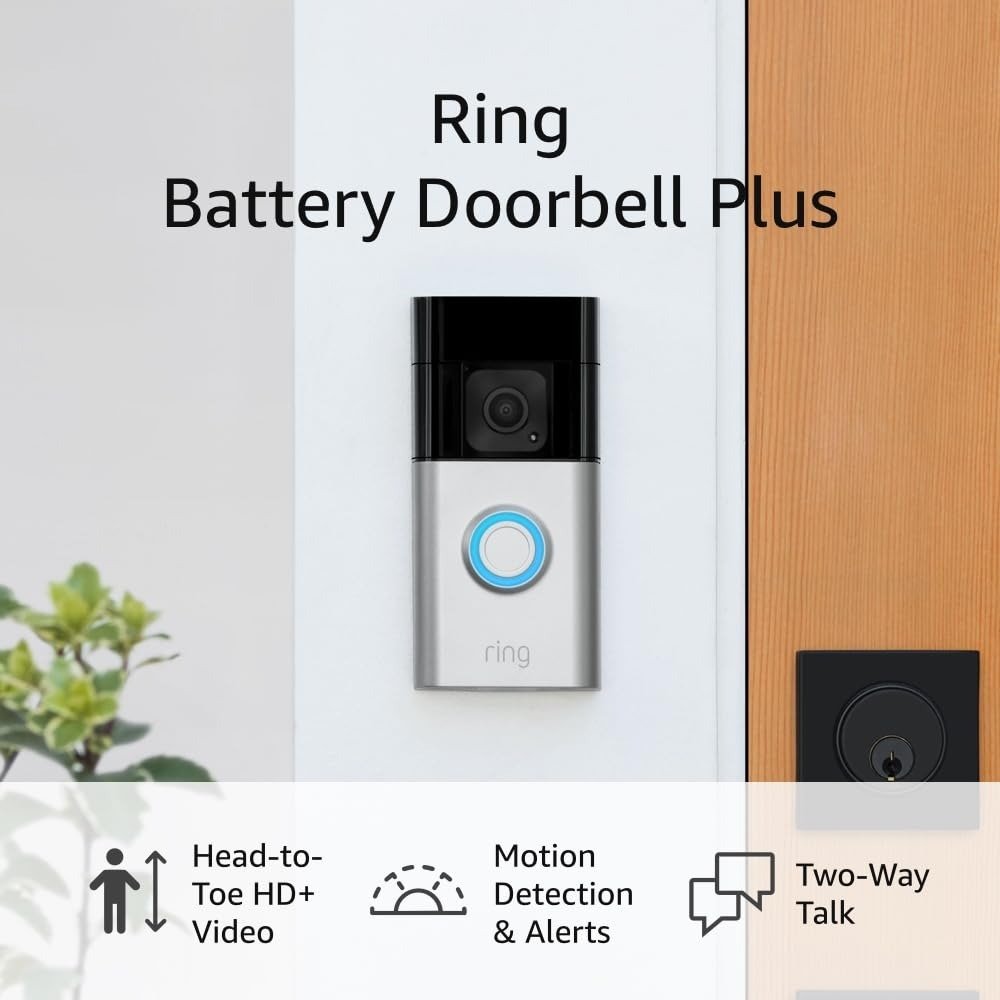
RING BATTERY DOORBELL
A front door can look “watched” and still leave the exact part you care about exposed.
That is the trick with cheap reassurance. You see motion alerts. You see a familiar app. You see someone at the door. So the system feels complete. Then a package gets dropped low, a battery warning shows up at the wrong time, or you realize the feature you assumed was basic is sitting behind a plan. That is where this product stops being a generic smart doorbell and becomes a threshold decision.
When I traced this model through Ring’s own product pages, support material, review coverage, and buyer feedback, one pattern kept repeating: the Ring Battery Doorbell is not mainly about image quality. It is about whether you want the simplest possible entry into the Ring system badly enough to accept a built-in battery, cloud dependence for recorded history, and a narrower idea of “good enough” security.
The Result Looks Fine. The Problem Isn’t.
RING BATTERY DOORBELL
The footage is usually not the first thing that disappoints people.
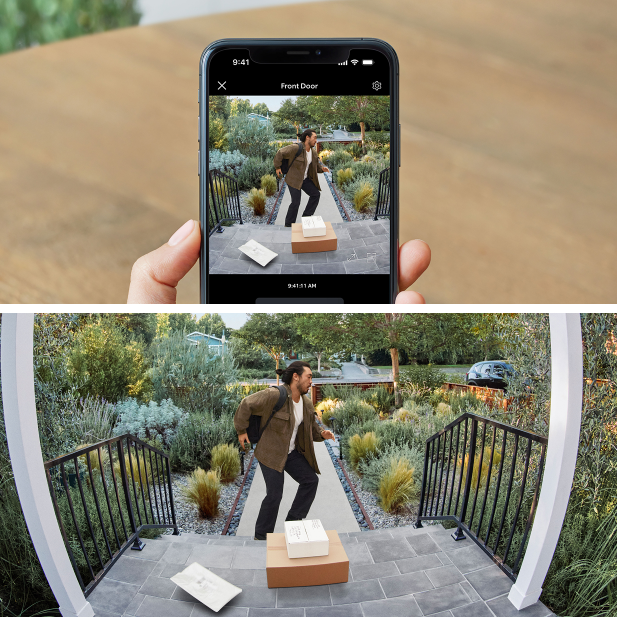
What sells this doorbell is the feeling of immediate control: fast DIY setup, live view, two-way talk, motion alerts, head-to-toe framing, Alexa support, and a cleaner look at deliveries near the floor. Ring says this model adds 66% more vertical coverage than the older best-selling Video Doorbell (2nd Gen), and coverage down low is exactly why this version exists. That part is real.
What breaks later is operational rhythm.
A battery doorbell can be perfectly adequate right up to the week you stop checking charge levels, travel, get more deliveries than usual, or realize that reviewing older footage is not included unless you pay for Ring Home. Ring’s support states that without a subscription you still get live video and can answer alerts as they happen, but reviewing recorded motion events requires a plan, and only events after subscribing are recorded.
That difference matters more than spec sheets make it sound.
Because the real question is not “Does it work?” It usually does. The real question is whether it stays convenient once the routine begins to accumulate small frictions. That is where this device quietly separates casual fit from buyer’s remorse.
What You’re Actually Feeling but Not Naming
RING BATTERY DOORBELL
Most people do not say, “I am worried about cumulative maintenance overhead.”
They say something simpler: “I just want to know who came by.” “I want to catch packages.” “I do not want to wire anything.” “I do not want to think about it again.”
That last line is where the tension starts.
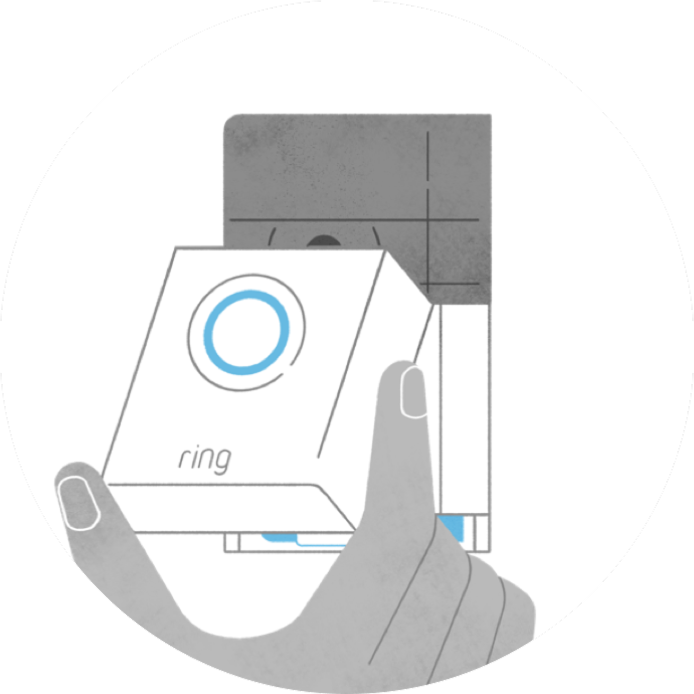
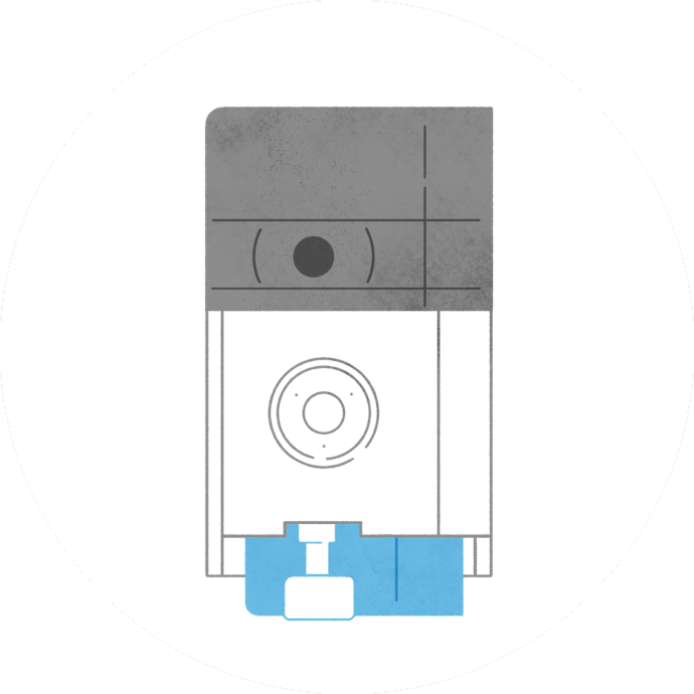
This doorbell is good at reducing installation resistance. It is not automatically good at eliminating ownership friction. The built-in rechargeable battery charges over USB-C, but to recharge it you detach the whole doorbell from the wall unless you have hardwired it for continuous charging. Ring states both points clearly in its product materials.
So the hidden annoyance is not setup. Setup is the relief.
The hidden annoyance is interruption.
You are buying a device for front-door continuity. But the base power design, if used wire-free, periodically interrupts that continuity. And if your main reason for buying a video doorbell is not “smart home curiosity” but “low-effort front-door certainty,” that interruption matters more than most feature lists admit.
The Hidden Mechanism Behind the Miss
RING BATTERY DOORBELL
The miss is created by three layers working together, not one flaw.
| Layer | What looks good at first | What matters later |
|---|---|---|
| View | Head-to-toe framing helps with visitors and packages | Better framing does not remove charging or subscription friction |
| Power | Battery install is easier than wiring | Built-in battery means downtime or extra planning unless hardwired |
| Software | Live alerts feel useful immediately | Event history, person alerts, and package alerts depend on a paid plan |
All three are documented in Ring’s listings and support materials. The basic promise is visible convenience. The hidden mechanism is partial convenience. You get the easy install up front, then decide later whether to accept maintenance and cloud-plan dependence as the cost of keeping the experience whole.
That is also why owner sentiment tends to split in a predictable way.
People who value quick setup, app simplicity, and better downward coverage tend to be satisfied. Review coverage in late 2024 repeatedly described the model as easy to set up, well-built, and effective at the basics, while also flagging extra fees for storage and the need to buy more hardware if you want a chime ecosystem beyond your phone or Alexa devices.
People who expect ownership to remain frictionless without a subscription or without battery management tend to cool on it over time. Security.org’s 2026 Ring overview is blunt about the platform’s weak points: no local video storage, person detection behind a subscription, and trade-offs that only look small if you already accept Ring’s ecosystem logic.
The Threshold Where the Outcome Quietly Breaks
RING BATTERY DOORBELL
Here is the threshold I would name for this product:
The Convenience Continuity Threshold
The point where a doorbell stops feeling helpful because it now asks for more attention than the problem was supposed to require.
That threshold usually appears under one of these conditions:
| Threshold trigger | Why it matters |
|---|---|
| You rely on recorded history, not just live alerts | No subscription means no usable event playback history |
| You expect uninterrupted battery convenience | Built-in battery means removing the unit to recharge unless wired |
| You mainly care about package visibility | Head-to-toe view helps, but package-specific intelligence is still subscription-gated |
| You want a “set it and forget it” doorbell | Routine charging and plan choices keep the product active in your life |
This is where the product stops being evaluated as a camera and starts being evaluated as a maintenance agreement. Ring says the model offers head-to-toe coverage, motion alerts, live view, two-way talk, package and person alerts with subscription, hardwire support for continuous charge, and about five-minute installation. The Verge also reported that this 2024 release added color night vision, easier removal/charging, and up to 23% longer battery life over its predecessor. Those are meaningful improvements. They just do not erase the threshold.

Why Most Buyers Misread This Too Early
RING BATTERY DOORBELL
They use the wrong decision metric.
They shop by the visible promise: battery, easy install, Ring app, head-to-toe video, price.
But the better metric is this: How expensive is it, in attention, to keep this doorbell useful after month two?
That is a harsher question, but it is the honest one.
Consumer Reports says the Ring Doorbell Plus performs well in testing, with strong video quality and data security, but slow response time. That matters because even better Ring models are still judged partly on responsiveness and not just sharpness. In other words, doorbells are judged in use, not in brochure form. The same applies here. A front-door device lives or dies by whether it becomes part of the background or keeps asking to be managed.
That is the uncomfortable truth many buyers miss: good video does not automatically mean low-friction ownership.
The more your priority shifts from “I want a video doorbell” to “I want dependable front-door memory with minimal interruption,” the less forgiving you should be about built-in batteries and subscription-locked history.
Who Is Actually Inside This Problem
RING BATTERY DOORBELL
This product makes the most sense for a narrow, clear user.
| Your real priority | Fit |
|---|---|
| Fast DIY install with no electrician | Strong |
| Better downward view for packages | Strong |
| Basic live monitoring from phone | Strong |
| Alexa-heavy home setup | Strong |
| Lowest ongoing friction over years | Weak |
| Local storage or no-cloud preference | Weak |
| Zero downtime charging routine | Weak unless hardwired |
| Detailed smart alerts without paying monthly | Weak |
I would put the true-fit buyer in this group: renters, first-time smart-doorbell buyers, light-to-moderate package households, or anyone already committed to Alexa and Ring who mainly wants better porch visibility without moving into a more expensive tier.
I would not put heavy-security buyers here.
Not because the product is bad. Because the product is built around accessible convenience, and that is not the same thing as low-maintenance certainty. Those are close cousins. They are not the same person.
Where Wrong-Fit Begins
RING BATTERY DOORBELL
Wrong-fit begins the moment you read “battery-powered” as “maintenance-free.”
It is not.
Wrong-fit also begins when you read “smart alerts” as “included intelligence.” On this device, person and package alerts are tied to a subscription, and recorded playback is tied to a subscription as well. Ring’s current plan pages list Ring Home Basic at $4.99 per month or $49.99 per year, with up to 180 days of video event history and person/package alerts; higher plans add more features and broader device coverage.
And wrong-fit definitely begins if you hate the idea of taking a doorbell off the wall to charge it.
That single design choice is not a side note. It is the cost of the whole product philosophy.
| If you say this | Then this is probably true |
|---|---|
| “I just want something easy” | Good fit, if your definition of easy includes occasional recharging and a possible plan |
| “I never want to think about it again” | Wrong fit |
| “I need full event history, not just live response” | Budget for the subscription or reconsider the category |
| “I want the cheapest Ring that still sees packages better” | This is the logic case for it |
The One Situation Where This Product Becomes Logical
RING BATTERY DOORBELL
The Ring Battery Doorbell becomes logical when your break point is missing what happens low in frame, but your resistance to wiring is higher than your resistance to occasional charging and a modest subscription.
That is the cleanest version of the case.
Not “best for everyone.” Not “must-have.” Not “perfect entry security.”
Just this:
You want better porch visibility.
You want a mature app.
You want fast installation.
You are comfortable with the Ring ecosystem.
You can tolerate the built-in battery model.
You understand that real usefulness expands once you pay for history and smart alerts.
In that one situation, the product stops looking compromised and starts looking correctly scoped.
What It Solves, What It Reduces, and What It Still Leaves to You
RING BATTERY DOORBELL
| It solves | It reduces | It still leaves to you |
|---|---|---|
| Poor downward visibility at the doorstep | Installation friction | Battery monitoring |
| Basic awareness of rings and motion | Guesswork around package drop-offs | Subscription decision |
| Quick front-door response from the app | Entry cost into the Ring ecosystem | Occasional device removal for charging if not wired |
| Simple Alexa-connected doorbell use | Some of the blind spot from older framing | Deciding whether “good enough” is still good enough a year from now |
That trade-off structure is the whole story.
You gain a more useful frame and an easier start.
You trade away some ownership simplicity later.
You gain a familiar platform.
You accept cloud dependence for fuller value.
You gain a lower entry point than moving up the line.
You accept that the built-in battery is the part most likely to irritate disciplined buyers over time.
Final Compression
RING BATTERY DOORBELL
After looking across the product listing, support pages, pricing, late-2024 reviews, and broader security testing commentary, I would compress the decision this way:
The Ring Battery Doorbell is not a mistake.
It is a narrow answer.
It is for the buyer whose real problem is front-door visibility without wiring, not the buyer chasing the most durable low-friction ownership model. It earns its place through easier install, better vertical framing, and a familiar ecosystem. It loses ground the moment you demand uninterrupted convenience, local storage, or subscription-free memory.
If the point where your current setup fails is the lower part of the frame—not the absence of a fully wired, fully local, zero-maintenance system—then this is the logical next step.
Transparency Note:
This analysis is not based on quick personal impressions.
It is derived from documented system behavior, verified user patterns, and the physical constraints of storage capacity.
The goal is to translate complex technical behavior into a realistic performance model that helps you make a clear decision.