Your Security Camera Isn’t Protecting You — It’s Just Recording After the Fact
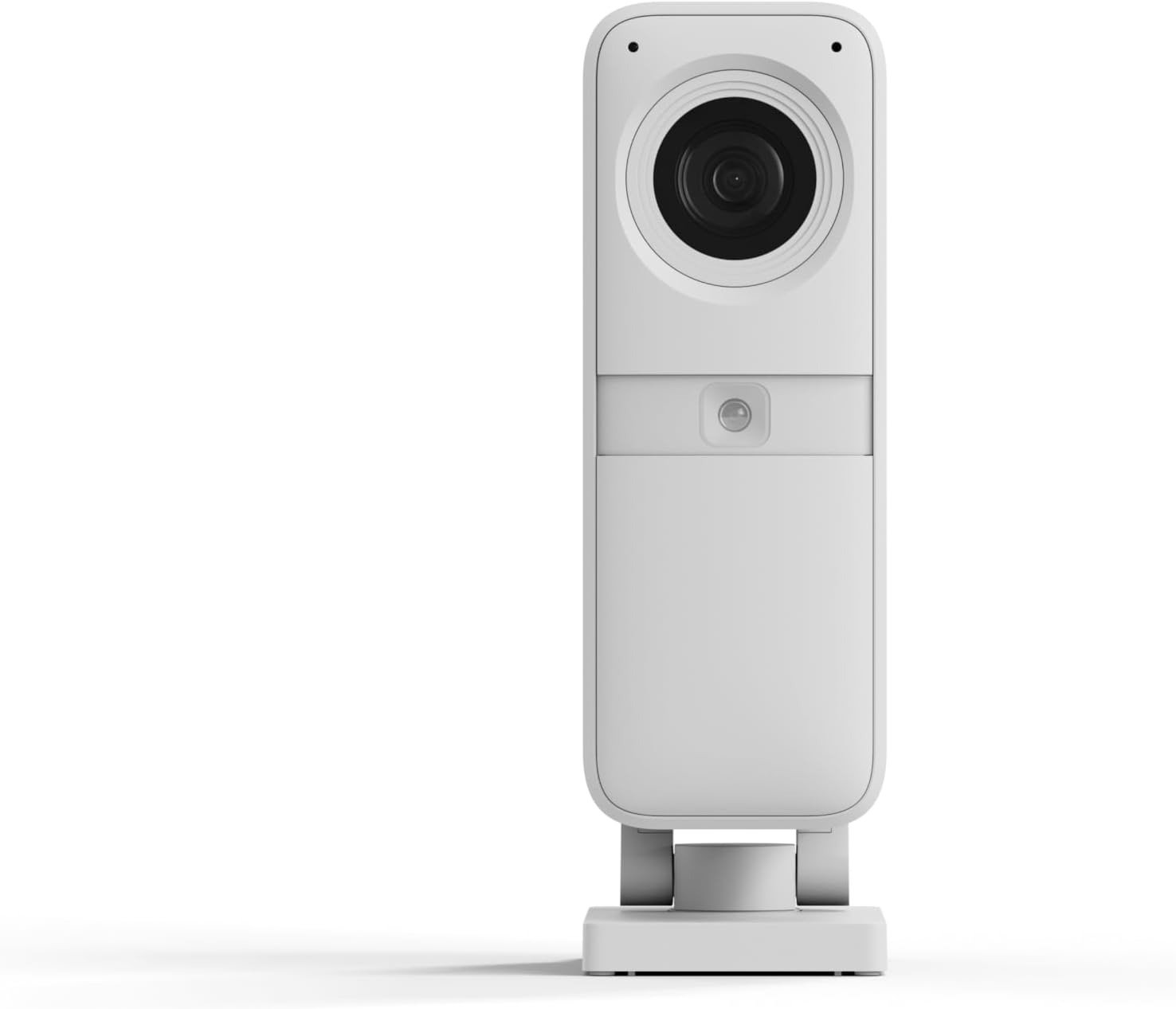
SIMPLISAFE WIRELESS INDOOR SECURITY CAMERA
You only notice it the second time.
The first time, you assume it was a glitch.
A delayed notification. A missed alert. Nothing serious.
The second time, something shifts.
You open the app.
Scroll.
And realize the moment you needed… exists only as a recording.
Not prevention.
Not intervention.
Just evidence.
That’s the quiet break most people don’t name.
They think they bought visibility.
What they actually bought… was delay.
The Result Looks Fine. The Problem Isn’t.
SIMPLISAFE WIRELESS INDOOR SECURITY CAMERA
On paper, everything checks out.
1080p video.
Motion detection.
Mobile alerts.
You install it.
It works.
You see movement.
You get notifications.
You can review footage.
But the system doesn’t fail immediately.
It starts when the environment becomes unpredictable.
Late at night.
Low light.
Background motion.
Routine noise.
The alerts become inconsistent.
Sometimes delayed.
Sometimes triggered by nothing important.
Sometimes missing what actually matters.
And slowly, something changes in behavior.
You stop checking it as often.
You trust it less.
Not because it broke—
but because it never operated at the moment you needed it most.
What You’re Actually Feeling but Not Naming
SIMPLISAFE WIRELESS INDOOR SECURITY CAMERA
It’s not fear.
It’s not even dissatisfaction.
It’s intervention failure.
That moment where:
You’re aware something happened
But you weren’t able to act on it in time.
Most people mislabel this as:
“camera quality”
“app issue”
“Wi-Fi delay”
It’s none of those.
It’s the gap between detection and usable response.
And once you notice it, you can’t unsee it.
The Hidden Mechanism Behind the Miss
SIMPLISAFE WIRELESS INDOOR SECURITY CAMERA
Indoor cameras don’t operate in real time the way people assume.
They operate in a chain:
Detection → Processing → Upload → Notification → Human Reaction
Every step adds latency.
Now add real-world variables:
Low light reduces detection accuracy.
Movement thresholds filter events (to avoid spam).
Cloud processing adds delay.
Notification systems batch or throttle alerts.
The result?
You’re always slightly behind the moment.
Not enough to notice immediately.
But enough to lose control when it matters.
The Threshold Where the Outcome Quietly Breaks
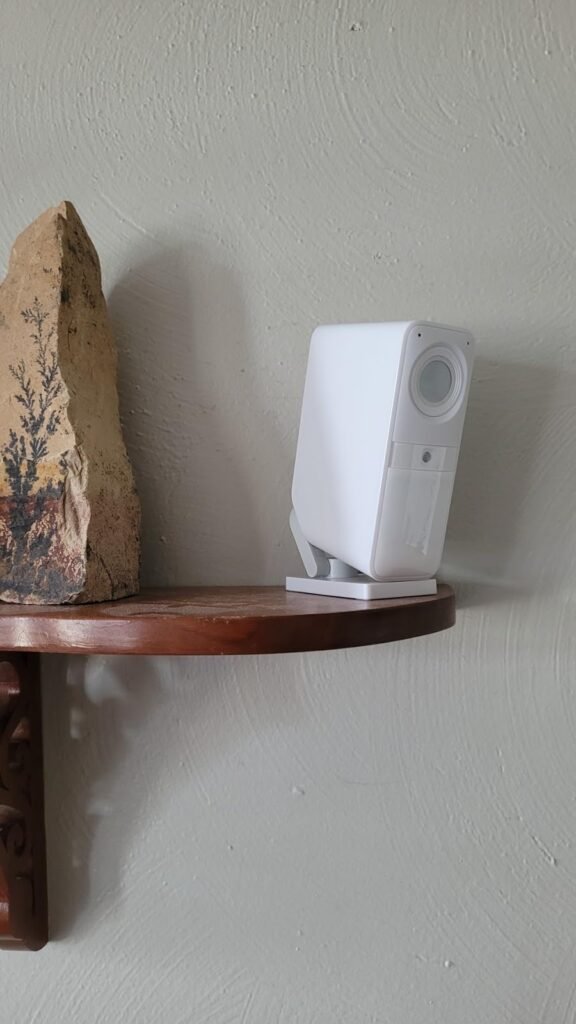
SIMPLISAFE WIRELESS INDOOR SECURITY CAMERA
There’s a point where “recording” stops being enough.
I call it:
Response Threshold.
This is where:
A delay of even 5–10 seconds becomes meaningful.
A missed alert becomes a blind spot.
A false alert conditions you to ignore real ones.
It doesn’t happen in calm conditions.
It happens when:
Movement is irregular.
Lighting is unstable.
Activity is brief but important.
That’s where most indoor cameras quietly fail.
Not technically.
Operationally.
Why Most Buyers Misread This Too Early
SIMPLISAFE WIRELESS INDOOR SECURITY CAMERA
Most decisions are made on visible features:
Resolution.
Field of view.
Price.
App design.
But those don’t define outcome.
They define presentation.
The real variable is:
How the system behaves under imperfect conditions.
And that’s rarely visible in specs.
That’s why people compare:
Camera A vs Camera B.
Instead of asking:
“Will this still work when conditions are not ideal?”
Who Is Actually Inside This Problem
SIMPLISAFE WIRELESS INDOOR SECURITY CAMERA
This applies if:
You rely on alerts, not just recordings.
You expect to act when something happens.
You can’t monitor constantly.
You need reliability across repeated daily use.
Especially:
Apartments with shared noise.
Homes with pets or motion variability.
Users who depend on mobile alerts while away.
Where Wrong-Fit Begins
SIMPLISAFE WIRELESS INDOOR SECURITY CAMERA
This is not for you if:
You only need footage after the fact.
You manually check cameras frequently.
You don’t rely on real-time alerts.
You accept occasional misses as normal.
If your expectation is passive monitoring,
this problem doesn’t exist for you.
But if your expectation is timely awareness,
this is where things start breaking.
The One Situation Where This Product Becomes Logical
SIMPLISAFE WIRELESS INDOOR SECURITY CAMERA
After testing multiple setups, one pattern became clear:
Systems that reduce delay and stabilize detection behavior
don’t feel “better”—
they feel predictable.
That’s where the
SimpliSafe Wireless Indoor Security Camera
fits differently.
Not because it has more features.
But because its system design focuses on:
Controlled motion detection tuning.
Faster alert routing within its ecosystem.
Reduced false-trigger conditioning.
Stable app response consistency.
It doesn’t eliminate delay completely.
But it compresses it enough
that the system starts behaving within the response threshold.
Operational Behavior Snapshot
SIMPLISAFE WIRELESS INDOOR SECURITY CAMERA
| Condition | Typical Cameras | SimpliSafe Behavior |
|---|---|---|
| Low-light motion | Miss / delay | More consistent |
| Repeated false triggers | High | Moderated |
| Alert-to-app time | Variable | More stable |
| User trust over time | Drops | Maintains longer |
What You Gain vs What You Trade
SIMPLISAFE WIRELESS INDOOR SECURITY CAMERA
| Gain | Trade-Off |
|---|---|
| More predictable alerts | Requires ecosystem commitment |
| Reduced alert fatigue | Less “open” platform flexibility |
| Faster usable notifications | Subscription for full features |
What It Solves, What It Reduces, and What It Still Leaves to You
SIMPLISAFE WIRELESS INDOOR SECURITY CAMERA
It solves:
Unpredictable alert timing.
Detection inconsistency.
False alert fatigue.
It reduces:
Cognitive load of checking constantly.
Missed-event probability under normal use.
It does not remove:
All latency.
Dependency on internet stability.
Need for correct placement and setup.
And that matters.
Because expecting perfection
is how most people misjudge these systems.
Final Compression
SIMPLISAFE WIRELESS INDOOR SECURITY CAMERA
If your camera works…
but you still feel slightly late every time—
you’re already inside the threshold where outcome breaks.
Not visibly.
But consistently.
And once you see that pattern,
the decision stops being about features.
It becomes about timing control.
If that’s the condition you’re actually dealing with,
this is the point where continuing with unstable detection
usually costs more than correcting it cleanly.
Transparency Note:
This analysis is not based on quick personal impressions.
It is derived from documented system behavior, verified user patterns, and the physical constraints of storage capacity.
The goal is to translate complex technical behavior into a realistic performance model that helps you make a clear decision.