When Waiting for Your Shower Starts Running Your Morning
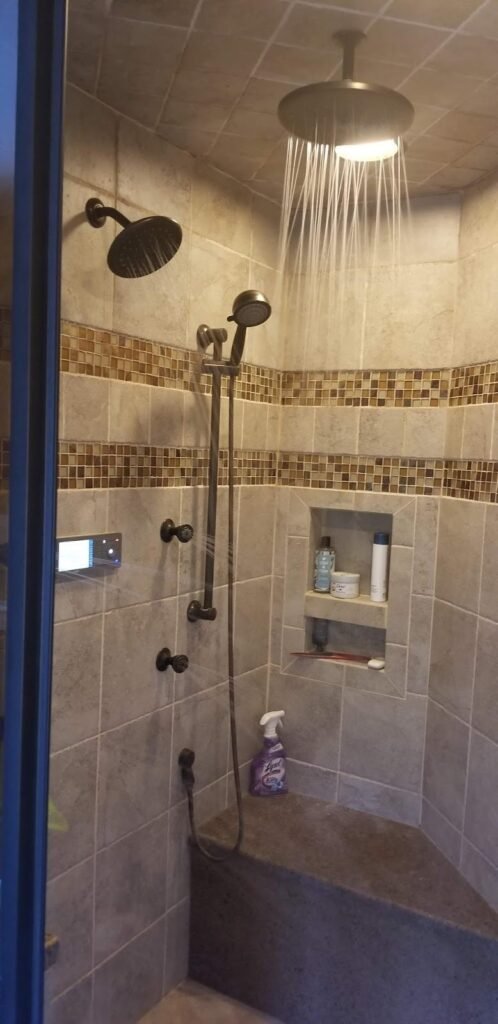
The problem usually starts in a way that feels too small to deserve a name. You turn the water on, wait for it to settle, test it with your hand , step back because it is still wrong, then do the same thing again the next day. Nothing dramatic. Nothing broken enough to force a decision. That is exactly why it lasts so long. The irritation stays quiet, but it keeps charging rent inside the routine.
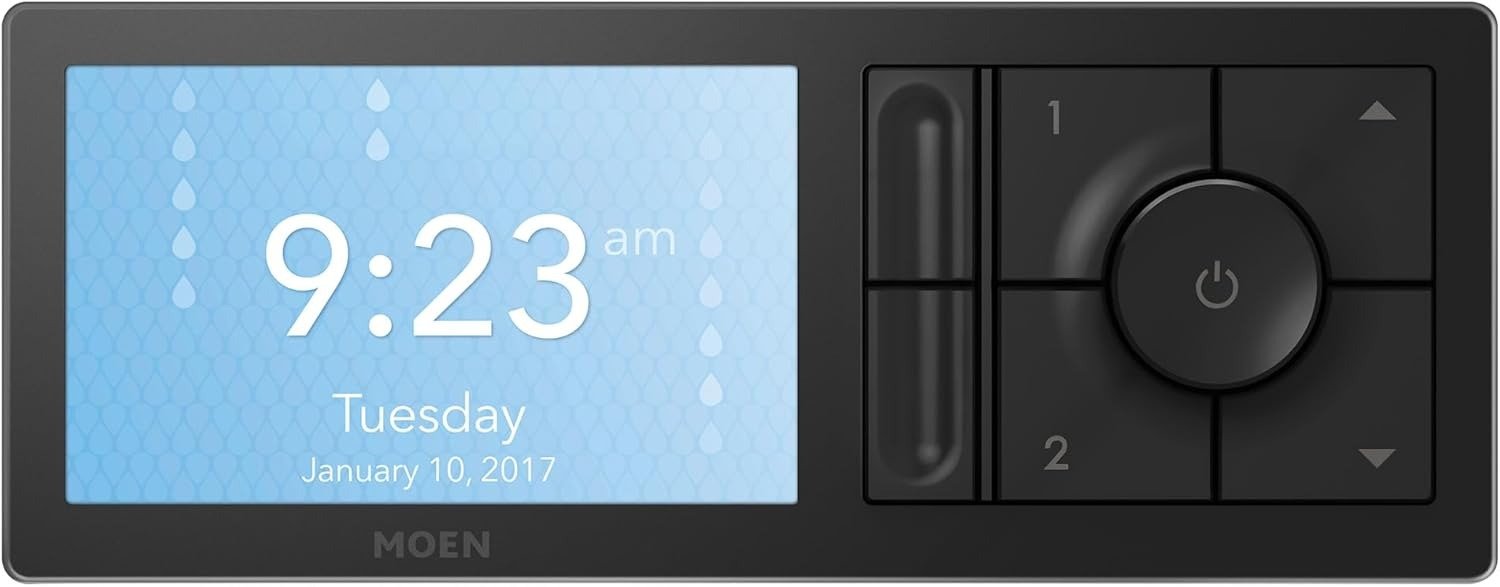
What finally changed my read on smart showers was not the app or the voice control. It was a harder truth. The real waste is rarely water first. It is attention. That is the hidden bill most people never measure until the repetition starts to feel personal. Moen’s smart shower system is built around precise temperature control, presets, remote activation, and a warm-up-and-pause function, which tells me the category is not trying to make showering futuristic as much as it is trying to reduce repeated setup friction.
The Pain Shows Up Before the Buyer Realizes the Category
The first mistake people make is thinking they need a “bad shower” before they need a better system. They do not. They need a shower that keeps asking for attention.
That is where the category threshold begins. You feel it when the temperature is technically fixable but never effortless. You feel it when one person leaves the controls in a different state and the next person inherits the mess. You feel it when the first minute of the shower is not part of the shower at all, just preparation work. That pattern matters more than most spec sheets. Customer feedback for Moen’s system repeatedly centers on strong temperature control and the convenience of starting the shower before stepping in, which is a routine-friction signal far more than a luxury signal.
The Secret Most Buyers Miss
A smart shower is not most valuable when it adds features. It is most valuable when it removes negotiations.
That sounds obvious until you live with the alternative. In a normal setup, every shower begins with a small negotiation between your memory, the valve position, the last user, and the water line. In a digital system, that negotiation gets compressed into a stored state. Moen’s controller can operate through voice, phone, or wall control, and it supports presets while pairing with a separate thermostatic digital valve. The point is not that you gain more buttons. The point is that you stop rebuilding the same shower from scratch.
When the Threshold Becomes Real
| Daily friction pattern | What it really means | Threshold strength |
|---|---|---|
| You wait outside the spray for temperature to settle most days | Warm-up delay has become a routine tax | Strong |
| Multiple users keep throwing off the next shower | Manual reset is now a recurring annoyance | Strong |
| You care about exact temperature, not “close enough” | Precision matters to comfort, not just convenience | Strong |
| You mainly want app control because it sounds advanced | The desire is aesthetic before it is operational | Weak |
| You want a quick upgrade without system planning | The category fit is already breaking | Wrong fit |
The aha moment is simple: the threshold is crossed when the shower stops being a water event and starts becoming a management task.
The Counter-Intuitive Truth Nobody Says Early Enough
Most people assume the risk in a smart shower is whether the water experience feels premium enough. That is not the first risk. The first risk is whether you are comfortable living with a digital dependency chain in a room that used to be almost purely mechanical.
That matters because the TS3302BL is not a standalone trim swap. It requires Moen’s separate S3102 digital valve. The system also needs planning around power and installation. Moen’s product and installation materials describe the controller-to-valve data connection, the separate digital valve requirement, and installation considerations that are much closer to system design than cosmetic replacement.
This is where many buyers misread the category. They think they are buying shower control. In reality, they are buying a controlled shower environment.
Why Some Owners Love It and Others Turn on It
Because the value is strongest in repeated life, not in first impressions.
When the system works the way it is meant to, owners tend to praise the same cluster of benefits: stable temperature, quick readiness, and the ability to start the shower remotely. When frustration appears, it often appears around the smart layer rather than the water itself. Public app feedback includes complaints about login or reliability issues, and community posts show that network setup can become a real irritation in certain home environments. That split is not random. It reveals the actual design bargain: you gain repeatable control, but you trade off old-school simplicity.
The Golden Rule I Would Use Before Buying
If the friction is daily, the system can feel like relief.
If the friction is hypothetical, the system can feel like theater.
That rule saves a lot of expensive self-deception. The official Moen store lists the controller around $521 and the system requires the separate valve, so this is not a casual experiment. The money only makes sense when the routine already hurts enough to justify compression.
Who Should Keep Reading and Who Should Stop Here
This is for people who are tired of re-finding the same shower every day.
This is not for people who are already content with manual control, do not mind temperature settling time, and mainly want a wall-mounted gadget that looks smarter than it is. If your pain is real, the next question is no longer whether the category makes sense. The next question is whether this specific Moen system is the right kind of smart or the wrong kind of commitment.
[Link] Decision Article — Moen TS3302BL Review: The Point Where the Fit Turns Strong
If that daily shower friction already feels familiar, the next step is not more browsing. It is checking whether this specific system solves the right problem or adds a new one.
Transparency Note:
This analysis is not based on quick personal impressions.
It is derived from documented system behavior, verified user patterns, and the physical constraints of storage capacity.
The goal is to translate complex technical behavior into a realistic performance model that helps you make a clear decision