Why My Induction Cooking Felt Perfect… Until the Temperature Started Drifting
ANALYSIS FRAMEWORK
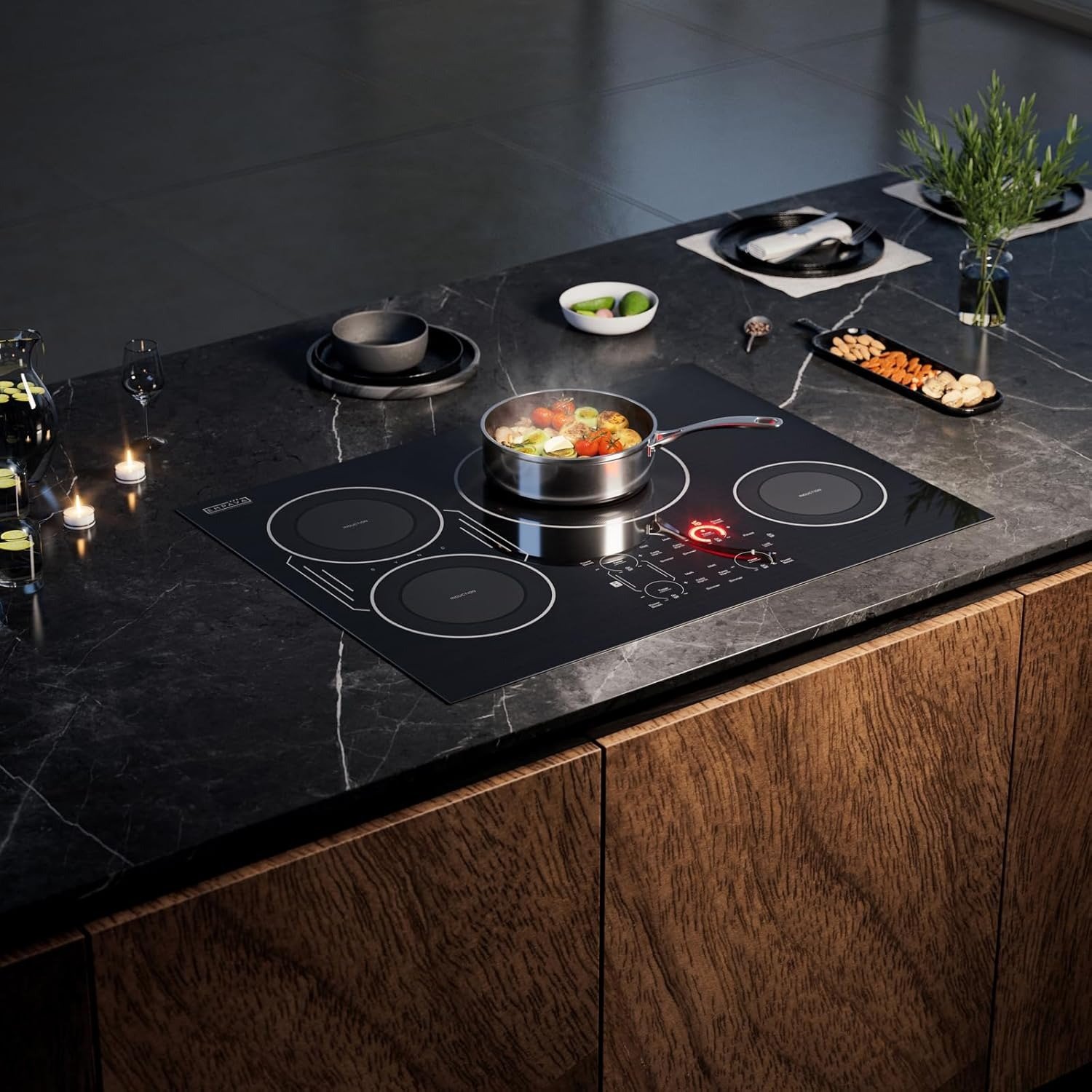
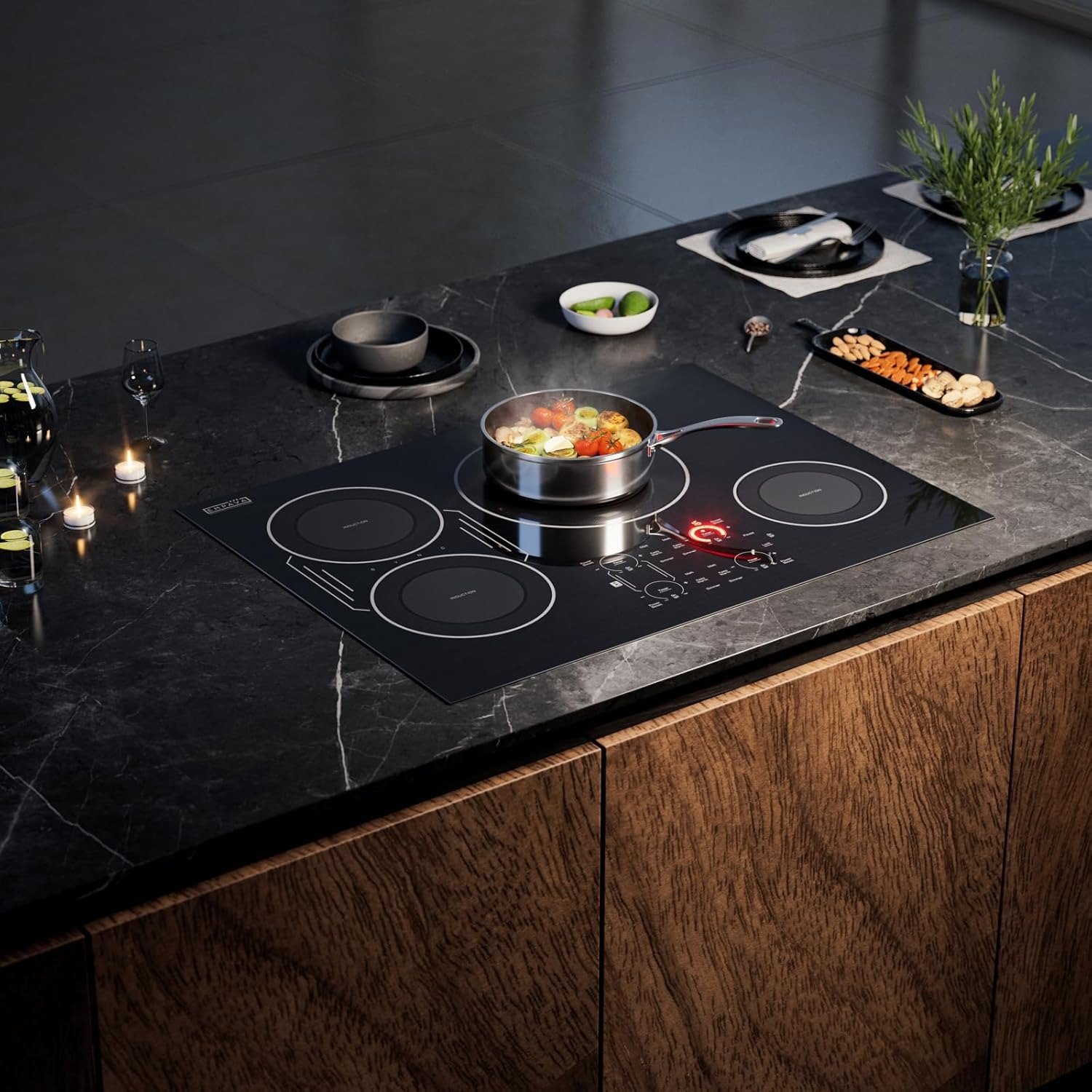
When I first started cooking on a modern induction cooktop, everything felt almost surgical. Water boiled faster, pans heated evenly, and temperature adjustments responded instantly. For the first few days, I had the impression that induction cooking had solved every problem traditional stovetops ever had.
But after a few weeks of real cooking—multiple pots, long simmering sessions, frying while boiling pasta—I began noticing something subtle.
The heat wasn’t exactly unstable.
But it wasn’t perfectly predictable either.
And that difference matters more than people realize.
What I eventually discovered is that induction cooking is not defined by raw power. It is defined by heat variance—how stable the energy delivery remains when cooking conditions change.
Understanding that single idea explains almost every strange behavior people experience with induction cooktops.
The Real Measurement Behind Induction Performance
Most people evaluate a cooktop using simple questions:
- Does it boil water fast?
- Does it heat quickly?
- Does it look modern?
Those are surface indicators.
The deeper measurement is how consistently the system maintains heat when cooking conditions evolve.
Induction cooktops work by generating electromagnetic fields beneath the glass surface. These fields create heat directly inside the cookware rather than heating the surface itself.
This design makes induction extremely efficient.
But it also introduces a new factor: power distribution behavior.
When only one zone is active, the cooktop can deliver very stable heat.
When multiple zones run simultaneously, the internal power management system must distribute available electrical capacity across zones.
That redistribution is where variance begins to appear.
When Heat Variance Starts Showing Up
The first time I noticed this effect was during a typical dinner routine.
One pan was searing chicken while a pot of pasta water was boiling beside it. Initially, both pans heated quickly. But as cooking continued, I noticed I had to gradually increase the heat level on one zone to maintain the same intensity.
Nothing was broken.
The system was simply redistributing energy between zones.
Many induction users describe the same behavior: a heat level that initially works perfectly slowly needs to be raised when multiple zones operate together.
This is not weakness. It is power management interacting with cooking behavior.
Observable Signs of Heat Variance
Once I started paying attention, the pattern became easy to recognize.
Several small signals appear when heat variance enters the system.
Multi-Zone Cooking Drift
When two or more burners operate together, the cooktop may reallocate available electrical capacity. The result is that a heat level that previously maintained a simmer may require a slightly higher setting.
Acoustic Feedback
Induction electronics sometimes produce a faint humming or buzzing sound during higher power output. This sound usually becomes more noticeable when the system is working harder to maintain heat across multiple zones.
Pan Placement Sensitivity
Induction zones rely on coil positioning beneath the glass surface. Large cookware that partially overlaps coil boundaries can slightly reduce heating efficiency, which sometimes feels like inconsistent heating.
Control Adjustments
Because induction responds quickly, users tend to make frequent micro-adjustments. If the touch interface requires extra precision, small control frustrations can feel like cooking instability.
None of these signals indicate failure. They simply reveal how the system behaves under real cooking conditions.
The Time Factor Most People Ignore
Heat variance rarely appears during quick cooking.
It becomes noticeable during extended cooking sessions.
At the beginning of a cooking cycle, induction systems deliver strong and stable heat. As time passes and multiple zones remain active, internal components begin balancing thermal load, electrical distribution, and cooling requirements.
This is when users start adjusting heat levels.
The cooktop is still functioning correctly.
But the user’s expectation—that a specific number on the control panel should always behave the same—begins to drift.
That mismatch between expectation and behavior is where frustration begins.
Three Cooking Styles That Experience Induction Differently
Understanding cooking behavior makes induction systems much easier to evaluate.
Single-Pan Precision Cooking
If most meals involve one primary pan or a simple cooking sequence, induction usually feels exceptionally stable. The system can concentrate its energy on a single heating zone.
Family Multi-Pan Cooking
When multiple pots and pans run simultaneously—boiling, frying, simmering—the cooktop begins distributing power across zones. This is where users start noticing the need for slightly higher settings to maintain temperature.
Large Cookware Cooking
Large pans or oversized cookware interact differently with the induction coils beneath the surface. If cookware extends beyond the optimal coil area, heating efficiency may feel slightly less predictable.
These patterns are not flaws. They are simply the physics of induction cooking interacting with real kitchens.
The One Insight That Changed How I Evaluate Cooktops
Before I understood variance, I judged cooktops by maximum power.
Now I judge them by how predictable the heat feels during real cooking patterns.
A cooktop that delivers extreme peak power but struggles during multi-pan cooking may feel frustrating.
Another cooktop with slightly lower peak power but smoother heat stability may feel effortless.
Stability, not raw strength, determines cooking confidence.
The Key Question Every Buyer Should Ask
Instead of asking:
“Is this cooktop powerful?”
The better question is:
“Will the heat remain predictable during the way I actually cook?”
That single question separates marketing impressions from real kitchen behavior.
If You Want to See How This Variance Model Applies to a Real Cooktop
I tested these principles using one specific induction model and analyzed exactly where the stability threshold appears during daily cooking.
You can read the full operational breakdown here:
https://focusedinsight.net/bosch-pvj631hc1e-review/
Transparency Note:
This analysis is not based on quick personal impressions.
It is derived from documented system behavior, verified user patterns, and the physical constraints of storage capacity.
The goal is to translate complex technical behavior into a realistic performance model that helps you make a clear decision



One Comment