When a Smart Toilet Actually Makes Sense
ANALYSIS FRAMEWORK
The mistake I see most often is treating a smart toilet like a luxury gadget when it is really a routine tool.
The real question is not whether features like a heated seat, warm water, a dryer, or touch-free flushing sound impressive. The real question is when your normal bathroom routine becomes annoying often enough that comfort stops feeling optional and starts feeling structural. That is the point I call the Routine Friction Threshold.
For me, that threshold becomes visible when the irritation repeats in small, boring ways: cold seat shock at night, paper that never feels fully clean, extra cleanup after a rushed morning, a bathroom that feels less comfortable for older family members, or a shared household where everyone keeps adjusting things differently.
A smart toilet starts making sense when those frictions stop being occasional and become part of the rhythm of the day. That is also why testing groups judge these products over extended home use, not by a five-minute demo. Good Housekeeping says installation, maintenance, flushing, cleansing, drying, and long-term usability are what matter most in real homes.
The Threshold Is Not Luxury. It Is Repetition.
I do not think the strongest argument for a smart toilet is “more features.” I think it is less interruption.
Once the bathroom routine has enough repetition, the value shifts from excitement to relief. Heated seating matters more when the room runs cold for months. Warm water matters more when paper leaves irritation behind. Auto flush matters more when hygiene and convenience are shared by multiple people.
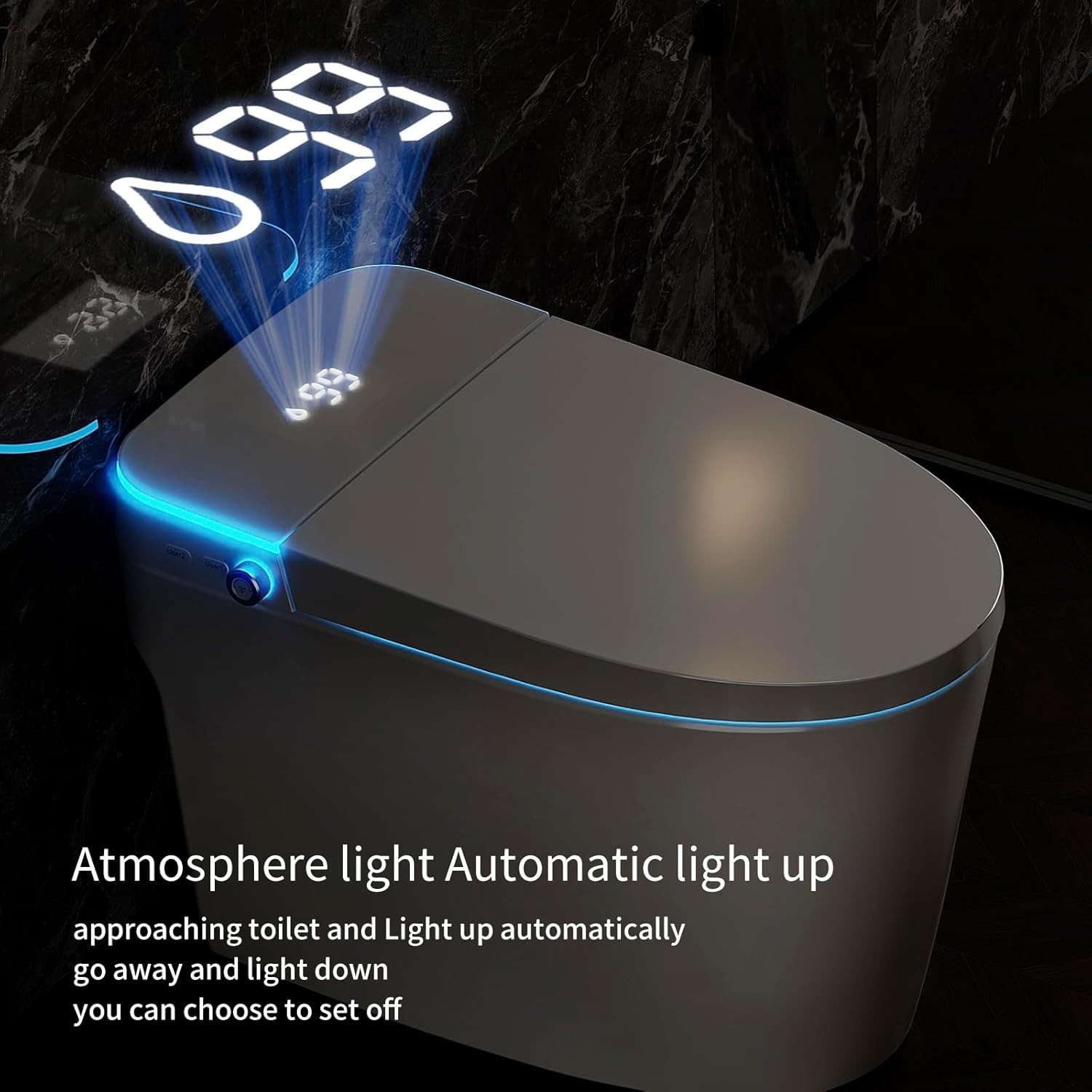
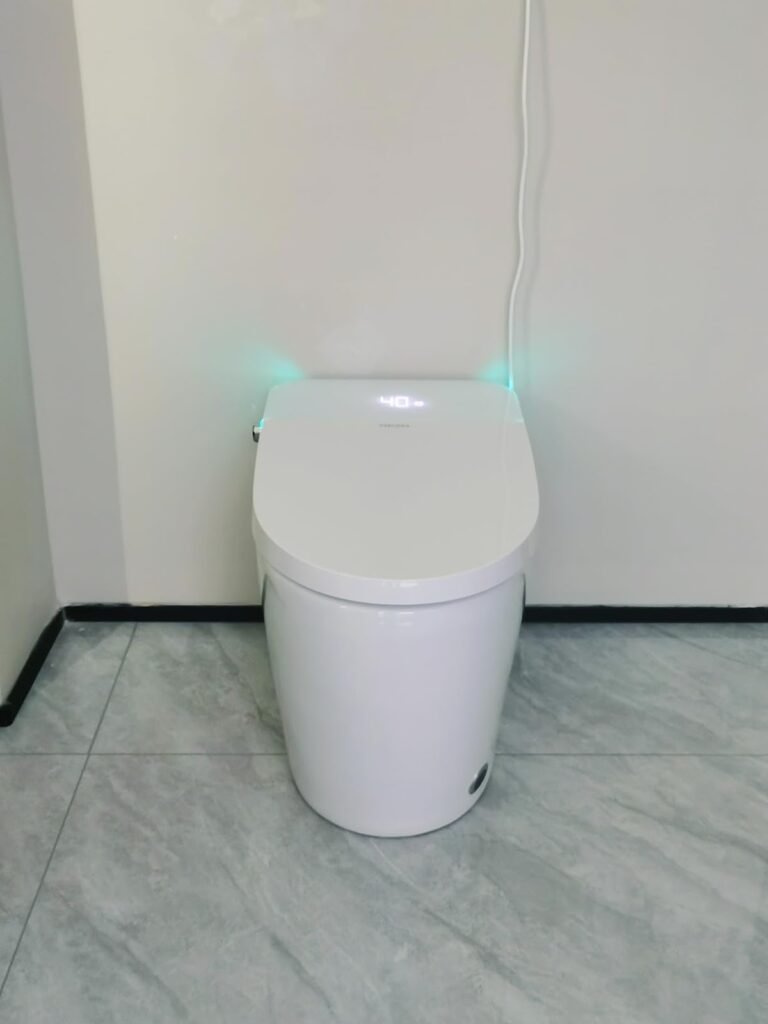
Memory settings matter more when two users want the toilet ready without re-adjusting water, seat, and drying every time. That is exactly the logic behind models like the VIPOOO VIP-01, which lists dual user presets, heated seat, instant warm water, warm air drying, foot-sensor control, and auto flush as core functions.
There is also a hidden psychological shift that people underestimate. A normal toilet asks for constant micro-compromises. You sit on a cold seat. You tolerate paper. You accept a less pleasant night trip. You do more manual cleanup than you want.
Once a product removes enough of those compromises, the mind stops treating the routine as a nuisance. It starts feeling finished. That is why smart toilets tend to land best not with people chasing novelty, but with people who are tired of low-grade irritation. Good Housekeeping’s testers describe this category in almost exactly that direction: after extended use, many stop wanting to go back to paper-only routines.
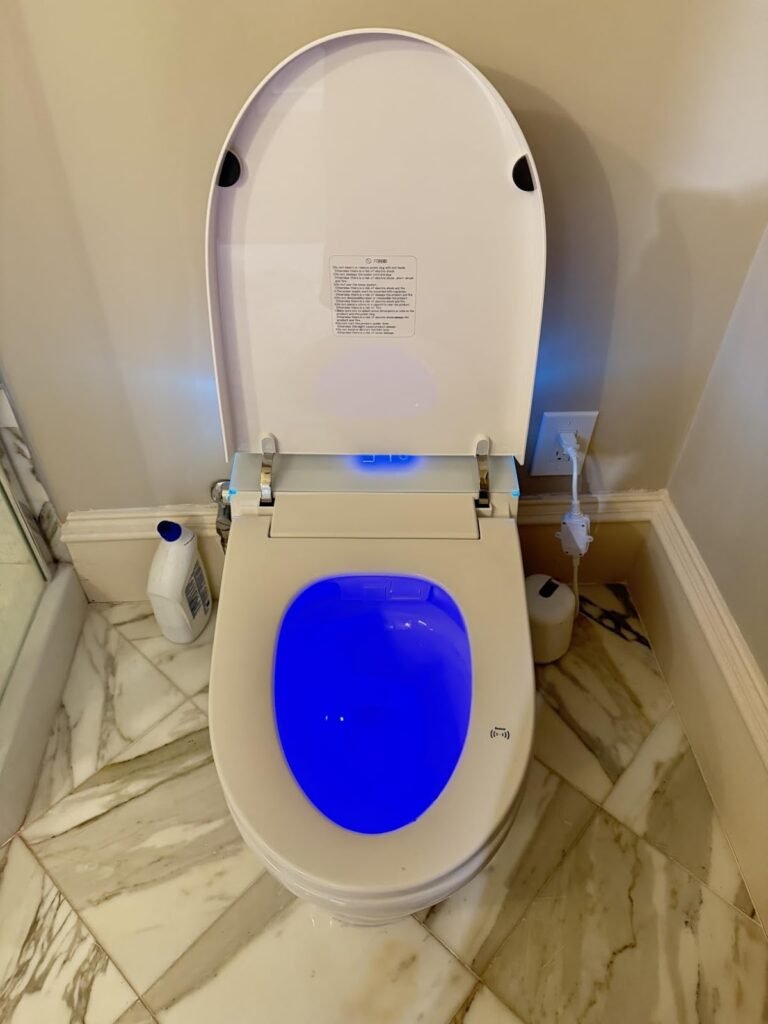
What Usually Pushes Someone Past the Threshold
| Repeating friction | Why it matters over time | What starts to feel useful |
|---|---|---|
| Cold seat at night or in winter | Repeated physical discomfort becomes memorable fast | Heated seat |
| Paper irritation or incomplete clean feeling | Small discomfort compounds over weeks | Warm water wash + dryer |
| Shared bathroom with different preferences | Re-adjusting every use becomes tedious | User memory presets |
| Touch points in a busy household | Convenience and hygiene become linked | Foot sensor + remote + auto flush |
| Bathroom trips during the night | Harsh overhead lighting feels intrusive | LED night light + quick access controls |
| Aging-in-place or comfort concerns | Sit/stand ease becomes more noticeable | Comfort-height design |
These are not abstract benefits. They are routine corrections.
And once you see the category this way, the buying decision gets simpler: if your bathroom friction is occasional, a smart toilet can feel excessive; if it is recurring, the right model can feel surprisingly rational.
That logic also fits the broader category: full smart toilets are more complex to install than a bidet seat, require electricity for premium functions, and usually need a true 12-inch rough-in in U.S. homes. Those requirements make sense only if the daily gain is real enough to justify the setup.
The Hidden Cost Is Not the Price Tag
What pushes many people into a bad purchase is focusing on the feature list and ignoring the operating reality.
The hidden cost is not just money. It is installation readiness, outlet placement, rough-in compatibility, support confidence, and whether the product actually reduces friction after the novelty wears off.
Smart toilets generally need a nearby GFCI outlet, typically run on 120V in North America, and integrated models usually require you to confirm rough-in and layout before buying. That is why the threshold matters: if the pain is real, the setup feels justified; if the pain is weak, the setup feels like homework.
The water-efficiency side matters too, but only when it is verified.
EPA says WaterSense-labeled toilets are independently certified to meet both efficiency and performance requirements, with 1.28 gallons per flush or less and potential household water savings over time. I would never treat generic “eco” language as enough on its own.
I look for clear certification, actual compatibility details, and whether the model solves repeated friction better than a simpler alternative.
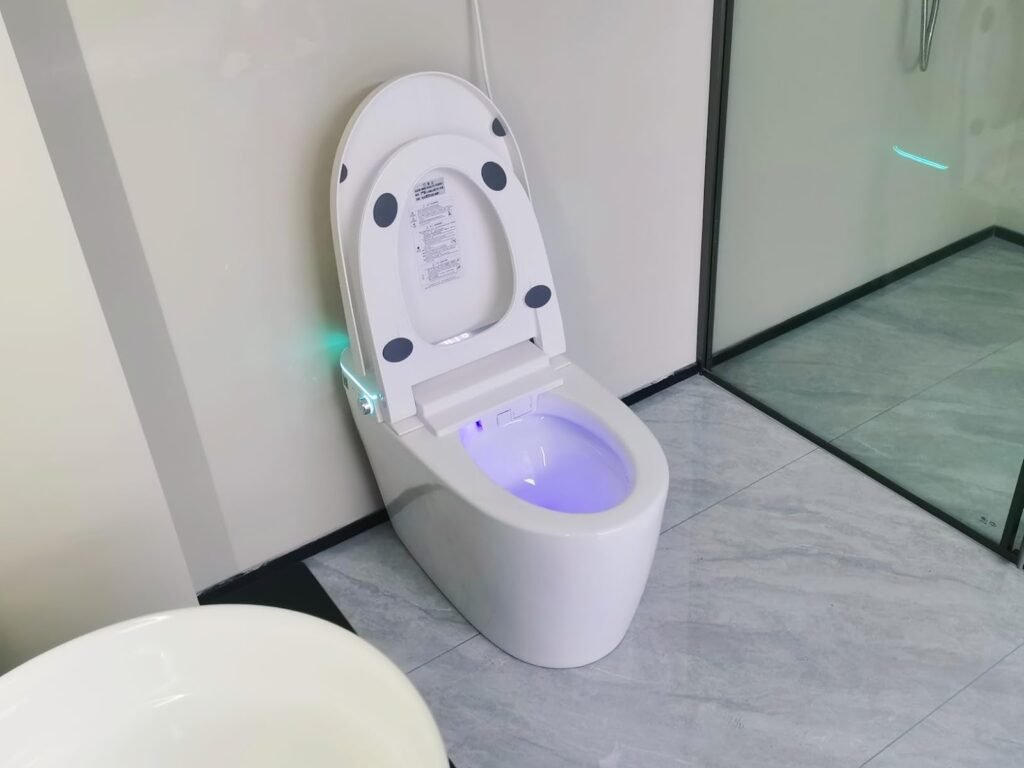
My Conclusion Before I Look at Any Specific Model
I do not start this category by asking, “What is the smartest toilet I can buy?”
I start by asking, “Has my bathroom routine crossed the point where comfort, hygiene, and fewer manual steps would noticeably improve daily life?”
If the answer is no, I would rather keep the setup simpler. If the answer is yes, then the right integrated smart toilet stops looking indulgent and starts looking like infrastructure.
That is the moment I move from curiosity to evaluation. [LINK → Decision Article] The next step is not more hype. It is deciding whether the VIPOOO VIP-01 crosses that threshold cleanly enough to justify itself in a real home.
Transparency Note:
This analysis is not based on quick personal impressions.
It is derived from documented system behavior, verified user patterns, and the physical constraints of storage capacity.
The goal is to translate complex technical behavior into a realistic performance model that helps you make a clear decision