Best Robot Vacuums for Smart Homes: Technical Decision Analysis
Robot vacuums have evolved from simple automated cleaners into highly complex home automation systems. Modern models integrate mapping algorithms, obstacle recognition, self-emptying docks and advanced cleaning logic.
However, real performance differences often appear only after extended use. Suction numbers alone rarely tell the full story. Navigation stability, docking reliability and long-term maintenance behavior are often the real decision factors.
This guide organizes our full technical decision analyses of robot vacuums. Each product is evaluated through the same structured framework focusing on stability, automation efficiency and operational limits.
Robot Vacuums Covered in This Analysis
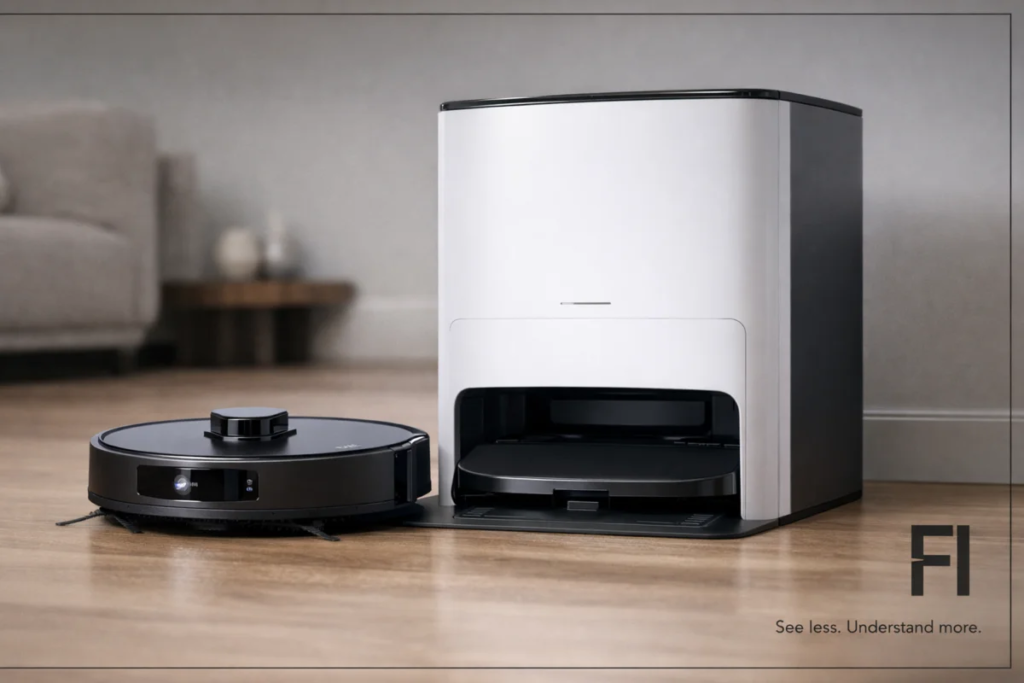
- ECOVACS DEEBOT X8 Pro Omni
https://focusedinsight.net/ecovacs-x8-pro-omni-review-technical-decision-analysis-guide/
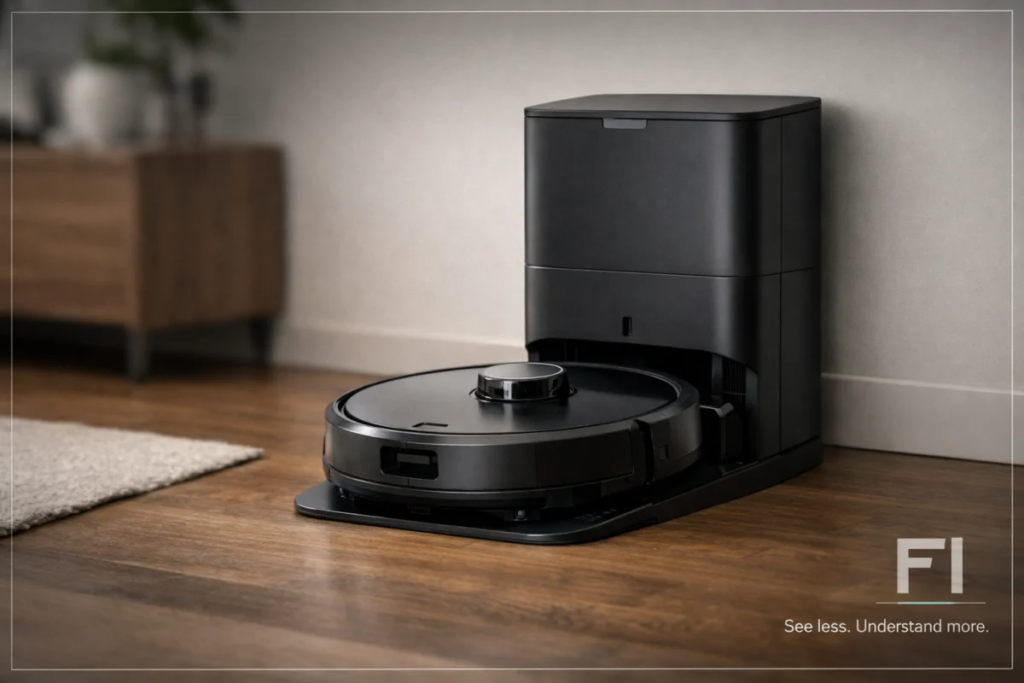
- uninell UR3 Robot Vacuum
https://focusedinsight.net/uninell-ur3-review-the-2026-roomba-j9-killer-self-emptying-pro/
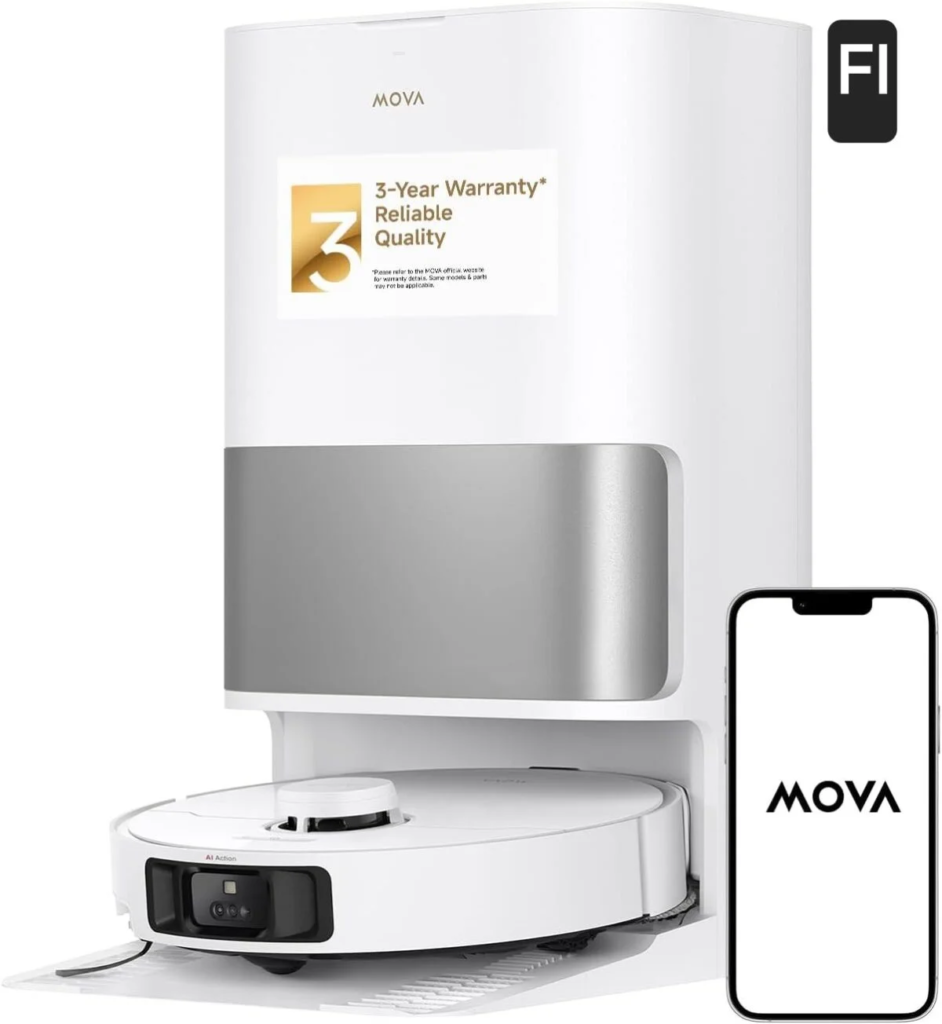
- MOVA P10 Pro Ultra
https://focusedinsight.net/27decision-analysis/
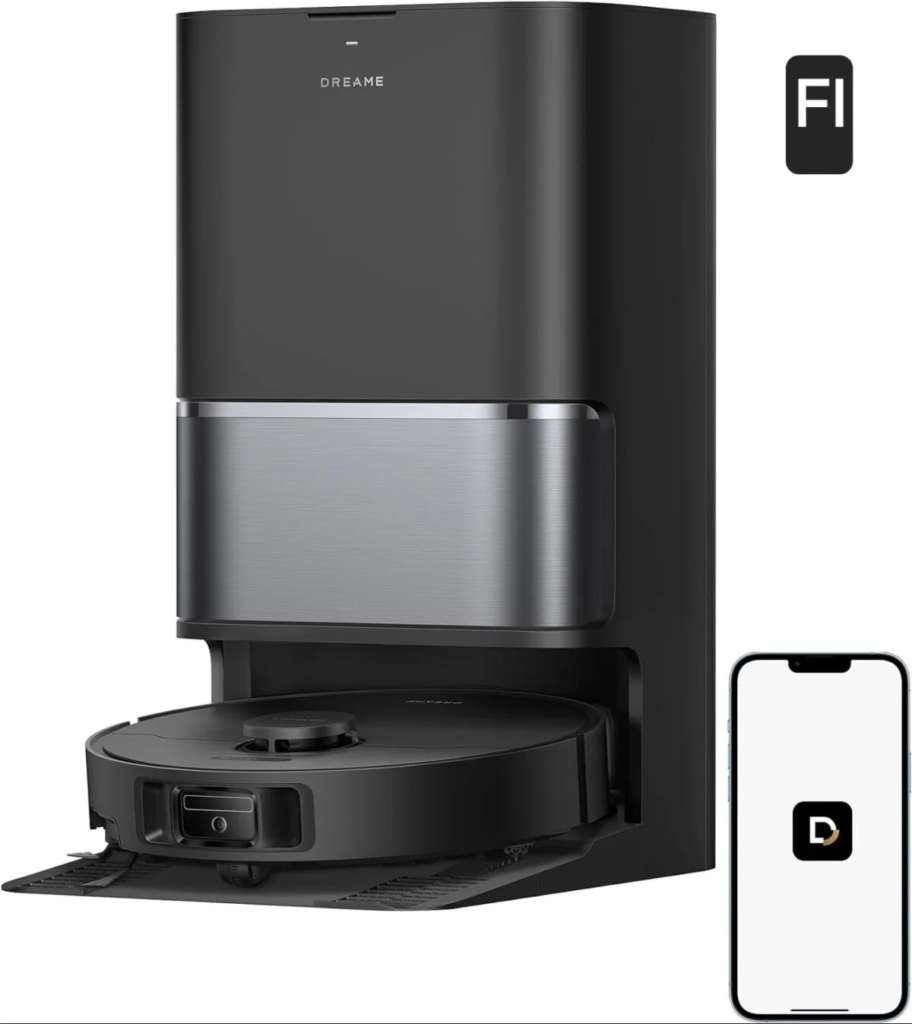
- Dreame L40 Ultra Gen 2
https://focusedinsight.net/28decision-analysis/
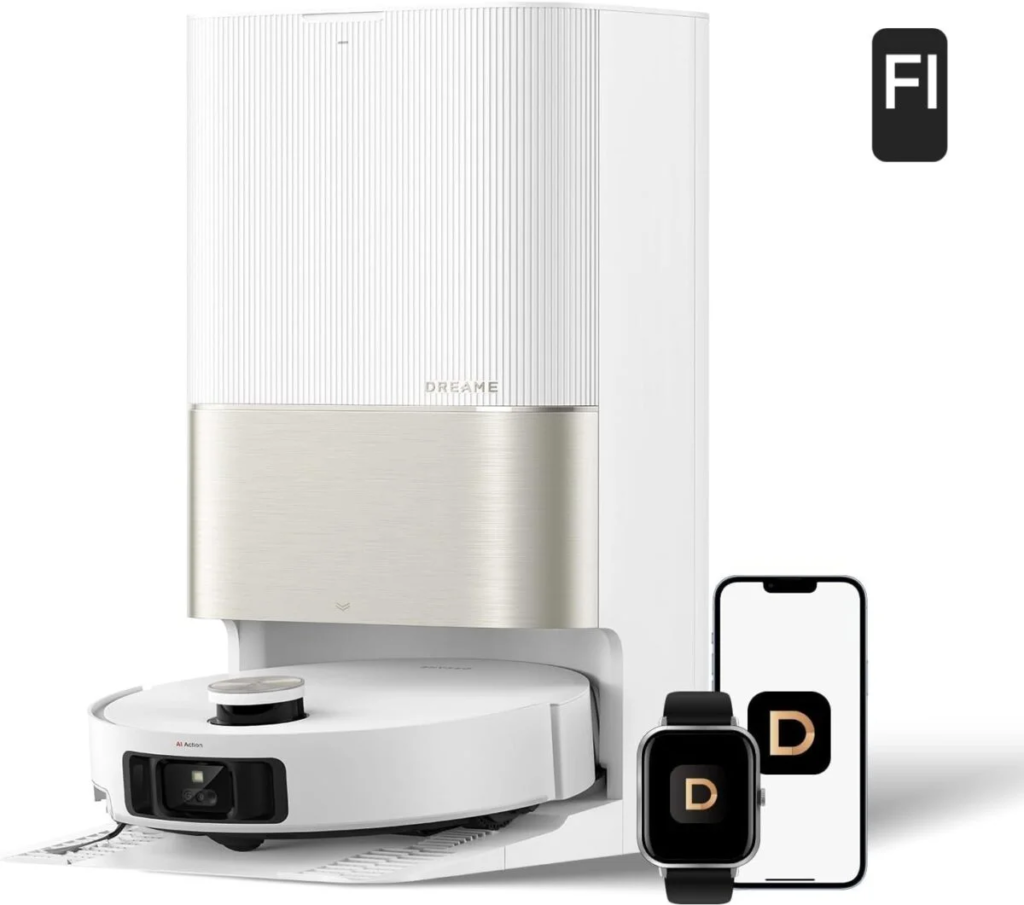
- Dreame X50 Ultra Complete
https://focusedinsight.net/29decision-analysis/
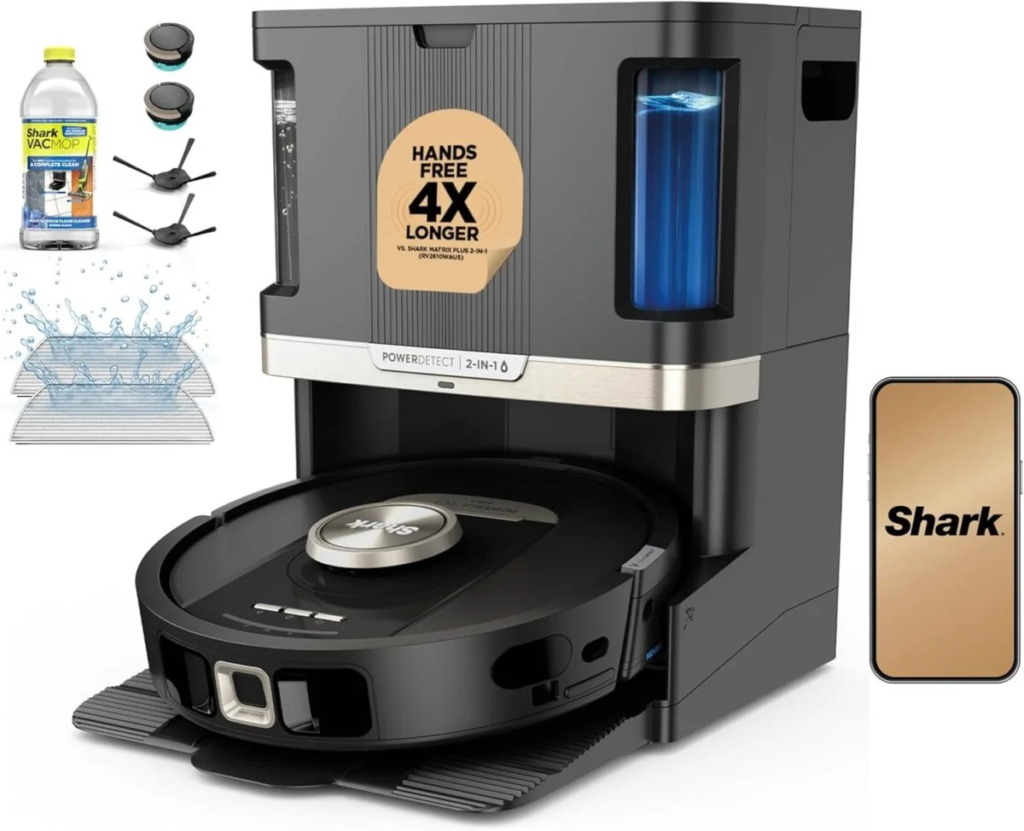
- Shark PowerDetect NeverTouch Pro AV2800ZEBK
https://focusedinsight.net/32analysis-framework/
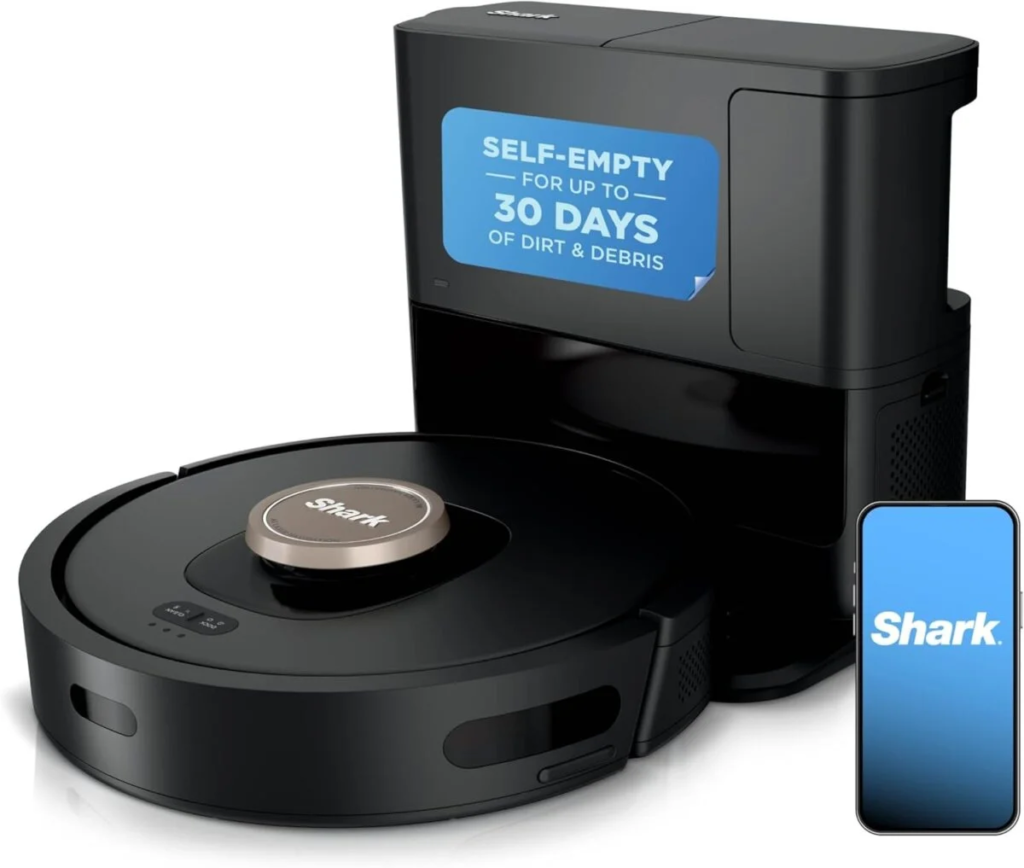
- Shark AV2501AE
https://focusedinsight.net/shark-av2501ae/
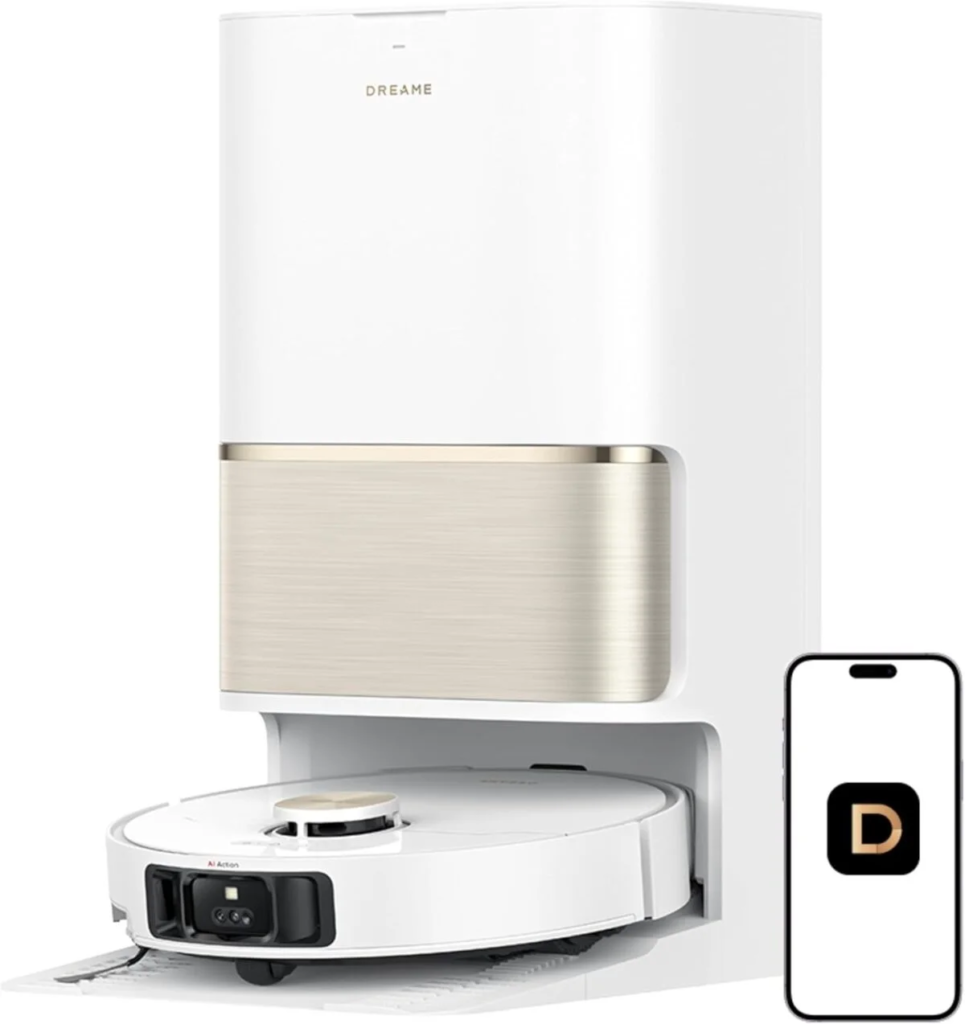
- Dreame L50 Ultra
https://focusedinsight.net/dreame-l50-ultra-review-when-robot-vacuum-performance-starts-to-break-down/
How We Evaluate Robot Vacuums
Our decision framework focuses on five key dimensions:
- Navigation stability
- Cleaning consistency
- Dock automation reliability
- Long-term maintenance requirements
- Environmental adaptability
How to Choose the Right Robot Vacuum
Key considerations include:
- home size
- floor type
- pet hair management
- automation expectations
- maintenance tolerance
Final Decision Guidance
Different homes require different automation strategies. Our detailed product analyses explore where each robot vacuum performs best and where limitations begin to appear.
Transparency Note:
This analysis is not based on quick personal impressions.
It is derived from documented system behavior, verified user patterns, and the physical constraints of storage capacity.
The goal is to translate complex technical behavior into a realistic performance model that helps you make a clear decision