Why Some Robot Vacuums Stop Feeling Hands-Free After the First Few Weeks
ANALYSIS FRAMEWORK
The biggest mistake I see with robot vacuum and mop systems is assuming the problem starts with suction. In practice, the break usually happens earlier than that. It starts when the machine no longer feels invisible in daily life.
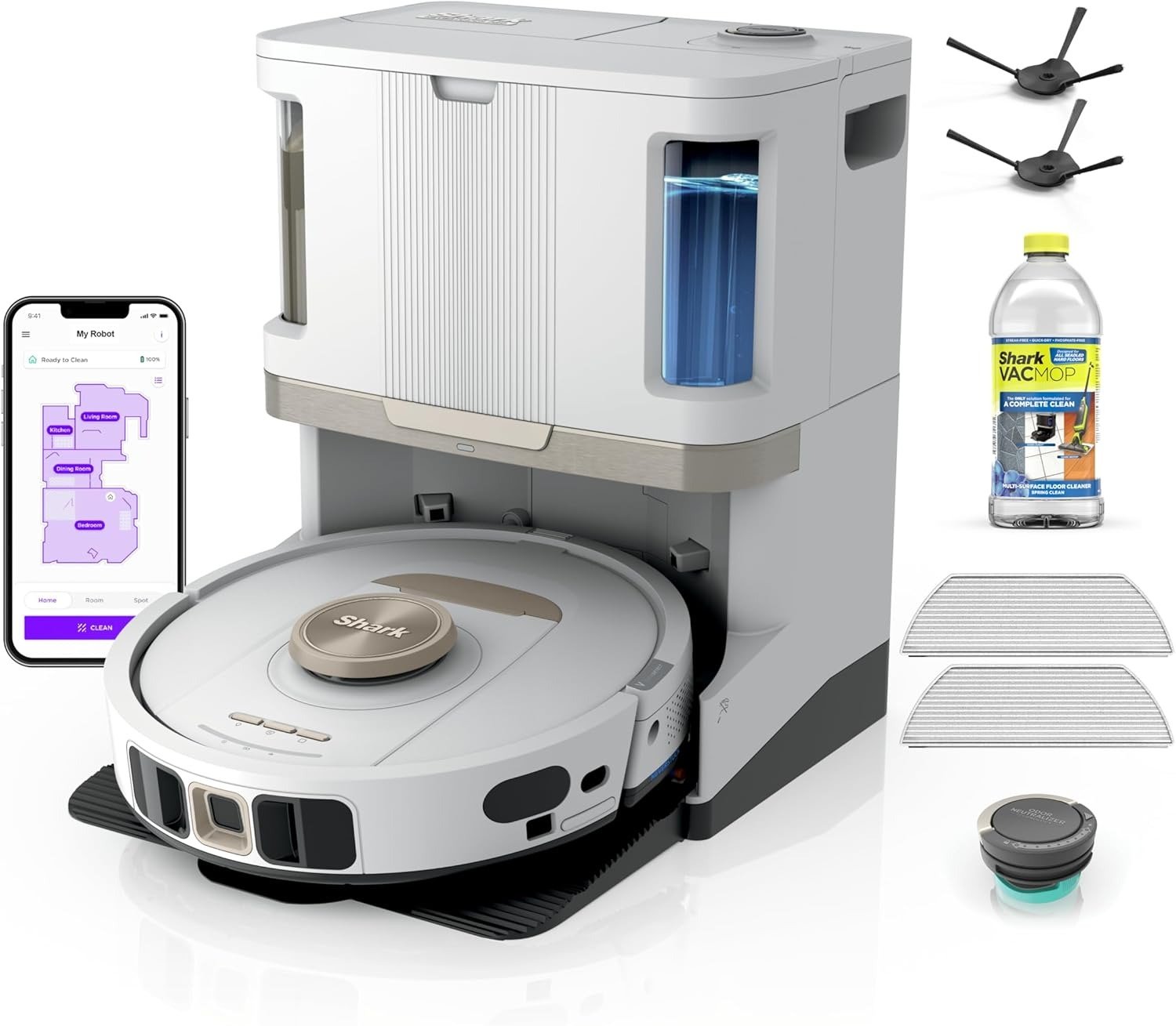
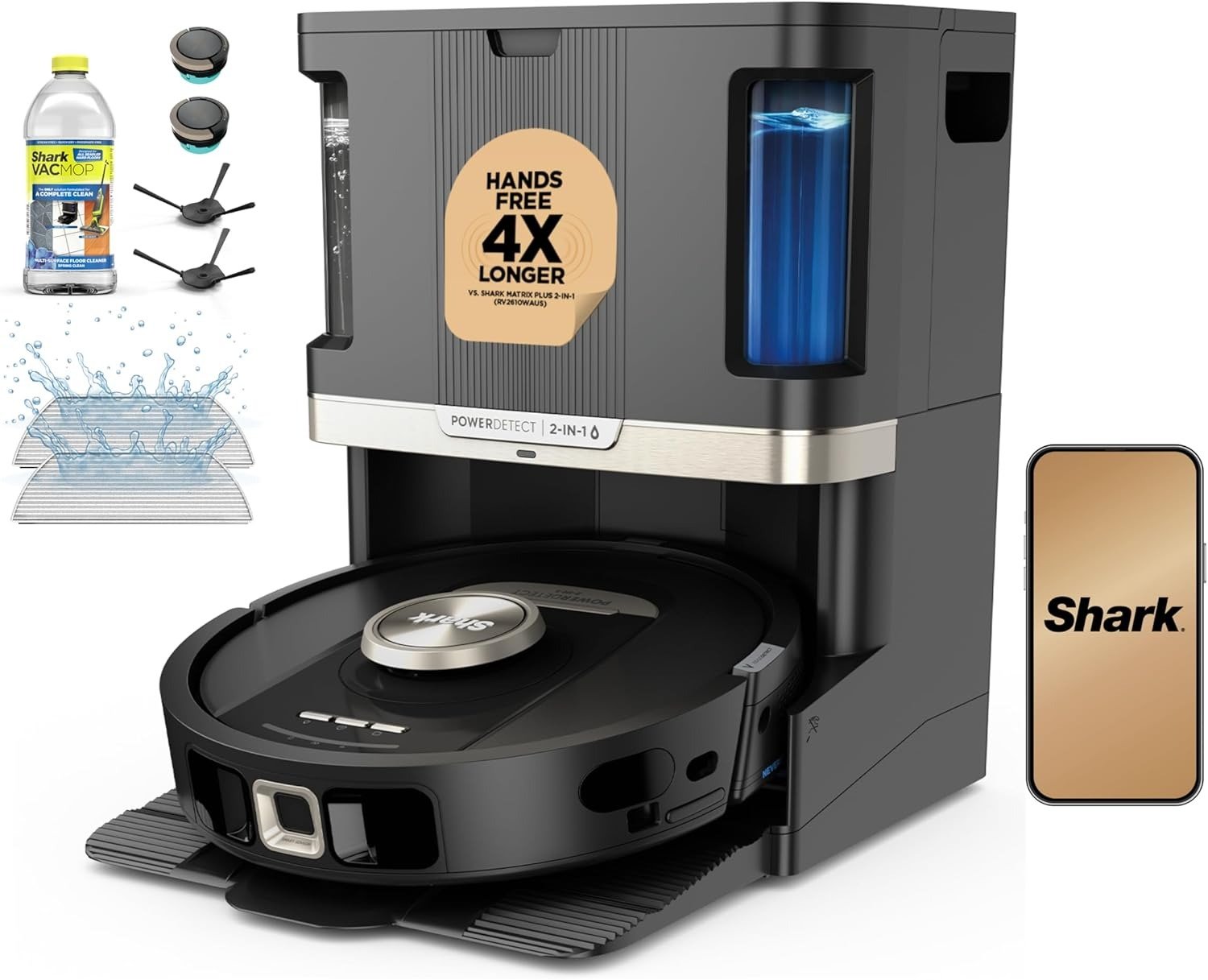
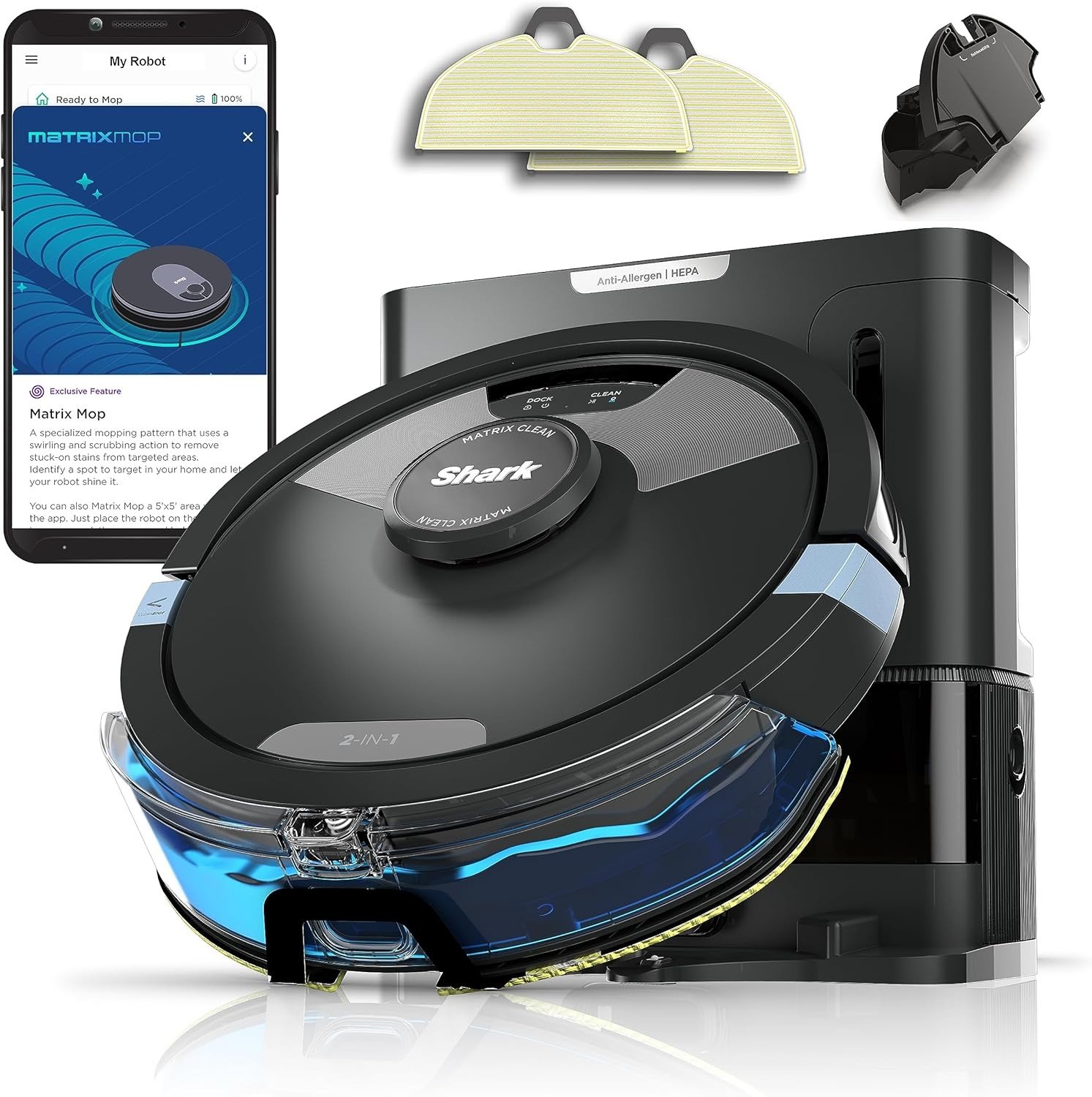
A robot can clean well on paper and still fail the household test once refill cycles, rug transitions, pad management, and debris handling begin interrupting the routine it was supposed to simplify. That is the threshold I kept coming back to while studying the Shark Stratos RV2720ZE and the broader feedback around Shark’s recent robot platforms. Shark positions this model around up to 30 days of hands-free cleaning, automatic emptying, water refilling, mop washing and drying, 360° LiDAR mapping, AutoLift for thresholds and rugs, Edge Detect, and sonic scrubbing up to 100 times per minute. Those are not small promises. They define the product’s entire psychological contract.
The Real Problem Is Not Dirt, but Maintenance Friction
What I kept noticing is that people rarely resent a robot because it misses one corner. They resent it when ownership becomes supervision. Once the dock needs too much intervention, the app feels thin, or obstacle handling becomes inconsistent around cords and everyday clutter, the system stops feeling like background automation and starts feeling like a device that must be managed.
That emotional shift matters more than raw headline specs. User feedback around Shark robot lines is often strongest when owners talk about strong vacuuming, good hair pickup, quiet operation, and surprisingly good corner cleaning, but it weakens when discussion turns to app depth, software glitches, small-object avoidance, or occasional self-empty frustrations on some Shark generations.
The Threshold That Decides Whether the System Stays in Your Routine
The threshold, as I see it, is simple: a hands-free robot stays valuable only while the number of manual interruptions remains lower than the number of cleaning events it quietly completes.
Once interruptions become memorable, trust begins to drift. That is why the RV2720ZE’s design is so focused on reducing the usual breakpoints. Its NeverTouch base empties debris, refills water, and washes and dries the mop. Its AutoLift system is meant to keep the mop away from rugs while helping the robot cross obstacles and higher thresholds.
Its 360° LiDAR mapping is there to make coverage more methodical instead of random. Its anti-hair-wrap brushroll and HEPA anti-allergen sealing are there to reduce the kind of maintenance drag pet homes tend to amplify over time. In other words, the product is not just trying to clean floors. It is trying to defend the threshold where automation still feels real.
Why Floor Type Compatibility Matters More Than Marketing Language
The more I looked at this category, the clearer it became that compatibility is not one question. It splits three ways.
First, there is surface compatibility: carpets, rugs, hardwood, tile, and mixed-floor transitions.
Second, there is mess compatibility: pet hair, dry dust, kitchen grit, edge debris, and light stains.
Third, there is household behavior compatibility: cords on the floor, frequent chair movement, kids, pets, and rooms that are not staged like a demo video.
The RV2720ZE looks strongest in the first two layers. It is explicitly built for carpets and hard floors, uses sonic mopping on hard surfaces, marks carpet zones as vacuum-only, and relies on AutoLift to separate wet and dry zones more intelligently.
Feedback also consistently points to strong everyday vacuuming performance, especially for hair and general maintenance cleaning. Where the uncertainty grows is the third layer, because real homes punish navigation systems with small unpredictable obstacles and software edge cases far more than spec sheets do.
What Makes a Stable Cleaning System Feel Different in Daily Life
When a robot vacuum is working the way people hoped it would, the emotional signal is not excitement. It is silence.
You stop thinking about crumbs, pet fur on the hallway edges, and the faint film that starts showing on hard floors after a few days of traffic. The RV2720ZE is built exactly around that kind of quiet resolution.
The sonic mopping system scrubs hard floors up to 100 times per minute. Edge Detect uses air blasts and corner recognition to pull debris into the cleaning path. The base handles the dirty work after each mission. That combination does not promise perfection. What it promises is continuity, and continuity is what people actually buy when they pay for an advanced robot cleaner.
When the Promise Usually Holds, and When It Starts to Weaken
From everything I reviewed, the promise holds best in homes that want maintenance cleaning rather than miracle cleaning.
Busy households, pet homes, mixed flooring, and people who value automatic dock functions are the clearest fit. The promise weakens when someone expects premium-grade app control, top-tier small-object avoidance, or deep scrub performance equivalent to manual mopping on dried, stubborn mess.
Best Buy’s listing and review summary show the RV2720ZE with a 4.7/5 rating from dozens of reviews, and the most common strengths highlighted there include cleaning performance, navigation, noise level, ease of use, and suction power. That tells me the product is doing the main daily job well for many owners.
But broader community feedback around Shark robots still suggests that software maturity and navigation nuance remain the variables to watch if your home is cluttered or if you are the type who notices every missed logic step in an app.
The Quiet Conclusion I Reached
What changed my view is that “hands-free” is not really a feature list. It is a stability threshold.
The Shark Stratos RV2720ZE makes the strongest case when I judge it through that lens. Its value is not that it vacuums, mops, maps, lifts, empties, refills, and dries. Plenty of modern robots try to stack functions.
Its real value is that those functions are arranged around one outcome: keeping the machine from drifting out of the routine it is supposed to automate. That is the difference between a robot that impresses on day one and a robot that still quietly earns its place a month later.
If you want the model-specific breakdown of where this threshold holds and where it starts to crack, read the full decision analysis here.
Transparency Note:
This analysis is not based on quick personal impressions.
It is derived from documented system behavior, verified user patterns, and the physical constraints of storage capacity.
The goal is to translate complex technical behavior into a realistic performance model that helps you make a clear decision
One Comment