Why Robot Vacuum Mops Feel Great at First — Then Start Missing the Mess That Actually Matters
ANALYSIS FRAMEWORK
The first time a robot vacuum mop glides across a clean-looking floor, it is easy to think the problem is solved.
I used to think the same way. A neat path, a polished app map, a self-empty dock, and the whole thing feels like the future has finally arrived. But that first impression is not where the real decision lives. The real question is much quieter than that.
It is this: when does the machine stop keeping up with real life?
That was the frame I kept returning to with the Shark Matrix Plus 2-in-1 RV2610WA. Not whether it can clean once. Not whether it looks smart in the app. But whether it stays ahead of the everyday mess long enough to keep your home from drifting back into visible disorder.
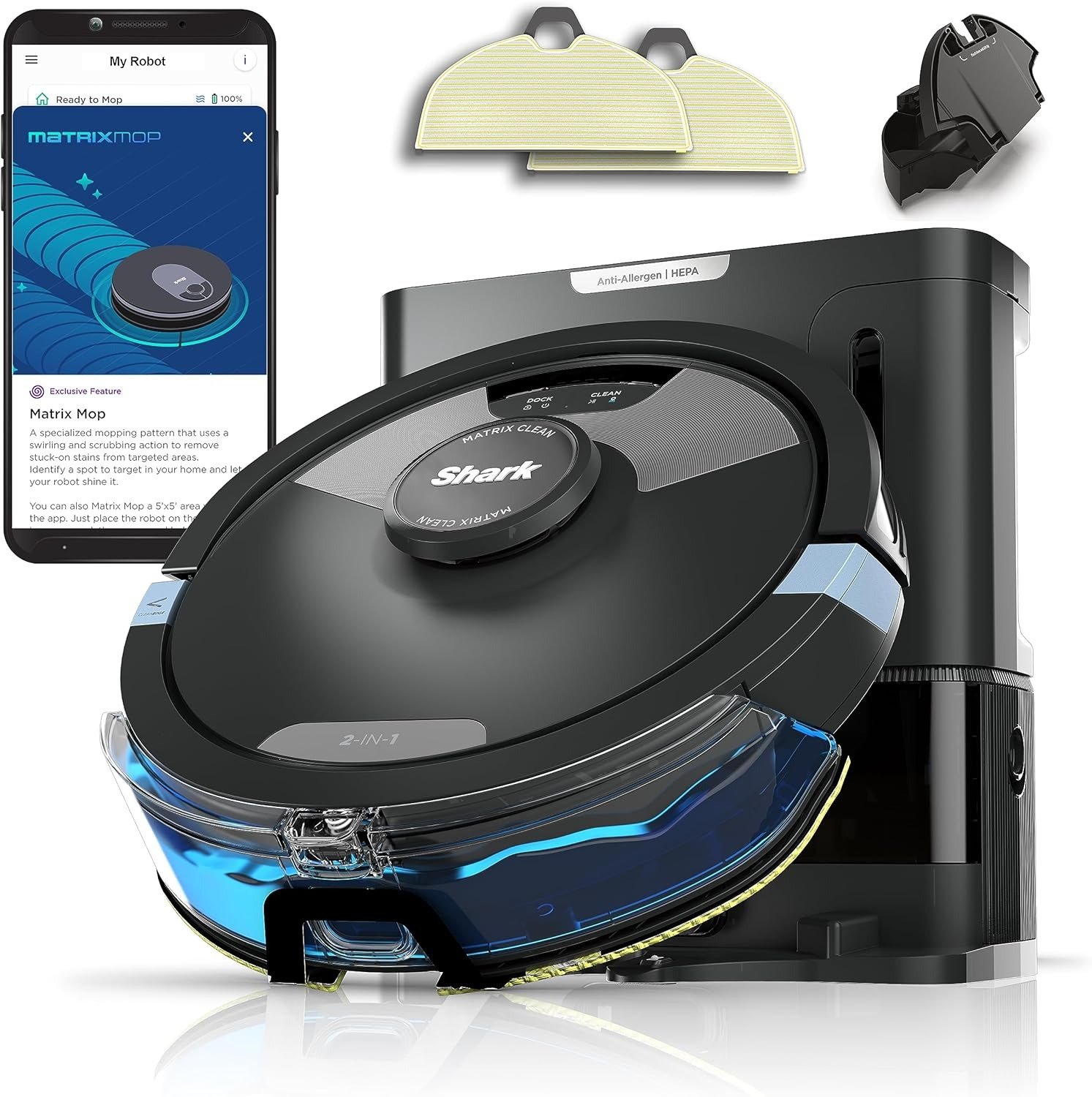
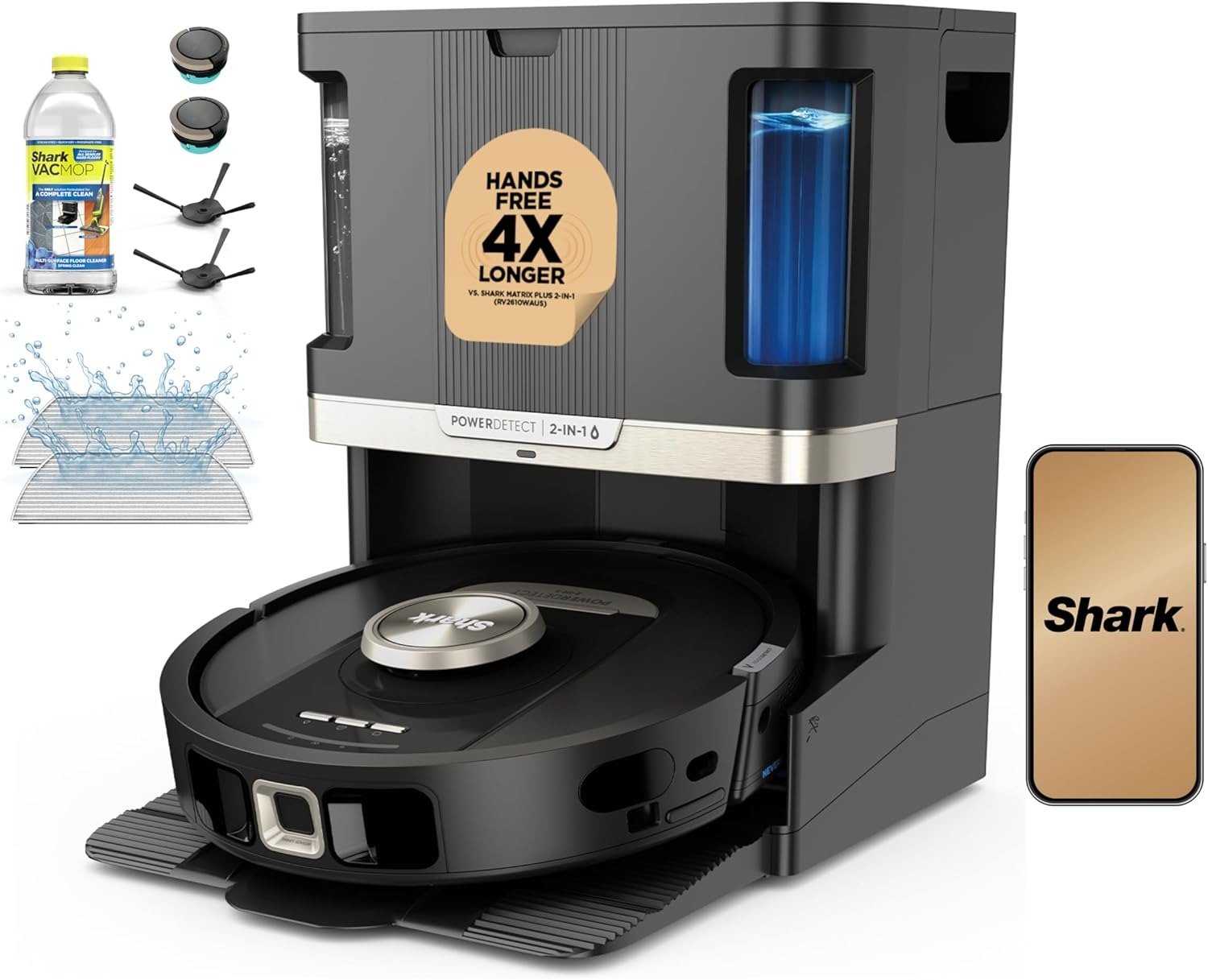
On paper, the package is impressive. You get 360° LiDAR mapping, a bagless self-empty base rated for up to 60 days, Matrix Clean passes, Sonic Mopping at 100 scrubs per minute, edge-focused cleaning, a self-cleaning brushroll, and a 110-minute rated runtime. Shark also claims 30% better carpet cleaning in Matrix mode, 50% better edge cleaning with CleanEdge enabled, and 50% better stain cleaning in targeted Matrix Mop zones.
Those numbers sound strong. But in a real home, what matters is not how impressive the spec sheet feels. What matters is whether the robot stays above the point where crumbs become obvious, corners start looking dusty, paw marks linger too long, and the floor quietly starts asking for manual help again.
That is the threshold that matters.
The Cleaning Threshold Most People Feel Before They Know How to Describe It
Most people never describe robot performance in technical language.
They do not say airflow stability, debris class handling, or pathing consistency.
They say things like this instead:
| What people notice first | What it usually means |
|---|---|
| “It looked good at first, then I started seeing corners again.” | Edge cleaning has dropped below the acceptable threshold |
| “It helps, but I still need the regular vacuum too often.” | Carpet and embedded debris are outside its comfort zone |
| “It’s fine on tile, less convincing on rugs.” | Surface split is wider than expected |
| “The app is the part that irritates me.” | The hardware may be stronger than the software layer |
| “It keeps the house presentable, but not deeply clean.” | The robot is better at maintenance than recovery |
That pattern tells you almost everything.
The Shark Matrix Plus 2-in-1 is not really a “replace every cleaning tool you own” machine. It is better understood as a maintenance system. When the floor is already living in a manageable state, this robot can help keep it there. When the home slips too far past that line, you start asking it to do a job it was never built to dominate.
That is where expectations break.
What This Robot Is Actually Good At
When I look at a robot vacuum mop, I try to separate prevention cleaning from recovery cleaning.
Those are not the same thing.
Prevention cleaning means the machine runs often enough that dust never gets comfortable, crumbs never gather long enough to announce themselves, and pet tracks never fully settle into the visual rhythm of the room. Recovery cleaning is different. That is the job of stepping into a floor that has already crossed the line into visible neglect and pulling it back.
The Shark Matrix Plus makes the strongest case for itself in prevention mode.
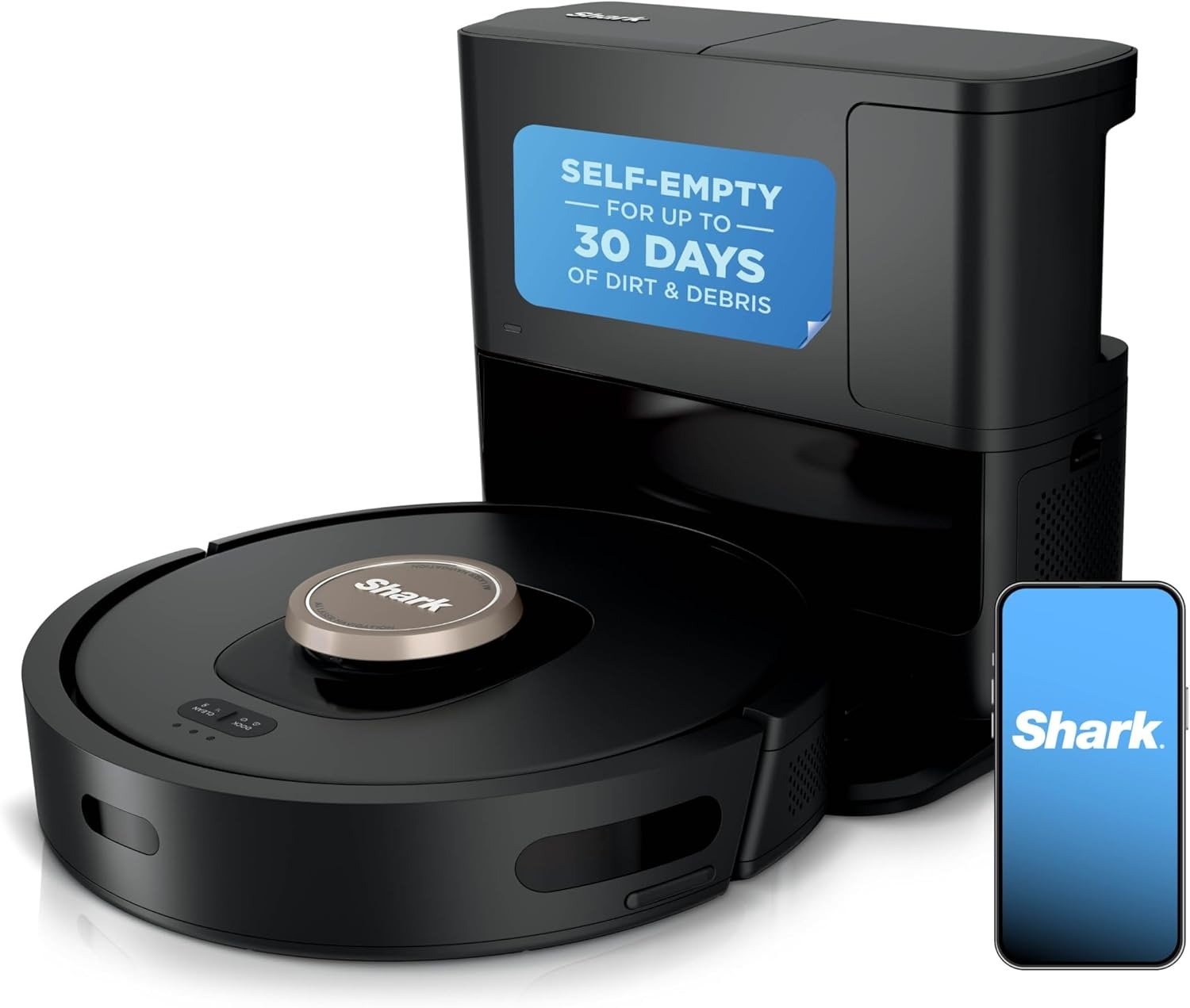
That is where its design starts to make emotional sense. The robot can vacuum and mop in the same ecosystem, navigate with LiDAR, target stains with Matrix Mop passes, handle daily debris, and return to a bagless base that does not ask you to keep buying replacement bags. That last detail matters more than it sounds. Ongoing ownership cost is part of the experience, and a bagless dock quietly lowers friction over time.
In the right home, that makes the product feel less like a gadget and more like a household rhythm.
The Threshold Model That Explains Why Some People Love It and Others Don’t
This is the cleanest way I would frame the product:
| Threshold area | Pass condition | Failure condition |
|---|---|---|
| Hard-floor debris | Fine for dust, crumbs, tracked-in dirt, routine pet mess | Fails when dried residue or edge buildup is allowed to accumulate too long |
| Carpet upkeep | Acceptable for surface-level upkeep and repeated passes | Weakens once fine debris or embedded hair becomes the real problem |
| Mopping value | Useful for light film, fresh grime, and maintenance passes | Not a substitute for a true deep mop or self-washing premium station |
| Autonomy | Good when the map is stable and the space is prepped | Drops when cords, rugs, clutter, or software friction increase |
| Ownership burden | Attractive because the dock is bagless and reusable pads cut consumables | Less attractive if you expected mop washing, mop drying, auto-refill, or a stronger app layer |
Once you see the robot through that threshold, the mixed reactions stop feeling contradictory.
They start feeling perfectly rational.
The machine is strongest where daily upkeep matters most: hard floors, recurring debris, light grime, and the kind of pet mess that appears often but does not live deep inside carpet fibers. It becomes less convincing when you ask it to handle heavy carpeting, embedded fur, constant obstacle complexity, or premium mop automation.
That boundary is important because it protects the buyer from the wrong fantasy.
Why It Feels Better in Some Homes Than Others
The Shark Matrix Plus is easier to appreciate in homes that are already somewhat robot-friendly.
If your floors are mostly tile, laminate, wood, or another hard surface, this model makes immediate sense. If your daily mess is predictable, the mapping and repeat-pass logic become useful rather than theoretical. If you value low-consumable ownership, the bagless base becomes a real advantage instead of a bullet point.
Here is the compatibility split as I see it:
| Home pattern | Likely fit |
|---|---|
| Mostly tile, wood, laminate, or mixed hard floors | Strong fit |
| Pet messes that are frequent but not deeply embedded in carpet | Better fit |
| You want a bagless dock to avoid buying replacement bags | Strong fit |
| You want one machine for daily vacuuming plus light mopping | Strong fit |
| You want deep carpet extraction | Weak fit |
| You want advanced obstacle intelligence around small floor items | Weak fit |
| You want a station that washes, dries, and refills the mop automatically | Weak fit |
This is where the emotional split happens.
People who expected help usually like it.
People who expected replacement tend to become critical.
That is not because one side is wrong. It is because they were buying for different thresholds.
The Numbers That Matter More Than the Marketing Mood
I do not care much about feature inflation unless the numbers help explain how the machine will feel after a few weeks.
These are the figures I actually pay attention to:
- 360° LiDAR mapping
- Up to 60 days of debris capacity in the self-empty base
- 100 scrubs per minute
- 110-minute rated battery life
- 30% better carpet cleaning in Matrix mode
- 50% better edge cleaning
- 50% better stain cleaning
- 8.5 hard-floor pickup score
- 6.4 carpet score
- 5.0 pet-hair score
- 59.4 dBA robot noise on bare floors
- 72.7 dBA dock self-empty noise peak
Those numbers tell a very specific story.
The hard-floor strength is real. The carpet ceiling is also real. The dock convenience is useful, but the self-empty burst is loud enough that I would think twice before scheduling it near sleeping hours. The mopping system adds maintenance value, but it does not magically elevate the machine into the same tier as a self-washing, self-drying flagship mop station.
That is why the product can feel smart, helpful, and slightly incomplete at the same time.
Because it is.
And there is nothing dishonest about that.
The Hidden Cost Most Buyers Mislabel
Most people think the hidden cost of a robot is the purchase price.
It is not.
The hidden cost is mismatch.
If your home pattern fits the robot’s threshold, ownership feels smooth. The machine becomes a quiet layer of support. The floor stays under control with less effort. You do fewer manual cleanups. You start trusting the schedule.
If your home pattern does not fit, the robot starts asking for little interventions that slowly erode trust. You clear objects off the floor. You manage rugs more carefully. You step in after mopping. You notice app friction more than you expected. You start hearing the self-empty cycle as an interruption instead of a convenience.
The wrong robot in the wrong house is not just less effective. It feels psychologically expensive.
That is why fit matters more than excitement.
The One Question I Would Ask Before Buying
Before I bought any robot vacuum mop in this category, I would ask myself one very simple question:
Do I need a machine that restores dirty floors, or one that prevents clean floors from slipping?
If your answer is prevention, the Shark Matrix Plus becomes much easier to justify.
If your answer is restoration, the machine starts to feel narrower.
That does not make it weak. It just makes it specific.
And specific products often age better than overpromised ones.
My Bottom Line on the Real Problem
I do not think robot vacuum mops are overrated.
I think many people simply buy them at the wrong threshold.
The Shark Matrix Plus 2-in-1 works best when the home still has structure: mostly hard floors, manageable clutter, recurring daily debris, pet traffic that needs steady control, and an owner who wants the floor to stay presentable without turning every week into a reset.
In that setting, it feels useful in the most persuasive way possible: not flashy, just quietly effective.
If you want the direct buying verdict, move to the decision article: Is the Shark Matrix Plus 2-in-1 Worth It? [DECISION_LINK]
SHORT PRODUCT-PAGE SUMMARY — NETWORK ANGLE
The Shark Matrix Plus 2-in-1 RV2610WA makes the most sense when you stop judging it like a deep-cleaning replacement and start judging it like a daily maintenance system. That is the key threshold.
With 360° LiDAR mapping, a bagless self-empty base rated for up to 60 days, 100 scrubs per minute, Matrix Clean passes, a self-cleaning brushroll, and a 110-minute runtime, it is built to keep routine floor mess from becoming a bigger problem. Shark also claims 30% better carpet cleaning, 50% better edge cleaning, and 50% better stain cleaning, which supports the idea that this robot is designed to stay ahead of ordinary buildup rather than rescue a neglected floor.
Where it feels strongest is on hard floors, light daily grime, crumbs, dust, and recurring pet mess. Where it becomes less convincing is with deep carpet recovery, embedded pet hair, premium mop automation, and homes full of small obstacles.
That is why this model gets such mixed emotional reactions. Buyers who want help tend to appreciate it. Buyers who expect full replacement tend to feel the ceiling faster.
Final verdict: Consider.
Stronger as a maintenance robot than a recovery cleaner
Best fit for mostly hard-floor homes
Less convincing for deep carpet and premium mop expectations
Transparency Note:
This analysis is not based on quick personal impressions.
It is derived from documented system behavior, verified user patterns, and the physical constraints of storage capacity.
The goal is to translate complex technical behavior into a realistic performance model that helps you make a clear decision
One Comment