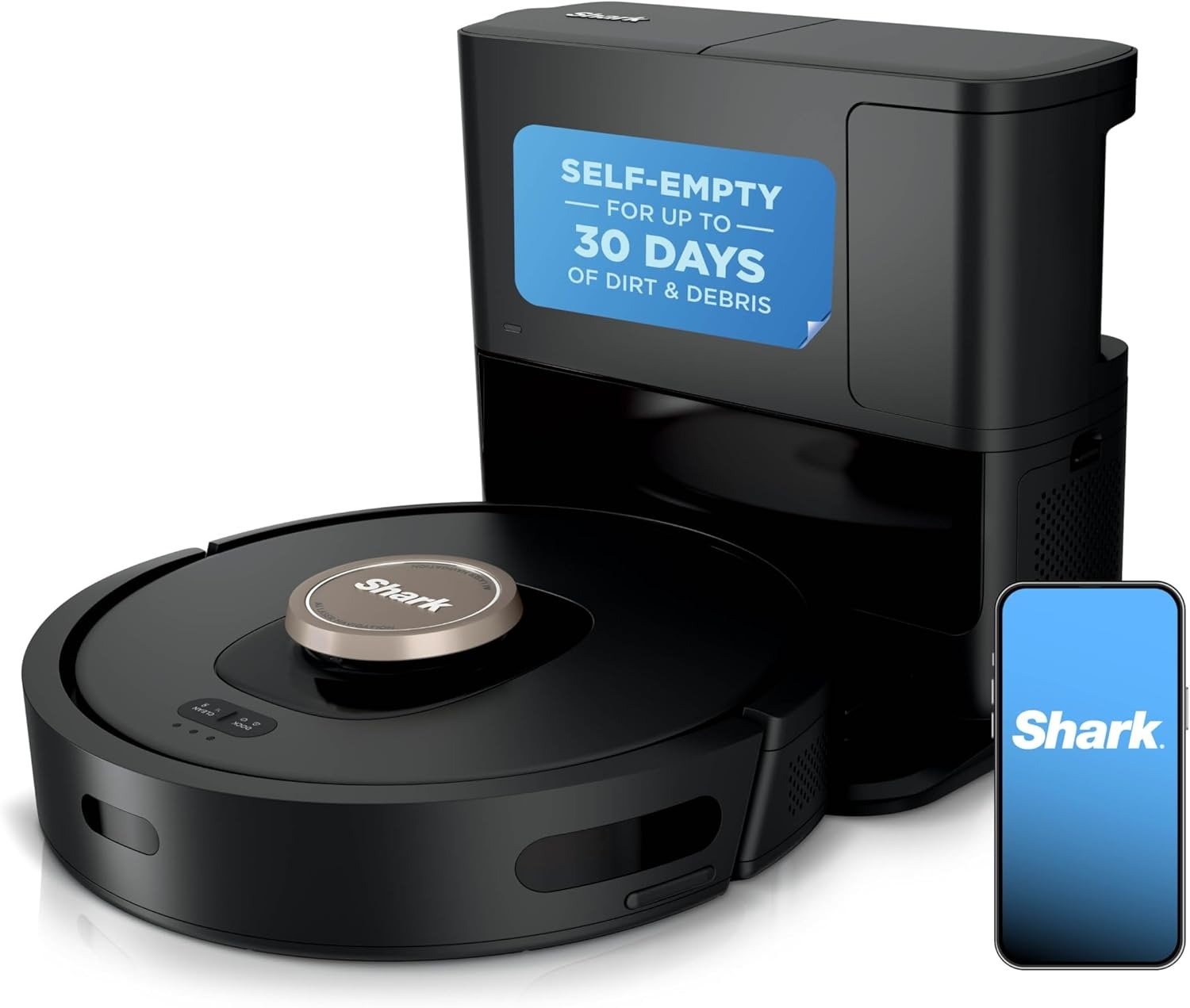
Shark AV2501AE Review: The Moment Convenience Becomes the Main Feature
DECISION ANALYSIS
After going through the technical data, owner reactions, and third-party testing, my conclusion on the Shark AV2501AE is very clear: this is a convenience-first robot vacuum with respectable structure, useful mapping, and a genuinely attractive self-empty system, but it is not a floor-care perfectionist.
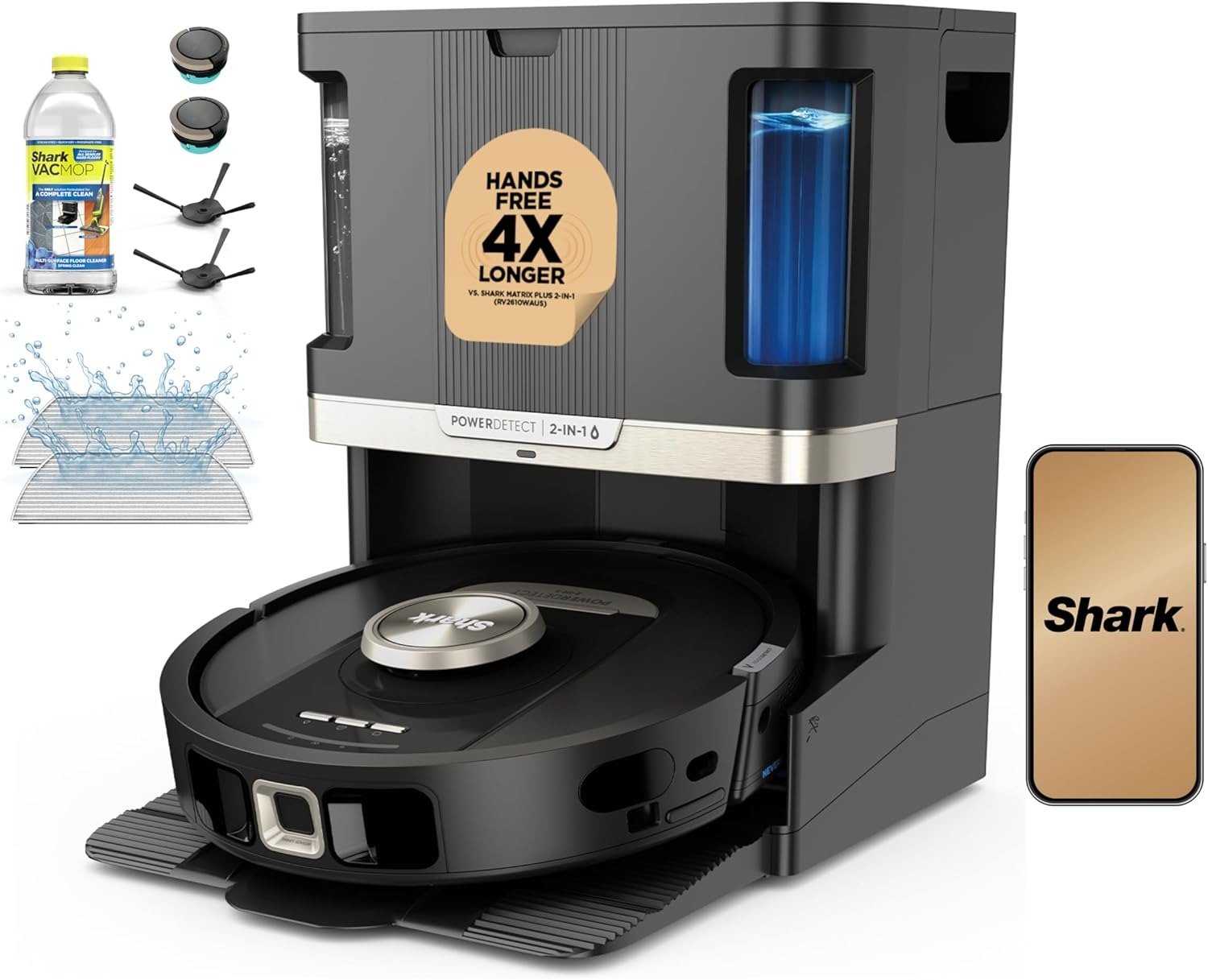
The model is strongest when the user wants consistency of routine rather than elite extraction. Shark’s own spec sheet centers the product around LiDAR home mapping, Matrix Clean multi-pass coverage, a self-empty HEPA base, voice control, and recharge-and-resume, and that framing is accurate as long as you understand what the machine is actually optimized to deliver.
My Verdict in One Sentence
I would describe the Shark AV2501AE as a robot that feels better the more you value automation, bagless self-emptying, and orderly daily upkeep—and less impressive the more you expect strong pet-hair extraction on low-pile carpet, refined app behavior, and genuinely advanced obstacle avoidance.
What It Gets Right Without Needing Any Hype
There are four things this robot does well enough to matter every day. First, the self-empty base is a real convenience feature, not decorative marketing. Second, LiDAR mapping gives it a more methodical cleaning pattern than lower-tier random-navigation robots. Third, it is relatively quiet in operation, which helps it fade into the background of normal life. Fourth, it handles hard floors more confidently than its criticism sometimes suggests.
RTINGS gave it 7.0 for hard-floor debris pickup and measured strong airflow for its class, while Best Buy reviews repeatedly emphasize cleaning, mapping, ease of use, and the self-empty station.
The Technical Picture That Actually Matters
On paper, the AV2501AE includes the right ingredients: LiDAR navigation, up to 120 minutes of runtime, HEPA filtration, a self-cleaning brushroll, and compatibility with Alexa and Google Assistant.
It is also listed at Amazon as a top-selling robotic vacuum, which suggests demand has remained healthy. In practice, though, the better measure is this: RTINGS found that the robot does fine on hard floors and acceptable work on carpet overall, yet its pet-hair pickup score drops to 5.0, especially on low-pile carpet where hair can be pushed into fibers rather than removed cleanly.
So the machine has enough airflow and pattern discipline to appear competent, but not always enough brush-and-surface behavior to feel deeply satisfying in tougher carpet hair scenarios.
Where Owners Seem Happiest
The happiest owners are usually not grading it like a lab instrument. They are grading it like a lifestyle device. They like that it maps rooms, follows schedules, returns to the base, and cuts down visible mess without asking for much daily attention.
One verified Best Buy purchaser said it rarely got stuck and created accurate maps for room cleaning and scheduling. A Reddit owner using it daily on a large floor said it had been reliable, handled room-specific cleaning well, and made the self-empty bin particularly worthwhile in a home with a dog.
That is the emotional payoff of this model: it helps the house feel maintained with less friction.
Where Frustration Usually Begins
The complaints cluster around three pressure points. The first is pet hair on low-pile carpet. The second is app quality. The third is intelligence inflation.
RTINGS says the app is slow and buggy, while Vacuum Wars also called it buggy and noted the lack of real-time monitoring. Vacuum Wars further argued that the “AI” label should not be confused with advanced machine-vision obstacle avoidance, and RTINGS likewise notes it lacks the kind of camera-based identification seen on higher-end robots.
This means the vacuum can look sophisticated in ads and still feel comparatively basic once you start expecting premium awareness.
Threshold Fit Table
| Area | What I found |
|---|---|
| Hard floors | A good fit; pickup is decent and routine upkeep feels stable. |
| Mixed flooring | Usually workable if you accept that some debris may need extra passes. |
| Low-pile carpet with pet hair | Weak point; this is where satisfaction drops fastest. |
| Quiet daily cleaning | Strong fit; measured noise is relatively low for the category. |
| Allergy-conscious households | Positive fit because of the HEPA self-empty base and fine-particle containment. |
| Large homes | Possible, but recharge-and-resume may become part of the routine more often than expected. |
| Buyers who care about app polish | Risky fit; this is one of the model’s most repeated weak spots. |
My Final Decision
If I were buying the Shark AV2501AE for a home with mostly hard floors, daily dust, shed hair, ordinary crumbs, and a strong desire to avoid frequent bin-emptying, I would see its design logic immediately.
It is quiet, structured, reasonably competent, and far more appealing once the self-empty base becomes part of the routine. But if I were buying for heavy pet-hair extraction on low-pile carpet, for advanced live-map control, or for premium-level object avoidance, I would treat this model as a compromise, not a clean win.
The product is good at reducing housekeeping friction. It is less convincing when asked to behave like a top-tier deep-clean specialist.
If this exact convenience profile matches your home better than a deep
Transparency Note:
This analysis is not based on quick personal impressions.
It is derived from documented system behavior, verified user patterns, and the physical constraints of storage capacity.
The goal is to translate complex technical behavior into a realistic performance model that helps you make a clear decision
One Comment