When the Cold Part of Your Shower Routine Starts Running the Whole Experience
ANALYSIS FRAMEWORK
I know exactly where this annoyance lives. It is not in the shower. It starts the second the water stops. The room cools faster than you expect, the towel feels flat, and that comfortable five-minute reset you thought you had just earned disappears in a few seconds.
That is the point where a towel warmer stops sounding indulgent and starts sounding like relief. But the part most buyers miss is this: the product does not win or lose on heat alone. It wins or loses on timing.
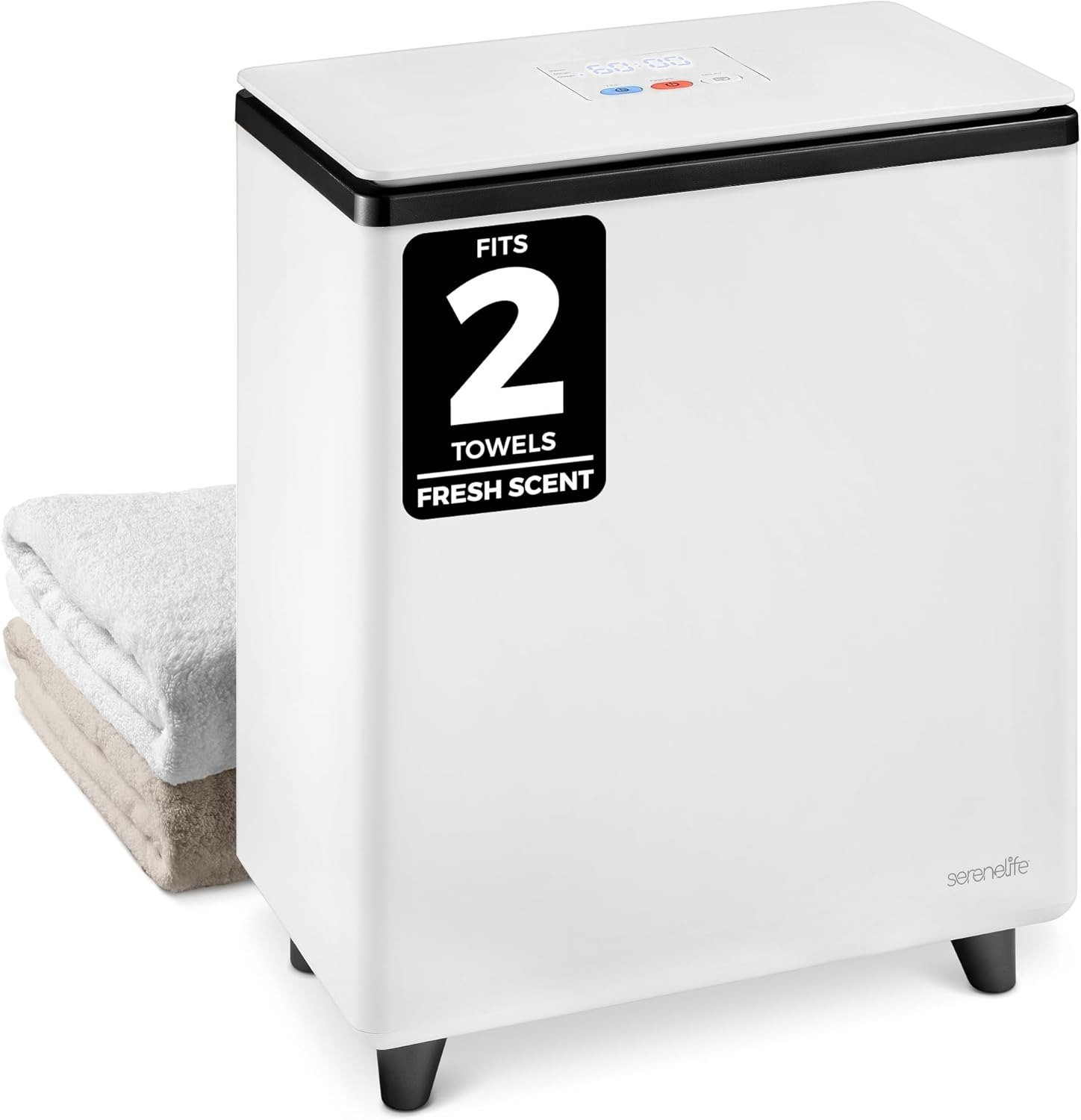
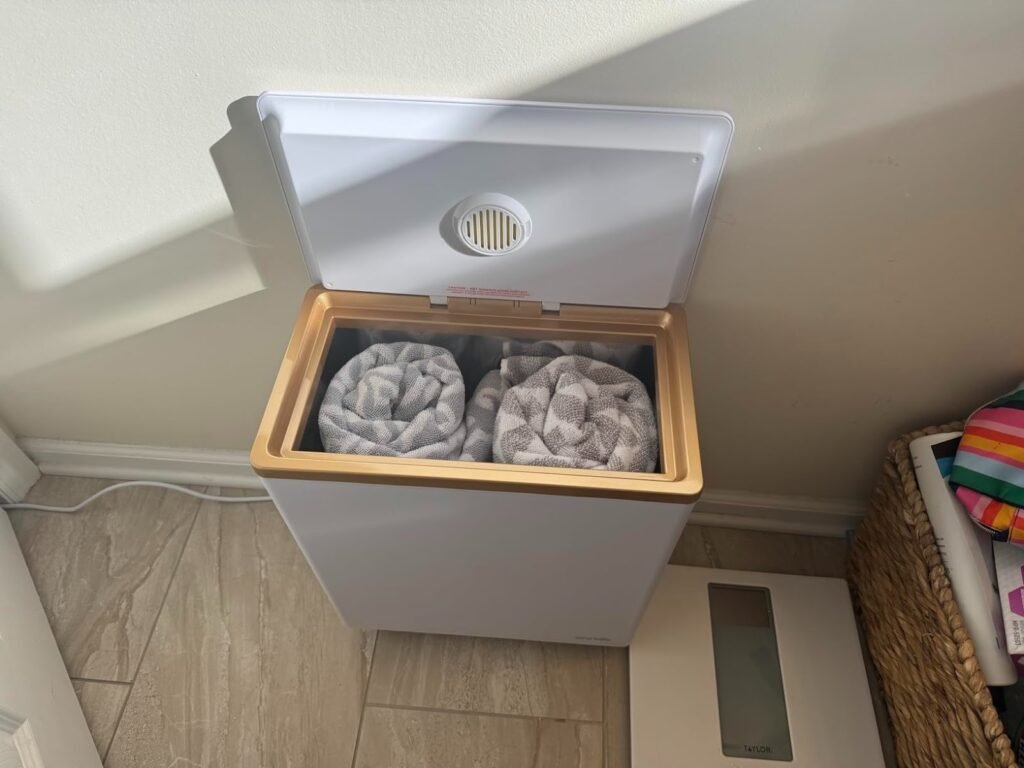
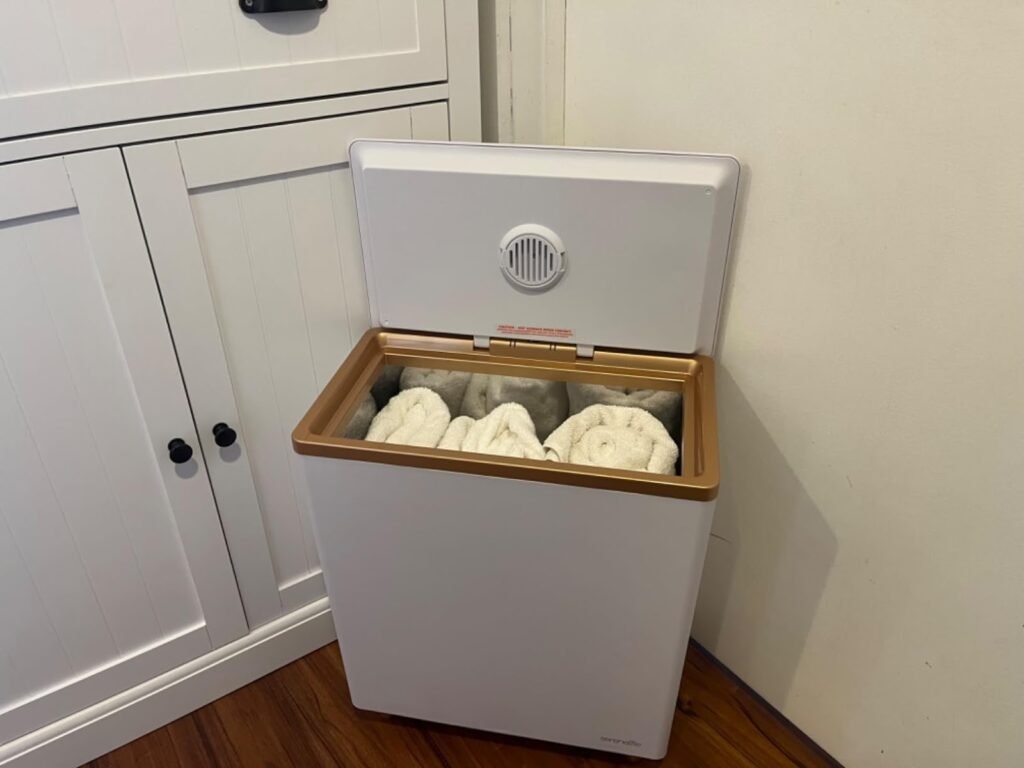
The SereneLife Rectangular Towel Warmer is built around that narrow truth with a 20L chamber, space for up to two large bath towels or a throw blanket, 20/40/60-minute settings, and a one-touch format designed for routine use rather than tinkering. On Amazon, the model carries a 4.5/5 average from 639 global ratings, and the strongest recurring praise centers on warmth, ease, and placement-friendly design rather than gimmicks.
The Counter-Intuitive Truth: Heat Is Not the Real Threshold
Most people buy a towel warmer thinking the heater is the whole story. It is not. The real threshold is whether the warmth arrives inside your routine before the comfort window closes. That sounds obvious only after you notice it.
Buyers who describe the product positively keep repeating the same pattern: turn it on early, let it run 15 to 20 minutes, keep it near the shower, then the result feels genuinely good.
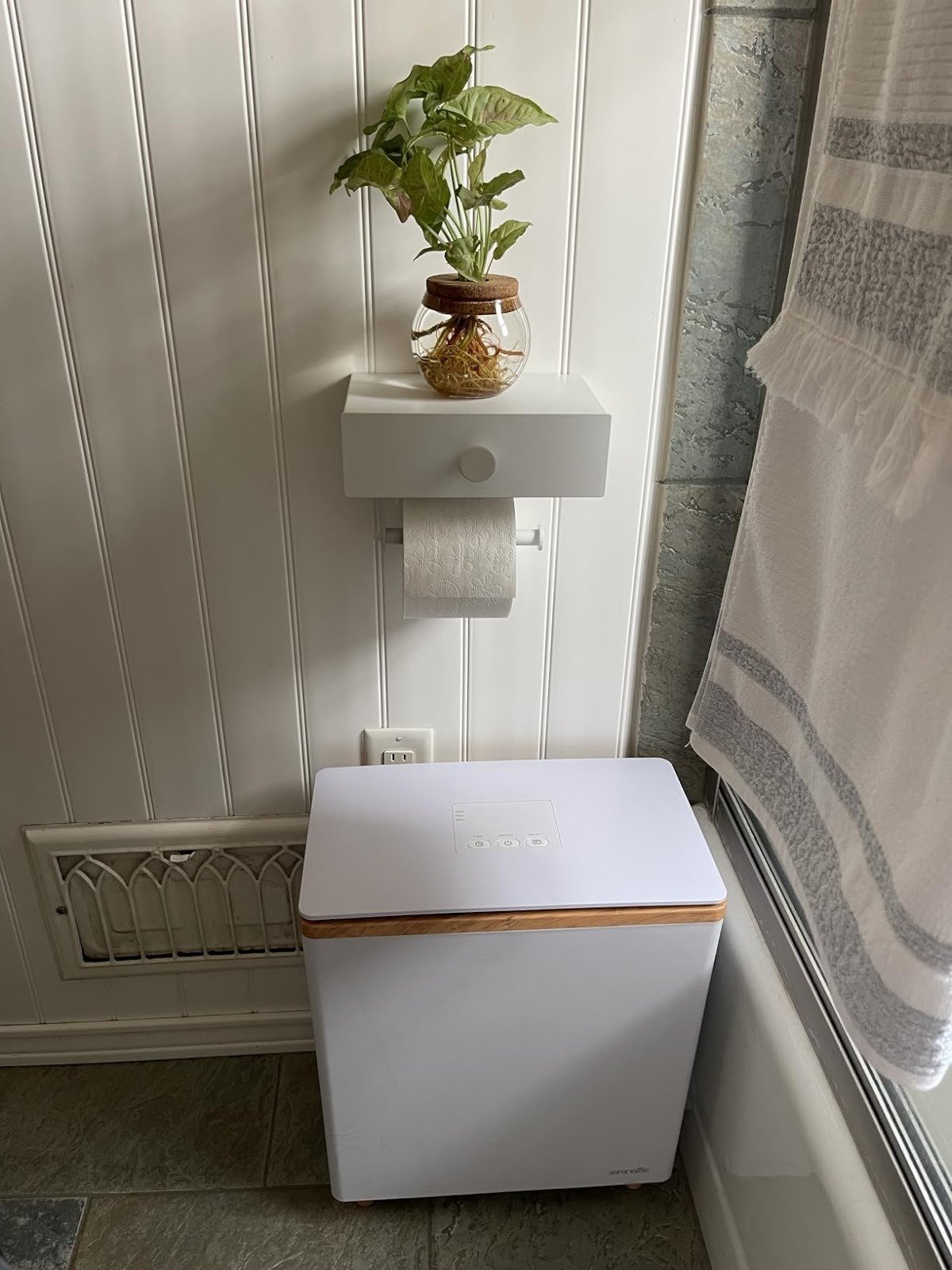
Buyers who expect it to behave like a heat vault usually misread what this category does. One Target review says towels become “nice and toasty” after 15–20 minutes, and another points out the unit is small enough to place behind a bathroom door.
That is the secret most product pages blur: success comes less from raw temperature than from timing plus proximity.
Why the Rectangular Body Matters More Than the Marketing Language
I do not care much when a bathroom product calls itself spa-like. I care when it stops becoming one more object I have to work around. That is where the rectangular shape matters.
The official product page lists a 20L capacity, a double-walled insulated lid, overheat protection, and a carry-friendly rectangular body built for two large towels or a throw blanket.
The practical advantage is not aesthetic. It is spatial. In small bathrooms, round bucket warmers often consume awkward floor space. A narrower rectangular shape gives the product a better chance of staying near the shower where the warmth actually matters.
Once the warmer drifts too far from where you step out, the benefit starts leaking away before you even touch the towel. That is the kind of hidden cost people feel without naming.
The Pain-Relief Hook Is Strong Because the Routine Is Repetitive
What makes this product persuasive is not drama. It is recurrence. That cold-air moment happens again and again.
If you shower early, live in a colder season, or simply hate the jolt between hot water and room air, the friction is small but constant. That is exactly the kind of discomfort that creates lasting product value.
I kept seeing the same behavioral signal in user feedback: people do not praise this warmer because it transforms the bathroom into a resort. They praise it because it removes one repeated irritation without asking for much in return.
One-touch control, timed shutoff, and straightforward loading matter here because the device works best when it becomes a quiet habit, not a mini project.
What the Best Reviews Reveal That the Listing Does Not Emphasize
The strongest reviews usually sound less excited than the weak ones. That is a good sign. They talk about ordinary use. Towels warming in 15–20 minutes.
The unit fitting behind a door. Enough room for two bath towels. Auto shutoff removing the need to babysit it. That kind of language matters because it is routine language, and routine language is harder to fake.
Better Homes & Gardens also positioned a SereneLife towel warmer as a compact, budget-friendly option for small bathrooms and lighter daily use, which lines up with what real users keep emphasizing: practical comfort, not oversized expectations.
The Uncomfortable Part Buyers Need to Hear
This is where experienced buyers make better decisions than excited ones. A towel warmer is not a towel dryer. It is not a substitute for airflow, and it is not designed to hold heat indefinitely after you pull the towel out.
If your mental picture is “I will leave the towel outside the unit for a while and it will still feel wonderfully hot,” that picture is doing the damage, not the product.
The smarter way to judge the SereneLife model is simpler: does it reliably give you a warm towel when you are ready to use it, with low friction, in a real bathroom? Its specs and user feedback say yes, within that threshold. Beyond that threshold, expectation drift begins.
A Simple Rule I Would Use Before Buying
My rule is blunt: if the warmer will live close to the shower, run before you finish, and serve a repeated comfort routine, the logic is strong.
If it will sit far from the bathroom exit, be used inconsistently, or be judged like a drying machine, the logic weakens fast. That is the “aha” moment in this category.
The difference between a satisfying purchase and a decorative appliance is not usually wattage obsession. It is whether the product enters the routine at the right point.
Threshold Scan
| Need | Fit |
|---|---|
| Warm towel right after most showers | Strong |
| Small-bathroom placement flexibility | Strong |
| One-touch use with timer control | Strong |
| Space for two large towels or a throw | Strong |
| Long heat retention after removal | Borderline |
| Drying damp towels | Weak |
| Use far from an outlet or shower | Weak |
Who This Is Really For
This fits someone who wants relief, not spectacle. Someone who knows exactly which part of the bathroom routine is annoying and wants that one part softened every day.
It does not fit buyers who want drying performance, long off-unit heat retention, or a dramatic luxury effect without any preheating discipline.
If your problem is the cold break after the shower, this makes sense. If your problem is broader laundry or heating performance, you are solving the wrong problem with the wrong tool.
The Missing Piece Is Not More Heat — It Is Fit
Once you understand that the true threshold is routine fit, the next question becomes sharper: is this specific model strong enough for your bathroom, your timing, and your expectations? That is where the decision gets cleaner — and where most people finally stop guessing.
Transparency Note:
This analysis is not based on quick personal impressions.
It is derived from documented system behavior, verified user patterns, and the physical constraints of storage capacity.
The goal is to translate complex technical behavior into a realistic performance model that helps you make a clear decision