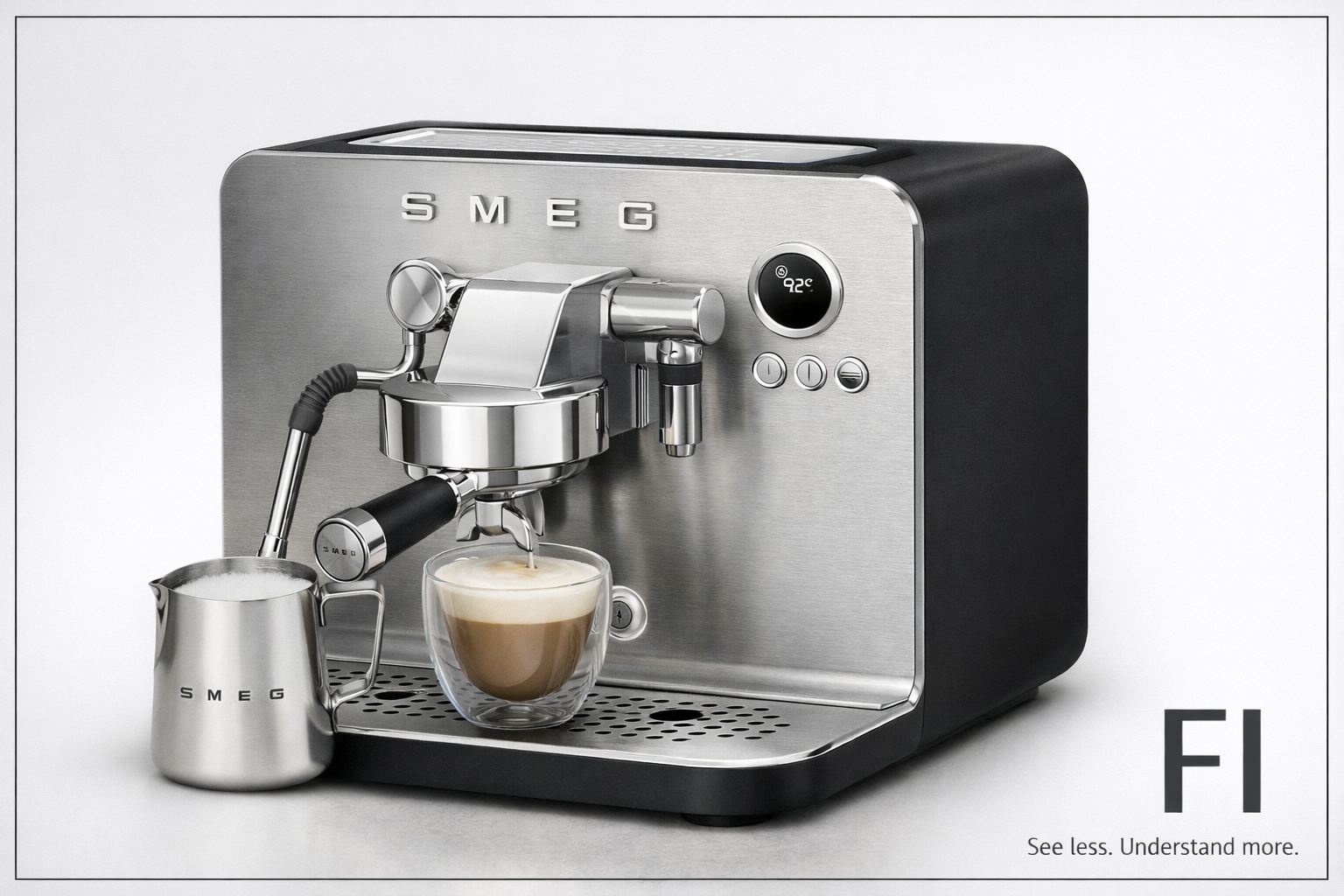
Semi-Pro Thermoblock Espresso Machines: The Stability Tax I Had to Map First
ANALYSIS FRAMEWORK
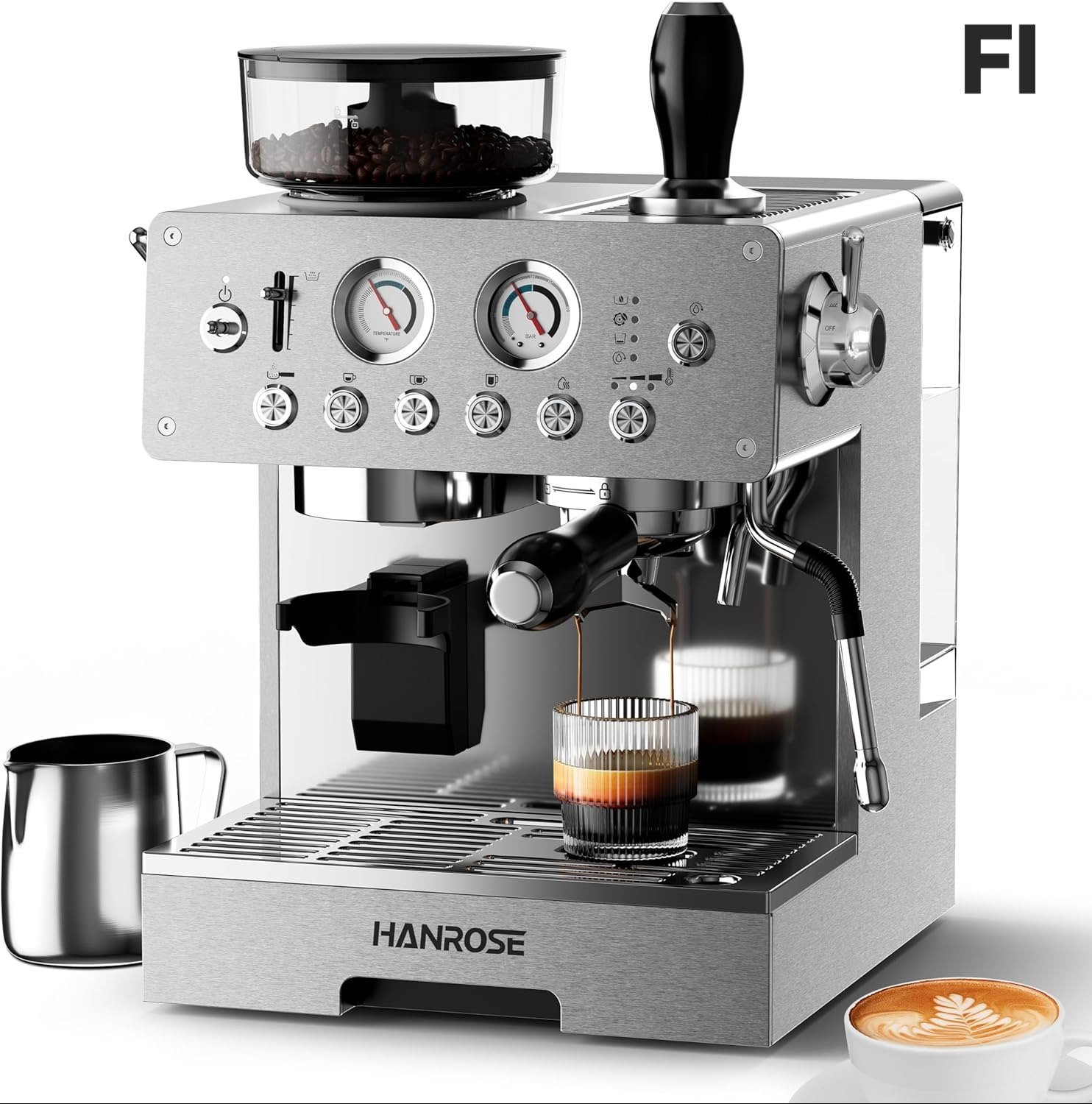
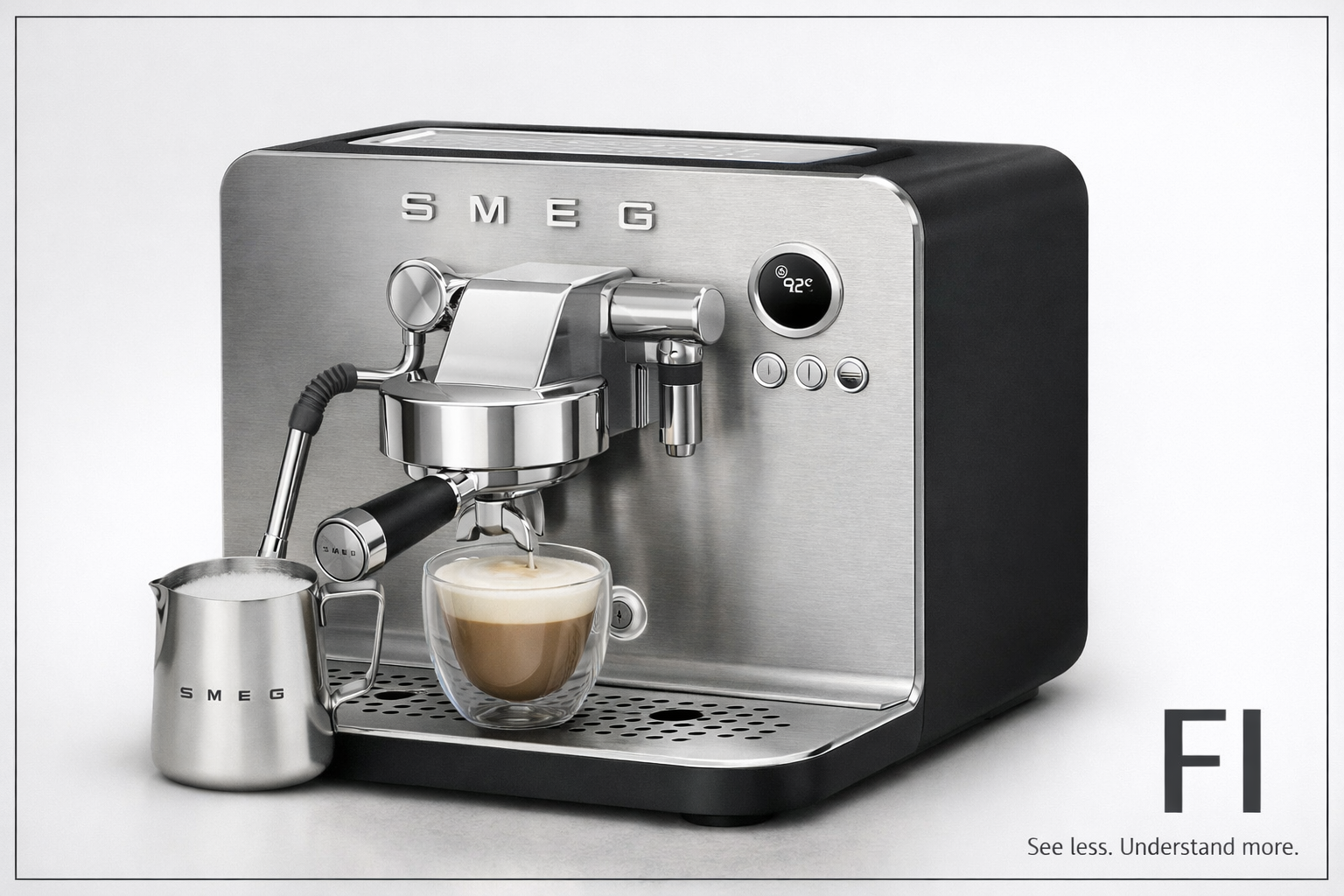
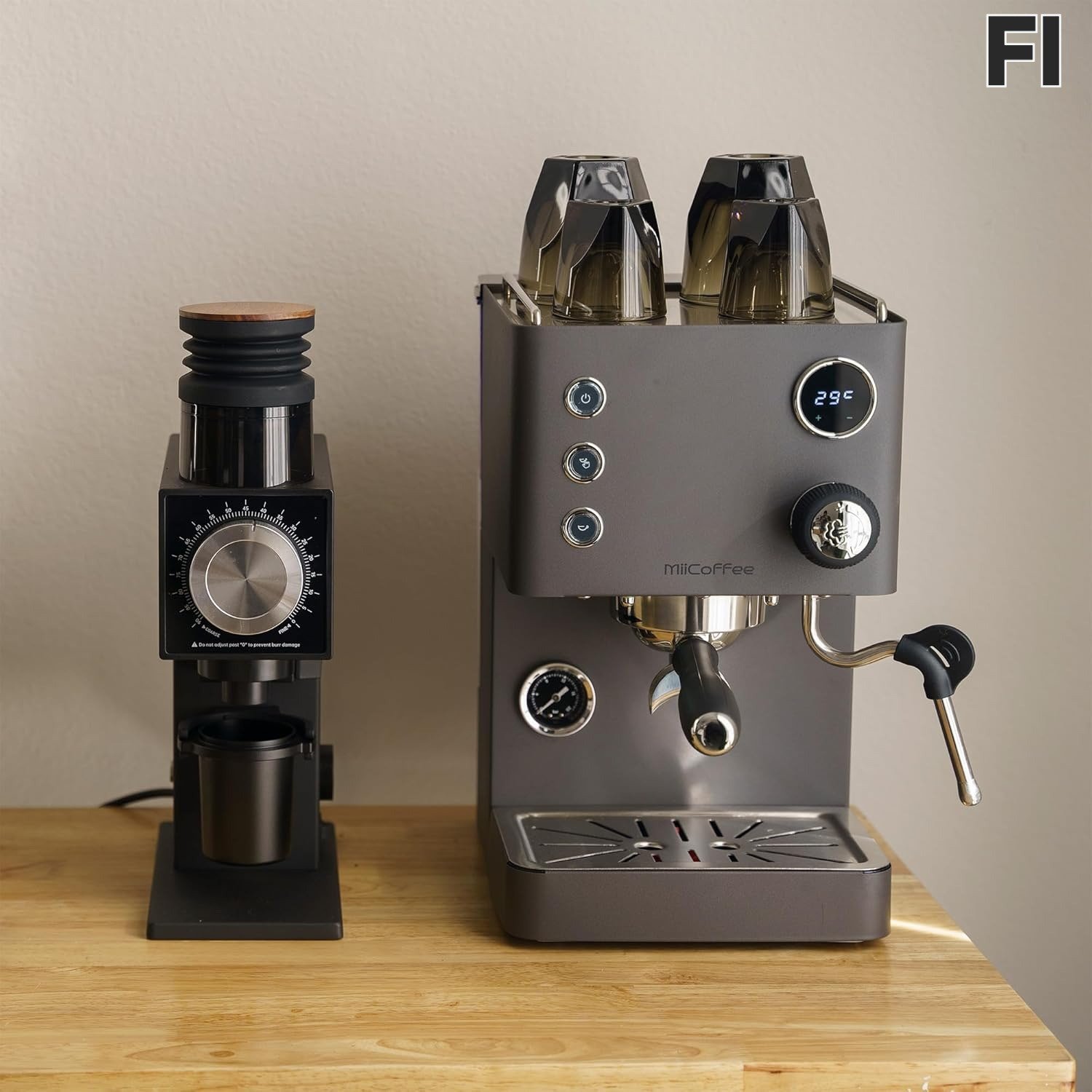
semi-pro thermoblock espresso machine on a calm counter with pressure gauge and steam wand
I didn’t start this search because I needed “better coffee.”
I started because I needed a system that behaves
the same way twice.
Semi-pro thermoblock machines sit in a strange middle territory: they offer pro signals—58mm hardware, pressure feedback, a real steam wand—yet the day-to-day outcome often depends on invisible variables the buyer doesn’t price in.
So I stopped looking for features and started mapping stability.
The Quiet Equilibrium Gap: Why “Semi-Pro” Can Still Feel Unstable
Here is the mismatch I kept encountering in this segment:
- The machine invites precision.
- The workflow punishes approximation.
That mismatch creates a calm internal recognition:
I understand what “should” happen—but I don’t yet have a repeatable path that makes it happen consistently.
This is the Equilibrium Gap.
No fear. No urgency. No hype. Just unresolved structural misalignment.
Criterion 1: Temperature Rebound, Not Warm-Up Time
Thermoblock designs are often sold as “fast heat.”
But speed isn’t the stability metric.
The stability metric is temperature rebound:
How predictably the system returns to brew temperature after a mode shift—especially brew → steam → brew.
If rebound is clean, the workflow feels linear.
If rebound is noisy, you’re not making espresso—you’re constantly re-calibrating your morning.
Criterion 2: The 58mm Standard Is Freedom—and Responsibility
A 58mm portafilter isn’t just “more professional.”
It expands basket options and puck geometry, which increases your control ceiling.
But it also exposes the weakest link immediately: grind distribution, dose repeatability, tamp discipline, and puck prep consistency.
In this segment, 58mm doesn’t magically stabilize results.
It simply makes instability easier to diagnose—and harder to ignore.
Criterion 3: Pressure Feedback Is Useful Only If It Reduces Guesswork
A pressure gauge can be a diagnostic tool or a distraction.
The stability test I use is simple:
Does pressure feedback help me narrow into a repeatable extraction window—or does it turn every shot into a chase for a number?
Pressure doesn’t exist alone.
It’s a visible symptom of resistance + flow + puck condition. If you don’t control those inputs, the gauge becomes an observer—not a stabilizer.
Criterion 4: Manual Control Must Not Become Cognitive Load
Semi-pro machines often offer a split identity:
- Presets for convenience
- Manual start/stop for control
Stability depends on whether these worlds connect.
If preset behavior feels unrelated to what I learn manually, the machine becomes two machines in one chassis—and my routine fractures.
Stable systems reduce decisions. Unstable systems multiply them.
Criterion 5: Steam Control Matters More Than Steam Power
A professional-style steam wand changes the entire milk timeline.
But power is not the point.
The point is controllability:
- Can I ramp steam smoothly?
- Can I stop precisely at texture?
- Does the wand behavior stay predictable across back-to-back drinks?
When steam is controllable, milk becomes repeatable.
When steam is aggressive or inconsistent, milk becomes a distraction that destabilizes everything upstream.
Criterion 6: The Hidden Stability Tax—Your Measurement Infrastructure
This is the part many buyers “discover” after the purchase:
- A scale that actually fits the drip area
- A timing method that stays visible when you need it
- A grinder that holds espresso range without drift
- A cleaning rhythm that is realistic daily, not ideal weekly
Without that measurement layer, semi-pro machines feel like a promise you can’t cash.
With it, they behave like instruments.
The machine is not the whole system.
Your measurement layer is what converts potential into stability.
Hidden Technical Factors That Quietly Decide Repeatability
When I evaluate this segment, I look past the headline specs and focus on “quiet mechanics”:
- How consistently the brew path behaves after idle time
- Whether the interface encourages controlled adjustment rather than constant fiddling
- Whether included accessories support repeatability or just “completeness”
- How easy it is to purge, wipe, and reset without breaking flow
These factors decide whether the device becomes routine—or becomes a project.
Market Reality: Why This Segment Exists (And Why It Confuses Buyers)
This segment exists for people who want:
- faster readiness than traditional prosumer warm-up cycles
- tactile control and visible feedback
- café-style milk capability
- a more “serious” workflow without moving into full prosumer complexity
But there’s a trap:
A higher price can be mistaken for automatic stability.
In reality, higher price often buys you stability potential—and then demands the rest of the system from you.
Controlled Curiosity: The Question This Article Refuses to Answer
At this point, I have the criteria.
I can see what should create stability—and what silently destroys it.
But I’m not closing the gap here.
The unresolved question is deliberate:
Will one specific semi-pro thermoblock machine behave like a stabilizer in daily use—or will it simply expose inconsistency more clearly?
That answer requires a one-product application.
Decision Transition
To see the criteria applied to one product in a spec → behavior → outcome chain, this is where I close the gap quietly: 🔗 [LINK: complete decision analysis → (Decision Article URL)
One Comment