Ring Video Doorbell Pro: How It Works and What Users Should Know
ANALYSIS FRAMEWORK
Smart video doorbells promise security and convenience, but real-world performance depends on factors most buyers overlook. The Ring Video Doorbell Pro is often positioned as a premium solution, yet its actual value becomes clear only when you understand how it functions, where it excels, and where expectations often diverge from reality.
This Network Article explains the technology, decision factors, and user experience patterns that shape long-term satisfaction.
How the Ring Video Doorbell Pro Operates in Practice
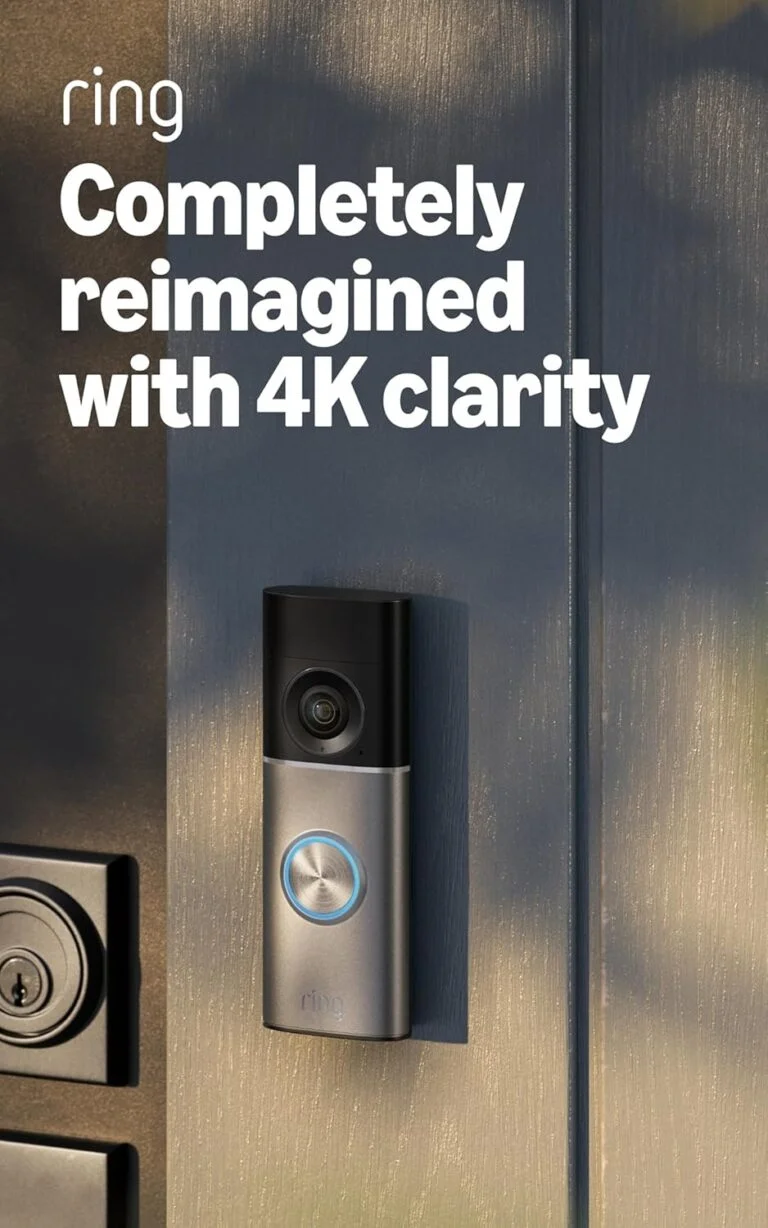
At its core, the Ring Video Doorbell Pro captures continuous snapshots of activity near your entryway and translates them into motion-triggered events.
Unlike basic models, this version relies on enhanced sensors designed to monitor both vertical and horizontal movement, allowing users to see faces, packages, and approach paths more clearly.
Video Quality and Field of View Expectations
The device offers high-definition video with a wide field of view intended to show more than just the doorstep.
In controlled lighting, footage appears sharp and balanced, especially for facial recognition at close range.
However, users frequently report that real-world clarity depends heavily on Wi-Fi stability and placement height. While marketing highlights resolution numbers, long-term users note that consistency matters more than peak sharpness, particularly during fast movement.
Motion Detection: Where the Technology Actually Helps
Advanced motion detection is one of the main reasons buyers choose this model.
Instead of reacting to every passing object, the system allows for refined motion zones and selective alerts.
During extended use, it becomes clear that motion accuracy improves when zones are carefully calibrated. Many users initially experience excessive alerts, then report a noticeable improvement once zones are adjusted to reflect real traffic patterns rather than default settings.
Night Vision and Low-Light Performance
Low-light performance is often underestimated during purchase decisions.
The Ring Video Doorbell Pro uses enhanced sensors to maintain visibility as ambient light drops.
In practice, this means nighttime footage remains usable for identifying visitors, though fine detail may soften. Users generally agree that the system performs better than entry-level models, but it does not fully replace dedicated outdoor security cameras in total darkness.
App Experience and Smart Home Integration
The Ring app serves as the control center for alerts, live view, and communication.
Most long-term users highlight convenience as the primary benefit, especially when answering the door remotely or reviewing recent activity.
Integration with smart displays allows instant video access, but feedback shows that app performance can vary based on device type and network load.
The experience improves significantly when paired with stable internet and consistent firmware updates.
What Real Users Commonly Praise and Criticize
Across user reviews, several patterns repeat:
Users often praise:
- The ability to monitor deliveries remotely
- Customizable alerts after proper setup
- Improved awareness of front-door activity
Users frequently criticize:
- Battery performance under heavy motion usage
- Feature limitations without a subscription
- Occasional delays in notifications
This split feedback suggests that satisfaction depends more on usage context than on specifications alone.
For a more focused view of this product, click here.
Common Assumptions That Lead to Disappointment
A frequent misconception is that a smart doorbell functions as a complete security system.
In reality, this device performs best as a situational awareness tool, not a full surveillance solution.
Another assumption is that all advanced features work optimally out of the box.
In practice, meaningful performance requires configuration, environmental adjustment, and realistic expectations.
Decision Factors Buyers Should Understand Early
Before choosing this category of device, users should evaluate:
- Wi-Fi signal strength at the installation point
- Expected motion frequency throughout the day
- Willingness to manage alerts and app settings
- The role of optional subscriptions in long-term use
Understanding these factors early prevents frustration and aligns expectations with actual performance.