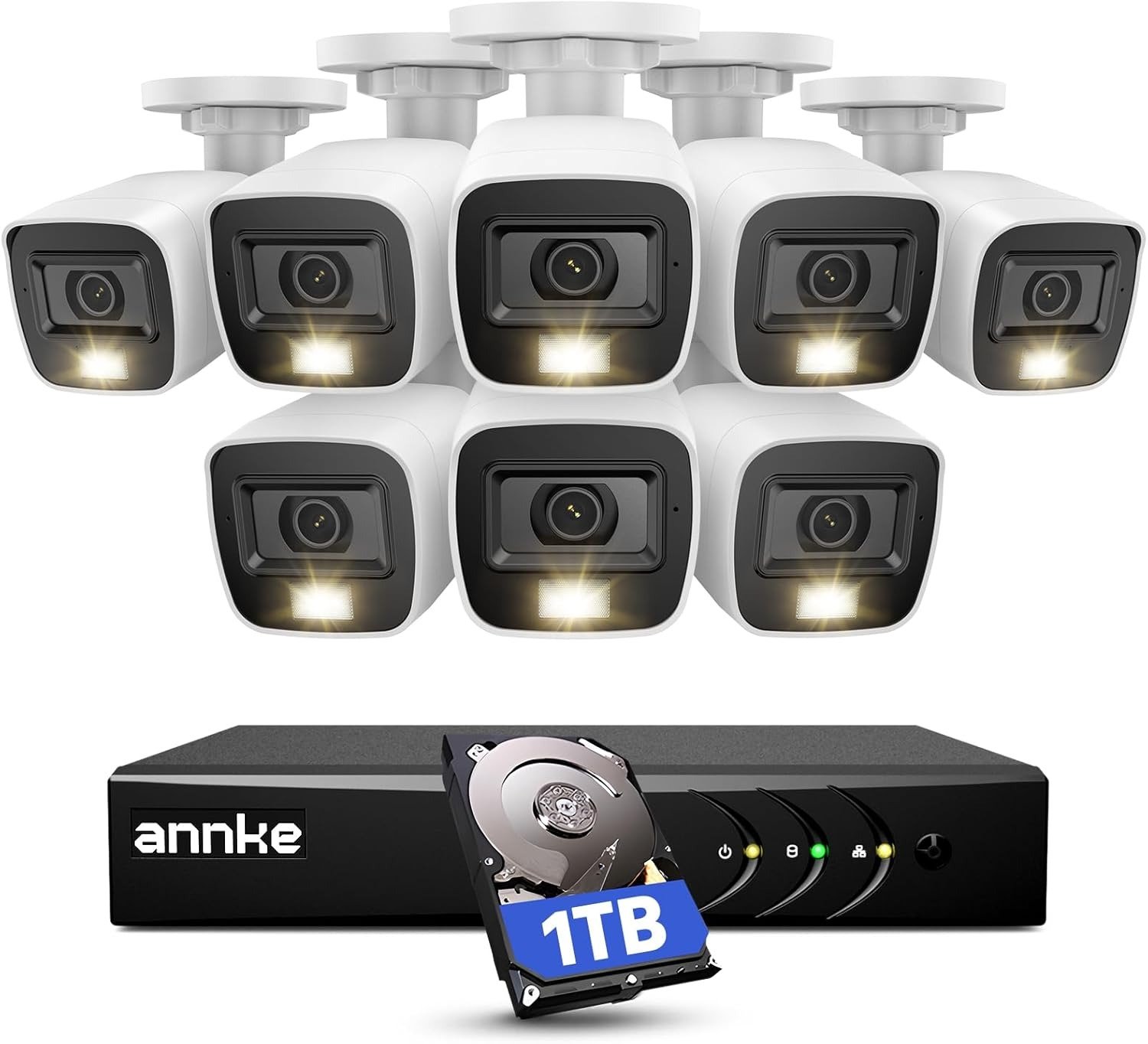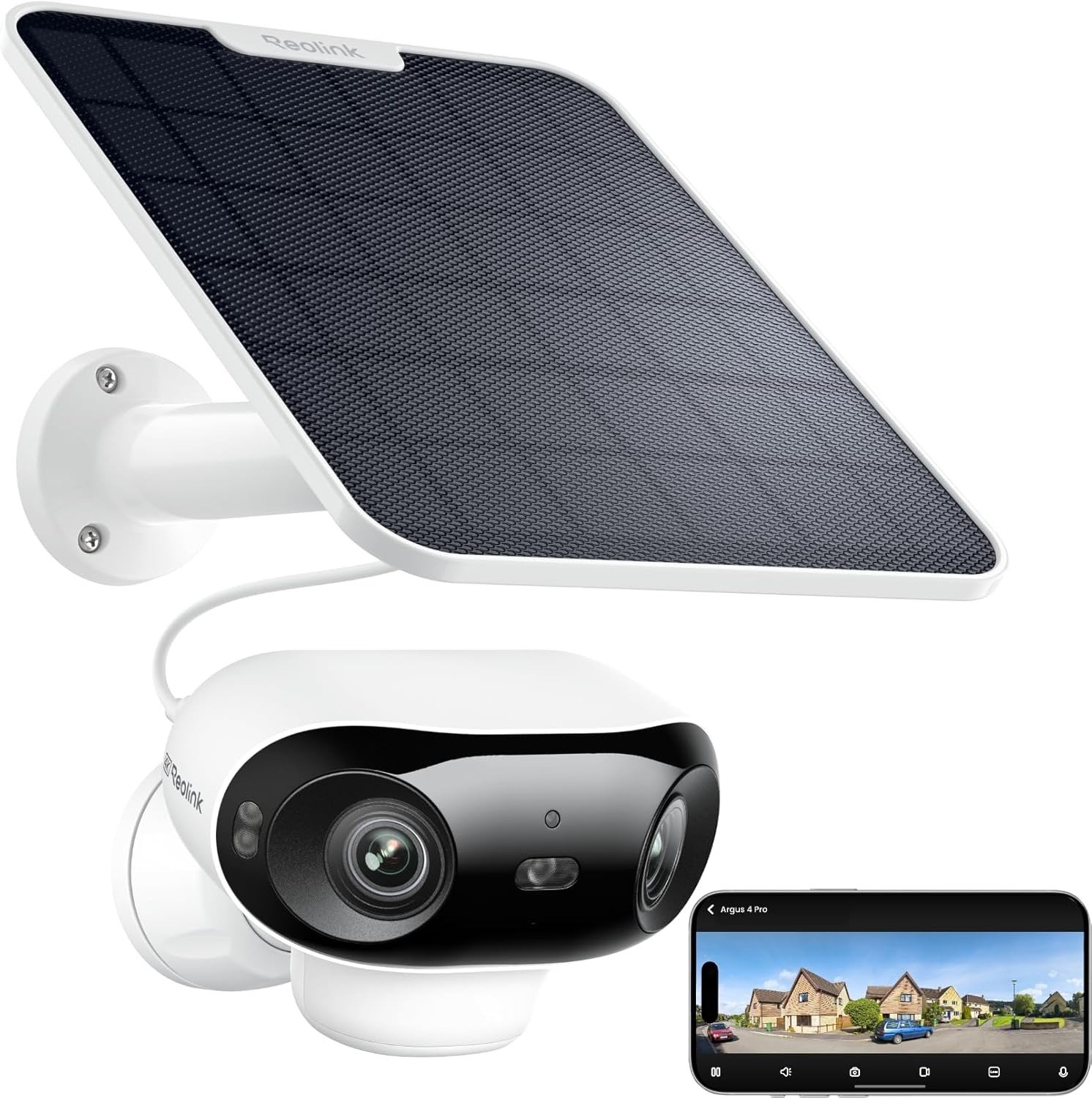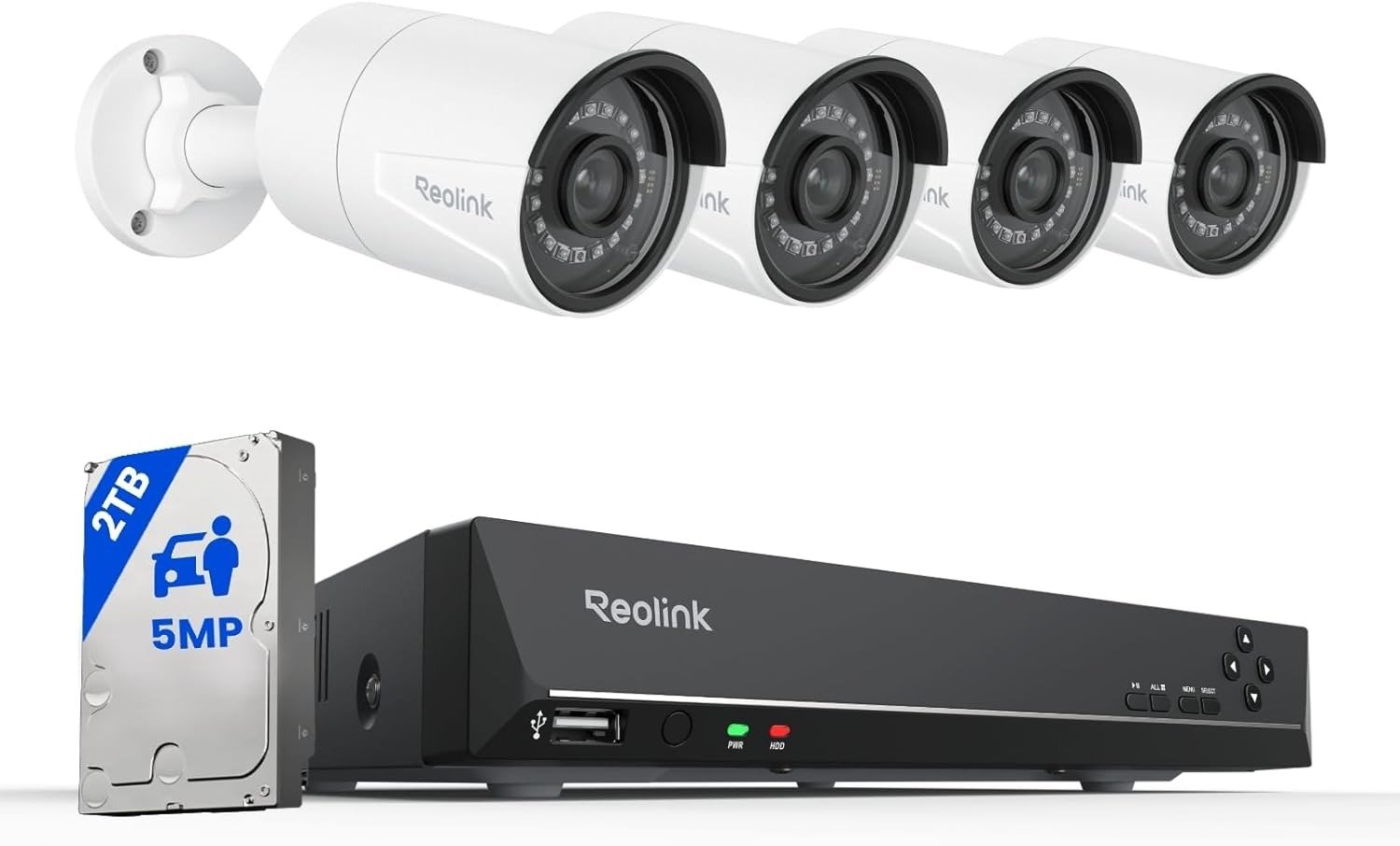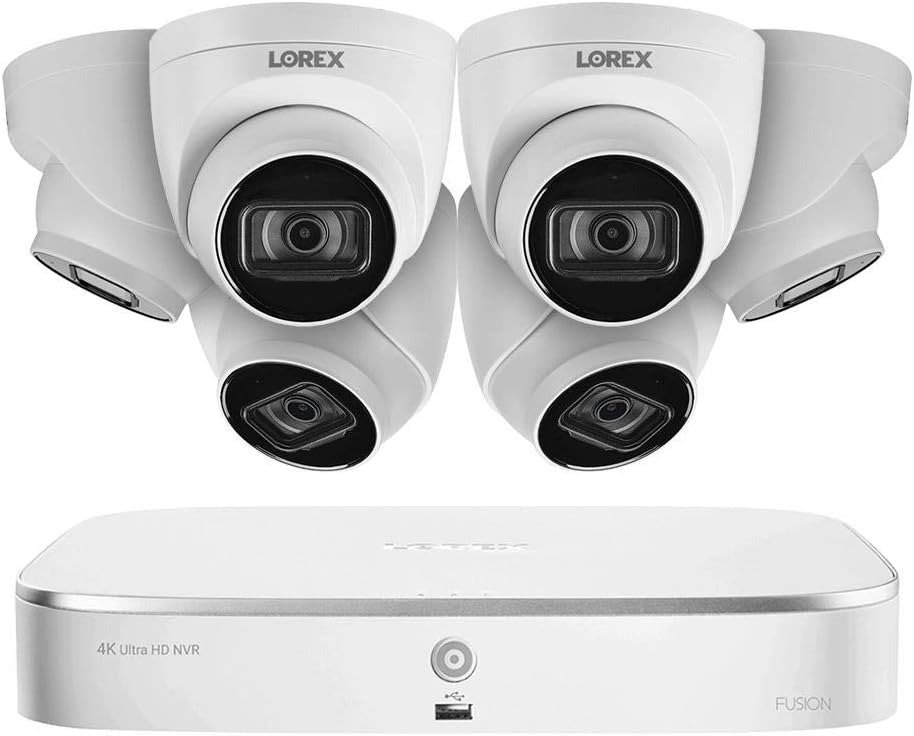
Your Camera Sees Motion. That Doesn’t Mean It Covers the Problem
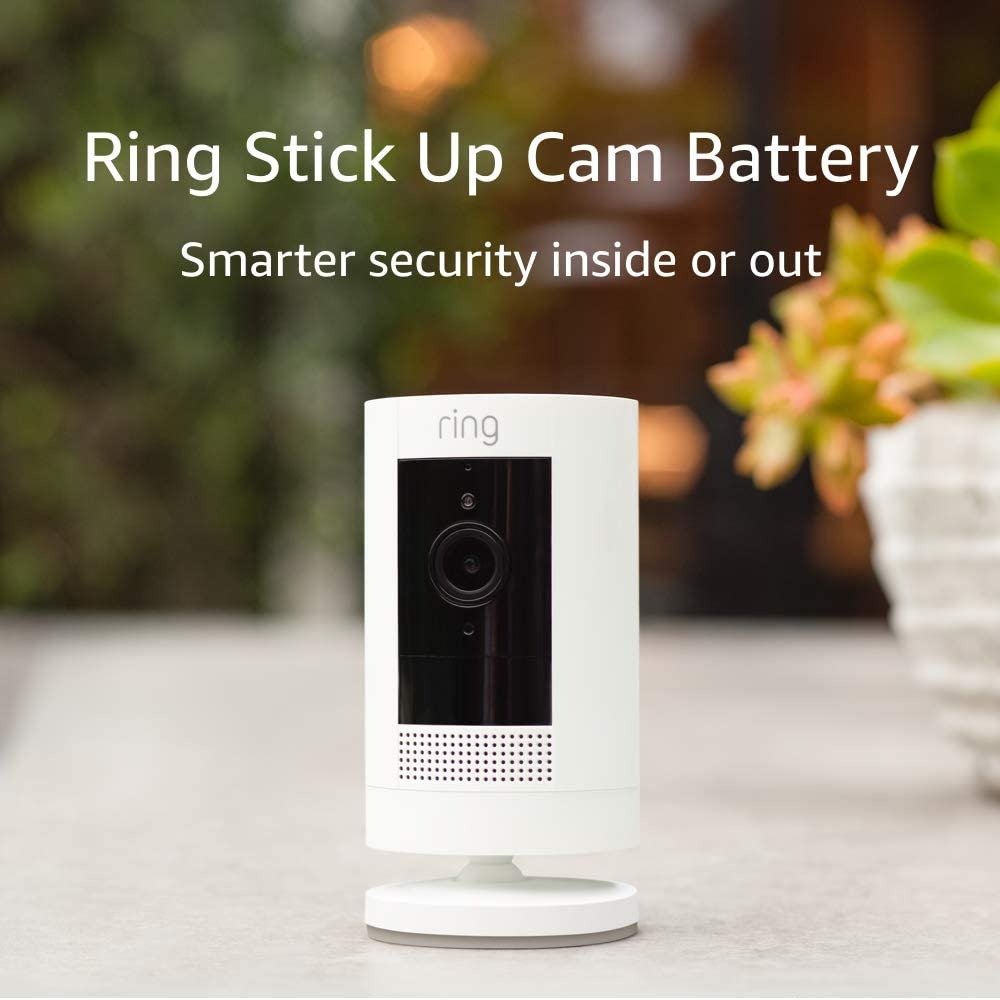
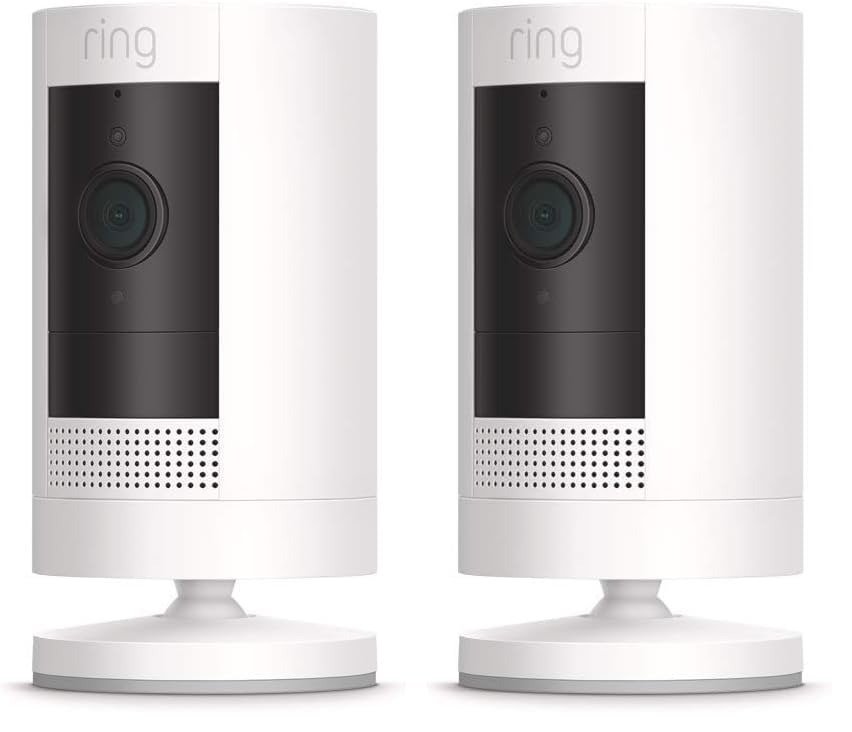
Ring Stick Up Cam / Ring Indoor Cam
A lot of people do not buy a camera because they want video. They buy it because something small has started to bother them.
- A side gate that nobody is supposed to touch.
- A package drop that sits too long.
- A driveway edge the doorbell never quite sees.
- A back entrance that feels fine in daylight and vague at night.
That is the first mistake.
The Problem Isn’t the Recording
The problem is usually not whether a camera records. The problem is whether it stays reliable enough, long enough, in the exact place where doubt starts. That distinction matters more than the headline features do. And it matters even more with the Certified Refurbished Ring Stick Up Cam Battery, because this is not a camera that fails loudly. It succeeds just enough to make weak placement decisions feel smarter than they are.
The Result Looks Fine. The Problem Isn’t.
On paper, the device reads cleanly.
- It is battery-powered.
- It can be mounted indoors or outdoors.
- It offers 1080p HD video, night vision, two-way audio with noise cancellation, adjustable motion zones, Live View, and Alexa integration.
The refurbished listing also states that it is tested and certified to look and work like new, with the same limited warranty as a new device.
That list is exactly why people misread it.
A feature list like that creates a false sense of perimeter control. You start thinking in broad strokes: front yard covered, side path covered, back door covered. But this camera is not a “coverage” device in the way many buyers imagine. It is a placement-sensitive observation point. Once you understand that, the product begins to make sense. Until then, it invites the wrong expectations.
What caught my attention in the evidence was not a dramatic flaw. It was a pattern. Third-party testing repeatedly points to decent core video quality, easy setup, and good ecosystem integration, while also flagging a narrower viewing span than many people expect, subscription dependence for fuller history and feature depth, and a higher chance of nuisance or less-meaningful alerts in the wrong environment.
That is the real tension here.
The image looks fine.
The install feels easy.
The app works.
The camera is “on.”
And yet the actual problem can remain only half solved.
What You’re Actually Feeling but Not Naming
Most buyers do not have a camera problem. They have a friction problem.
It usually takes one of these forms:
| What you notice | What is actually bothering you |
|---|---|
| “I want to check the side of the house.” | You do not trust that blind spot when you are away. |
| “I just need something simple.” | You are trying to reduce mental overhead, not add another thing to manage. |
| “Battery sounds easier.” | You want placement freedom because wiring is the real blocker. |
| “I only need basic monitoring.” | You may not need cinematic footage; you need confidence at the break point. |
That hidden layer matters because the Stick Up Cam Battery is strongest when it reduces intervention burden. It is weaker when it is asked to become a broad, always-trustworthy surveillance answer.
The quiet annoyance many owners describe is not “the camera is bad.” It is closer to this:
- the view is a little tighter than the scene really demands,
- the alert pattern needs tuning,
- the battery introduces maintenance into a setup people hoped would feel invisible,
- and the subscription line shows up later as part of the actual cost of ownership.
That is why this product triggers such mixed satisfaction. It is often good enough in the right lane, then quietly disappointing when pushed outside it.
The Hidden Mechanism Behind the Miss
The hidden variable is not video resolution.
It is decision geometry.
This camera gives you 1080p HD and a 130° diagonal / 110° horizontal / 57° vertical field of view. Those numbers are not bad. But they are also not magically forgiving. A buyer who treats this as broad-scene coverage can end up protecting a narrower slice of reality than they thought.
That is why the product often feels better on a defined zone than on an open area.
- A narrow gate.
- A porch approach.
- A side passage.
- A garage flank.
- A back step.
Those are controlled visual problems.
A wide driveway, sweeping yard, or layered frontage is something else. There, the camera can still work, but the psychological promise starts to outrun the physical frame. You think you bought reassurance. What you really bought was a viewpoint.
That difference becomes more important because this is a battery camera. Battery convenience is the product’s main strength, but it also shapes how motion handling, recharging rhythm, and long-term trust feel in daily use. Owner reports frequently describe workable battery life under moderate traffic, but heavier-trigger environments push people toward solar accessories, spare batteries, or a different camera strategy entirely.
This is the part many people skip: wire-free placement solves installation friction, but it does not eliminate upkeep friction.
You removed one burden.
You may have introduced another.
The Threshold Where the Outcome Quietly Breaks
Here is the threshold that matters:
The Ring Stick Up Cam Battery works best when the scene is narrow enough, the traffic is moderate enough, and the buyer’s expectation is specific enough.
Once you cross that line, the product does not necessarily collapse. It just stops feeling complete.
I would define the break point like this:
| Condition | Inside Threshold | Outside Threshold |
|---|---|---|
| Coverage need | One defined zone | Broad frontage or multi-depth scene |
| Motion environment | Moderate, readable traffic | Constant movement, shadows, wind, busy sidewalks |
| Buyer expectation | “Show me this spot clearly” | “Give me comprehensive awareness” |
| Maintenance tolerance | Accepts periodic charging | Wants near-invisible upkeep |
| Platform fit | Already comfortable with Ring/Alexa | Wants platform-neutral flexibility |
| Cost logic | Accepts subscription as part of system | Wants full value without ongoing plan |
That is the whole game.
Not “Is it 1080p?”
Not “Does it work with Alexa?”
Not “Is refurbished safe?”
The real question is whether your use case stays inside that threshold.
Because once it moves outside it, three things happen:
- the field of view starts feeling smaller than expected,
- alert quality matters more than raw motion pickup,
- and battery convenience starts charging interest in the form of maintenance.
Why Most Buyers Misread This Too Early
Most buyers misread it because they compare the wrong variables too soon.
They compare:
- price,
- video resolution,
- indoor/outdoor flexibility,
- app ecosystem,
- whether it is refurbished.
Those matter. They just do not matter first.
The first filter should be: where does performance become meaningfully incomplete for my actual scene?
That is the counter-intuitive part. Two cameras can look similar in a product grid and still behave very differently as decision tools. A battery camera with easy placement can outperform a technically stronger option if the spot is awkward and narrow. The reverse is also true: a camera that sounds “good enough” on paper can become the wrong choice the minute your scene is wide, busy, or dependency-heavy.
Third-party testing reinforces that split. The Stick Up Cam Battery is often praised for easy setup and sensible ecosystem fit, but criticism reliably clusters around narrower framing, less-discerning notifications, subscription dependence for richer usefulness, and some app dissatisfaction—particularly on Android, where one review noted poor ratings at the time of publication.
That pattern is not random. It tells you exactly what kind of buyer should proceed carefully.
Who Is Actually Inside This Problem
This camera becomes relevant for a very specific person.
Not the shopper who wants the most advanced camera on the page.
Not the privacy absolutist.
Not the buyer trying to cover an entire property from one cheap angle.
It makes the most sense for someone like this:
| Buyer pattern | Fit |
|---|---|
| Needs a flexible camera for one awkward indoor or outdoor spot | Strong |
| Already uses Ring devices or Alexa | Strong |
| Values easy setup over maximum scene coverage | Strong |
| Can accept periodic battery management | Medium to Strong |
| Wants recorded history and is comfortable with a subscription | Medium to Strong |
| Wants one camera to cover a wide yard, driveway, and street edge | Weak |
| Wants the most privacy-minimized setup possible | Weak |
| Wants rich value without platform or subscription dependence | Weak |
This is where the product gets more honest.
If your real goal is surgical visibility in one problem area, the Stick Up Cam Battery starts looking coherent. If your real goal is broad certainty, it starts looking like a compromise you may notice later.
That is the difference between a smart buy and a delayed regret.
Where Wrong-Fit Begins
Wrong-fit begins earlier than most people think.
It begins when the buyer says, “I’ll just put this high enough and it should cover everything.”
It begins when battery power is treated as pure upside.
It begins when the subscription is mentally excluded from the real cost.
It begins when “motion alerts” is interpreted as “reliably meaningful alerts.”
It begins when the platform’s convenience is weighed but its privacy history is ignored.
That last part matters. Ring has added and promotes privacy controls, and the product page highlights custom privacy controls. But Ring’s history is not neutral. In 2023, the FTC said Ring employees and contractors had been able to access consumers’ private videos and that the company failed to implement adequate security protections; in 2024, the FTC announced more than $5.6 million in refunds tied to the settlement. That does not automatically disqualify the product, but it does mean privacy should be treated as an active decision variable, not a footnote.
So the wrong fit is not just technical. It is also behavioral.
If you are the kind of buyer who will keep revisiting privacy settings, resent recurring service logic, or get irritated by maintenance chores, this camera can become mentally expensive even when the upfront setup feels easy.
The One Situation Where This Product Becomes Logical
Now the authorization point.
The Certified Refurbished Ring Stick Up Cam Battery becomes logical in one very specific situation:
You need a flexible, easy-to-place camera for one defined blind spot, you are already comfortable inside the Ring/Alexa ecosystem, and you accept that the real product is not the hardware alone but the hardware-plus-platform relationship.
That is the lane.
Inside that lane, the refurbished angle actually helps the logic. Amazon says the product is tested and certified to look and work like new and carries the same limited warranty as a new device. If you already know the product fits your threshold, refurbished can lower friction without changing the category of solution.
Here is the clean decision map:
| What you need solved | Does this product make sense? |
|---|---|
| A movable, wire-free camera for a side entrance, porch edge, or garage flank | Yes |
| A simple extension of an existing Ring setup | Yes |
| A camera that avoids wiring hassle and still gives live check-ins and two-way talk | Yes |
| A wide-area, low-maintenance, low-subscription, privacy-light solution | No |
| A camera chosen mainly because the spec sheet sounds complete | No |
That is why I would not frame this as a “best camera” conversation.
I would frame it as a threshold-correct camera.
And that is a much harder thing to buy well.
What It Solves, What It Reduces, and What It Still Leaves to You
What it solves well:
- placement friction,
- single-zone visibility,
- easy onboarding,
- integration with an existing Ring environment,
- quick live checks and voice-adjacent convenience through Alexa.
What it reduces:
- the hesitation that comes from an uncovered but narrow blind spot,
- the install barrier that keeps people from adding any camera at all,
- the awkward gap between a doorbell view and a truly useful side angle.
What it still leaves to you:
- battery management,
- realistic scene selection,
- subscription math,
- privacy judgment,
- and the discipline to avoid asking a single camera to do three jobs badly.
That trade-off profile is clearer in table form:
| Gain | The trade-off you accept |
|---|---|
| Wire-free placement | Charging and battery upkeep |
| Easy installation | More sensitivity to where and how you mount it |
| Ring ecosystem simplicity | Platform dependence |
| Refurbished value | You still need the use case to be correct first |
| Live View and recorded-history path | Full usefulness is tied more closely to plan economics |
And this is where a lot of bad product decisions happen. People assume a lower-friction camera should also carry lower decision risk.
Usually, the opposite is true.
The easier something is to place, the easier it is to place it badly.
Final Compression
Here is the shortest honest version.
The Certified Refurbished Ring Stick Up Cam Battery is not a broad security answer. It is a narrow-placement answer.
It works when:
- one blind spot matters more than whole-property coverage,
- you value flexible installation,
- you already accept Ring’s ecosystem logic,
- and you can live inside the battery-plus-subscription trade-off.
It starts breaking when:
- your scene is too wide,
- your motion environment is too noisy,
- your maintenance tolerance is low,
- or your privacy threshold is tighter than the platform relationship allows.
That is the real decision.
Not whether the camera can see.
Whether it fits the exact point where your uncertainty begins.
If that is the condition you are actually dealing with, this becomes the logical next step:
Transparency Note:
This analysis is not based on quick personal impressions.
It is derived from documented system behavior, verified user patterns, and the physical constraints of storage capacity.
The goal is to translate complex technical behavior into a realistic performance model that helps you make a clear decision