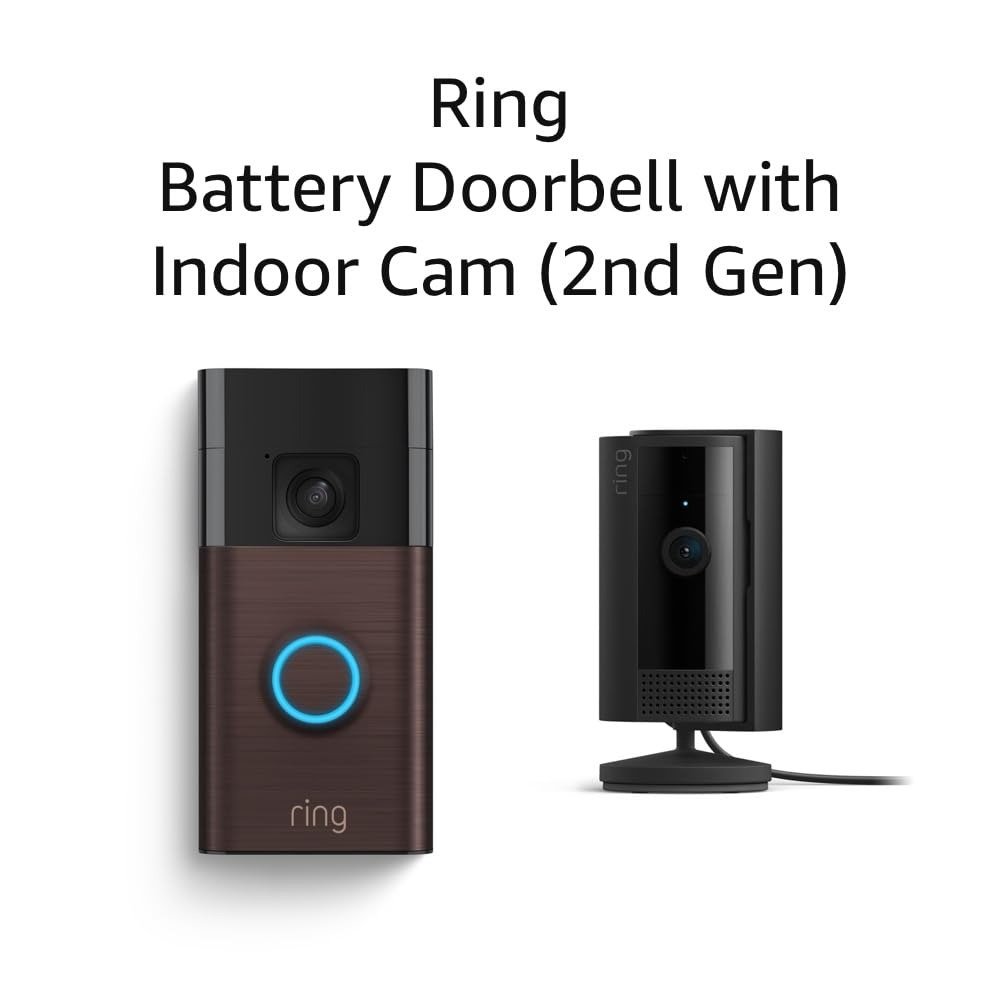
Ring Battery Doorbell
RING BATTERY DOORBELL
Looks Convenient — Until the Charging Threshold Starts Owning the Experience
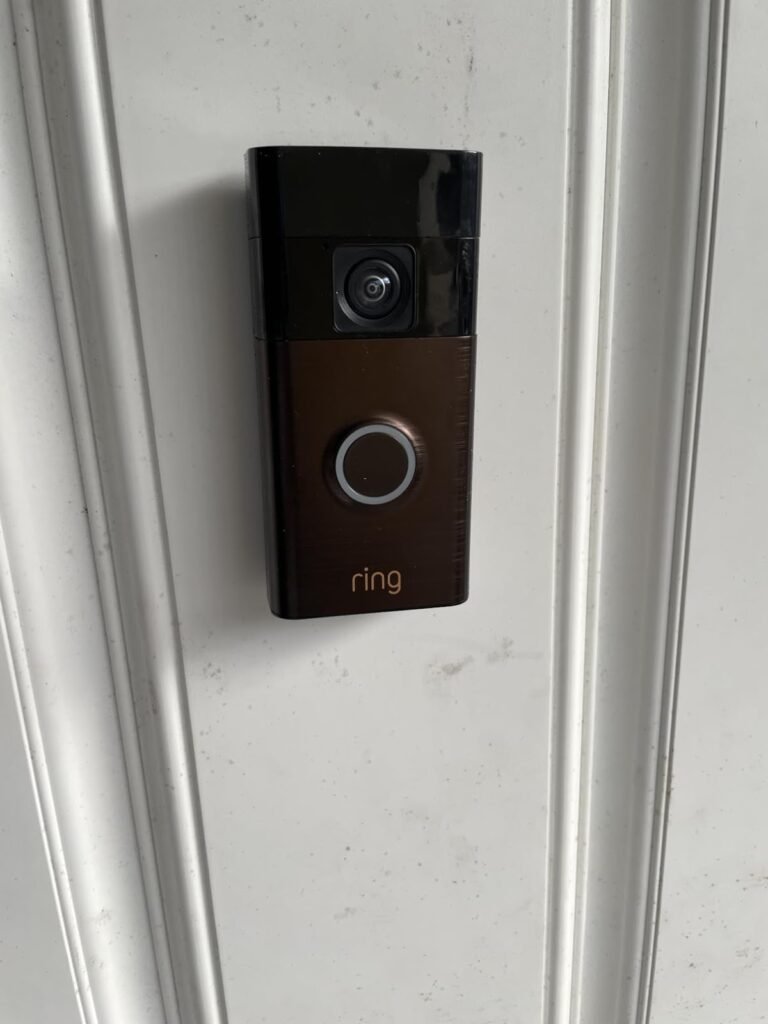
You do not notice the weak point on day one. You notice it later, when the package is already gone, the battery is lower than you expected, and the feature you assumed was standard turns out to sit behind a plan. That is the real shape of this product. The Ring Battery Doorbell is easy to install, clear enough to trust, and much better framed than the older 1080p Ring baseline thanks to its square 1440 x 1440 view and 150° x 150° field of view. But the product does not truly divide people by picture quality. It divides them by tolerance for maintenance friction.
The Result Looks Fine. The Problem Isn’t.
At first glance, Ring got the visible part right. You get Head-to-Toe video, color night vision, two-way audio, motion zones, app-guided installation, and the option to run it on battery or hardwire it for continuous charging. On paper, that is exactly what a budget-friendly smart doorbell should look like. Independent reviewers also consistently describe setup as easy and the video feed as crisp enough for normal front-door use. Verified Best Buy buyers repeat the same pattern: easy install, clear video, fast alerts, simple app.
The problem is that this category punishes the wrong metric. Many buyers shop a doorbell the way they shop a screen: resolution, viewing angle, night vision, audio. That misses the part that actually shapes ownership. A battery doorbell is not judged only by what it shows. It is judged by how often it interrupts your routine, how much value disappears without a subscription, and how annoying the recharge cycle becomes once the novelty wears off.
What You’re Actually Feeling but Not Naming
Most people do not say, “I am buying the wrong power architecture.” They say smaller things.
I do not want to take the unit down again.
I thought package alerts were included.
I only need the front door, so why does this still feel incomplete?
Why did this feel inexpensive at checkout but heavier after setup?
That is not buyer confusion. That is threshold friction.
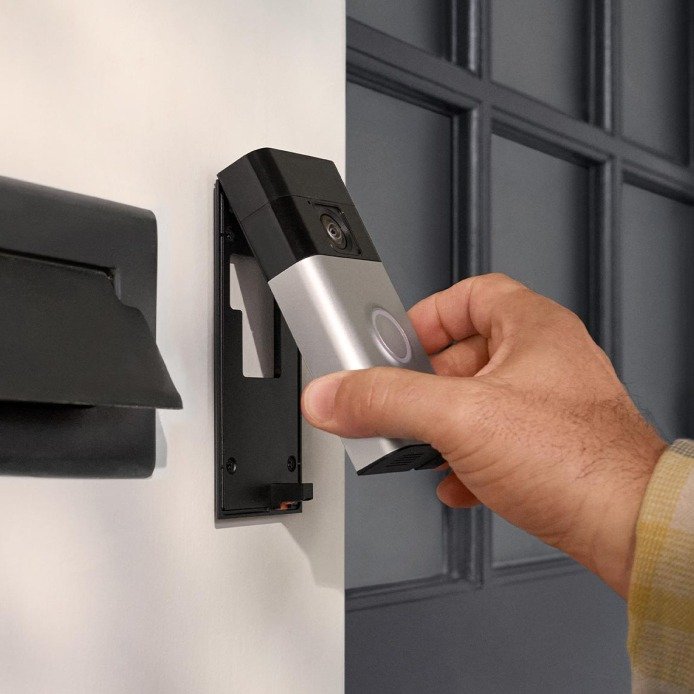
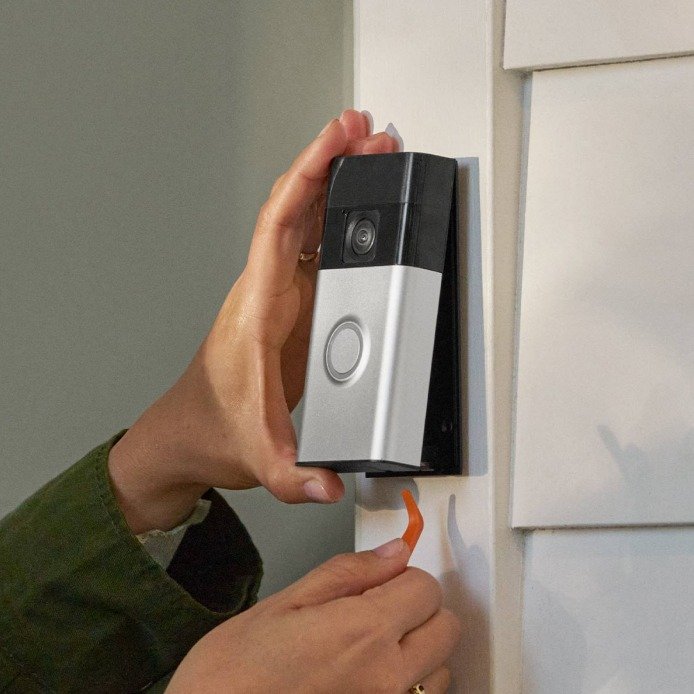
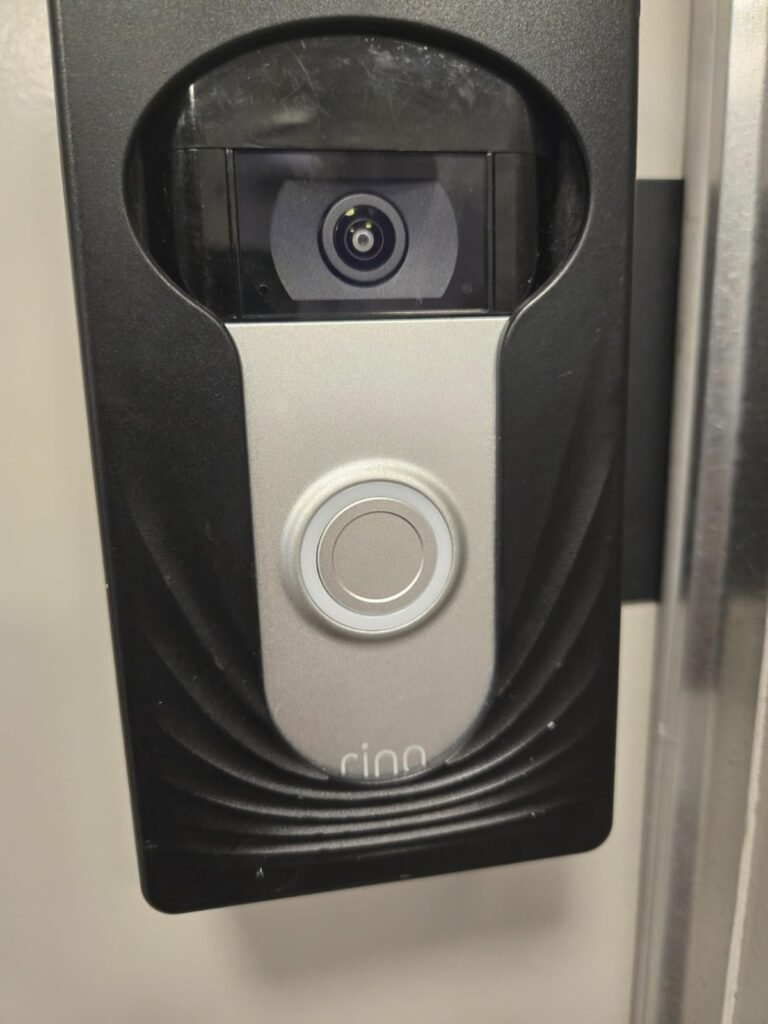
The Ring Battery Doorbell works best when the doorbell itself stays in the background. The trouble starts when the maintenance burden becomes part of your weekly or monthly awareness. Because this model uses a built-in rechargeable battery, recharging means unclipping or detaching the unit rather than swapping in a fresh spare battery the way you can on Ring’s pricier Plus line. Reviewers and users keep circling that same point for a reason. It is not a spec-sheet flaw. It is an ownership flaw.
The Hidden Mechanism Behind the Miss
The hidden mechanism is simple: this product stops feeling cheap when convenience depends on repetition.
Ring’s official page confirms the essentials: 1440 x 1440 video, 150° horizontal and vertical field of view, 2.4GHz Wi-Fi only, built-in rechargeable battery, optional hardwiring, and subscription-gated extras such as person/package alerts, event history, video preview alerts, and doorbell-call style notifications. Without a plan, you still get real-time notifications, live view, and two-way talk, but the system becomes much thinner than many buyers assume.
That changes the real buying equation:
| What looks like the buying reason | What actually shapes satisfaction |
|---|---|
| 1440p square video | Whether you mind recharge downtime |
| Head-to-Toe view | Whether packages are the real problem at your door |
| Budget price | Whether you already accept Ring’s subscription logic |
| Easy install | Whether you want near-zero upkeep after install |
The image is the hook. The maintenance model is the decider. That is the hidden variable.
The Threshold Where the Outcome Quietly Breaks
The threshold is not “when battery life is bad.” It is more specific than that.
The outcome breaks when your front door is active enough that recharging becomes a repeated interruption, but not important enough to justify moving up to a model with a removable battery or hardwiring the unit.
That is the break point.
If your entry gets frequent deliveries, multiple daily comings and goings, or you live in a home where missing one event is exactly what makes the doorbell valuable, then a built-in battery becomes a weak structural choice. One reviewer tested a month of moderate use and found the battery dropping from 100% to 85%, which sounds fine until you realize the real issue is not the absolute number. It is that every recharge creates a temporary management chore. Reddit users discussing Ring battery models make this even more direct: the regular battery model is the one they are least likely to recommend precisely because the battery is not swappable, and some report recharge times around five to eight hours.
That is why the threshold has nothing to do with marketing terms like “peace of mind.” It is a workload threshold.
Why Most Buyers Misread This Too Early
Because they compare features before they compare interruptions.
They ask:
Does it have head-to-toe video?
Does it see packages?
Is the app good?
Is the install easy?
Those are valid. They are just early.
The better sequence is this:
| Decision filter | Why it matters more |
|---|---|
| Built-in vs removable battery | Decides future hassle |
| Subscription tolerance | Decides real feature value |
| Ecosystem fit | Decides whether Alexa/Ring integration compounds usefulness |
| Entry traffic level | Decides whether battery ownership stays invisible |
PCWorld put it plainly: this is a stronger buy for people already inside the Ring ecosystem and already comfortable paying for a subscription. The same review also flags the two ownership penalties that matter most here: important features require the subscription, and the unit must be detached from the mount to recharge. That is not cosmetic criticism. That is the whole model in one sentence.
Who Is Actually Inside This Problem
This doorbell makes the most sense for a very specific buyer.
| Your situation | Fit |
|---|---|
| You want simple DIY setup with no electrician | Strong |
| You already use Ring or Alexa devices | Strong |
| You are fine with a paid plan for recording and smart alerts | Strong |
| Your door is moderate-traffic, not constant-traffic | Strong |
| You mainly want live view, talk, and basic front-door awareness | Strong |
| You expect full value without subscription fees | Weak |
| You hate taking hardware down for charging | Weak |
| You want local storage or wider platform support | Weak |
| You use Apple Home or Google Home as your center | Weak |
This is not for the buyer chasing abstract “smart home security.” It is for the buyer who wants a clean front-door layer inside the Ring stack, with modest friction and predictable expectations. That is why some reviewers like it as an inexpensive entry point or as a secondary door device more than as the main high-stakes front entry solution.
Where Wrong-Fit Begins
Wrong-fit begins in four places.
First, if you want local storage, stop here. Expert Reviews explicitly flags the lack of local storage, and Ring’s broader ecosystem is still fundamentally cloud-led.
Second, if you dislike subscriptions on principle, stop here. Ring officially confirms that event history, person/package alerts, video preview alerts, and several convenience layers sit inside paid plans, while outside the plan you are largely living on live view and basic notifications.
Third, if this is your highest-traffic, most important entrance, the built-in battery is where wrong-fit starts to become regret. The Plus or Pro tiers exist for a reason. Even user communities discussing Ring’s battery models repeatedly point to the removable battery advantage on higher models.
Fourth, if you want broad ecosystem neutrality, this is not the right shape. Reviewers note the product leans heavily into Alexa and does not support Apple Home or Google Home in the way many buyers now expect.
The One Situation Where This Product Becomes Logical
This product becomes logical when you want the cheapest clean entry into Ring’s doorbell experience without pretending you are getting premium ownership behavior.
That is the real use case.
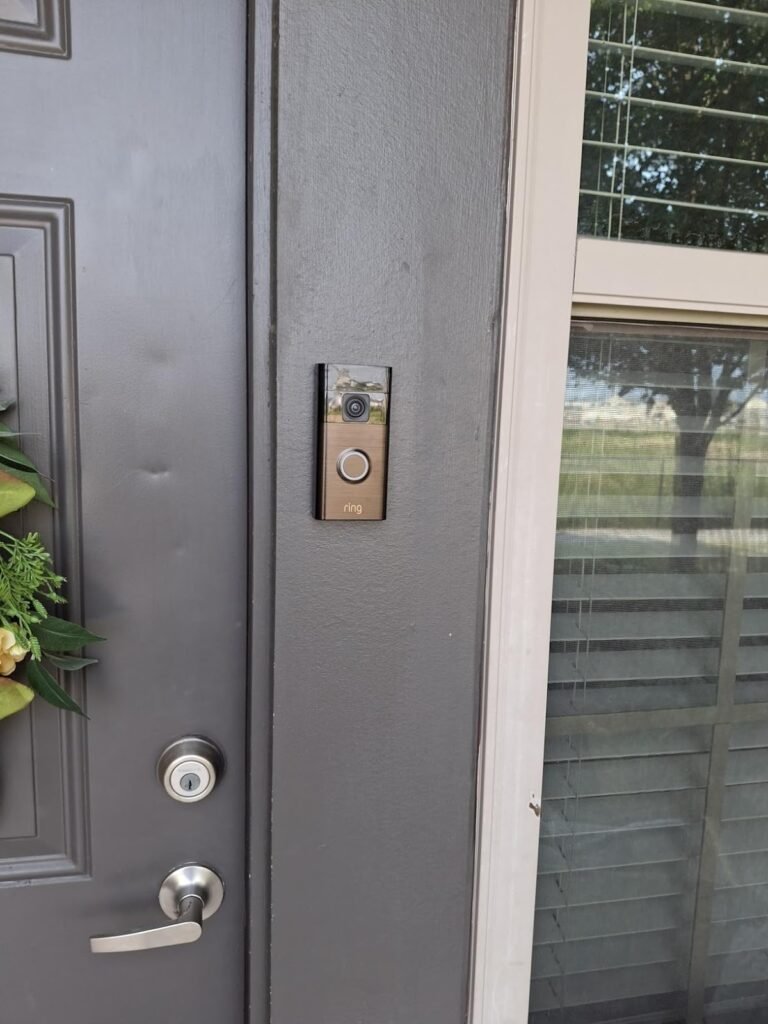
If you already accept Ring’s subscription model, want an easy install, care about seeing the doorstep and package area better than older 1080p Ring models allowed, and do not expect the front door to generate constant activity, the Ring Battery Doorbell is a sensible choice. It gives you the square view, the familiar Ring app, solid day and night clarity for the class, and a lower barrier to entry than the Plus and Pro. Multiple reviewers land in roughly that same zone: good value, easy to use, but only really clean if the subscription and battery architecture do not bother you.
In that narrow lane, the product is not compromised. It is simply specific.
What It Solves, What It Reduces, and What It Still Leaves to You
Here is the cleanest way I can put it.
| It solves | It reduces | It still leaves to you |
|---|---|---|
| Basic front-door visibility | Missed package-area blind spots compared with older Ring views | Battery charging management |
| Quick DIY install | Setup friction | Subscription decision |
| Two-way visitor response | Guesswork about who rang or walked up | The downtime and chore of recharging a built-in battery |
| Entry-level access to the Ring ecosystem | Barrier to first adoption | Acceptance of 2.4GHz-only connectivity and ecosystem lock-in |
And here is the trade-off in plain language:
You gain lower upfront cost, but you trade off long-term elegance.
You gain easy installation, but you trade off battery flexibility.
You gain Ring convenience, but you trade off feature freedom outside the subscription.
Final Compression
After reading the specs, the expert reviews, the retailer feedback, and the user complaints, I do not think the Ring Battery Doorbell is mainly a video-quality decision. I think it is a tolerance decision.
If your threshold is low for maintenance friction, skip it.
If your threshold is low for subscriptions, skip it.
If your front door is busy and important, skip it.
If you already live in Ring, want simple install, want better downward coverage, and can tolerate the recharge-and-subscription logic, this is the point where the choice stops being vague.
That is why I would frame it this way: the Ring Battery Doorbell is not the smart choice for everyone standing at the doorbell category. It is the logical choice for the buyer whose real problem is basic front-door visibility with minimal install friction, not premium autonomy. If that is the condition you are actually dealing with, this is the logical next step.
Transparency Note:
This analysis is not based on quick personal impressions.
It is derived from documented system behavior, verified user patterns, and the physical constraints of storage capacity.
The goal is to translate complex technical behavior into a realistic performance model that helps you make a clear decision.
If your situation is slightly different, start here: