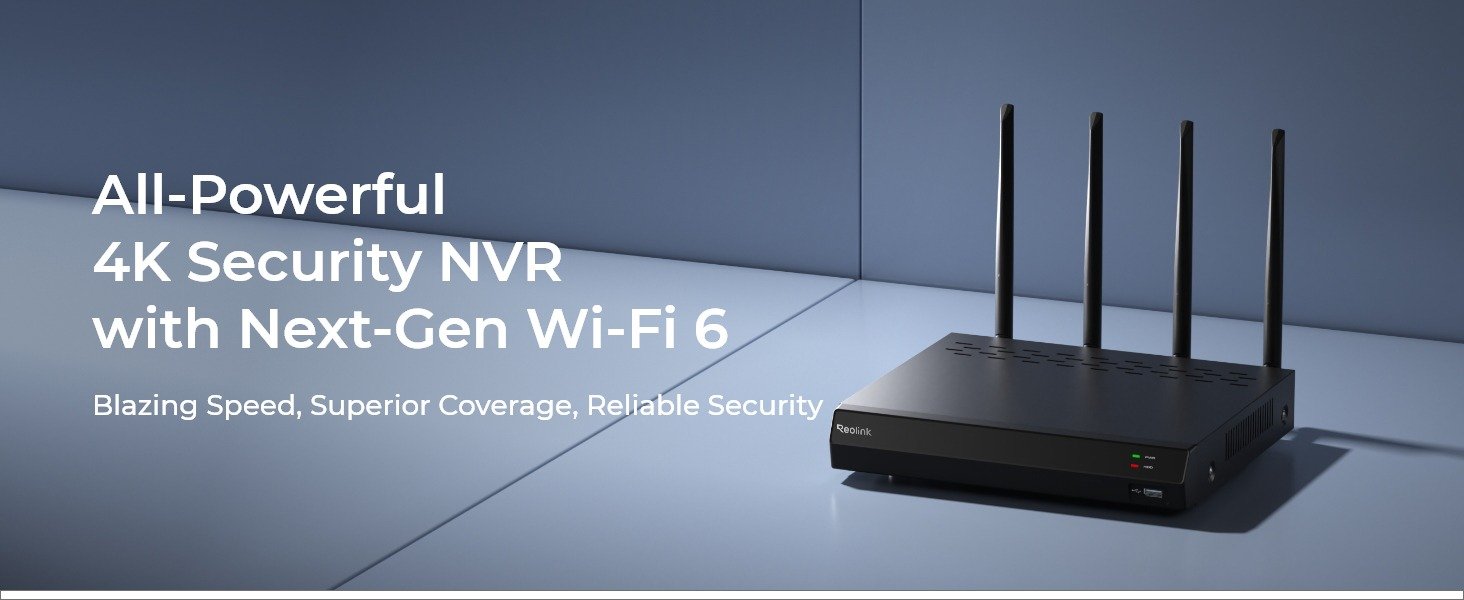
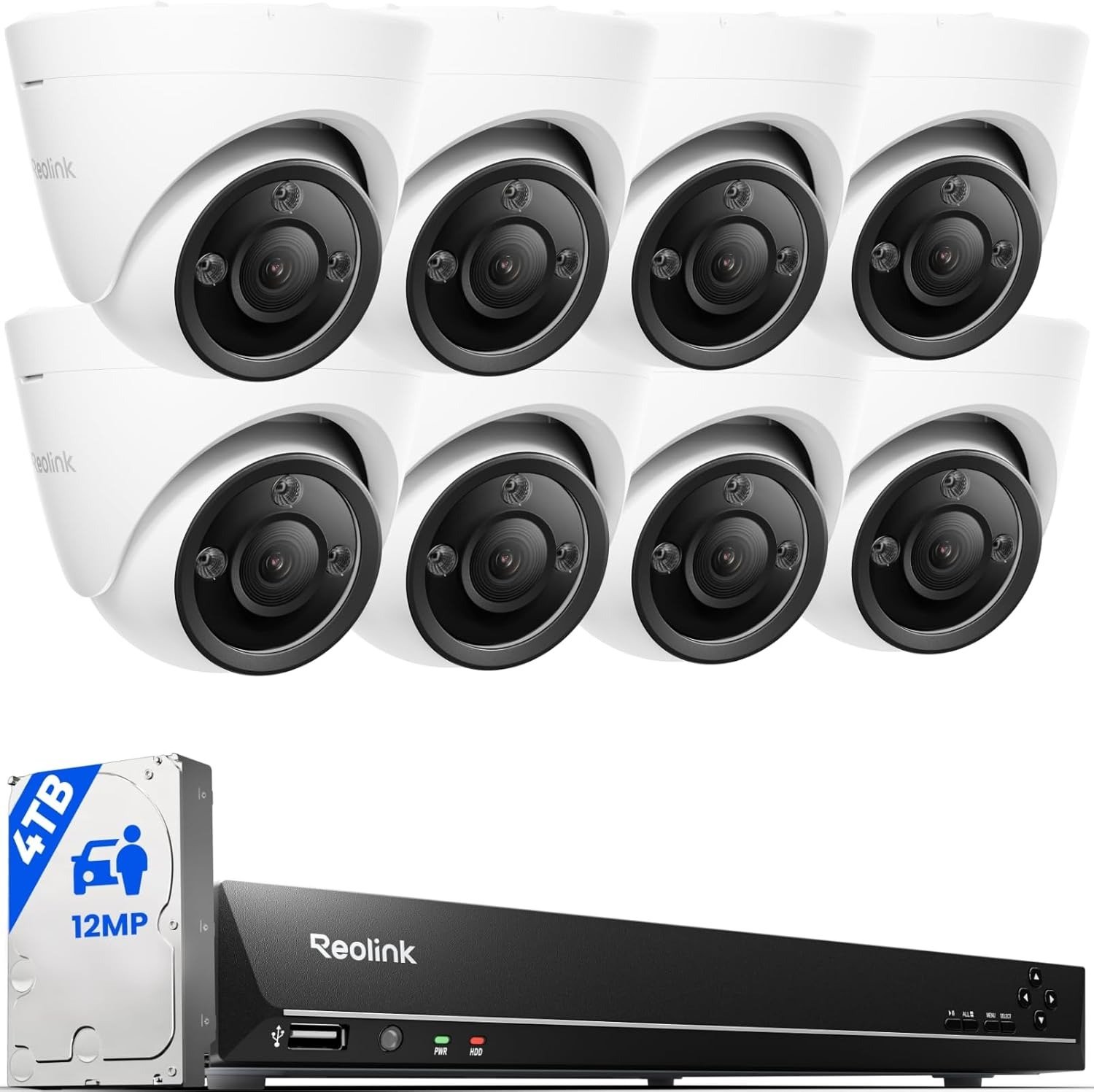
Reolink RLN12W Decision: Compatibility Split Under a Stability Threshold
DECISION ANALYSIS
Resolution Boundary
This analysis does not attempt to persuade a purchase.
Its purpose is to determine whether the RLN12W remains within its stability envelope in your environment.
Every recorder behaves predictably until load approaches the system threshold.
Once that threshold is crossed, behavior changes.
What the Decision Depends On
Three factors determine the system’s long-term behavior:
- Camera Density
Higher camera counts increase simultaneous stream load. - Wireless Environment
Crowded RF environments reduce available airtime. - Motion Activity
Multiple cameras triggering simultaneously increase processing and bandwidth demand.
Together these variables determine where the system sits relative to its threshold.
Compatibility Split 3.0
Split A — Clean Stability Zone
You fall into this category when:
- Camera count remains moderate
- WiFi environment is relatively quiet
- Motion activity is spread across cameras rather than simultaneous
In this zone the RLN12W behaves predictably.
Latency remains low and reconnects are rare.
Split B — Near-Threshold Zone
You enter this category when:
- Camera count approaches double digits
- Wireless airtime is shared with multiple networks
- Motion events frequently occur across several cameras
Here the system still functions well.
However latency spikes and occasional reconnect clusters may appear during peak load periods.
These are early drift indicators.
Split C — Structural Mismatch
This occurs when:
- The recorder operates close to its maximum channel density
- The wireless spectrum is highly congested
- Many cameras trigger simultaneously during motion events
In this zone instability becomes predictable.
Reconnect cycles begin repeating and live-view delay increases.
The system continues recording, but user experience begins degrading.
Operational Summary
| Environment | Expected Behavior |
|---|---|
| Low camera density + moderate WiFi | Stable system performance |
| Medium camera density + shared RF spectrum | Occasional latency spikes |
| High camera density + crowded spectrum | Reconnect clusters and delay drift |
Quiet Resolution
If your deployment remains comfortably below the system threshold, the RLN12W functions as a stable local recording hub.
If your environment operates near the threshold, stability depends on wireless conditions and camera activity patterns.
If your deployment already exceeds the threshold, the instability will repeat regardless of configuration changes.
Memory Imprint
When a surveillance system feels unpredictable, it usually means the environment has crossed the system’s real operating limit.
Transparency Note:
This analysis is not based on quick personal impressions.
It is derived from documented system behavior, verified user patterns, and the physical constraints of storage capacity.
The goal is to translate complex technical behavior into a realistic performance model that helps you make a clear decision


One Comment