Why a Security Camera System Starts Feeling Unreliable Before It Actually Fails
ANALYSIS FRAMEWORK
Most camera systems do not lose trust in one dramatic moment. In my reading of how real owners describe the experience, the break usually happens much earlier and much quieter: the system still records, still connects, still sends alerts, but the signal stops feeling clean enough to trust without checking twice.
That is the real threshold. It is not whether the cameras are technically “working.” It is whether the system still reduces uncertainty when something happens.
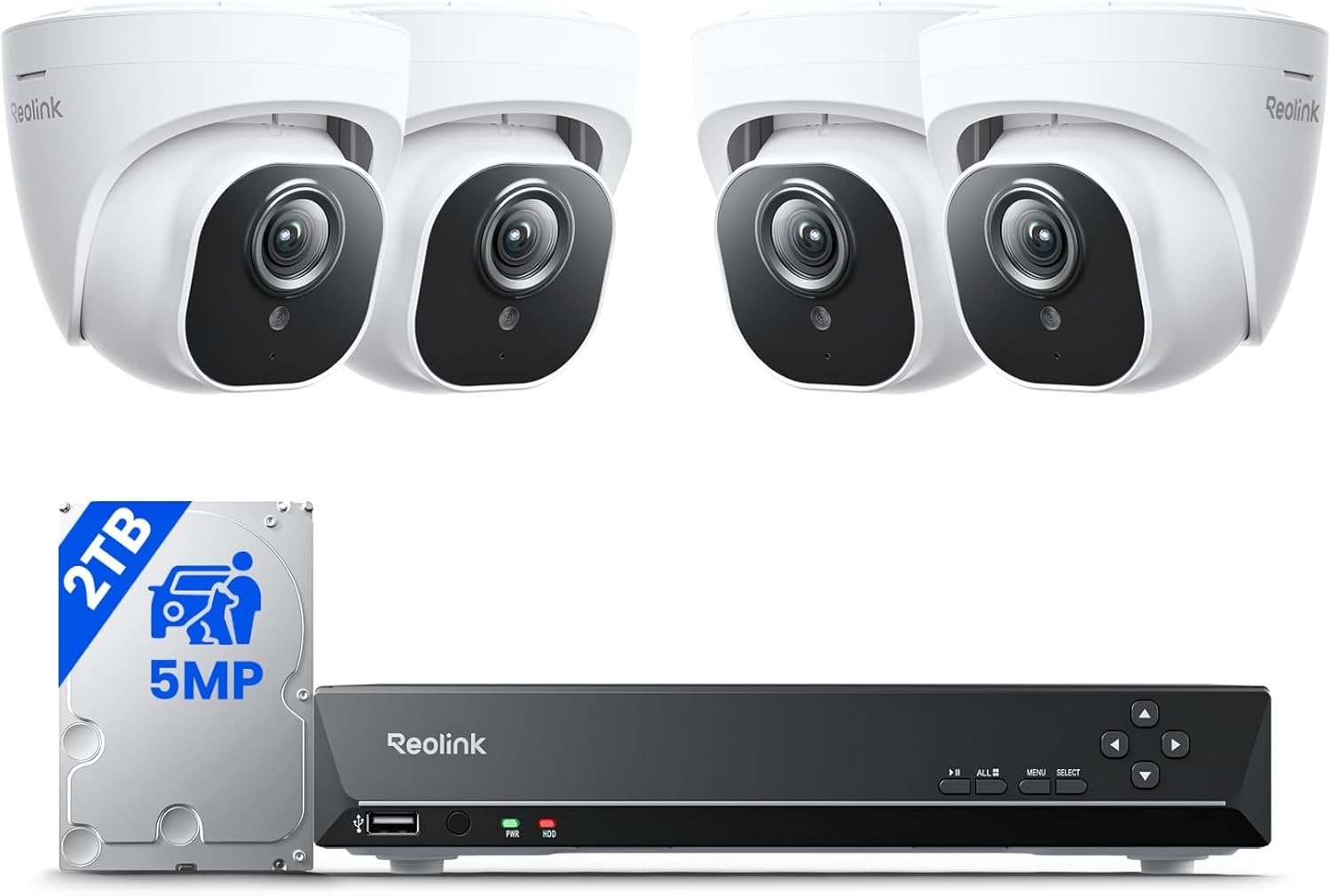
Reolink’s wired PoE kits are built around local recording, continuous capture, remote playback, and smart detection, which is why they often feel stable at the start. But the same owner feedback also shows that trust drops when detection tuning, night detail, or compatibility expectations are not aligned with real use.
The Hidden Threshold Is Not Recording, It Is Verification Speed
What I keep seeing across security systems is that people rarely judge them by raw spec sheets after the first week. They judge them by how fast they can answer one question: Did something actually happen, and can I verify it without friction?
That is why local 24/7 recording matters so much. A system with an NVR, built-in storage, event playback, and simultaneous recording across channels creates a lower-friction path to certainty than a pieced-together setup that depends on battery limits, delayed clips, or cloud-only retrieval.
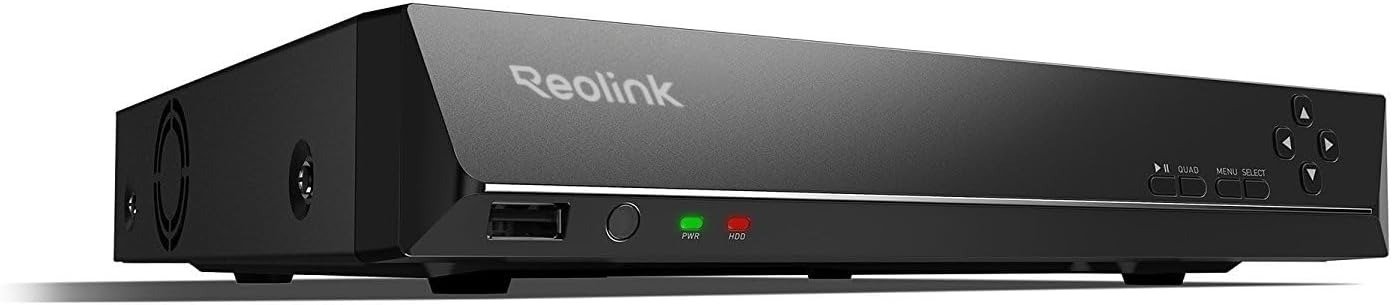
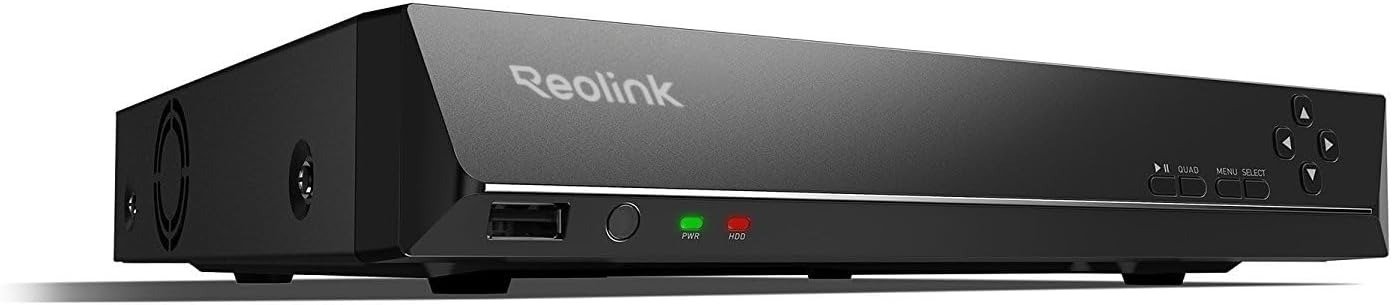
Reolink’s NVR-based kits are designed exactly around that local-first logic, with 24/7 recording, playback tools, app/client access, and expandable channel coverage.
Where Trust Usually Starts to Drift
The drift normally begins in one of three places. First, alert noise rises faster than the owner expected, especially when any-motion alerts are left active instead of person/vehicle filtering and detection zones being tuned properly.
Second, night footage remains usable for presence detection but becomes less comforting for identity-level confidence in difficult scenes.
Third, the owner assumed “expandable” meant universally flexible, while the actual system remains meaningfully tied to the brand’s own ecosystem and NVR version behavior. That pattern shows up both in Reolink’s official support material and in community discussions where experienced users keep advising people to rely on smart detection settings, firmware awareness, and the NVR rather than treating the system like a generic open platform.
Why Wired PoE Still Feels More Settled Than “Convenient” Security
The more I compare owner language around home security, the more obvious one thing becomes: convenience is attractive at purchase, but stability wins over time.
A PoE system gives each camera one cable for power and data, removes battery anxiety, supports continuous recording, and keeps the footage local. That combination changes the emotional texture of the system. It feels less like a gadget that reacts and more like infrastructure that stays on.
Reolink’s official product material leans heavily on exactly this advantage—plug-and-play PoE, local NVR recording, fixed storage, remote access, and no requirement that the core capture path depend on a subscription.
Community users describing multi-year NVR ownership often talk about that same quality in simpler words: it just keeps going.
The Real Decision Point Is a Threshold, Not a Feature Count
When I reduce the whole category to one model, the useful one is this: a security system stays trustworthy only while the effort required to verify an event remains lower than the anxiety created by uncertainty.
Once alert cleanup, playback friction, weak scene detail, or compatibility surprises push above that line, the system begins to feel noisy even if it is still technically solid.
That is why the best way to judge a kit is not by how many headline features it has, but by whether its operating threshold matches the home, the user, and the tolerance for tuning.
If you want to see how that threshold model applies to one of the most established local-first kits in this category, read the decision analysis here .
Transparency Note:
This analysis is not based on quick personal impressions.
It is derived from documented system behavior, verified user patterns, and the physical constraints of storage capacity.
The goal is to translate complex technical behavior into a realistic performance model that helps you make a clear decision

One Comment