Your Front Door Looks Covered Until the Battery Threshold Starts Showing
REOLINK BATTERY VIDEO DOORBELL
A front door can feel “handled” long before it is actually under control.
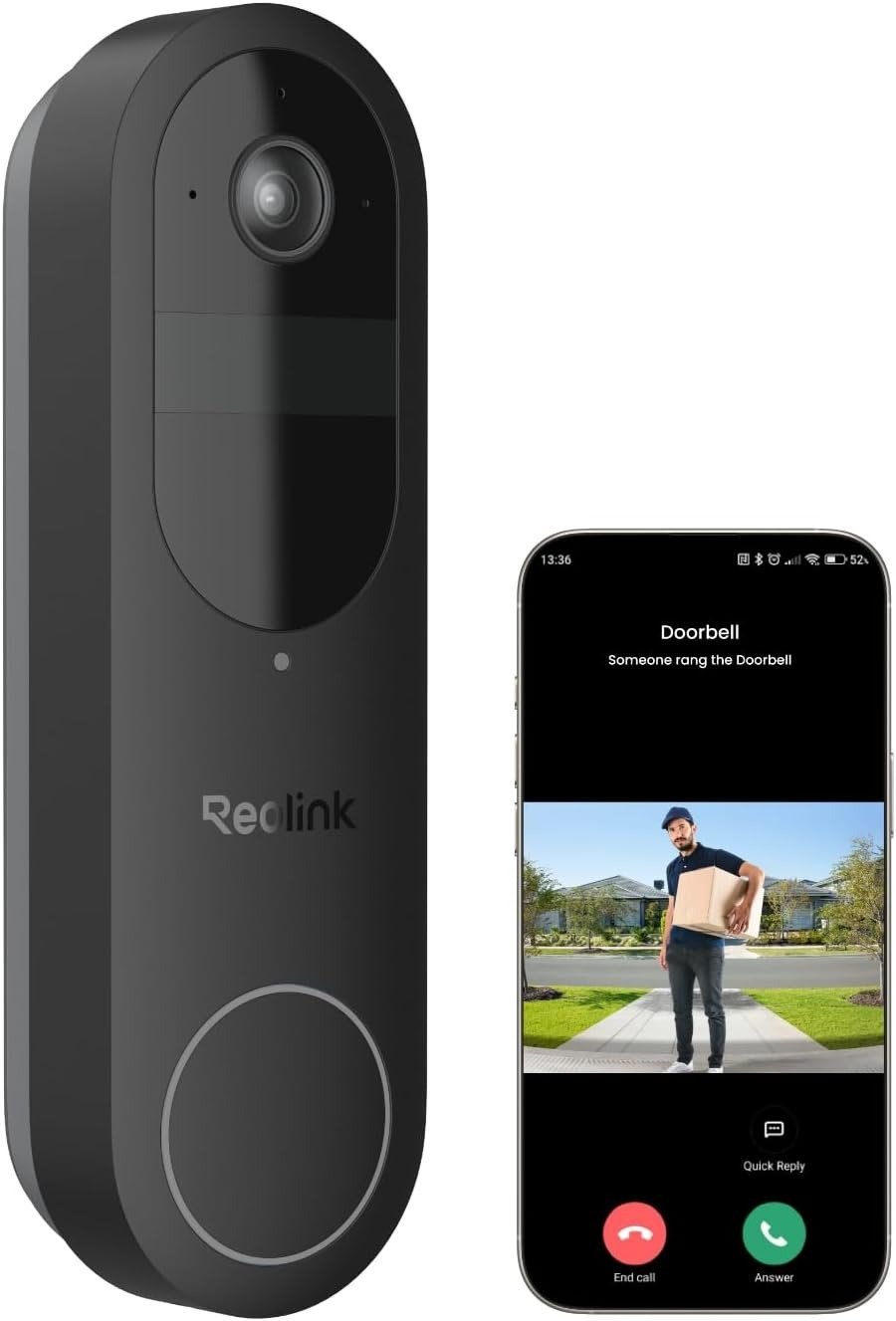
That is the first thing this doorbell forced me to correct. On paper, it looks like the clean answer: wire-free install, 2K image, a square head-to-toe frame, person and package detection, local storage, and no mandatory monthly fee. That combination is rare enough to pull attention immediately. But the real story is not whether it has the right features. It is the point where a battery doorbell stops feeling instant, stops feeling invisible, and starts asking something back from you.
The Result Looks Fine. The Problem Isn’t.
What makes this category tricky is that failure usually arrives politely.
You still get video. You still get alerts. You still see the porch. Nothing looks obviously broken. The problem shows up in smaller frictions: the app takes longer than you want, the live view is not as immediate as your nerves expect, battery life depends heavily on how noisy your entrance is, and the “easy” battery choice quietly becomes a device that wants tuning, not just installation. That pattern appears both in professional reviews and in owner feedback, which is why this is not really a doorbell problem. It is a threshold problem.
If your doorstep is calm, the product feels cleaner. If your entrance is busy, windy, backlit, or alert-heavy, the same product starts behaving like a system that needs management.
What You’re Actually Feeling but Not Naming
Most buyers do not say, “I am worried about latency under battery-saver behavior.”
They say something simpler.
I do not want to miss the moment.
I do not want porch alerts to become background noise.
I do not want to charge a doorbell often enough that I stop trusting it.
I do not want to discover after installation that my “smart home” idea was built on the wrong version of the product.
That cluster matters more than the headline spec. The discomfort here is not image quality first. It is intervention burden. The doorbell starts becoming a small routine instead of a silent layer of security. Once that happens, satisfaction drops even if the footage still looks good.
The Hidden Mechanism Behind the Miss
The overlooked variable is not the lens. It is the power model.
Battery doorbells preserve energy by sleeping aggressively and by recording on motion rather than offering full-time behavior. Reolink itself states that 24/7 continuous recording and continuous live streaming are not supported on this battery version. That design choice is rational. It is also the reason response behavior becomes the real decision metric. One review measured connection times of roughly five to ten seconds because the device is conserving power, while Reolink’s own battery-life estimate is based on light lab conditions rather than aggressive real-world traffic.
That is the uncomfortable truth most people skip: a battery video doorbell is not just a doorbell without wires. It is a doorbell with a different performance contract.
And that contract can still be excellent — but only inside the right boundary.
The Threshold Where the Outcome Quietly Breaks
The threshold is not “good versus bad.”
It is this:
When your front door requires immediacy more than it rewards convenience, a battery design starts giving up the wrong thing.
That is where the mood changes. Reolink gives you a 7,000mAh battery, dual-band Wi-Fi, HDR, IP65 weather resistance, a 1:1 head-to-toe frame, and local storage without forcing a subscription. Those are strong structural advantages. But reviewers and owners also report that real battery life can fall far below the “up to five months” claim once sensitivity is raised, motion zones are poorly tuned, or the entrance simply sees more activity than the lab assumes.
Here is the threshold in plain terms:
| Front-door condition | What happens to the experience |
|---|---|
| Low traffic, clean approach path | Battery design feels light and efficient |
| Moderate traffic with tuned zones | Still workable, but now depends on setup quality |
| Frequent events, urgent checking, heavy live-view use | Delay and charging friction become noticeable |
| Smart-home-first, direct integration expectations | This version starts becoming the wrong fit |
Why Most Buyers Misread This Too Early
Because they shop the image before they shop the operating rhythm.
And to be fair, the image is a strong part of the appeal. Reolink’s 1:1 head-to-toe format with a 150° × 150° × 180° field of view is exactly the kind of spec that fixes a real annoyance: parcels near the doorstep and visitors standing too close to the lens. HDR also helps with backlit entries, which is one of the most common front-door blind spots. Those are not cosmetic gains. They matter.
But buyers still misread the product because they compare it like a camera, not like a habit.
The lazy judgment goes like this:
2K? Good.
Package detection? Good.
No subscription? Very good.
Battery plus wired option? Even better.
What gets missed is that battery-powered convenience is buying you freedom from wiring by trading away part of the instant, always-ready feel people quietly expect from a front-door device. That is why some reviewers came away impressed with the value, while others fixated on slower app response and shorter-than-expected endurance. Both are describing the same product. They are just standing on different sides of the threshold.
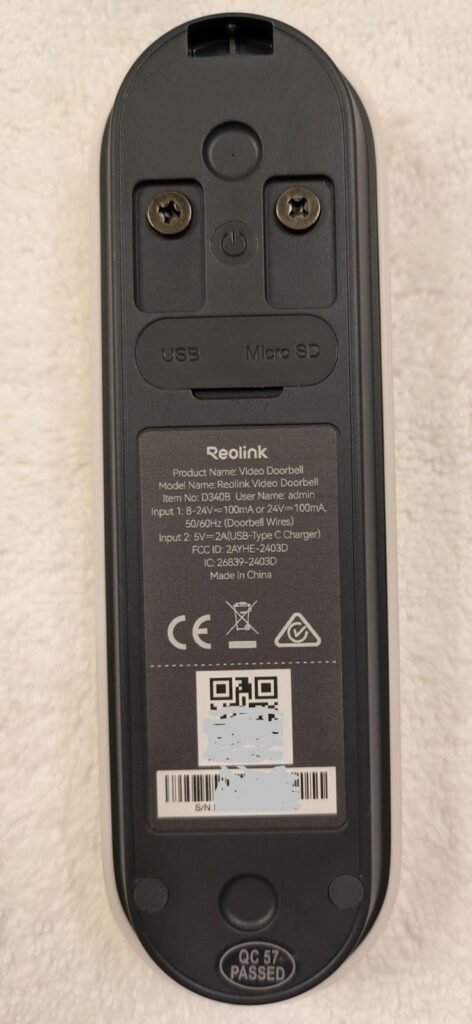
Who Is Actually Inside This Problem
This product becomes sensible for a very specific person.
| Need | Fit |
|---|---|
| You want local storage and hate mandatory subscriptions | Strong |
| You rent, cannot run new wiring, or want a fast install | Strong |
| You care about seeing both the visitor and the package area | Strong |
| You already live inside the Reolink ecosystem | Strong |
| You want clean Alexa / Google Assistant basics | Acceptable |
| You expect direct power-user smart-home behavior out of the box | Weak |
| You need instant live view every time, without compromise | Weak |
| You want to install it once and never manage charging logic | Weak |
This is not for the buyer whose real priority is endless convenience after installation.
This is not for the buyer who will obsessively open every alert.
This is not for the buyer who hears “battery” and still expects hardwired behavior.
But if your real problem is porch coverage, local storage, and escaping subscription lock-in without opening a wiring project, the logic changes fast.
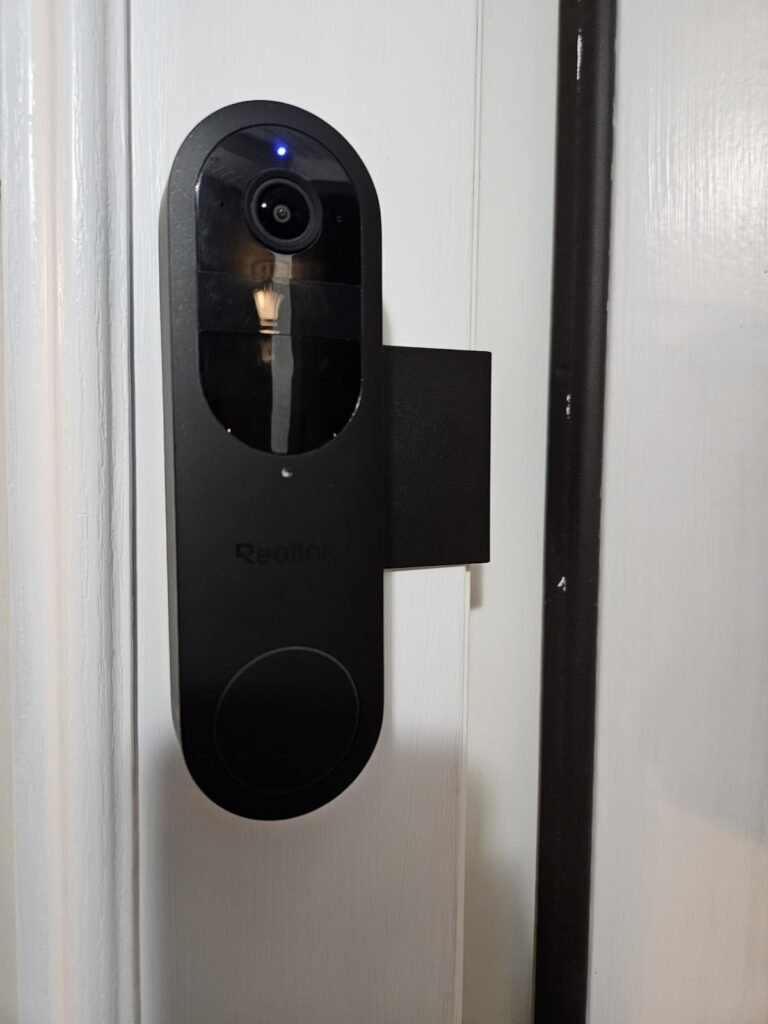
Where Wrong-Fit Begins
Wrong-fit starts the second the doorbell is expected to carry more urgency than its battery architecture was built for.
That includes four patterns:
| Wrong expectation | Why it turns into regret |
|---|---|
| “I’ll hardwire it later, so it should behave like the wired model now” | Battery model still follows a different operating logic |
| “I want deep Home Assistant freedom immediately” | Battery model support is more constrained and often hub-dependent in practice |
| “The five-month battery claim means I can forget about it” | That estimate is based on light lab triggers, not busy real entries |
| “If the image is good, the experience will be good” | Alert tuning, wake behavior, and connection feel decide satisfaction |
That third line is where many buyers get caught. The battery claim is not false in a vacuum. It is simply narrower than the average buyer imagines. Reolink’s own estimate is built around 20 triggers a day with 8-second recordings, while real reviewers reported anything from roughly 10–14 days under heavier settings to several weeks after tuning zones and sensitivity.
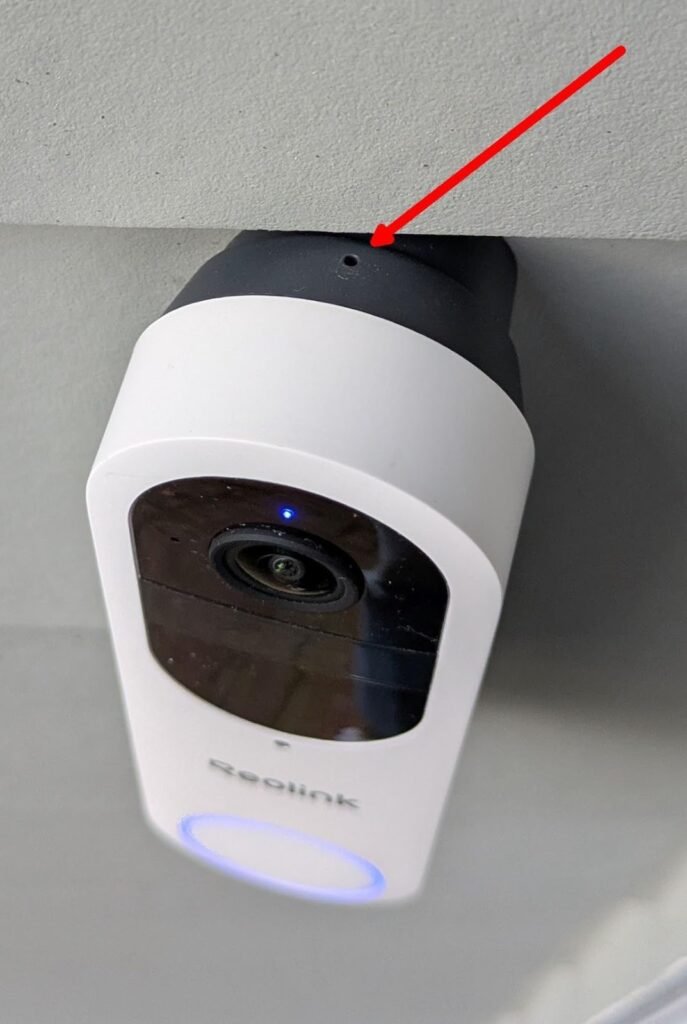
The One Situation Where This Product Becomes Logical
It becomes logical when your actual problem is front-door visibility without subscription drag, not front-door surveillance at any cost.
That is the sweet spot.
In that use case, this doorbell solves a genuinely annoying gap. The 1:1 view matters. HDR matters. Person, vehicle, and package detection matter. Local storage matters even more, because it removes the monthly-fee resentment that makes many doorbells feel like rented hardware. And the option to use battery or hardwire existing doorbell wiring gives you flexibility that many cheaper devices fake but do not really deliver.
This is the moment where the product earns authorization:
If your break point is “I need to see the whole doorstep, avoid subscription creep, and install fast without pretending I need enterprise automation,” this is a coherent answer.
What It Solves, What It Reduces, and What It Still Leaves to You
What it solves is not everything at the front door. It solves a narrower, more honest set of problems.
| Category | What this doorbell does well | What still stays on you |
|---|---|---|
| Porch visibility | Head-to-toe framing captures visitors and package area better than many conventional crops | You still need a clean mounting angle |
| Cost control | Local storage avoids mandatory recurring fees | You may still choose optional cloud features |
| Installation | Battery power removes the need for immediate wiring work | You still need stable Wi-Fi at the door |
| Detection | Person / vehicle / package recognition improves alert relevance | You still need to tune zones and sensitivity |
| Flexibility | Can be battery-powered or connected to existing wiring | It still does not become a full-time recorder |
The burden it reduces is subscription irritation, parcel-angle blind spots, and install resistance.
The burden it leaves with you is maintenance discipline. You still have to think about charging intervals, Wi-Fi quality, motion tuning, and whether your expectations are really “wire-free practical” or secretly “wired immediate.” That distinction decides whether this feels smart or merely acceptable.
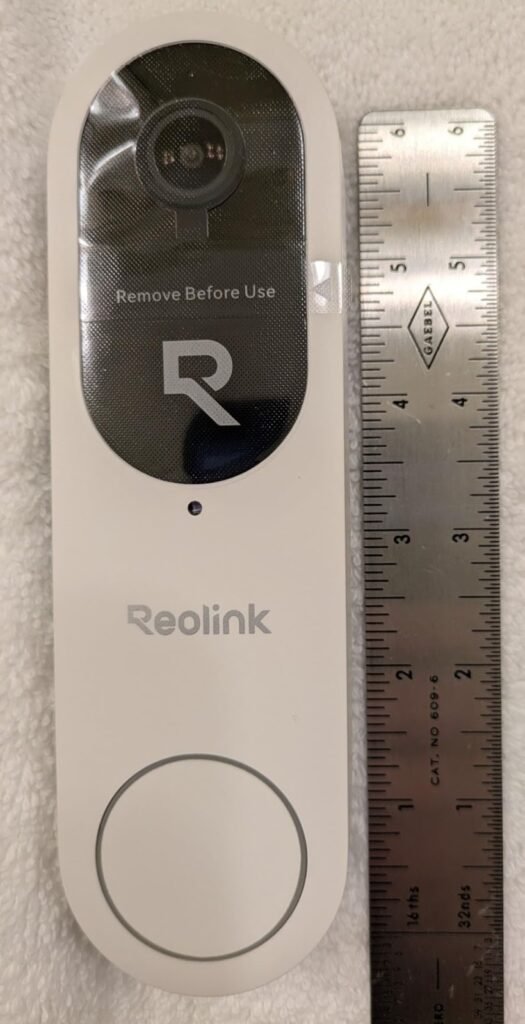
Final Compression
What I trust here is not the fantasy version of the product. It is the narrower version.
The Reolink Battery Video Doorbell is not the universal front-door answer. It is a strong answer for the buyer who wants head-to-toe porch coverage, local recording, subscription resistance, and flexible installation — and who understands that battery architecture changes the speed, rhythm, and maintenance profile of the experience.
That is the whole correction.
If your real frustration is not seeing enough of the doorstep and not wanting to pay forever just to keep your own door usable, this device makes sense.
If your real frustration is delay, heavy traffic, always-on expectations, or direct smart-home tinkering, this is where the fit starts breaking.
If this is the condition you are actually dealing with, this is the logical next step.
Transparency Note:
This analysis is not based on quick personal impressions.
It is derived from documented system behavior, verified user patterns, and the physical constraints of storage capacity.
The goal is to translate complex technical behavior into a realistic performance model that helps you make a clear decision.