Moen TS3302BL Review: The Relief Is Real, but So Is the Commitment
DECISION ANALYSIS
I would not buy this system just because it looks advanced . I would buy it only after getting tired of the same low-grade annoyance repeating often enough to become part of the day.
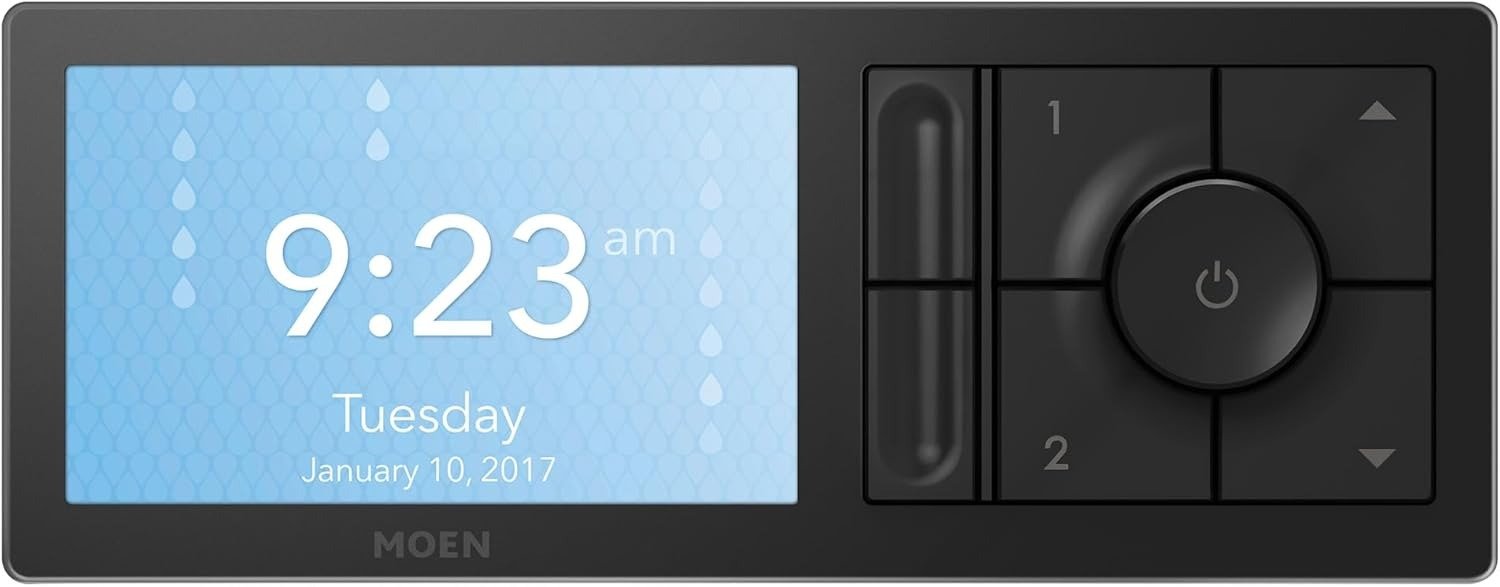
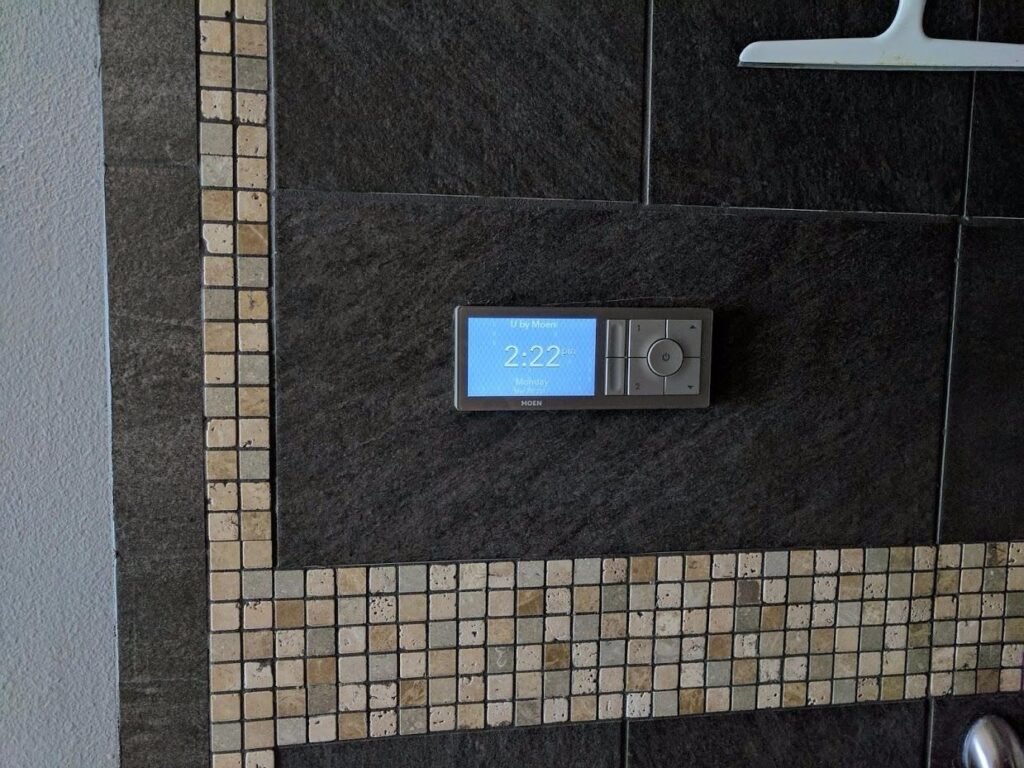
That is the right place to start, because the Moen TS3302BL is easy to misunderstand. On the surface, it looks like a sleek digital controller for a more impressive shower. In practice, it is a control layer that only earns its price when the old manual routine has already become a burden. The controller supports voice, phone, and in-shower control, works with presets, and is designed to pair with Moen’s separate S3102 digital valve. That means the promise here is repeatability, not decoration.
What I Think You Are Actually Paying For
Not smarter water. Less negotiation before the water feels right.
That distinction is everything. I have seen too many high-tech home products die because their benefits were theatrical rather than operational. This one is stronger than that when the fit is right. Precise temperature control, remote activation, and preset recall are not random feature inflation here. They are all aimed at one outcome: removing the small repetitive decisions that happen before the shower becomes usable. Official product materials describe exact temperature control, preset options, voice control, and remote activation with warm-up-and-pause, which is a tightly aligned feature stack rather than a pile of disconnected tricks.
The Uncomfortable Truth About the Fit
The strongest buyers are not the most excited buyers. They are the most annoyed buyers.
That is the part most comparison-style content ruins. It treats everyone as if they are shopping for the same thing. They are not. Some people want a better shower. Some want a better routine. This product is much better at fixing the second one.
Here is the cleaner split.
| Need pattern | Fit | Why |
|---|---|---|
| Different people in the house want different temperatures and hate resetting controls | Strong | Presets and digital recall reduce repeated manual correction |
| You want the shower ready before stepping in | Strong | Remote start and warm-up behavior directly target that friction |
| You are remodeling and can plan for power, valve, and controller placement | Strong | The system works best when designed in, not forced in later |
| You hate troubleshooting apps, Wi-Fi quirks, or smart-home pairing | Weak | The digital layer can become the new source of irritation |
| You just want a stylish upgrade with less complexity | Wrong fit | The category cost and commitment overshoot the problem |
The Thing That Looks Small but Decides Everything
The real buying question is not “Do I want smart shower features?”
It is “Do I want to live with a digitally managed shower system?”
That difference sounds semantic until installation day. The TS3302BL requires the companion valve rather than acting as a simple cosmetic upgrade. Product listings and official descriptions make that explicit. This is closer to adopting a platform than swapping a trim kit.
This is why some owners feel relief and others feel regret. They bought different stories. One bought reduced routine friction. The other bought the idea of “smart” without fully pricing the dependency that came with it.
What the Best Feedback Actually Tells Me
The strongest praise is remarkably practical.
Retailer review summaries emphasize stable temperature and the convenience of phone or voice start. That is not the language of novelty. It is the language of people who are tired of the old routine and want the shower ready before they arrive at it.
That matters because it confirms the product’s best-case scenario. This system shines when it fades into the background and simply restores the same shower state with less interference.
What the Harshest Feedback Actually Tells Me
The harshest criticism is also practical.
The weak point is not that water suddenly stops feeling good. The weak point is that software, network behavior, or setup friction can erode the peace the product was supposed to create. Public app reviews and community complaints show exactly that pattern. When this system disappoints, it often disappoints by asking for the sort of attention a shower should never ask for.
That is the counter-intuitive truth professionals often underplay: with products like this, the feature does not fail first. The surrounding routine does.
The Cost-of-Strength Trade-Off
You gain repeatable control, but you trade off simplicity.
You gain precision, remote start, preset recall, and a system built to reduce daily intervention. But you also accept a separate valve requirement, smart-home style dependencies, and a price that only makes sense when the friction is already real. Moen’s current official pricing puts the controller at roughly $521 on the Moen store, before the required valve and before labor.
That is not a flaw in the product. It is the price of its philosophy.
My Rule for Deciding in Under a Minute
Use this:
If you are trying to remove repeated routine irritation, this system becomes rational.
If you are trying to create a more exciting bathroom, it becomes fragile value.
That is the cleanest decision algorithm I can pull from the evidence and the pattern of owner reactions.
Final Fit Verdict
This is a strong fit if your shower has become a recurring management task.
It is a weak fit if you love the idea of smart control but hate smart-system maintenance.
It is the wrong fit if your current shower already feels predictable enough and you are mainly shopping for a more impressive interface.
If your real goal is to stop managing the shower and start using it, this is the point where checking the full system details becomes the logical move.
And if this fit looks right, the missing piece is no longer the controller. It is whether your shower layout, outlet plan, and daily routine can support the system without turning convenience into a new kind of maintenance.
Transparency Note:
This analysis is not based on quick personal impressions.
It is derived from documented system behavior, verified user patterns, and the physical constraints of storage capacity.
The goal is to translate complex technical behavior into a realistic performance model that helps you make a clear decision