The Problem Starts Before the Water Even Feels Right
ANALYSIS FRAMEWORK
You reach in with your hand. Pull back . Turn the handle a little. Wait. Test again. The water swings hotter than expected, then colder than you wanted, and by the third adjustment the shower already feels like work.
That is the part most people ignore because it looks too small to matter. It does matter. Tiny friction repeated every morning becomes the kind of irritation that drains patience before the day even starts.
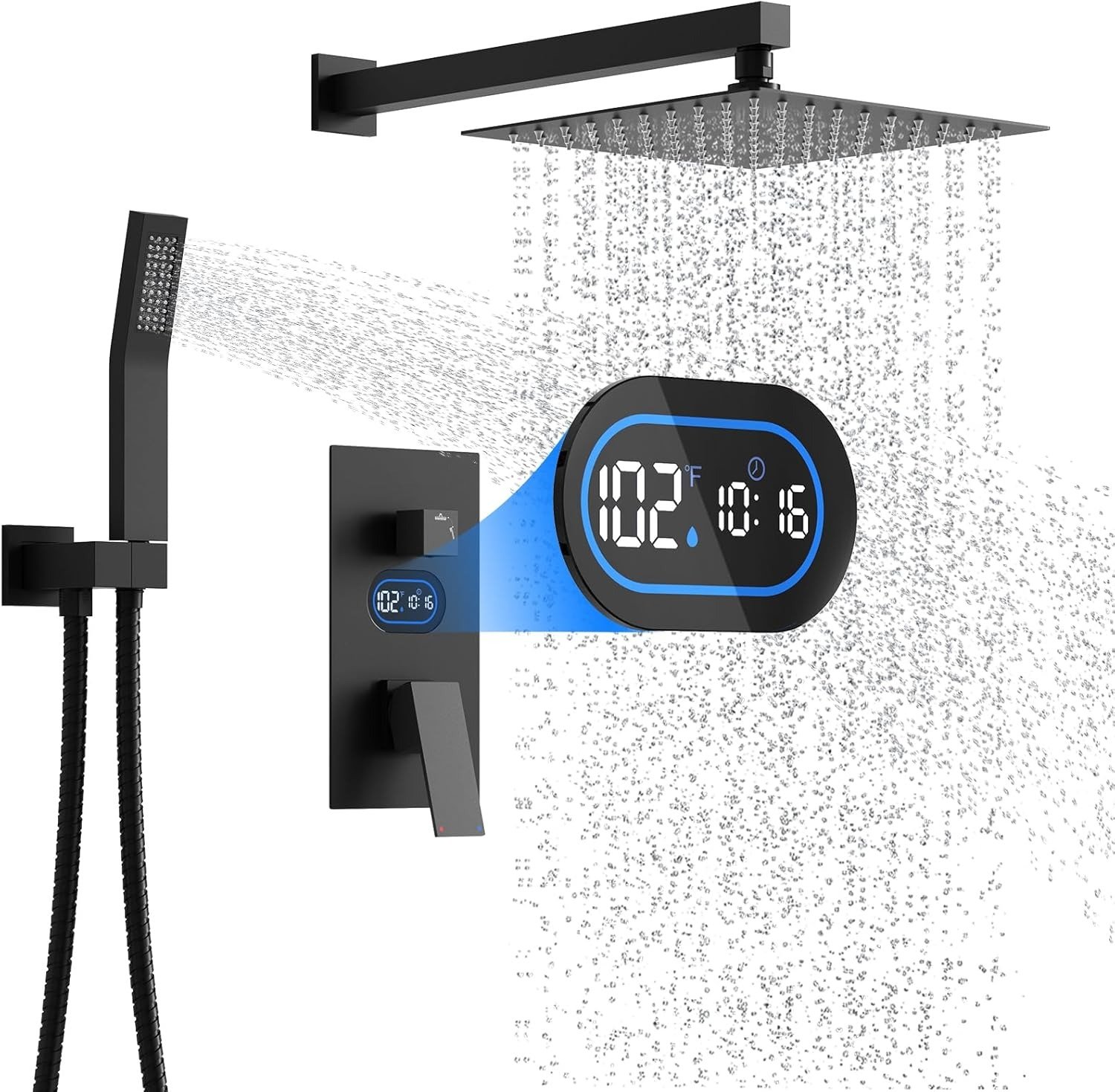
What caught my attention with this Longriver system was not the black finish or the rain head. It was the one detail that targets that exact irritation: a hydro-powered temperature display that shows the water temperature in real time without batteries, paired with a pressure-balance valve meant to reduce sudden swings from pressure changes elsewhere in the house.
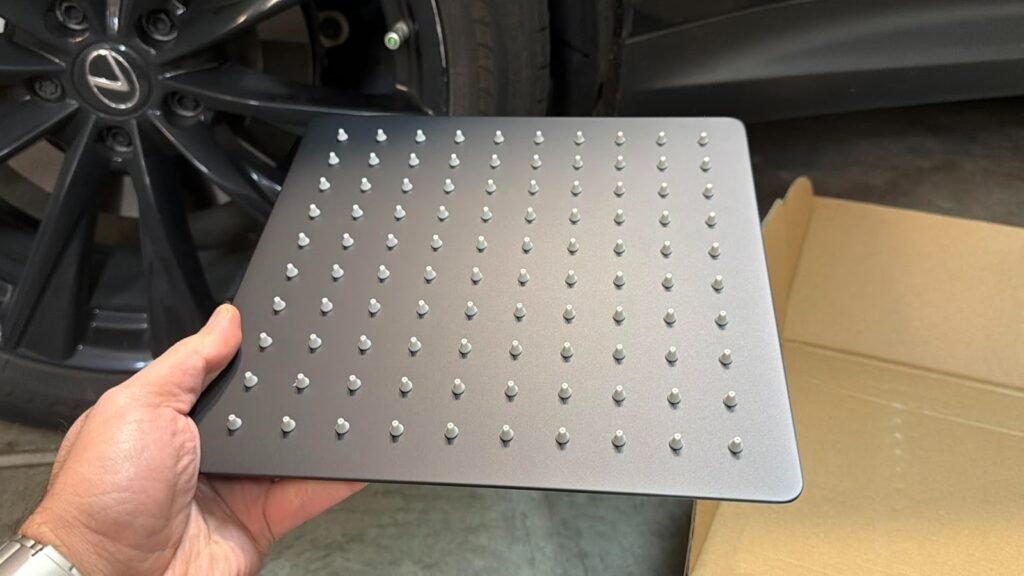
The listed setup includes a 10-inch rain head, handheld spray, all-metal valve/trim kit, and a 1.75 GPM flow rate.
The Small Secret Most Buyers Miss
The surprising part is this: the display is not the real product advantage. It is only the visible part of the advantage. The deeper value is the pairing between visibility and stability.
A display alone can only tell you that the water is wrong. A pressure-balance valve helps stop the routine from drifting in the first place. That is the uncomfortable truth in this category. Many people buy shower systems for the head shape, finish, or “spa” language, then end up living with the same old temperature-check ritual because the plumbing logic underneath never changed.
Longriver’s listing explicitly centers the hydropower temperature display and pressure-balance valve together, and that pairing is the only reason this product becomes more than decorative hardware.
When the Display Stops Being a Gimmick
A temperature display becomes useful at a very specific threshold: when your shower routine contains repeated uncertainty.
Shared bathrooms. Kids. Older users. Homes where someone flushes a toilet and the shower mood changes instantly. Mornings when you do not want to “feel out” the water like you are solving a puzzle before coffee.
That is the point where the feature stops looking flashy and starts acting like relief. I do not mean luxury relief. I mean mental relief. One less thing to monitor. One less tiny annoyance asking for attention.
Longriver says the display reflects the current water temperature within 0.25 seconds and runs from hydropower rather than batteries, which fits that logic of removing one more maintenance task from the routine.
The Counter-Intuitive Truth About This Category
The real failure in many shower upgrades is not weak spray. It is misjudged commitment. Buyers think they are replacing visible hardware when they are actually choosing an in-wall system decision.
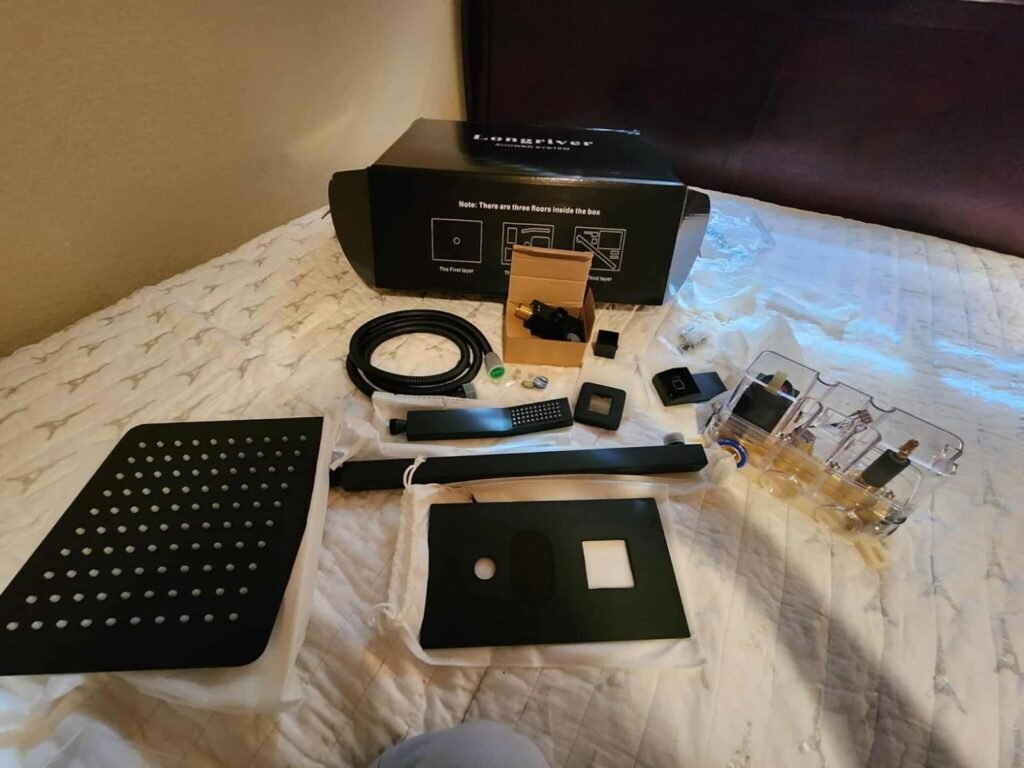
Longriver states that valves and trims from other brands do not match this system and that the old valve body should be removed before fitting it. That one line tells you more than half the listing. This is not a casual weekend head swap. It is a proper fixture change.
That is also why appearance-heavy reviews often miss the point. The most important question is not “Does it look premium?” The real question is “Does the routine improvement justify the install commitment?”
If the answer is no, even a beautiful system becomes expensive friction. If the answer is yes, the value starts making sense fast.
What I Trust, What I Filter Out
I trust the structural logic here more than the marketing percentages.
Brass valve body, 304 stainless steel components, metal handle, rain head plus handheld, hydropower display, pressure-balance valve, no batteries required, and a published 1.75 GPM flow rate — those are concrete signals. Claims like “200% pressure increase” or dramatic water-saving language are the kind of seller-side numbers I do not treat as settled without independent testing.
The product’s rating snapshots around 4.5/5 with roughly 83 ratings and a first-available date of December 10, 2024, tell me it has gained early marketplace traction, but not the kind of long-term category proof that a legacy plumbing brand carries. That does not kill the product. It just defines the boundary honestly.
What People Are Really Responding To
The pattern in marketplace feedback is not hard to decode. People like this type of system when three things happen at once: the bathroom looks sharper, the shower feels fuller than expected, and the display solves a practical annoyance they did not realize had been bothering them.
That last one is the memory imprint. Most fixtures do not get remembered because they have a spec sheet. They get remembered because they remove a repeated irritation so quietly that the absence becomes noticeable.
That is why products like this can feel stronger in daily life than they do on paper. The visual temperature readout is simple, but simple is exactly why it sticks.
The Gold Rule I Took From This Product
If you need a quick rule, use this one: a shower system becomes worth the upgrade when it removes repeated attention, not when it merely adds visible features.
That is the “aha” moment here. The rain head changes the surface experience. The handheld changes flexibility. The pressure-balance valve changes stability. The temperature display changes hesitation.
Once I framed it that way, the product stopped looking like a fancy panel and started reading like a routine-control tool.
Fit Table
| Need | Fit |
|---|---|
| Visual temperature awareness | Strong |
| Less guesswork before stepping in | Strong |
| Shared family bathroom use | Strong |
| Easy trim-only swap | Weak |
| App control or voice commands | Weak |
| Premium legacy-brand support network | Borderline |
| Clean modern black aesthetic | Strong |
| Simple low-cost showerhead upgrade | Poor |
Who This Is Really For
This is not for someone chasing the most advanced “smart shower” language. It is not for someone who wants remote start, app presets, or a broad service ecosystem from a brand with decades of installer familiarity.
It is for someone dealing with repeated water-checking friction and wanting the routine to feel cleaner, faster, and more controlled without going all the way into full digital shower complexity.
If your problem is visual uncertainty and repetitive adjustment, this system starts to look rational. If your problem is only style, the commitment is harder to justify.
Quiet Transition
The visible display is only half the story. The harder question is whether the whole system is the right fit once installation burden, brand depth, boundary lines, and long-term logic enter the picture.
That is where the real decision starts.
Transparency Note:
This analysis is not based on quick personal impressions.
It is derived from documented system behavior, verified user patterns, and the physical constraints of storage capacity.
The goal is to translate complex technical behavior into a realistic performance model that helps you make a clear decision