LiDAR Self-Empty Robot Vacuums: What Really Decides Real Results
ANALYSIS FRAMEWORK
Opening Context Section — Why This Category Feels “Solved,” Yet Still Fails in Homes
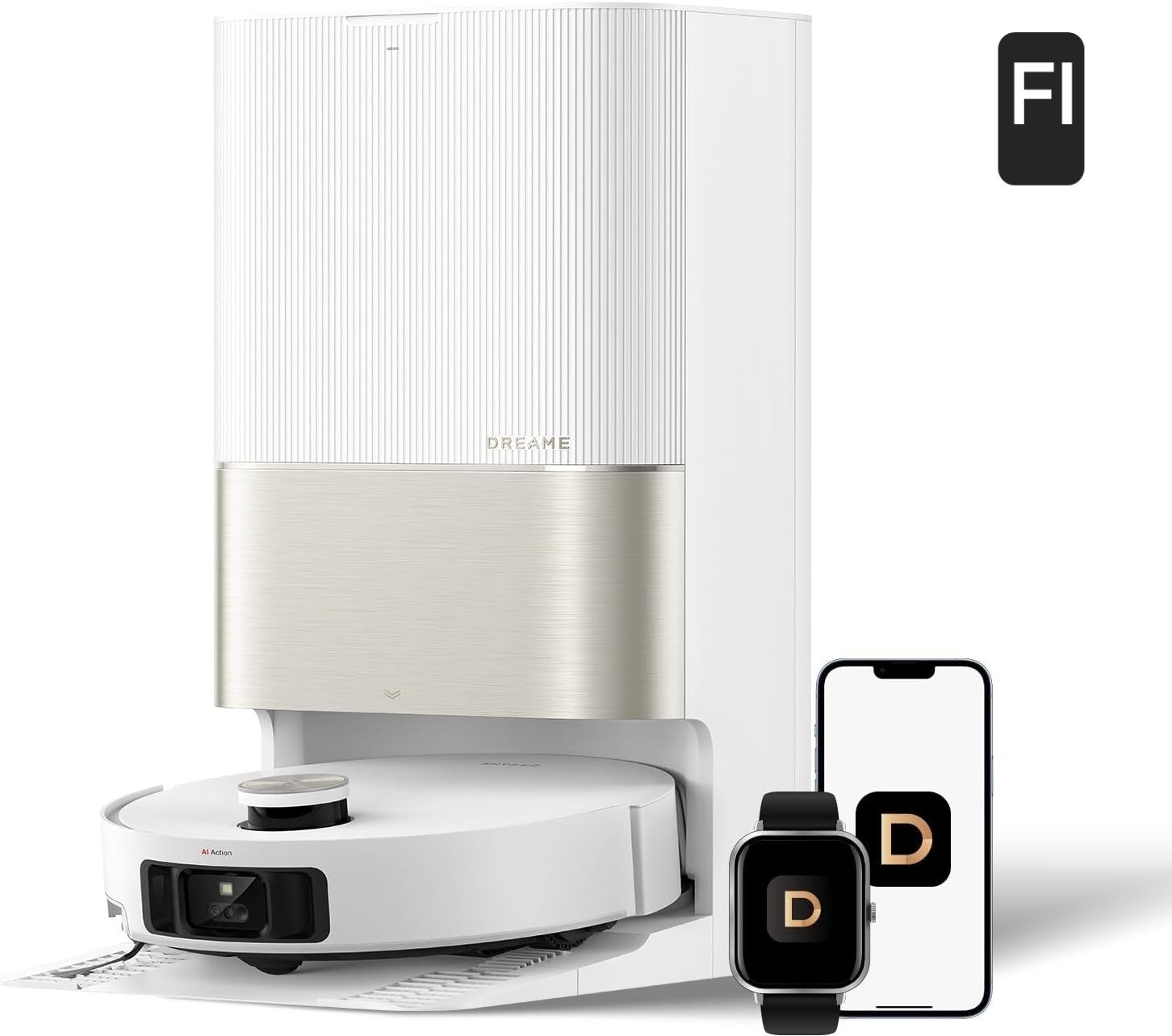
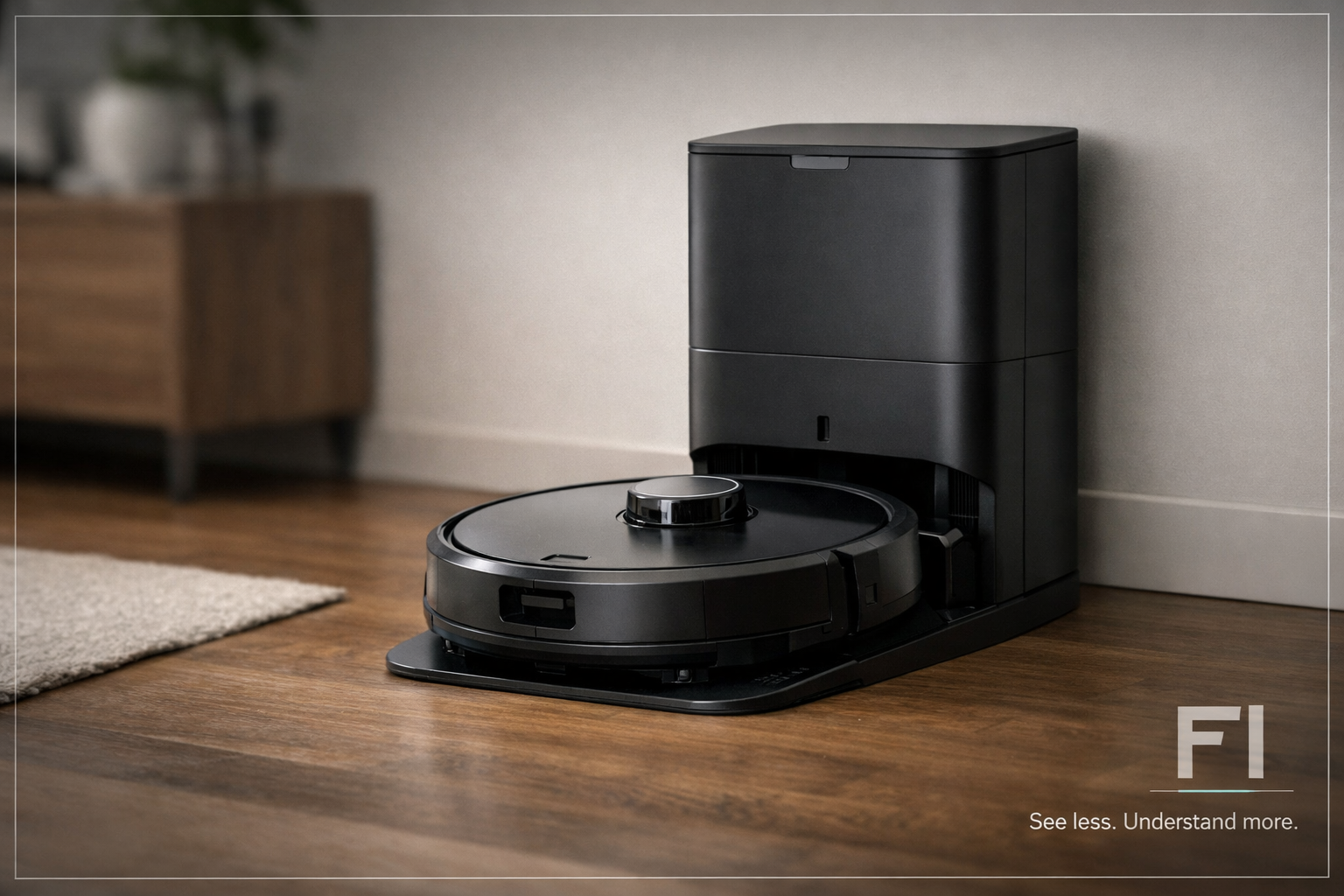
If you’re looking at a LiDAR robot vacuum with a self-empty station (like the uninell UR3 class) , you’re not buying “a vacuum.” You’re buying a reduction in daily friction: fewer reminders, fewer interruptions, and less mental effort just to keep floors respectable.
Here’s the problem: most people think success is decided by one spec (usually suction). But in real use, satisfaction is decided by whether the robot becomes invisible infrastructure or a high-maintenance gadget.
When reviewers love these robots, it’s usually because they feel:
- “I stopped thinking about vacuuming.”
When reviewers hate them, it’s usually because they feel:
- “I now babysit a machine.”
This article explains the structural factors that determine which side you end up on.
Core Structural Explanation Section — The 5 Mechanisms That Determine Outcomes
1) Mapping accuracy is not a feature; it’s stability over time
LiDAR mapping can be fast, but the real question is: Does the map stay stable across days, furniture shifts, and multiple rooms?
Stable mapping means:
- fewer missed zones
- fewer repeats
- fewer “random” paths
- better predictability
UR3-class robots often advertise multi-floor maps and no-go zones (commonly up to 5 maps in this segment), which matters because it reduces uncertainty in multi-level homes.
2) “5000Pa vs 7000Pa” is not the real battle
You may see suction claims vary depending on the listing source (some pages mention 5000Pa, others higher numbers). Treat this as marketing variability, not the core truth.
Pickup performance is driven more by:
- airflow path + sealing
- brush-to-floor contact
- edge cleaning geometry
- carpet boost behavior (and whether it actually triggers correctly)
In plain terms: A well-designed 5000Pa robot can outperform a poorly designed “7000Pa” robot.
3) The self-empty dock is the true product you live with
A self-empty robot is only “hands-free” if the dock works reliably. In this product class, a bagged dock around 3.5L is common, which tends to help with dust containment and odor control.
In real-world psychology, the dock decides whether you feel:
- relief (automation)
or - annoyance (clogs, smell, noise, dust leaks)
So your real evaluation must focus on:
- clog resistance (pet hair + fine dust)
- sealing quality (dust escape)
- noise at emptying time
- bag replacement cadence (realistic for your home)
4) Anti-tangle is not a slogan; it’s engineering
In homes with pets or long hair, the failure mode isn’t “weak suction.” It’s hair wrapping.
A “tangle-free” claim only matters if the roller geometry and end-caps reduce wrapping, and if the dock emptying actually clears the bin pathway effectively.
This is why reviews split hard:
- If hair maintenance is low, people rate high.
- If hair maintenance becomes routine, they rate low even if cleaning is decent.
5) Mopping is usually “daily wipe management,” not deep cleaning
Most vacuum/mop combos at this level use a fixed pad approach. That’s good for:
- dust film
- light footprints
- daily freshness
It is not designed for:
- stuck grime
- heavy kitchen residue
- “manual mop replacement”
Your expectation must match the tool: a fixed-pad robot mop is a maintenance layer, not a deep-clean system.
Hidden Technical Factors Section — The Quiet Variables That Decide Review Polarity
Obstacle handling is often misunderstood
Many products use broad “obstacle avoidance” wording, but the reality can range from basic bump/cliff sensors to true object recognition.
If a robot lacks true object recognition, homes with:
- cables
- toys
- socks
- clutter
will experience more stops, tangles, and rescues.
This single factor can flip a review from “amazing” to “unusable,” even when suction and mapping are fine.
2.4 GHz Wi-Fi can create first-week setup friction
This category often requires 2.4 GHz Wi-Fi. That sounds minor, but it’s one of the biggest emotional triggers in user ratings: setup pain becomes product doubt.
When setup is smooth, users forgive limitations. When setup is frustrating, users become hyper-critical of everything else.
Battery/runtime claims must be read as “best-case,” not “your home”
A long runtime (often advertised up to ~180 minutes in this segment) is valuable, but real runtime depends on:
- suction level
- carpets vs hard floors
- room density and obstacles
- how often it returns to dock or repositions
Still, longer runtime correlates strongly with one thing users love: finishing the job without interruptions.
Market Reality Section — What People Actually Praise and What They Punish
In this category, user feedback tends to converge into predictable clusters:
What people consistently praise:
- “It keeps my floors consistently clean.”
- “Daily pet hair is under control.”
- “I can set zones and stop thinking.”
- “The dock reduces my involvement.”
What people consistently punish:
- getting stuck or confused
- tangled hair maintenance
- mop disappointment (expecting scrubbing)
- dock clogs / loud emptying / dust smell
- app connectivity issues
Notice the pattern: ratings are not mainly about specs. Ratings are about trust.
A robot vacuum becomes valuable when it creates:
predictability + low maintenance + silent consistency
Decision Transition Section — The Only Question You Must Answer Before Choosing
Before you decide on a UR3-class LiDAR self-empty robot vacuum, ask one question:
Will this become a stable system in my home—without babysitting, frequent rescues, or weekly maintenance rituals?
That question needs a structured evaluation that translates specs into real-world outcomes (dock behavior, anti-tangle reality, mapping stability, obstacle expectations, and mop realism).