When a Smart Toilet Starts Feeling Useful Instead of Showy
ANALYSIS FRAMEWORK
I kept coming back to the same question while studying modern smart toilets: at what point does a bathroom upgrade stop behaving like a showroom trick and start making daily life meaningfully easier? The answer turned out to be less glamorous than most product pages suggest. It is not the ambient light. It is not the auto lid. It is not even the heated seat on its own. The real dividing line is whether the toilet reduces routine friction across repeated use — not once, but every morning, every late-night visit, every rushed workday, and every week when the novelty has already worn off.
The Threshold That Actually Matters
The governing model here is simple: Threshold. A smart toilet crosses the threshold when it starts removing enough small recurring annoyances that the bathroom routine feels lighter, cleaner, and more stable over time.
In broader smart-toilet testing, that is exactly why the category has become more mainstream: reviewers and testers repeatedly come back to the same cluster of benefits — better cleansing, easier cleaning, auto-flush convenience, and less reliance on toilet paper — while also noting that these units can take more space and still need real-world installation consideration.
Good Housekeeping’s home testers described smart toilets as easier to clean than a regular toilet, while also noting the larger footprint; Business Insider’s bidet testing likewise emphasized that what matters long-term is warm water consistency, intuitive use, drying quality, and whether the seat actually fits daily life instead of just looking advanced.
What Usually Fails Before the Smart Toilet Threshold
Most people do not regret buying “too many features.” They regret buying a feature stack that does not translate into smoother repetition.
A smart toilet stays below the threshold when one or more of these breaks first: the flush feels unreliable in a real home, the wash settings are annoying to adjust, the dryer is too weak to matter, the installation turns out to be more demanding than expected, the seat height is wrong for the household, or the warranty and support picture starts to feel thin for an electrical fixture that now sits at the center of a plumbing routine.
That matters because even very good bidet products in broader testing still get judged on practical tradeoffs like fit, pressure, remote usability, and warranty length — not just on luxury language.
The Hidden Variable Is Not Comfort. It Is Friction Density.
The hidden variable I would use to read this category is Routine Friction Load. That means the total number of small actions the user must still carry manually: opening the lid, settling onto a cold seat, compensating for weak water pressure, brushing the bowl more often than expected, flushing twice, keeping nighttime use comfortable, and deciding whether the drying cycle is worth waiting for.
The more of that invisible workload the toilet absorbs, the more useful it becomes. The less it absorbs, the more the product remains expensive theater.
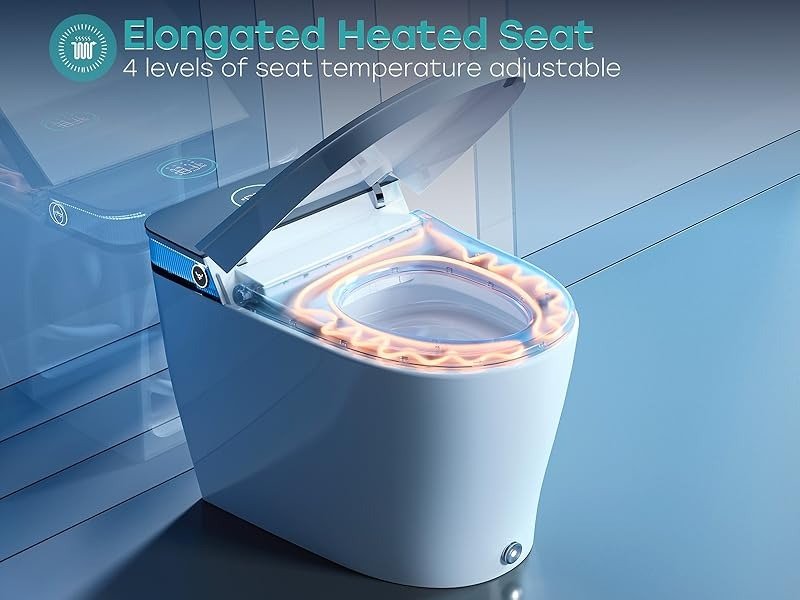
That is why features such as pre-wetting, adjustable warm water, a heated seat, deodorization, auto-flush, and pressure-stable flushing matter only when they work as a system rather than as isolated bullet points.
What I Watch for Before I Trust a Smart Toilet
I do not trust this category because a seller says “luxury.” I trust it when I can map a clean chain from mechanism to daily effect:
| What I watch | Why it matters |
|---|---|
| Stable flush behavior | A smart toilet fails fast if the core toilet part feels weaker than a normal toilet |
| Warm-water consistency | A bidet feature that fluctuates does not become routine |
| Cleaning support | Pre-wet, self-cleaning nozzle, and deodorization reduce repeat maintenance |
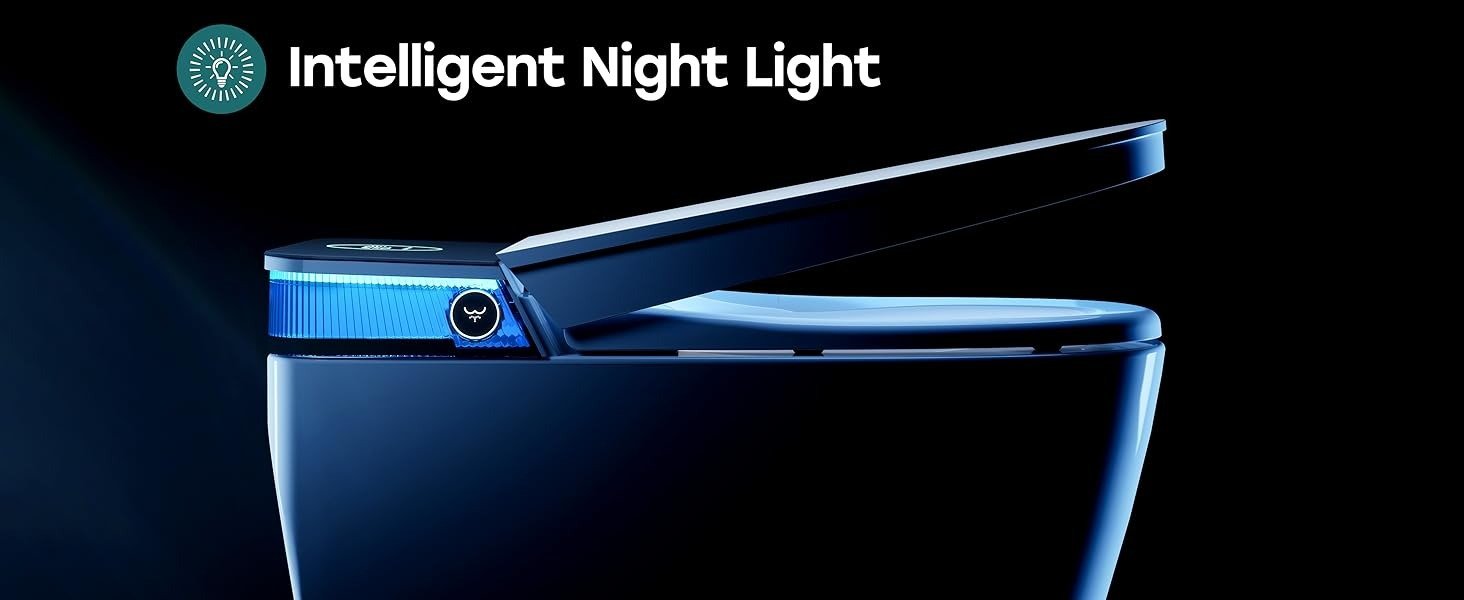
| Behavioral convenience | Auto lid, night light, remote logic, and auto-flush matter only if they lower effort |
| Household fit | Height, footprint, outlet access, and rough-in decide whether the product belongs in the room |
That chain is why the strongest units in the category are not just “feature-rich.” They are behaviorally coherent.
Good Housekeeping’s top tested smart toilets were praised for exactly that kind of integration — cleansing control, pre-rinsing, easier cleaning, and hands-free use — while practical limitations such as footprint and seat height still remained part of the judgment.
Where the Real Decision Begins
So the right question is not, “Does this smart toilet have enough features?” The better question is, “Has it crossed the point where the bathroom routine becomes measurably easier, cleaner, and less interruptive?”
That is the only threshold that matters, because once a toilet crosses it, the product stops performing for the eye and starts performing for the rhythm of the house.
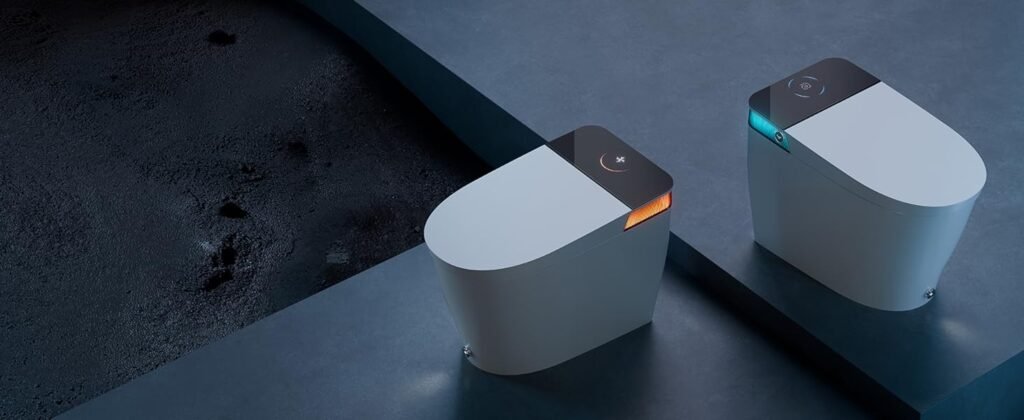
The exact model I would test against that threshold here is the HOROW T38, because on paper it combines the features that should matter most — built-in tank and pump-assisted flushing, instant warm water, adjustable seat and dryer settings, auto open/close, pre-wet, deodorization, UV sterilization, and a single-flush 1.06 GPF design in a sub-$1,000 class where mainstream smart toilets are now competing much more aggressively than they were a few years ago.
Whether that actually adds up to a stable decision is the next step.
Transparency Note:
This analysis is not based on quick personal impressions.
It is derived from documented system behavior, verified user patterns, and the physical constraints of storage capacity.
The goal is to translate complex technical behavior into a realistic performance model that helps you make a clear decision