When “Pro Features” Don’t Guarantee Stable Espresso at Home
ANALYSIS FRAMEWORK
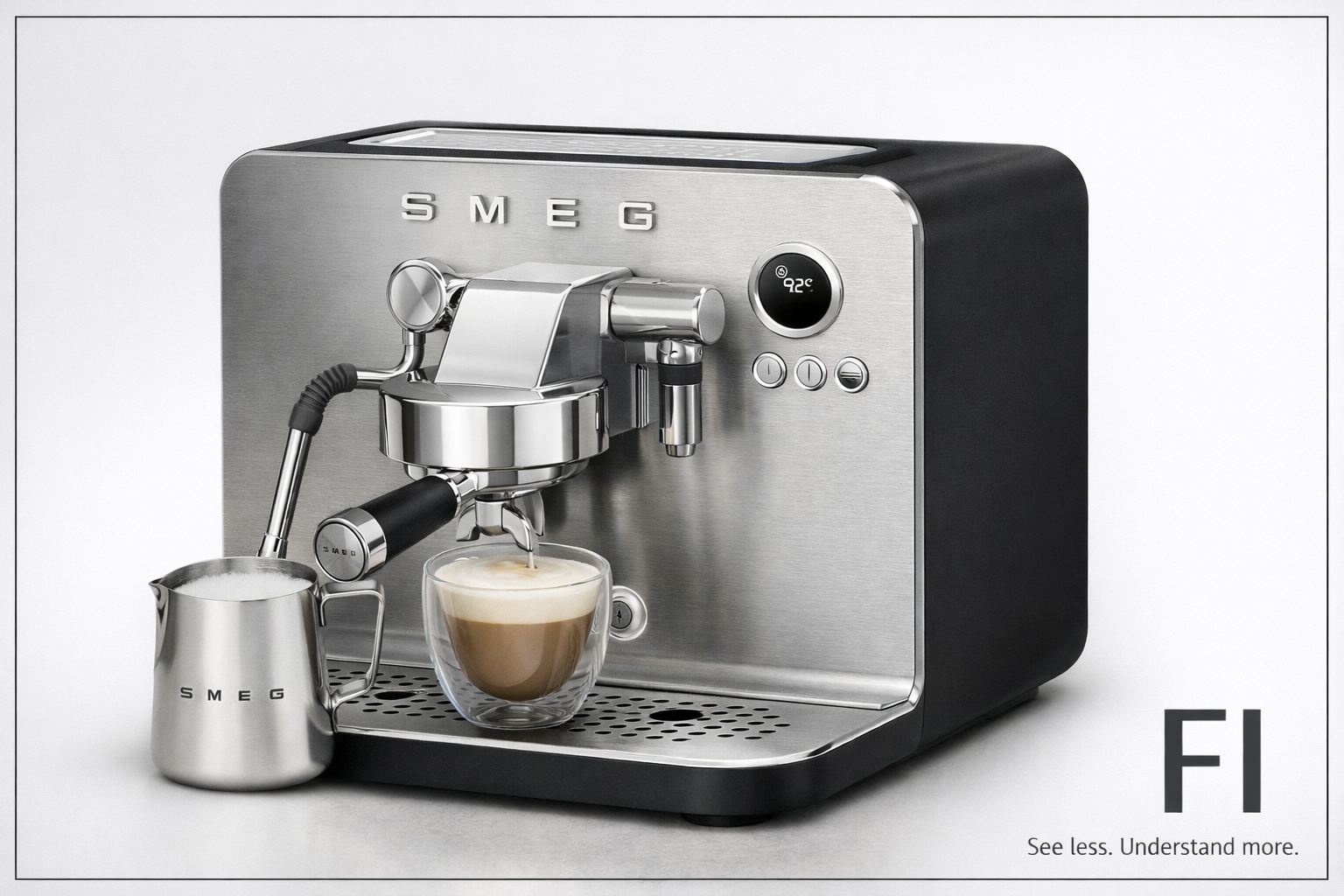
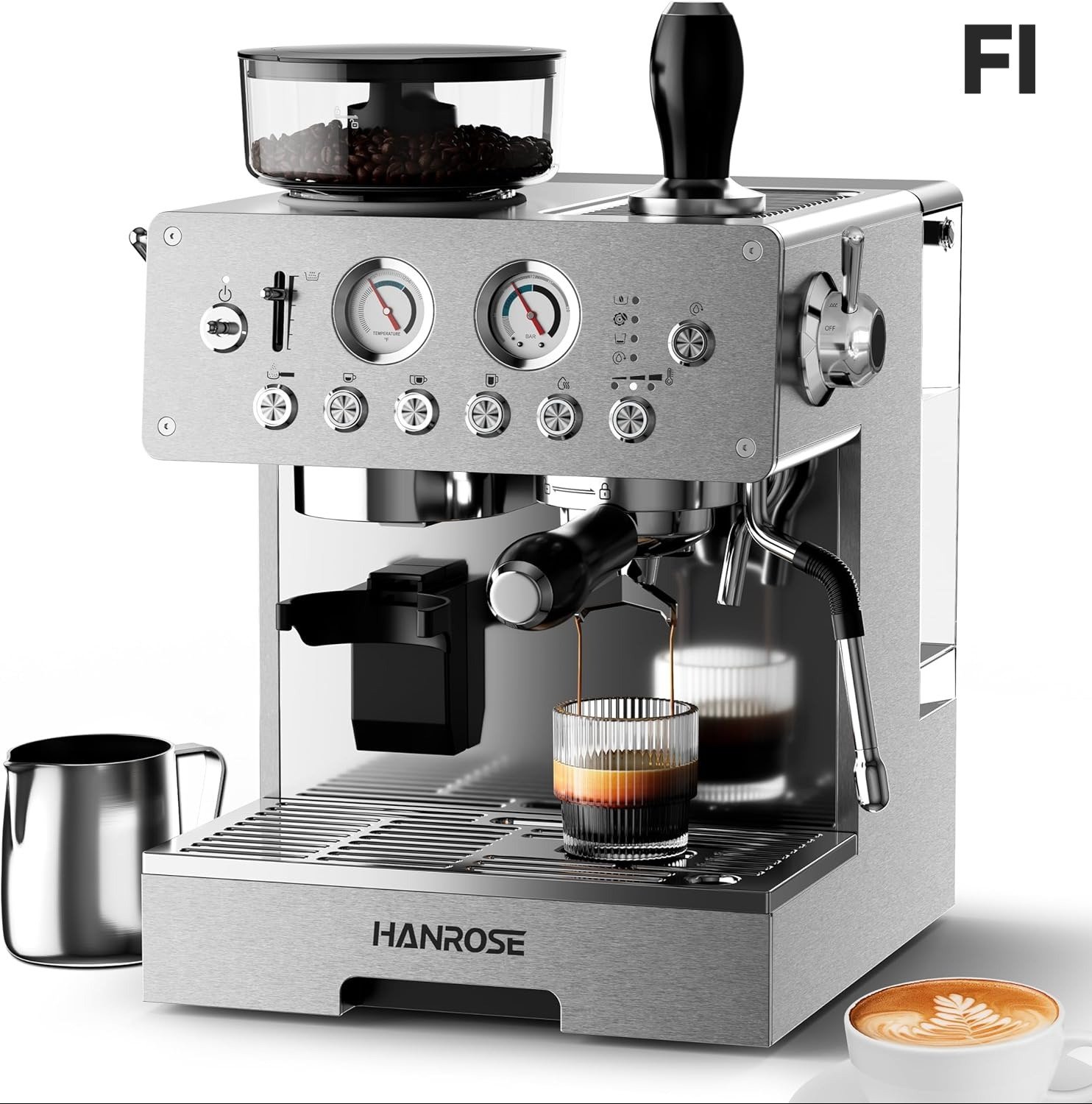
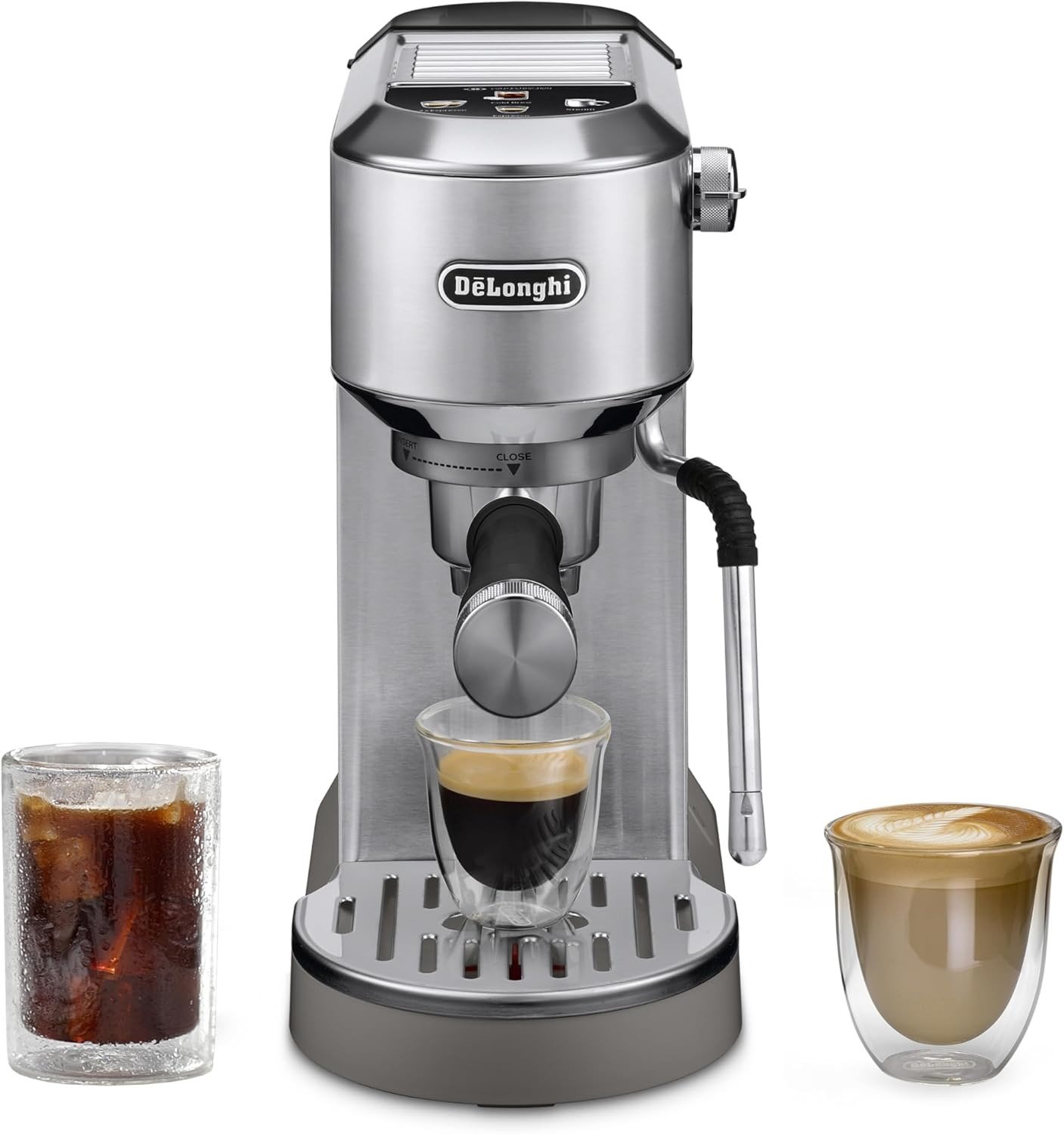
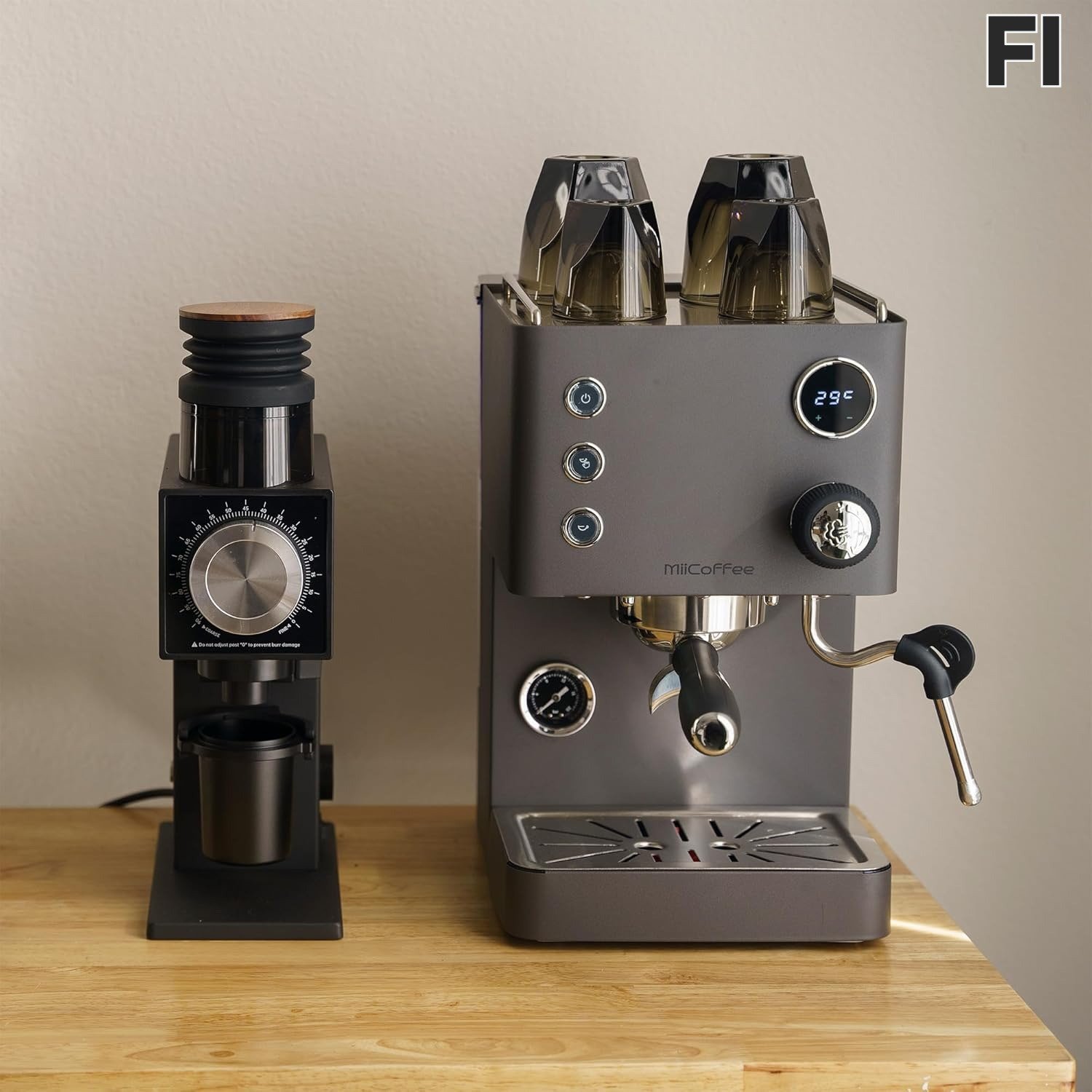
A machine can look professional on paper—PID control, a 58mm portafilter, pre-infusion, a pressure gauge—yet still produce inconsistent shots in a real kitchen . The mismatch isn’t mystical; it’s structural. I see it when expectations (café-like repeatability) collide with operational reality (heat behavior, pressure behavior, workflow friction, and user calibration limits).
The people who end up satisfied aren’t chasing “stronger” espresso. They’re chasing repeatability—the ability to pull two shots back-to-back and have them behave the same way, without adding new rituals every time.
What matters is not whether a machine has “pro” labels. What matters is whether its mechanics reduce variance when the user is still human.
The Equilibrium Gap Most Home Baristas Don’t Name (But Feel Immediately)
The gap usually shows up as a pattern:
- The first shot tastes “close,” the second drifts.
- A dialed-in grind suddenly runs fast for no obvious reason.
- Milk texture feels random—fine one day, foamy the next.
- Pressure looks impressive, yet flavor feels thin or harsh.
That’s not user incompetence. It’s system variance. When the machine’s thermal and pressure behavior isn’t predictable, the user compensates with superstition: longer warmups, bigger flushes, tighter tamping, constant grinder tweaks.
The right framework doesn’t hype features. It identifies which variables are actually allowed to move during extraction—and which ones must be constrained.
Criterion 1 — Thermal Stability Where It Counts (Not Where It’s Easy)
I don’t care how clean the display looks. I care where temperature is stabilized:
- At the brewing water source
- Across the group/head assembly
- Through the full shot window, not just the start
Machines that integrate temperature control tightly around the brew path tend to feel calmer under real use, because temperature drift is one of the fastest ways to create “mystery flavor shifts.”
Independent hands-on reviewers often emphasize that boiler/group design and control logic matter more than raw heat-up speed. [Brew Coffee Home][1]
If the thermal system is stable, the user stops “chasing the shot” and starts dialing deliberately.
Criterion 2 — Pressure Control That Behaves Like a Tool, Not a Lottery
Pressure is where marketing gets loud and reality gets quiet.
Home vibration-pump machines can spike high pressure easily. The question is whether pressure is:
- Set to a meaningful target (commonly around the classic 9-bar neighborhood)
- Kept stable during the body of the shot
- Adjustable in a way that’s repeatable, not accidental
Some newer machines add adjustable OPV/pressure control explicitly for shot shaping, and experienced reviewers highlight that real-time pressure manipulation can reduce harshness and improve clarity—if the workflow is coherent and the user understands why they’re changing it.
The hidden risk: pressure adjustability can become noise if the rest of the system isn’t stable. More control isn’t always more stability.
Criterion 3 — Pre-Infusion That Reduces Channeling Without Creating Ritual
Pre-infusion is valuable only when it does one thing reliably: wet the puck evenly before full pressure.
When it’s tuned well, it can reduce channeling and make shots less sensitive to tiny puck-prep errors. Reviewers who’ve used machines with configurable pre-infusion often describe it as a practical stabilizer, not a “flavor trick.”
But if pre-infusion settings are too fiddly—or the machine’s pressure/temperature behavior shifts underneath—pre-infusion becomes one more variable the user blames.
The stabilizing version of pre-infusion is boring. That’s the point.
Criterion 4 — Milk Workflow: Consistency Beats Power
Most people misdiagnose steam performance as “not strong enough.” The deeper issue is repeatable milk texture.
A strong wand can still produce inconsistent microfoam if the machine’s steam mode timing, temperature behavior, or user feedback loop is weak. Some machines add temperature sensing/auto-stop assistance for steaming, and hands-on reviewers often frame it as a consistency feature rather than a shortcut.
The key is whether the steam system reduces variability for a normal operator, not whether it can scream at full power.
Criterion 5 — 58mm Ecosystem: Standard Size, Real Consequences
58mm isn’t a status symbol. It’s an ecosystem decision.
A true 58mm workflow can unlock:
- Common basket options
- Standard tampers and distribution tools
- Broad compatibility with puck screens and accessories
This matters because once the user stops fighting fitment and tolerances, they can focus on extraction mechanics instead of gear mismatch. Many prosumer-style machines emphasize the 58mm standard explicitly because it changes the long-term ownership path.
Criterion 6 — Solenoid Behavior, Dry Pucks, and Daily Cleanliness
This is the unglamorous part that decides whether ownership feels stable.
A well-behaved 3-way solenoid and drainage design tends to produce:
- Cleaner puck knockouts
- Less mess at the group
- More predictable backflushing routines
Reviewers who test for daily workflow often mention “dry pucks” and clean release not as a flex, but as a sign of a coherent brew circuit.
Criterion 7 — Electrical/Voltage Reality and the “Brew + Steam” Assumption
A lot of buyers assume café-like parallel workflow: pull a shot while steaming milk.
But practical constraints (especially market-specific power behavior) can change whether a machine can brew and steam simultaneously, which changes the rhythm of making milk drinks. Some hands-on reviewers explicitly note this as a real workflow limitation depending on region/version.
This isn’t a flaw by itself. It’s a fit question. The more milk drinks someone makes, the more this constraint becomes a daily friction point.
Market Reality: Why These Machines Attract a Specific Buyer Type
The pattern I see is consistent:
- The buyer is not hunting “the best.”
- They’re hunting a machine that behaves like a system, not a mood.
- They’re willing to learn—but only if learning produces stability, not endless tweaking.
That’s why adjustable pressure, dual temperature control logic, and assisted steaming features keep appearing in this segment’s conversations: they’re not luxuries; they’re attempts to reduce variance.
Controlled Curiosity: The One Question That Predicts Satisfaction
Before any product enters the picture, I ask one question:
When your shot is “off,” do you want fewer variables—or more control knobs?
If the answer is “fewer variables,” you should prioritize thermal and workflow stability over advanced pressure play.
If the answer is “more control,” you should prioritize pressure behavior + pre-infusion logic—but only if the machine makes those controls repeatable and readable.
This is where most people accidentally buy features instead of buying stability.
Natural Transition
If you want a clean, single-product application of this framework—thermal behavior, pressure control logic, pre-infusion usefulness, steam workflow, and the constraints that actually matter—read the decision analysis here: complete performance logic 🔗 [LINK → Decision Article]
”Our analysis goes beyond the manual. We’ve synthesized hundreds of user experiences to show you how this hardware actually behaves in the wild—not just on paper.”