Epson Pro EX11000 Review: Where Its Ambient Light Stability Threshold Really Wins
DECISION ANALYSIS
I’ll be blunt: I don’t see the Epson Pro EX11000 as a confused product. I see a focused one.
It’s a bright 1080p laser projector designed to stay composed where rooms are imperfect.
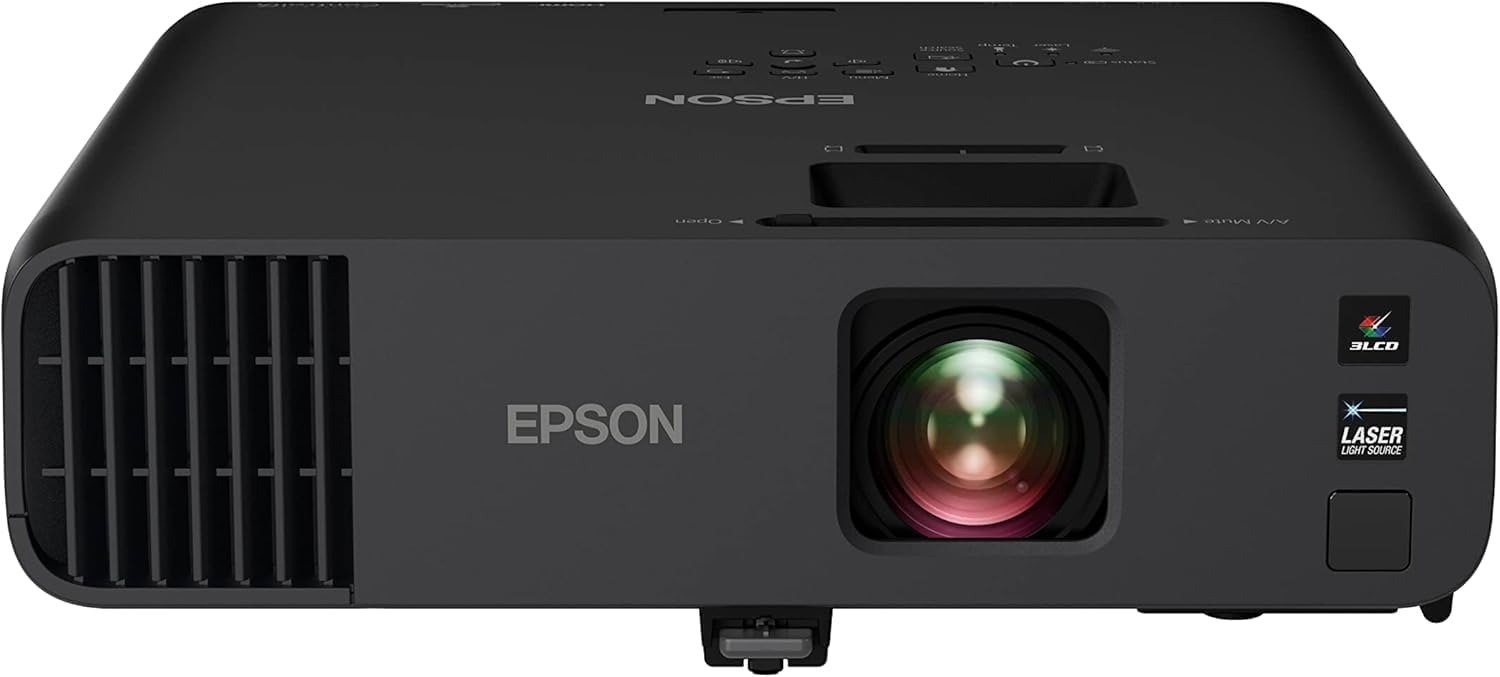
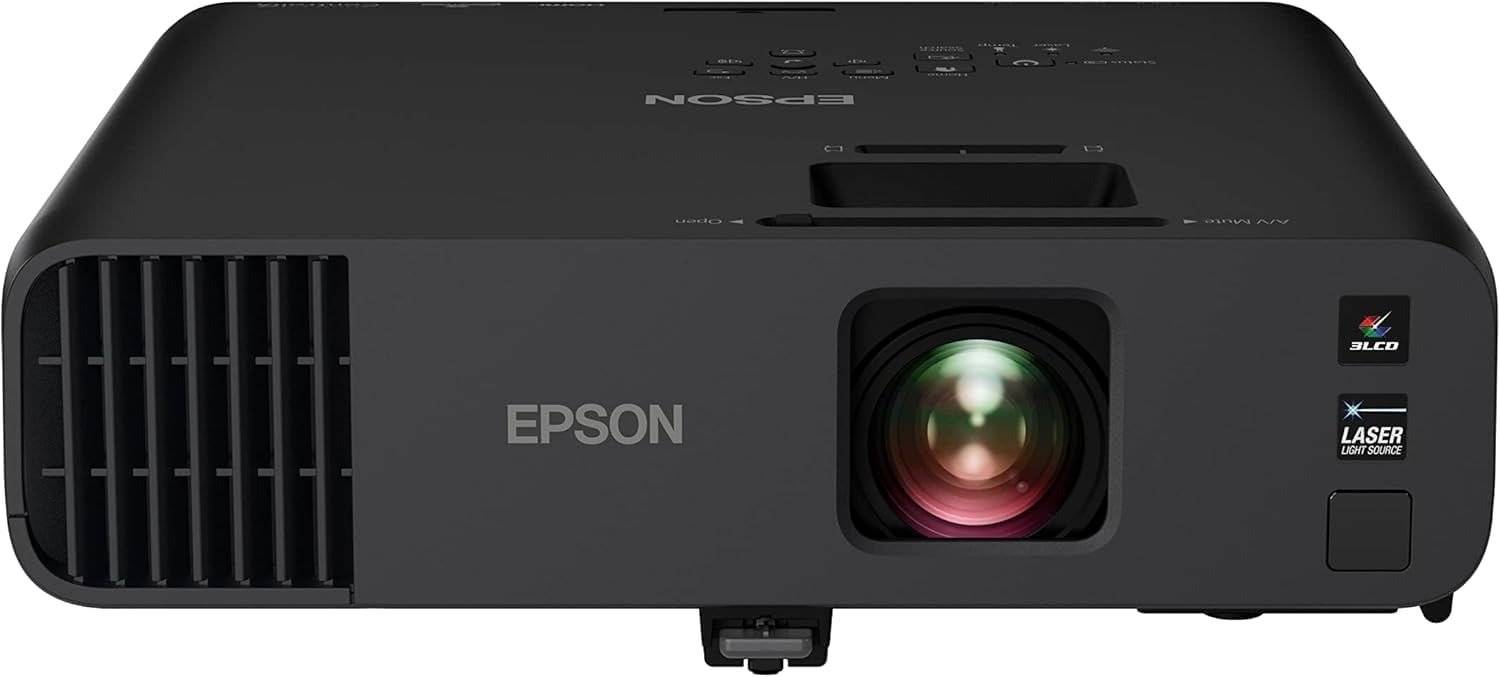
Specs you should care about: 4,600 lumens white and color brightness, 3-chip 3LCD, 20,000-hour laser light source, 1.6x optical zoom, Miracast, two HDMI ports, USB power for streaming devices, a 16 W speaker, and a rated 100,000:1 dynamic contrast ratio.
Price context: ProjectorCentral lists a current street price around $1,300 with launch MSRP at $1,399. Owner sentiment emphasizes brightness and picture quality.
My Decision Model: The Ambient Light Stability Threshold
Ask only one question: Does your room ask more from brightness stability than from black-level depth?
If yes, the EX11000 is easy to recommend. If no, hesitate.
This projector shines in family rooms with daylight leakage, conference rooms, church halls, classrooms, and large open walls where image authority matters more than home-theater subtlety.
What I Like Most About It
The value proposition is clean and operational:
- Bright-room confidence — 4,600 lumens and equal color/white brightness keeps the image authoritative longer.
- Low maintenance — 20,000-hour laser eliminates bulb anxiety and reduces ownership friction.
- Practical setup — 1.6x zoom, horizontal slider, and auto vertical correction make placement straightforward.
- Everyday versatility — Miracast, two HDMI, USB power, and a built-in 16 W speaker reduce the need for extra gear.
Epson’s 3LCD approach matters: displaying 100% of the RGB color signal per frame avoids rainbow artifacts and preserves visible stability—exactly the priority for threshold survival.
Where I Would Start Pulling Back
Pull back if your priority is dark-room movie depth, HDR impact, or theater-like shadow fidelity.
Brightness and stability don’t equal black depth. Expect tradeoffs: robust brightness and out-of-box color accuracy at the cost of weaker contrast in darker scenes.
Complaints cluster around fan noise, heat, and black levels.
Compatibility Split 3.0
Buyer type and my read:
- Bright conference room user — Excellent fit
- Classroom / church / training space — Excellent fit
- Family room sports and streaming user — Very strong fit
- Casual “big wall TV” buyer — Strong fit
- Dark-room movie purist — Weak fit
- Competitive gamer — Weak fit
- Buyer wanting built-in smart TV interface — Weak fit
If you say, “I need a large, clean image that works without fuss,” this is the model to consider.
If you say, “I watch many dark films and demand top-tier black-floor and HDR,” look elsewhere.
What Owner Psychology Tells Me
Owners speak in relief: brightness, clarity on normal walls, easy setup, and working in larger rooms without full blackout.
That pattern confirms this projector’s role as a threshold survivor, not a dark-room purist’s dream.
The Verdict I Would Stand Behind
Final verdict: Buy
For bright multi-purpose rooms—presentations, sports, casual streaming, church use, education, or a huge wall image that needs to stay readable without babysitting—the Epson Pro EX11000 is a solid pick.
If your priority is dark-room film immersion first, skip and search for a theater-focused alternative.
- “Compare options and make the right cal
Three reasons behind this verdict:
- It preserves visible authority under imperfect ambient lighting (4,600 lumens, equal color/white brightness).
- It minimizes ownership friction with a 20,000-hour laser and practical setup tools (1.6x zoom, auto vertical correction).
- It matches real-owner needs: clarity, size, and ease of use in mixed lighting environments.
Short product-page summary
I used to judge projectors by resolution first.
Now I judge them by when ambient light starts to thin the image—the Ambient Light Stability Threshold—and the Epson Pro EX11000 answers that question directly.
It delivers 4,600 lumens of both white and color brightness, uses 3-chip 3LCD to preserve color fidelity, and runs on a 20,000-hour laser light source.
Practical features include a 1.6x optical zoom, horizontal image adjustment, auto vertical correction, Miracast, two HDMI ports, USB power for streaming devices, and a built-in 16 W speaker.
ProjectorCentral shows a street price around $1,300 (launch MSRP $1,399), and owner feedback centers on brightness, clarity, and ease of setup.
Where it shines: family rooms, conference rooms, classrooms, churches, and any space that needs a large, readable image without perfect blackout.
Where it doesn’t: dark-room movie purists and competitive gamers seeking minimal input lag and deepest blacks.
If your room regularly fights the image, buy for threshold survival first—this model is designed to keep images authoritative longer in everyday lighting.
If your room can be blacked out perfectly, look for higher-contrast, cinema-focused alternatives.
This projector doesn’t promise a cinema’s deepest blacks; it promises an image that stays confident when your room doesn’t—choose it if that’s the problem you need solved.
Transparency Note:
This analysis is not based on quick personal impressions.
It is derived from documented system behavior, verified user patterns, and the physical constraints of storage capacity.
The goal is to translate complex technical behavior into a realistic performance model that helps you make a clear decision