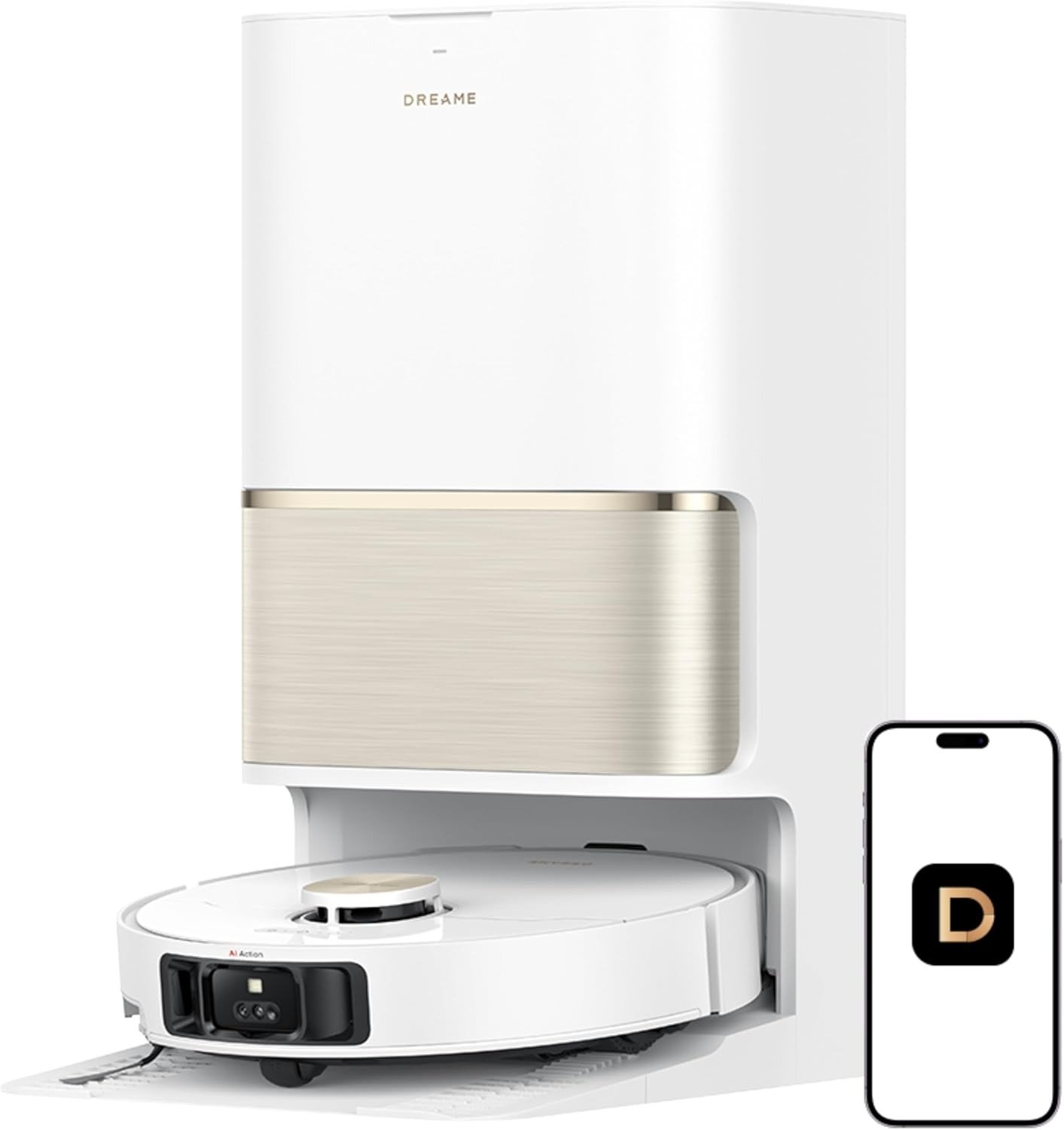
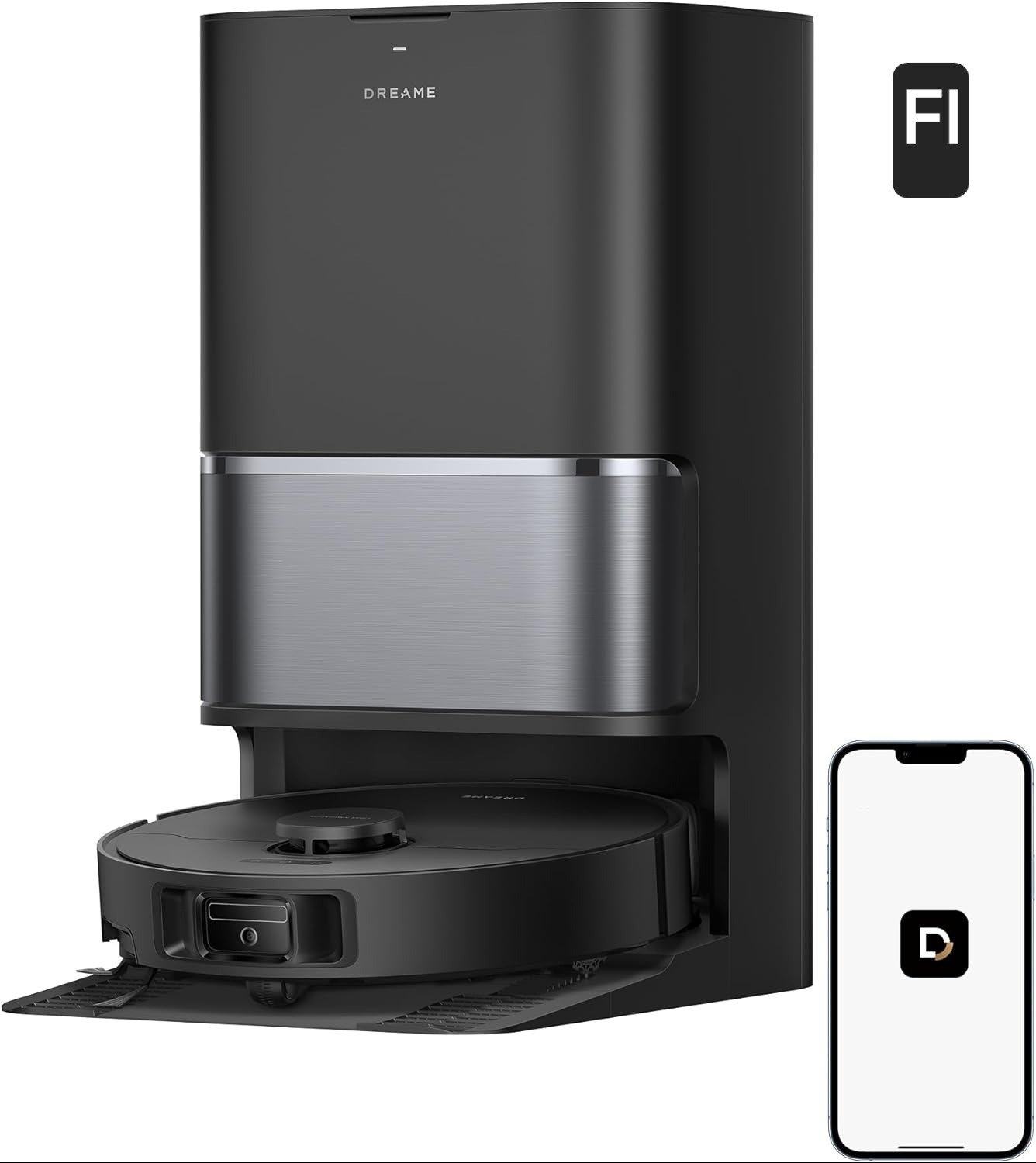
Dreame L50 Ultra Review: When Robot Vacuum Performance Starts to Break Down
ANALYSIS FRAMEWOR
I have looked at enough robot vacuums to know that the spec sheet is rarely the whole story. A machine can look unstoppable on paper, then start falling apart the moment real life adds pet hair, raised thresholds, messy rooms, damp kitchen floors, and the kind of daily clutter that never appears in product photos.
That is why I approached the Dreame L50 Ultra through one simple lens: where is the real stability threshold? In other words, at what point does this robot still feel like a premium, low-effort cleaning system, and at what point does it start asking too much back from you?
The Stability Threshold That Actually Matters
For me, the best way to understand the L50 Ultra is not through suction claims alone. It is through the moment when automation still feels easier than correction. Below that line, this is the kind of machine that can quietly become part of your routine. Above it, the promise starts to wobble.
That threshold is shaped by five pressure points:
- floor transitions
- hair volume
- object density
- map complexity
- mopping expectations
The overall performance pattern is clear. Vacuuming is strong. Mopping is above average. Obstacle avoidance is above average. But battery efficiency is weaker than the category average. That balance tells you exactly what this robot is: powerful, polished in the right environments, and not equally effortless in every home.
Where the L50 Ultra Feels Strongest
The first thing that holds together here is hair management. That matters more than people think, because once a robot vacuum turns brush cleaning into a chore, the entire premium experience starts to collapse.
The Dreame L50 Ultra is built around a dual anti-tangle brush approach, with the HyperStream Detangling DuoBrush designed for hair up to 30cm. In testing, it showed strong pickup on both hard floors and carpets with minimal scattering. In plain English, that means it is better suited to homes where long hair, pet hair, and day-to-day debris would normally turn a robot into another maintenance item.
Just as important, the dock package makes the product feel more complete. Hot-water mop washing, hot-air drying, a 3.2L bag, and up to 100 days of claimed auto-empty capacity all reduce the daily friction that usually makes robotic cleaning feel less automatic than advertised.
| Stability Area | What the evidence says | What it means in real use |
|---|---|---|
| Hair pickup | Dual detangling brush, hair up to 30cm claimed | Better fit for homes with long hair or pets |
| Vacuuming | Strong primary pickup with minimal scattering in hands-on testing | Less babysitting on mixed debris days |
| Mopping | 211 overall score vs 188 average in Vacuum Wars testing | Good everyday floor recovery, not just dry dust removal |
| Water left behind | 0.35g vs 1.01g average | Cleaner finish with lower streak anxiety on hard floors |
| Auto-maintenance | Hot-water mop washing, hot-air drying, 3.2L bag, up to 100 days claimed | Lower day-to-day friction after setup |
The Feature That Changes Real Homes, Not Just Marketing Slides
A lot of premium features sound impressive and change almost nothing in daily use. This one is different.
The L50 Ultra’s ProLeap system is built for single vertical steps up to 1.65 inches and irregular obstacles up to 2.36 inches with a climbing mat. That matters because thresholds are one of the most common reasons robot vacuums become “almost useful” instead of genuinely helpful.
If your home has awkward door tracks, room dividers, or raised transitions, this feature does not feel like a luxury add-on. It changes whether the robot can act like a whole-home system or just a device trapped in the easiest part of the house.
Why People Respond to It So Positively
The emotional appeal of the L50 Ultra is not really about excitement. It is about removing repeat interruption.
That is what premium buyers are chasing. They are not looking for a gadget that impresses them once. They want something that quietly cuts down the number of times they have to step in, empty something, untangle something, rescue something, or think about floor cleaning at all.
That is why the most compelling positive reactions cluster around the same themes: quieter cleaning, fewer tangles, strong handling of dog hair and tracked-in debris, and a general feeling that the robot becomes more useful after the maps and settings settle in. People are responding to the sense of lowered household friction, not just raw cleaning power.
Where the Stability Starts to Drift
This is also where I stopped seeing the L50 Ultra as universally safe for every buyer.
Its most visible weakness is battery efficiency under heavier use. The official claim is 200 minutes in Quiet Mode, but practical testing showed below-average square footage per charge, with the L50 Ultra covering 823 square feet compared with an average around 1,015 square feet in that comparison set.
That difference matters more than it sounds like on first read. If your home is large, carpet-heavy, frequently dirty, or cleaned on stronger settings, the L50 Ultra can still perform well. But the fantasy of effortless one-pass coverage starts to weaken. You may still like the machine, but you stop experiencing it as frictionless.
Hardware Confidence Is Higher Than Software Confidence
This is the other place where the premium picture gets a little less clean.
The hardware story is persuasive. The app is deep. The features are serious. The dock system feels thoughtfully built. But owner complaints show that software confidence does not always match hardware ambition. Reported issues include scheduling freezes tied to firmware, occasional hard bumping, frustration with the premium price unless discounted, and multi-floor complaints where repositioning the robot between levels without the dock became a weak point.
That does not cancel out the product’s strengths. It simply draws the boundary. If your idea of flagship quality is “powerful, smart, and usually impressive,” the L50 Ultra fits. If your standard is “never odd, never fragile, never needs interpretation,” the threshold becomes lower.
Compatibility Split
| Home Type | Fit | Why |
|---|---|---|
| Mostly hard floors, pets, scattered hair, moderate clutter | Strong fit | The brush design, obstacle system, and dock architecture all support this use case well |
| Mixed floors with real door tracks or raised transitions | Strong fit | ProLeap is not a gimmick here; it solves a real boundary condition |
| Large homes that often need high suction or repeated carpet passes | Conditional fit | Performance is strong, but battery efficiency becomes the pressure point |
| Multi-floor homes expecting seamless off-dock repositioning | Risk zone | Real-world complaints point to friction in this exact scenario |
| Buyers who expect polished software equal to premium hardware | Conditional fit | App depth is excellent, but owner feedback shows firmware inconsistency can matter |
The Part That Matters Before You Click
What stayed with me most is this: the Dreame L50 Ultra is not impressive because it promises everything. It is impressive because its stability threshold is higher than most robot vacuums in the places that usually fail first—hair, thresholds, routine mopping, and low-touch maintenance.
Where it drifts is also clear: battery efficiency under demanding use, software maturity, and certain multi-floor edge cases.
That makes this a strong fit for the right house, not a blind recommendation for every house. If your home sits below its correction threshold, it can feel like a serious upgrade. If your home constantly pushes above it, the premium price starts inviting harder questions.
CTA 1: If you want the direct buying verdict, read the decision breakdown here: [DECISION_LINK]
CTA 2: If your home matches the strong-fit profile and you want to check the current listing, go here: [PRODUCT_LINK]
The Dreame L50 Ultra makes the most sense when you are not buying suction on paper—you are buying fewer interruptions in real life.
Final verdict: Consider.
3 reasons behind the verdict
- Strong real-world advantages in thresholds, hair handling, and dock automation
- Premium performance is real, but the battery ceiling is not equally strong
- Best for homes that match its strengths, not for buyers demanding flawless behavior in every edge case
Short Product-Page Summary
The Dreame L50 Ultra makes a strong case for itself when you judge it the way premium robot vacuums should be judged: not by suction claims alone, but by how often they force you to step in and correct them.
What stands out immediately is that this machine solves some of the most annoying real-world problems better than most. Hair handling looks genuinely strong thanks to the dual detangling approach and support for hair up to 30cm. The mopping system also performs well, with a 211 overall score vs 188 average and just 0.35g of water left behind vs 1.01g average. Add in hot-water mop washing, hot-air drying, a 3.2L bag, and up to 100 days of claimed auto-empty capacity, and the daily maintenance burden drops in a meaningful way.
The other headline feature is threshold handling. With support for a single 1.65-inch vertical step and up to 2.36 inches with a climbing mat, the L50 Ultra can work in homes where many robot vacuums still feel limited by transitions.
The main caveat is battery efficiency. Even with an official 200-minute Quiet Mode claim, practical testing showed 823 square feet per charge compared with an average around 1,015 square feet. That makes it less ideal for very large or demanding homes. Software and multi-floor edge cases also deserve caution.
If your home matches its strengths, this is a compelling premium option. If not, its limits show faster than the price suggests.
Transparency Note:
This analysis is not based on quick personal impressions.
It is derived from documented system behavior, verified user patterns, and the physical constraints of storage capacity.
The goal is to translate complex technical behavior into a realistic performance model that helps you make a clear decision
One Comment