Dreame L40 Ultra Gen 2 Review: The Floor Can Look Clean Before It Actually Is
DREAM L40 ULTRA GEN 2
The Result Looks Fine. The Problem Isn’t.
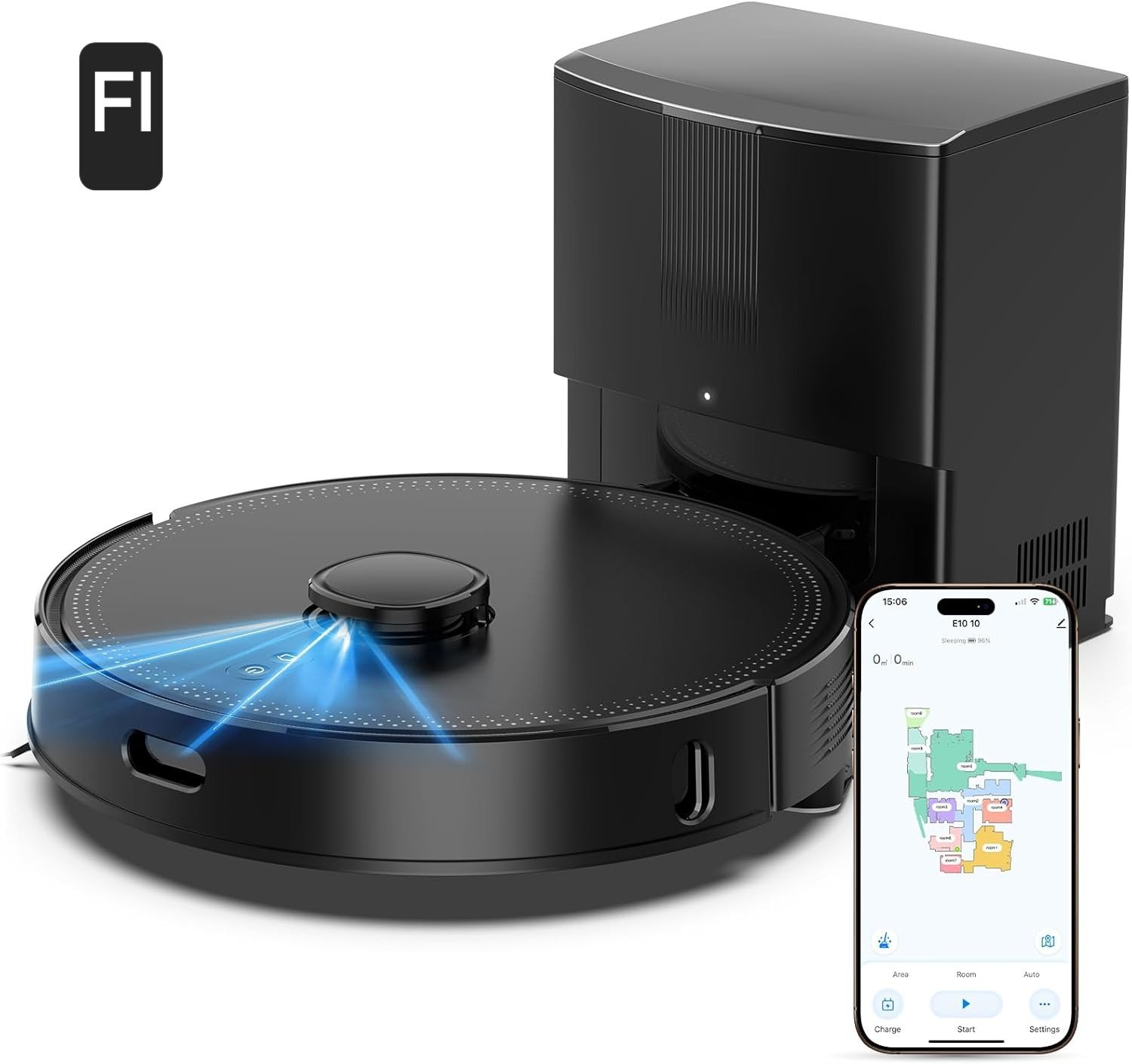
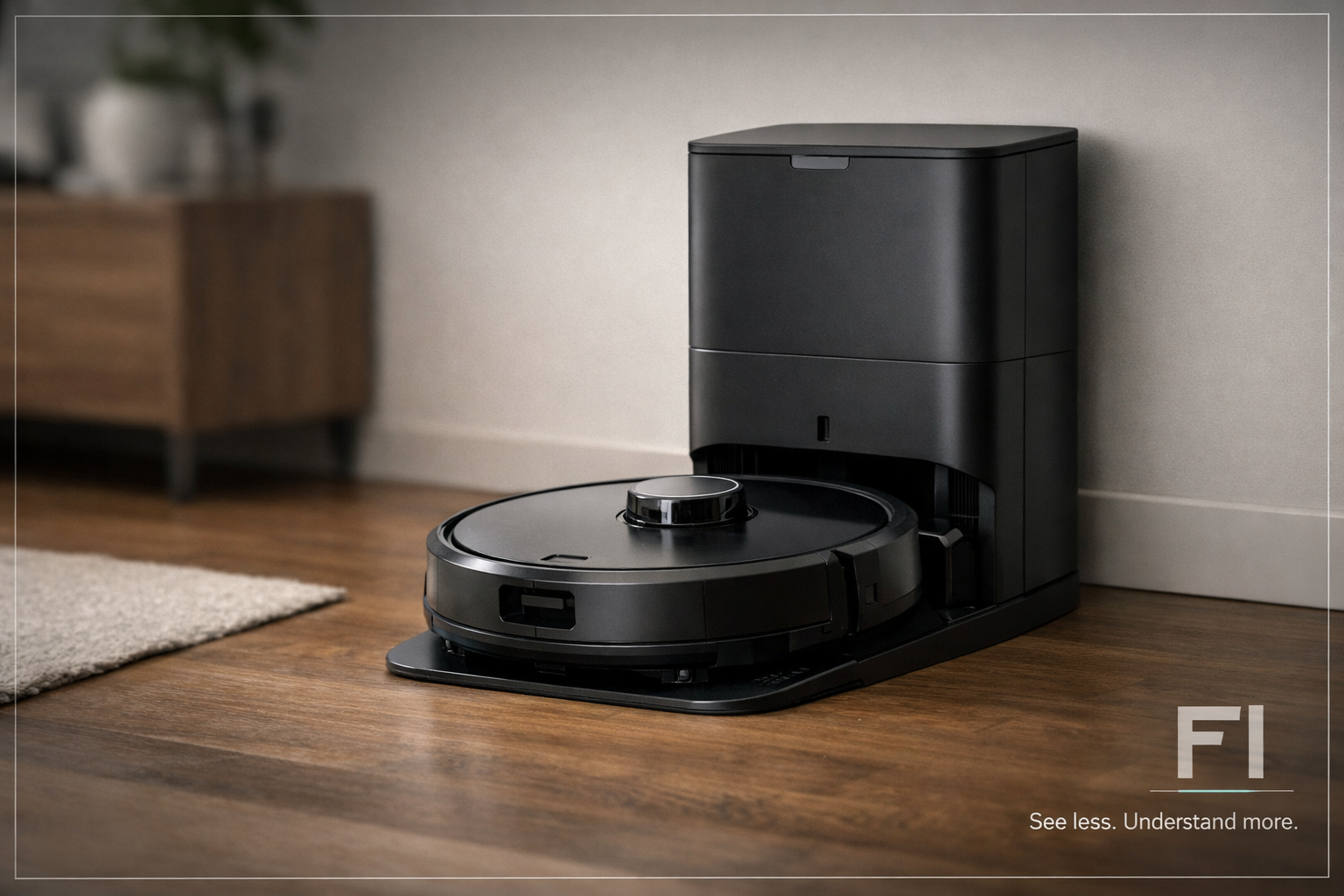
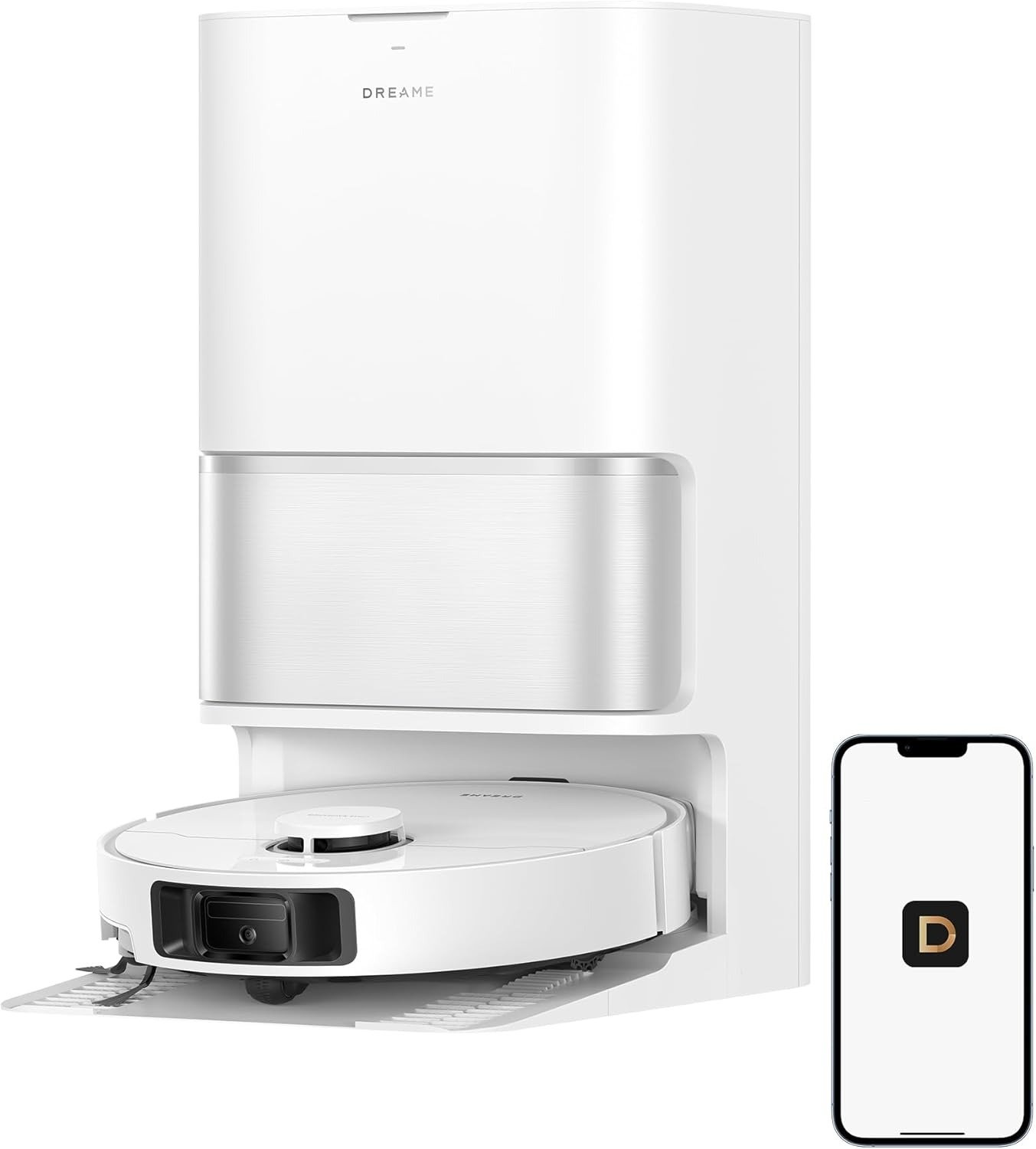
A robot vacuum can give you the most dangerous kind of clean: the kind that looks convincing from the doorway. The room feels reset. The lines on the floor look neat. The dock hums like everything is under control. Then you walk barefoot near the baseboard, or run a hand along the edge of a rug, and the illusion tears. That is the whole game here. Not whether the Dreame L40 Ultra Gen 2 is packed with features. It is. Not whether it sounds advanced. It does. The real question is whether the visible result and the actual result stay aligned long enough to justify the price. Dreame positions the Gen 2 as a stronger, smarter update with 25,000Pa suction, an extendable side brush and mop, a self-emptying and self-cleaning dock, 0.41-inch mop lift, and up to 100 days of hands-free emptying. On paper, that is a seductively complete machine.
What pulled me in is not the spec sheet. It is the contradiction. The older L40 platform earned praise for its dock automation, effective hazard avoidance, and strong feature depth, but RTINGS also found that the underlying cleaning result could be less consistent than the premium surface suggested, especially with fine debris, flooring cracks, and pet hair on carpet. That tension matters because the Gen 2 does not enter your house as “just a vacuum.” It enters as a promise to reduce attention itself.
What You’re Actually Feeling but Not Naming
Most people do not buy a robot vacuum because dirt exists. They buy one because interruption exists.
It is the low-grade irritation of seeing scattered litter in the same corner again. The tiny negotiation every evening about whether the floor is dirty enough to justify dragging out the full-size vacuum. The mental tax of knowing your home is never disastrous, never truly filthy, but never fully settled either. Three crumbs here. Hair at the rug line. A faint track near the kitchen edge. Not chaos. Just friction.
That is why a product like this can feel irrationally attractive. It does not merely promise suction. It promises the disappearance of recurring decisions. Owner reactions track that pattern almost perfectly: people who got the L40 at the right price tend to talk less about raw power and more about relief, quiet operation, auto-emptying, extendable arms reaching messes near edges, and the strange satisfaction of not having to think about the floor every day. At the same time, more critical owners keep circling the same pressure points: pathing that can feel confused, cleaning sessions that run slow, weekly upkeep that still exists, and mopping that can underwhelm when expectations drift too high.
The Hidden Mechanism Behind the Miss
Here is the piece that specs alone rarely explain: premium robot vacuums do not usually fail because they lack functions. They fail because the cleaning logic, the brush behavior, and the pathing rhythm do not match the kind of dirt you actually live with.
RTINGS’ review of the L40 Ultra is useful precisely because it cuts through the glamour. The unit handled larger debris reasonably well, offered effective hazard avoidance, and benefited from a dock that covered day-to-day maintenance. But it also showed inconsistent pathing, mediocre hard-floor pickup for finer material, poor crack cleaning, and weak pet-hair performance on carpet because the brushroll lacked enough agitation and sometimes dragged hair rather than lifting it cleanly. That means the miss is not simply “not enough suction.” It is a combination problem: how the robot moves, how the brush engages the surface, and how well the system revisits the places that look finished before they are finished.
The Gen 2 tries to answer that anxiety with brute force and convenience. Dreame claims a jump to 25,000Pa suction, a sixth-generation motor, extendable edge-cleaning hardware, a 5,200mAh battery, a 3.2L dust bag for long emptying intervals, and optional automatic detergent dispensing. That makes the machine sound like it can bulldoze its way past the original limitations. But real-world buyers should be careful here: more suction can improve top-line debris pickup, yet it does not automatically fix navigation efficiency, carpet agitation, or the way hair behaves around a brush system over repeated cycles. The mechanism matters more than the headline.
The Threshold Where the Outcome Quietly Breaks
This is the threshold I would use for the Dreame L40 Ultra Gen 2:
It makes the most sense when your real problem is floor-maintenance repetition, not deep-clean heroics.
Below that threshold, it looks brilliant. Above it, the gaps start to show.
If your home is mostly hard flooring, with everyday dust, tracked crumbs, light pet mess, and the kind of edge debris that accumulates around chair legs, cabinets, and skirting boards, the Dreame design makes a lot of sense. The extendable side brush and mop are there for exactly that kind of house. The dock reduces daily intervention. The mop lift helps when you are mixing hard floors and carpet. The long battery spec and automated dock behavior are built for routine coverage, not for spectacle.
But once your environment crosses into heavier carpet reliance, fine debris trapped in texture, stubborn pet hair woven into fibers, or an expectation that one pass should replace manual deep cleaning, the threshold is crossed. That is where the glossy promise quietly thins out. RTINGS found exactly those weak points on the L40 platform: finer debris on hard floors, debris in cracks, and pet hair on carpet. Owners reporting slower or less orderly movement echo the same underlying issue from a different angle. The break is not dramatic. It is cumulative. One missed edge. One second pass. One “good enough” room that still is not fully done.
Why Most Buyers Misread This Too Early
Because they shop the wrong metric.
They shop suction first. Then automation. Then app features. Then obstacle avoidance clips on YouTube.
That sequence feels logical. It is not.
The earlier L40 earned praise from TechRadar for excellent navigation, strong obstacle avoidance, and impressive overall cleaning on mixed flooring. That kind of feedback is not fake. It simply describes one layer of truth. RTINGS, using a different test framework, exposed another layer: erratic pathing can still reduce practical pickup, and carpet pet-hair performance can still lag despite the premium positioning. Put those two views together and a clearer picture emerges. This is not a machine you judge by one dramatic feature or one viral demo. You judge it by the delta between its autonomy and its residue. That is the metric that matters.
A lot of buyers also confuse maintenance automation with maintenance elimination. The dock empties, washes, and dries. Good. Useful. Valuable. But RTINGS still notes high recurring costs and multiple parts needing periodic cleaning on the L40 platform, and Dreame’s own Gen 2 page makes clear that some conveniences, such as the detergent module, are optional extras rather than included magic. Automation trims labor. It does not erase ownership.
Who Is Actually Inside This Problem
You are inside this problem if three things are true.
First, your floor gets dirty in a low, constant, annoying way rather than in catastrophic bursts. Second, you care more about staying ahead of mess than staging periodic deep-clean recoveries. Third, the true enemy in your house is not dirt alone but attention leakage.
That profile fits people with mostly hard floors, mixed surfaces that benefit from mop lifting, pets that shed but do not bury every carpet in dense hair, and households where corners, edges, litter scatter, and daily crumbs are the recurring nuisance. It also fits buyers who value quieter operation and obstacle avoidance because the robot needs to run often, not theatrically. On those terms, the Dreame platform has a real case: the dock handles routine maintenance, the navigation stack is generally strong at hazard avoidance, and multiple owner impressions describe it as quiet, feature-rich, and unusually compelling when discounted.
Here is the fit in plain language:
Fit Signal Why It Matters for This Model
Mostly hard floors Better alignment with the L40 family’s stronger everyday surface cleaning than with heavy carpet extraction needs.
Daily light-to-medium debris Plays to automation and coverage rather than one-pass deep rescue.
Edge and corner frustration Extendable side brush and mop directly target this annoyance.
You hate floor-related chores more than you love vacuum tinkering The dock and scheduling system are worth more when routine reduction is the goal.
Where Wrong-Fit Begins
Wrong-fit starts where expectation hardens into fantasy.
If you want a robot to replace a serious upright on carpet, especially with embedded fine debris or heavy pet hair, this is where I would slow down. RTINGS’ findings on the L40 platform are too specific to ignore: the brushroll agitation was not strong enough to lift fine debris and pet hair from carpet effectively, and debris clearing from cracks was poor. That is not a small footnote. That is a border line.
Wrong-fit also begins if you are the kind of buyer who reads “self-cleaning dock” and mentally deletes all maintenance. The L40 family may cut daily work, but long-term owners still talk about upkeep, mapping quirks, occasional spins or bumps, and cleaning sessions that can feel slower than expected. If your patience for maintenance is near zero, a premium dock does not save you from disappointment; it simply delays it.
And there is one more boundary that matters: value drift. A buyer on Reddit said the L40 looked “incredible” at $474 because the feature stack at that price felt unmatched in its class. That sentence matters more than it seems. At the wrong price, the machine is forced to compete with stronger premium alternatives. At the right price, its automation package becomes much easier to defend.
The One Situation Where This Product Becomes Logical
It becomes logical when you are not buying a floor-cleaning trophy. You are buying a reduction in repeat friction.
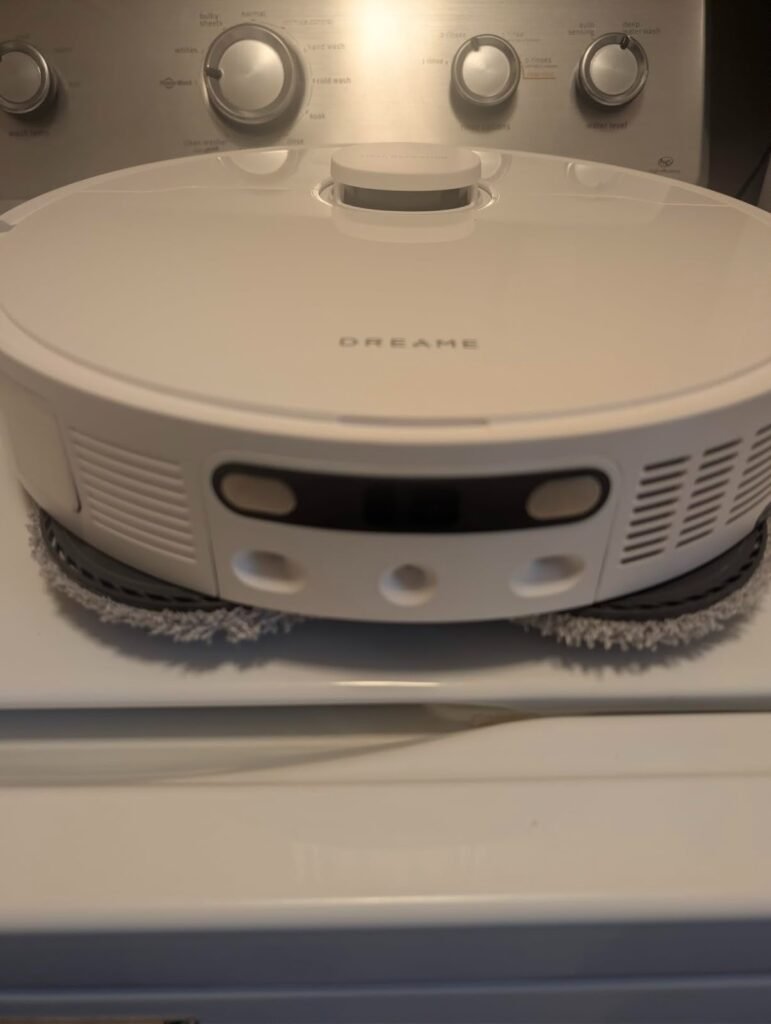
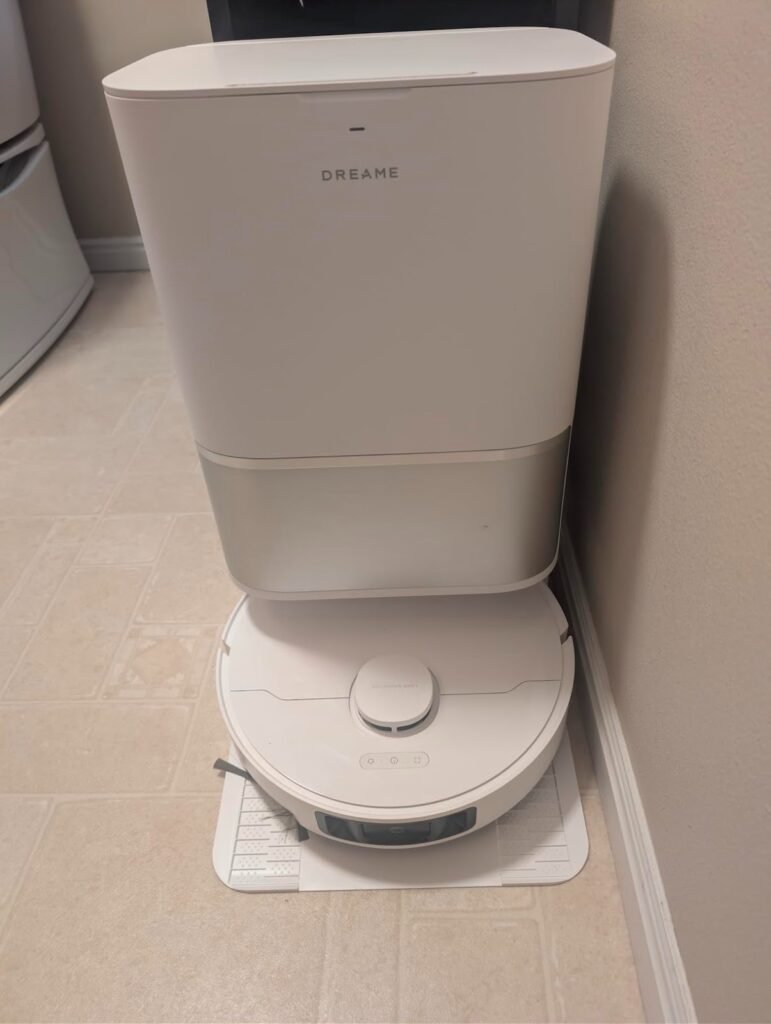
That is the cleanest reading of the Dreame L40 Ultra Gen 2. If your home is mostly hard flooring, your daily mess pattern is moderate rather than brutal, your edges and corners visibly accumulate debris, and you want one machine to vacuum, mop, self-empty, self-wash, and stay largely out of your way, this product stops looking flashy and starts looking structurally coherent. The official Gen 2 upgrades are pointed in exactly that direction: stronger suction, extended reach, mop lift for carpet protection, long battery life, and a dock designed to reduce the small chores that make robot ownership feel like babysitting.
This is also where the psychology flips. A lot of premium robot vacuums try to seduce you with maximalism. Cameras. AI. obstacle demos. app screens. acronyms everywhere. The L40 Ultra Gen 2 is easier to justify when you strip all that away and ask one blunt question: does this meaningfully lower the number of times I have to think about my floors? In the right house, yes. That is the logic. Not glory. Not perfection. Reduction.
What It Solves, What It Reduces, and What It Still Leaves to You
What it solves is the repetitive layer: routine crumbs, dust, pet scatter, edge buildup, the annoyance of switching between vacuuming and light mopping, and the constant reappearance of “small enough to ignore, ugly enough to notice” mess. The extendable reach matters here. The dock matters here. The mop lift matters here.
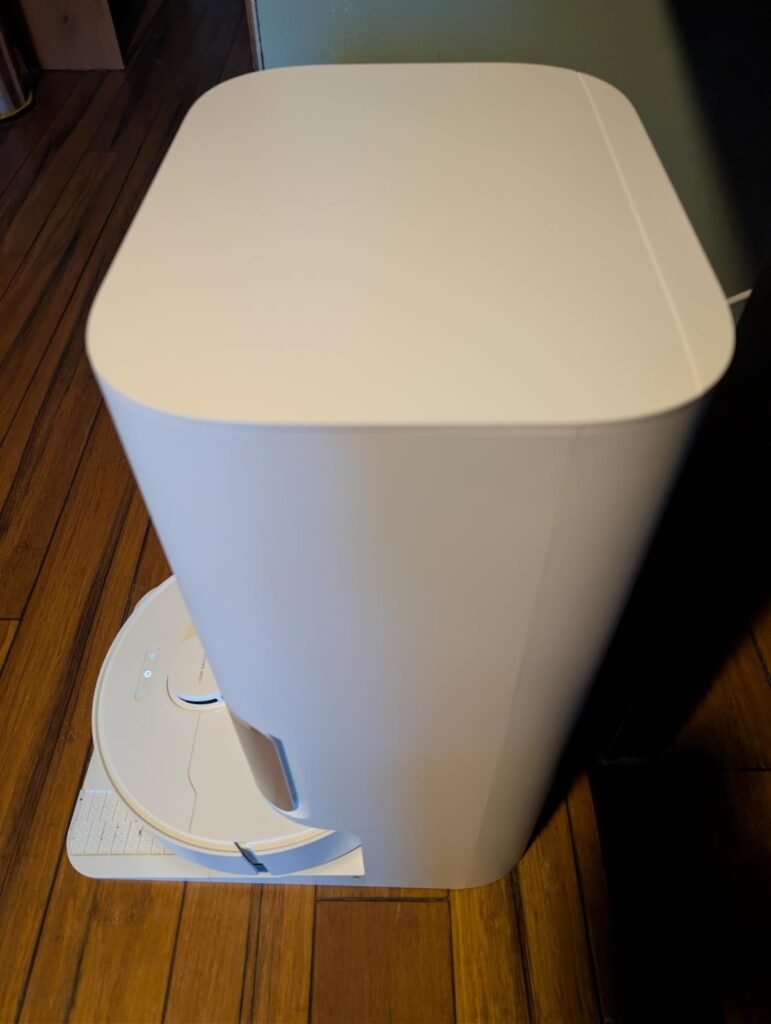
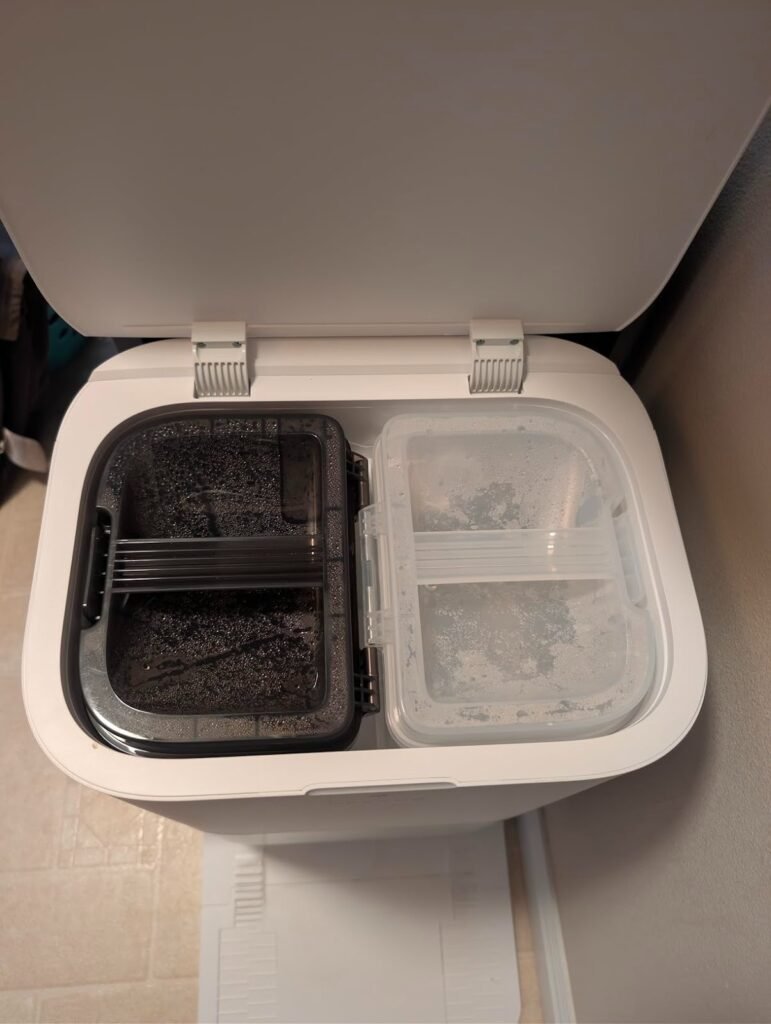
What it reduces is manual intervention. Not all of it. Enough of it. The dock can auto-empty into a 3.2L bag, wash and dry the mops, and stretch hands-free use toward Dreame’s advertised 100-day window. For buyers who are tired of daily floor decisions, that is not a cosmetic feature. It is the product.
What it still leaves to you is the part marketing tries to whisper past:
Still on You Why
Expectation control No robot in this class should be mistaken for a true deep-clean carpet specialist, and the L40 platform has documented weak spots with fine debris and pet hair on carpet.
Periodic maintenance RTINGS notes recurring costs and several parts that still need routine cleaning.
Price discipline The value case strengthens sharply when discounted and weakens when judged like a no-compromise flagship.
House-match honesty Mostly hard floors and medium daily mess suit it better than thick carpet and embedded hair.
Final Compression
The uncomfortable truth is simple: a robot vacuum is rarely bought to clean floors. It is bought to stop the floor from quietly running your day.
That is where I land on the Dreame L40 Ultra Gen 2. It is not the machine I would frame as a universal answer. The L40 platform has too many visible limits for that, especially once carpet pet hair, crack cleaning, and pathing efficiency enter the conversation. But in the right threshold—mostly hard floors, recurring medium mess, heavy annoyance with manual upkeep, real appreciation for edge reach and dock automation—it becomes easier to defend than many louder products. Dreame has built a machine that is strongest when you ask it to preserve order, not perform heroics.
If that is the condition you are actually dealing with, this is the point where the decision stops being vague.
Transparency Note:
This analysis is not based on quick personal impressions. It is derived from documented system behavior, verified user patterns, and the physical constraints of storage capacity. The goal is to translate complex technical behavior into a realistic performance model that helps you make a clear decision.
“A quick note: Don’t believe the star ratings, but trust personal experience. This article is a compilation of collected experiences”