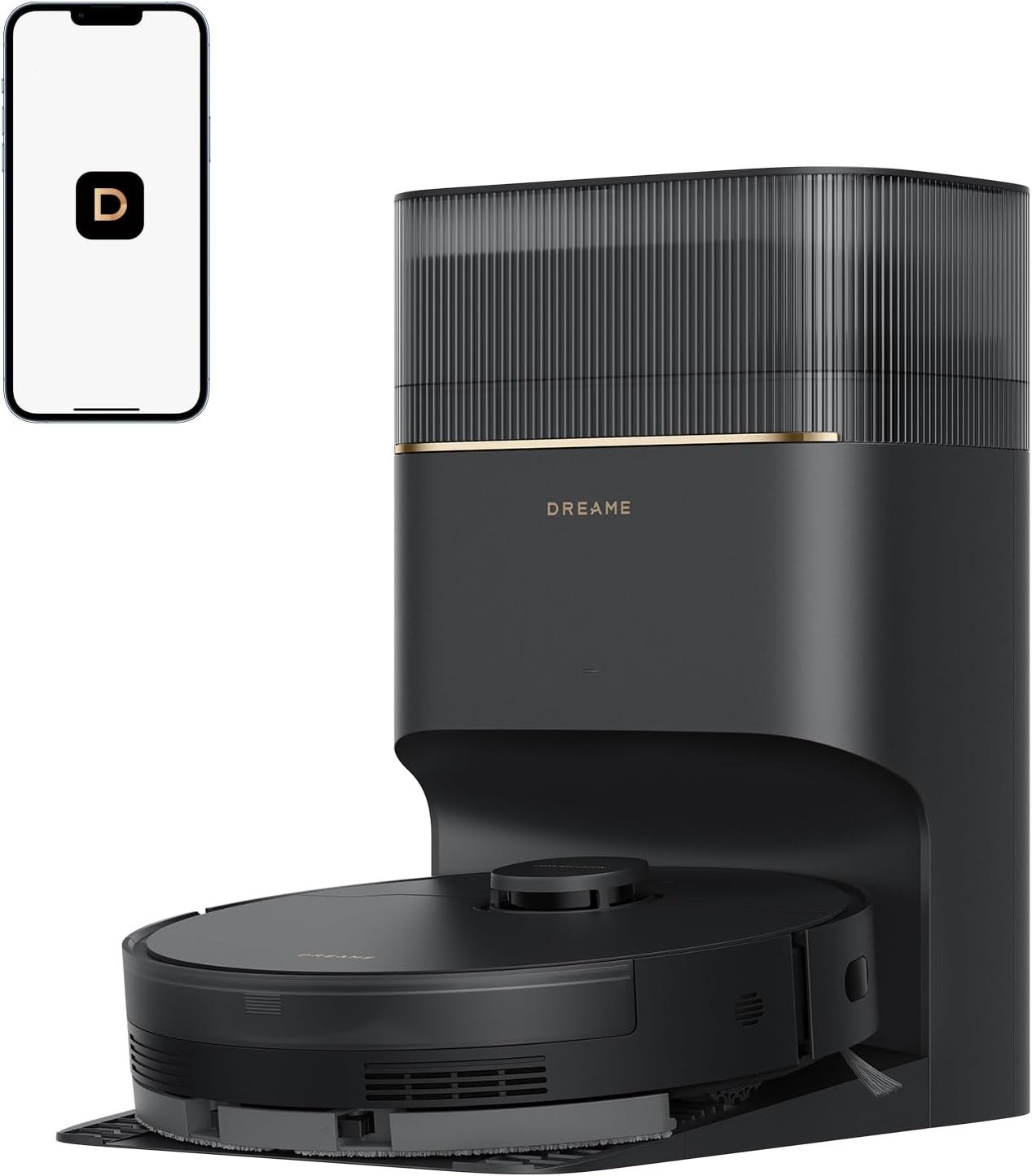
Dreame D20 Pro Plus — The Decision Comes Down to One Thing: Your Variance Window
DECISION ANALYSIS
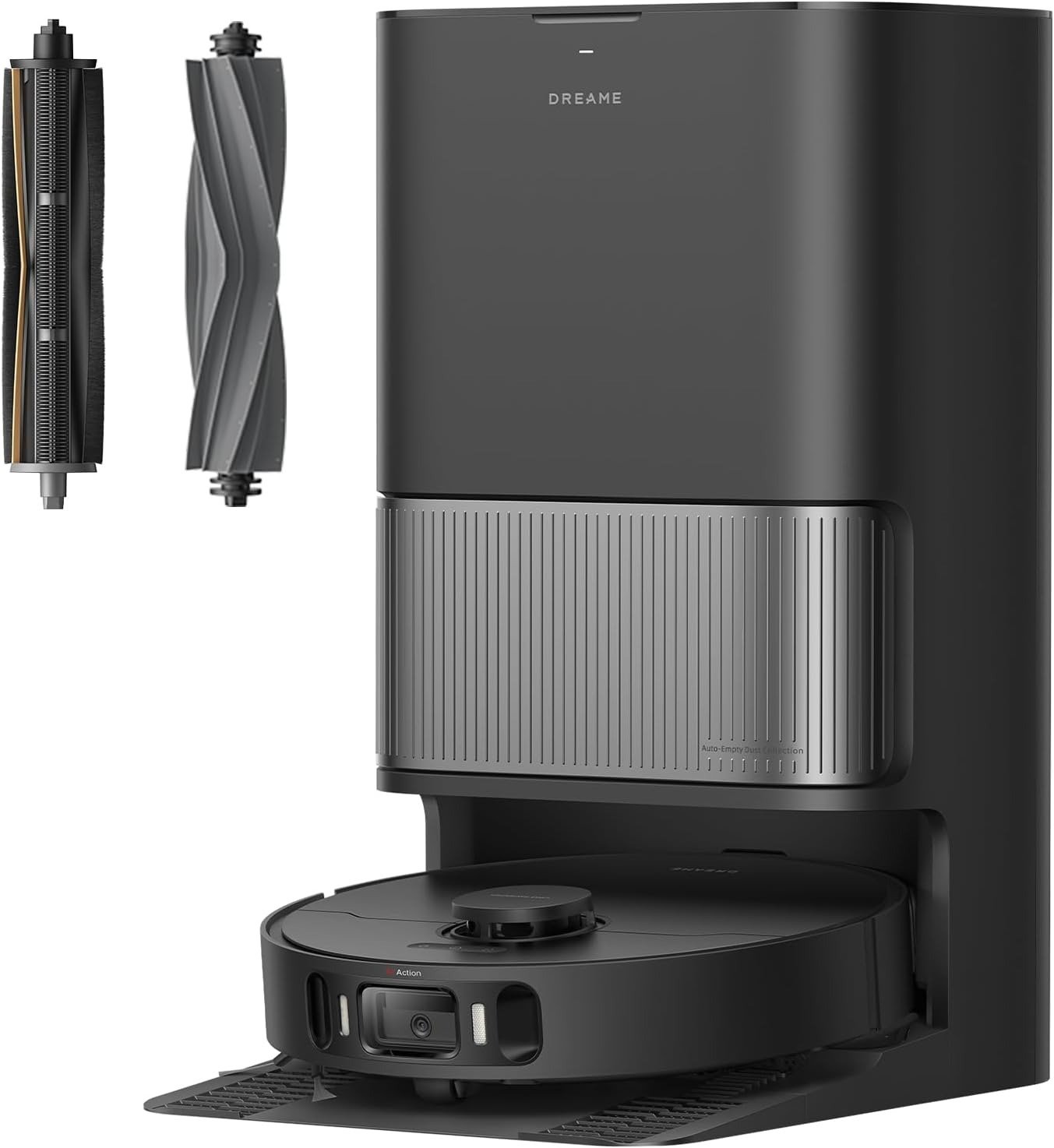
I don’t treat this robot as “good” or “bad.” I treat it like a system with a measurable performance window that shifts under real home load. The D20 Pro Plus is built around strong pickup power (13,000Pa), a detangling DuoBrush, an extendable side brush for edges, LiDAR + laser avoidance, and a self-empty base with a 5L bag rated up to 150 days.
So the question becomes: How stable is its output when my life compresses the window?
Mechanical Model Chosen: Variance Window (Not Threshold)
I’m not using a “collapse” story here because the field signals don’t support a single sharp failure point. What shows up instead is a range of results that tightens or widens based on load, clutter, and maintenance cadence.
Variance Quantification Protocol: Three Stability Bands
I map the D20 Pro Plus into three bands:
1. Stable Band (tight window)
Typical home: mostly hard floors, low clutter, controlled pet hair.
What I notice (Tier 1): clean lanes, strong pickup, fewer hair wrap interruptions.
What explains it (Tier 2): DuoBrush detangling design + high suction + mapping/avoidance.
2. Compressed Band (window narrows, needs routine resets)
Typical home: mixed floors + rugs + daily crumbs + moderate hair.
Tier 1: edges stay good, but I start seeing “light misses” unless I keep micro-load down.
Tier 2: repeated cycles load the brush/sensors; the system still works, but it needs periodic cleaning/wipes to stay consistent.
3. Noisy Band (wide window, results feel inconsistent)
Typical home: heavy shedding pets + lots of small clutter + frequent rug transitions.
Tier 1: cleaning still happens, but consistency drops—especially where clutter forces detours and where fine debris accumulates.
Tier 3 support: user sentiment around app control expectations and “not always perfect” outcomes often clusters here, especially when people expect zero intervention.
Drift Enforcement Layer — How Variance Grows With Behavior + Time
This is the drift sequence I can actually defend causally:
Step 1 (Habit): I run it frequently because it’s convenient (daily / near-daily).
Step 2 (Accumulation): micro-load builds—hair strands, fine dust film, damp residue after mop runs.
Step 3 (First Signal): I notice small behavioral tells: slightly more edge residue, slightly more “scatter” with certain crumbs, slightly more rerouting around clutter (Tier 1).
Step 4 (Compression): performance window narrows unless I reset the system (brush check, filter clean, sensor wipe, pad rinse).
Step 5 (Widening Variance): if I ignore the resets, the results feel “random,” even though the mechanics are behaving predictably under load.
Temporal Exposure Band — When Performance Starts to Decline
I don’t say “after a while.” I anchor it to cycles:
Drift starts showing up after repeated full-home runs when micro-load has had time to accumulate.
The manual itself makes this causal: it repeatedly ties reduced suction / stuck events / navigation issues to clogged filters, tangled brushes, dirty sensors, and recommends routine cleaning to restore normal behavior.
So the time factor is not calendar time—it’s usage density.
Anchor Protocol — 3 Observable Indicators (Temporal + Sensory + Performance)
Temporal indicator: consistency changes after repeated cycles without a “reset” routine.
Sensory indicator: the sound/feel of airflow and pickup “sharpness” changes when filters/paths load up (I notice this before a chart would).
Performance indicator: edge lines and fine debris pickup become less repeatable until I clean brush/sensors/pad.
The Honest Constraint (No Drama): Mopping Is Surface Maintenance
Vacuuming is the strength signal people keep repeating across credible reviews, while mopping is consistently described as lighter—good for keeping floors fresh, not for removing set-in grime or replacing a real mop.
This matters because expecting “deep mop” performance pushes you into the Noisy Band psychologically (you read normal limits as failure).
Compatibility Split 3.0
Path A → System Compatible
You’re compatible if you want:
- strong day-to-day vacuuming consistency, especially for hair and mixed debris,
- auto-empty convenience (5L bag / up to 150 days claim),
- app/voice control and mapping customization,
- and you accept that stability is preserved by occasional micro-reset maintenance.
Path B → System Misaligned (and your choice stays intelligent)
You’re misaligned if you want:
- mopping that removes stuck-on grime without follow-up,
- zero maintenance and zero setup friction,
- perfect consistency in heavy clutter without changing the environment.
No shame here—this is a mismatch of expectations to a real variance window.
Retention Safety (No-Justified purchase + Non-commercial alternative)
If you’re Path B, the best “upgrade” isn’t necessarily another robot—it’s reducing variance at the source: fewer small floor obstacles, a predictable rug strategy, and a simple weekly reset routine (brush/sensor/pad).
That single behavior change often tightens the window more than spending more money.
“If your home sits in the Stable or Compressed Band, the D20 Pro Plus is mechanically aligned with your routine.
Instability compounds. Alignment doesn’t.
Transparency Note: This analysis is not a passing personal opinion; it is the result of synthesizing feedback from real buyers, documented reviews, and technical documentation. The objective is to present a clear, structured interpretation of the data, free from personal bias.
One Comment