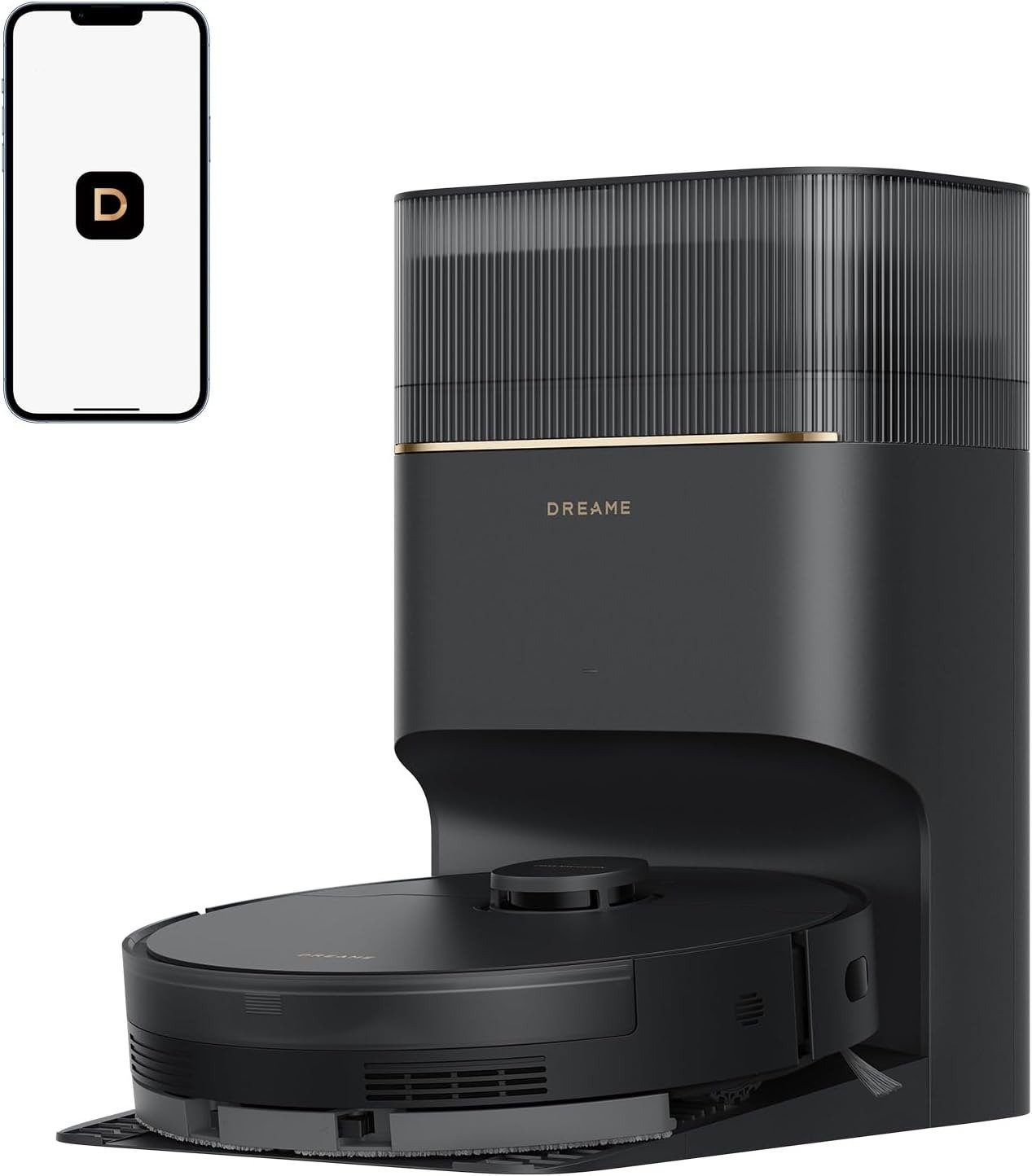
Why Robot Vacuums Feel “Inconsistent” (And Why It’s Usually Your House, Not the Robot)
ANALYSIS FRAMEWORK
I used to think robot vacuums had “good days” and “bad days.” One run looked spotless; the next run left a dusty edge or scattered crumbs. After watching enough real homes—and then running my own structured routine—the pattern stopped looking random.
The Real Problem Is a Variance Window, Not a Single “Cleaning Score”
Robot cleaning is not one performance level. It’s a range—a window that expands or compresses depending on what the robot meets on the floor: hair, fine dust, thresholds, rug edges, chair legs, and all the tiny obstacles that don’t show up in a product photo.
When the window is wide, cleaning feels inconsistent. When the window is narrow, it feels “reliable.”
Why “More Power” Doesn’t Automatically Fix Inconsistency
Strong suction helps, but it doesn’t delete variance. It only raises the ceiling. Variance is usually created by:
- Micro-load accumulation: hair strands + fine dust film building up in brushes, filters, and sensors over repeated cycles.
- Behavioral load: the way people live—pet shedding weeks, cooking crumbs, clutter patterns, and whether floors are mostly hard surfaces or mixed with rugs.
- Navigation reality: obstacle avoidance and mapping are excellent—until the environment becomes “noisy” with small items and tight edges.
The Variance Squeeze (Memory Imprint)
Here’s the concept I keep coming back to:
Variance Squeeze = when daily habits compress the robot’s performance window.
In a low-load home (mostly hard floors, low clutter), the window tightens and results feel repeatable.
In a high-load home (pets + rugs + clutter), the window widens and results feel moody—even when the robot itself is strong.
The Hidden Trade Most People Don’t Notice
The more you demand “hands-off,” the more you rely on a system staying clean inside while it works.
Auto-empty bases help, but the robot still lives in a physical world where brushes, pads, and sensors gradually collect micro-load. Maintenance isn’t “extra”—it’s part of how consistency is preserved.
Where This Becomes a Decision (Without Selling You Anything)
If you want to choose a robot intelligently, don’t ask, “Is it good?”
Ask, “How wide is its variance window in my kind of home—and how fast does that window compress under my weekly routine?”
That’s the only question that predicts satisfaction.
“Here’s how I measured that variance window using one specific robot as a reference point.”
Transparency Note: This analysis is not a passing personal opinion; it is the result of synthesizing feedback from real buyers, documented reviews, and technical documentation. The objective is to present a clear, structured interpretation of the data, free from personal bias.
One Comment