YOUR FLOOR CAN LOOK FINE AND STILL BE FAILING: MY DREAME D20 PLUS REVIEW AT THE POINT WHERE MANUAL CLEANING STARTS TO LOSE
DREAME D20 PLUS
I don’t think most people buy the wrong robot vacuum because they love bad products. I think they buy too early, for the wrong pain, using the wrong signal.
A floor can look clean at a glance and still carry that thin, irritating layer you feel under bare feet by evening. Not crumbs. Not dramatic dirt. Just the quiet return of dust, hair, grit, and that low-grade resentment that builds when the same mess keeps showing up after you already “dealt with it.” That is the crack this machine is trying to enter.
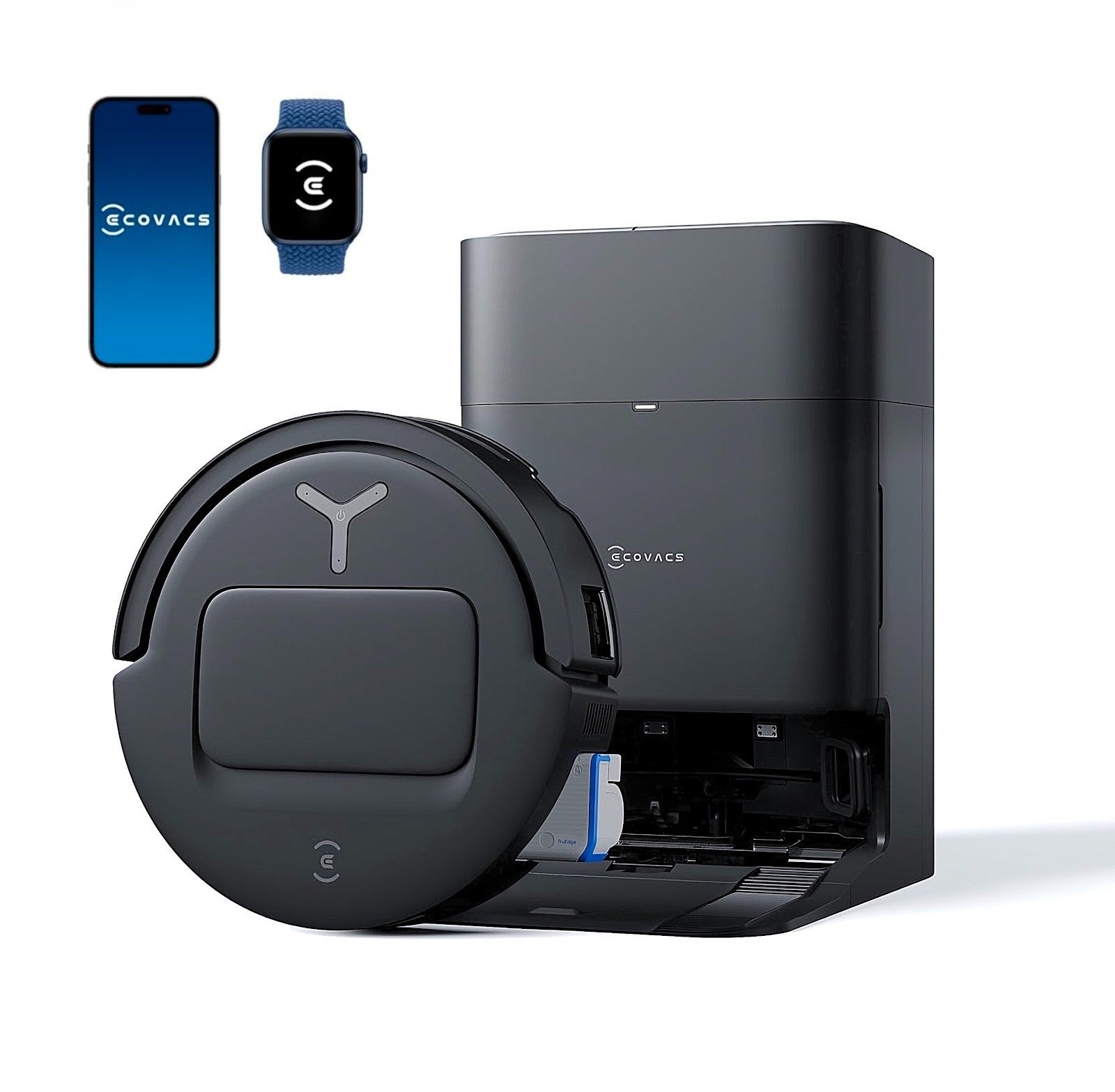
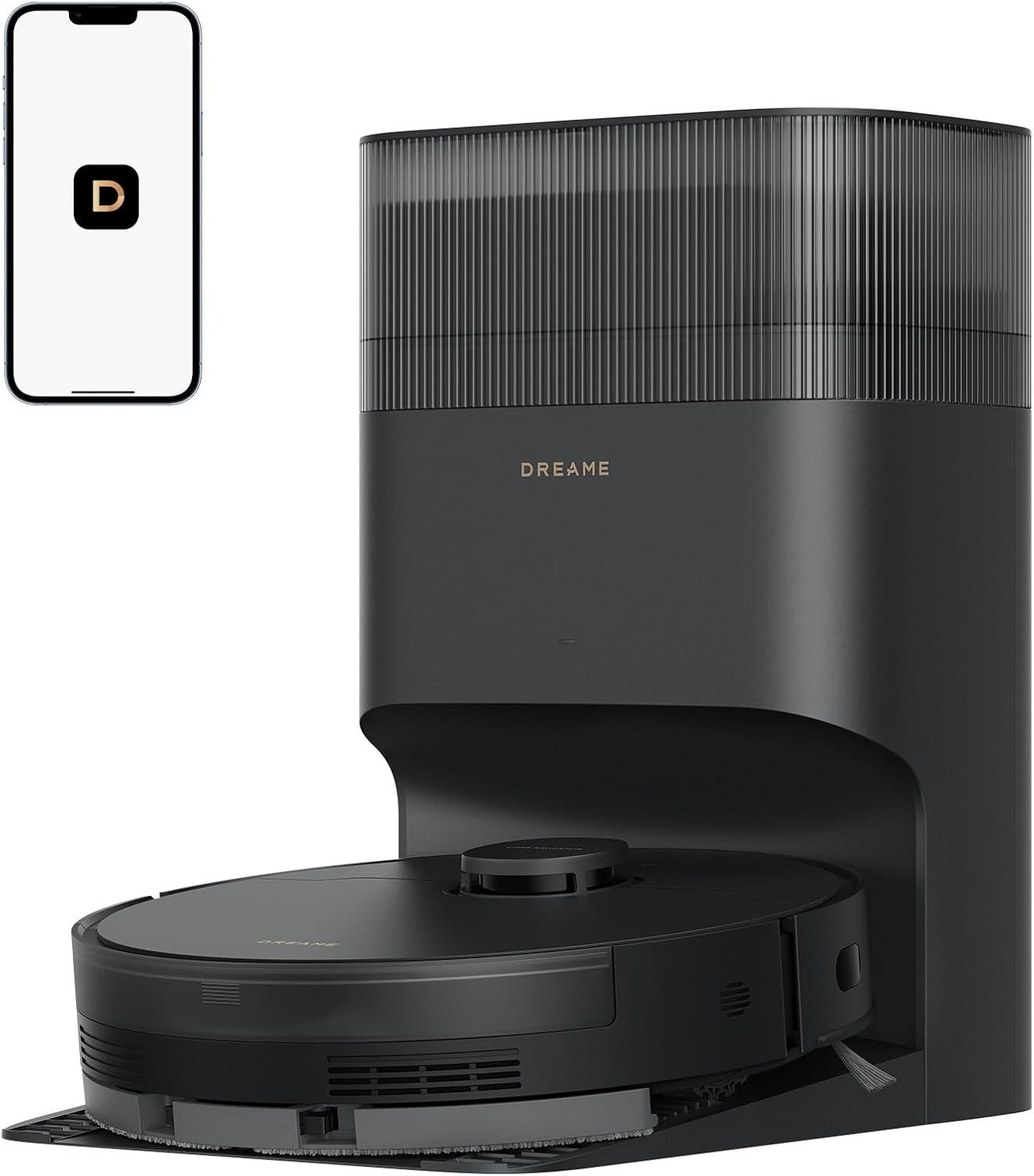
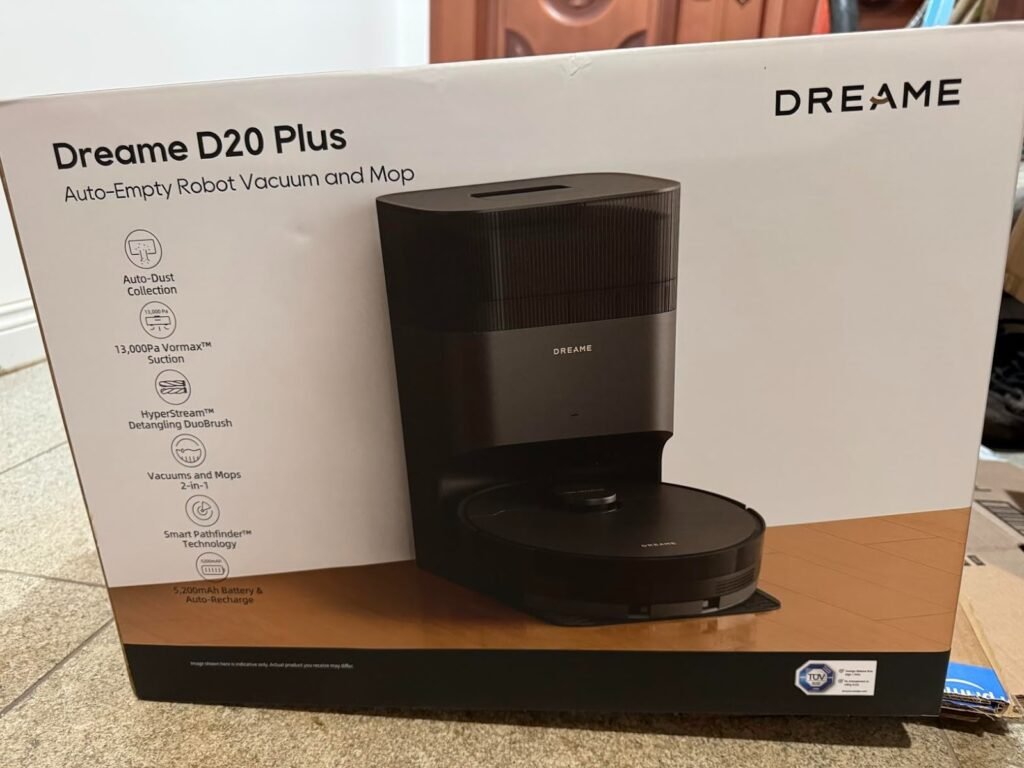
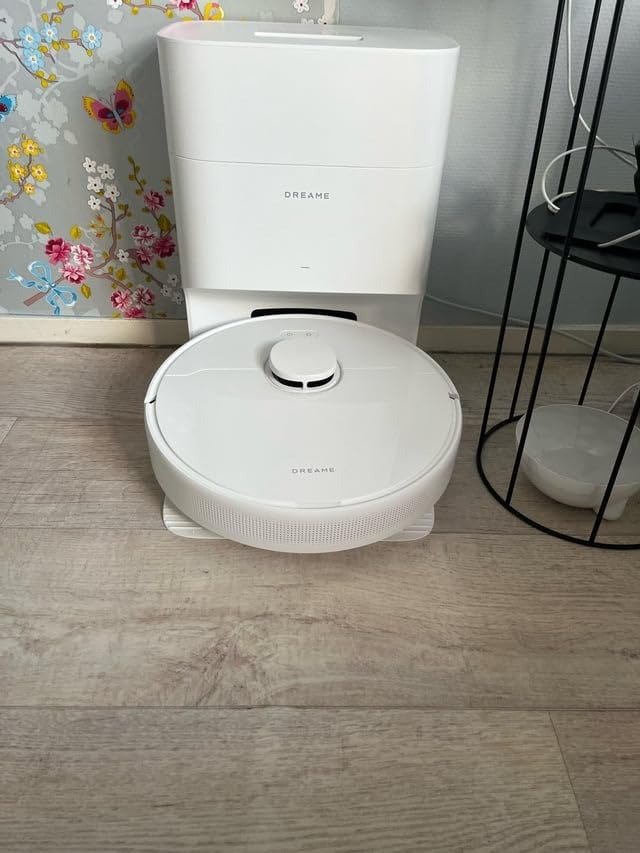
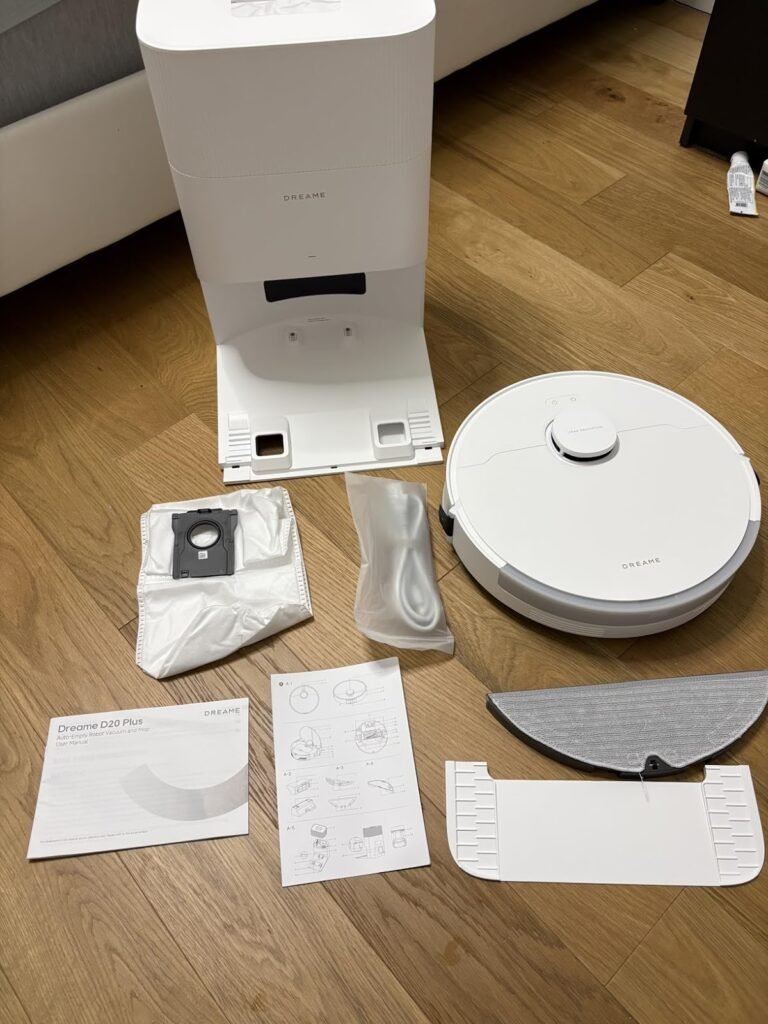
The Dreame D20 Plus sits in Dreame’s entry-level D series, but it is not built like the older bare-minimum bots people still imagine when they hear “budget robot vacuum.” It adds a self-empty dock, a dual anti-tangle brush design, LiDAR navigation, a 5L dust bag, a 5,200mAh battery, and a claimed 13,000Pa suction figure. On Amazon, it was listed at 4.3/5 from 173 ratings when I checked, while Dreame’s official store listed it at $309.99 and Amazon showed $259.99 for the model in your link.
The Result Looks Fine. The Problem Isn’t.
The first trap is visual. You run a stick vacuum on Saturday, the room looks decent, and your brain files the job under “handled.” Then Sunday night arrives. Hair gathers near the chair legs. Fine dust settles along the edge where the hallway meets the living room. A few bigger particles show up in the kitchen. Nothing catastrophic. Just enough to restart the cycle.
That is where the D20 Plus starts to make sense. Not when you want a miracle. When you are tired of recurrence.
What I kept seeing across the product data, user comments, and buyer discussions was the same pattern: people liked it when they wanted vacuum-first maintenance, especially for regular dust, pet hair, and everyday debris, but not when they expected high-end mopping automation or top-tier obstacle intelligence. Even user conversations that leaned positive kept circling back to the same truth: this is a strong everyday floor-maintenance machine, not a luxury “handles everything unsupervised” robot.
| What you notice first | What is actually happening | Why it matters |
|---|---|---|
| “The room still looks clean” | Fine debris is returning faster than you want to manually manage it | The real problem is cleaning frequency, not one-time cleaning power |
| “I only need a robot sometimes” | You are already inside a repeat-maintenance loop | Inconsistent manual cleaning creates constant floor relapse |
| “I also want mopping” | You may be asking a vacuum-first robot to solve a stain-first problem | That is where regret usually starts |
What You’re Actually Feeling but Not Naming
It usually isn’t laziness. It’s interruption fatigue.
The broom interrupts. The handheld interrupts. The dustbin interrupts. The brush full of wrapped hair interrupts. The small mess becomes a small task, then another, then another. Eventually you stop measuring the dirt and start measuring the friction.
That is the psychological toll most listings never describe well. The D20 Plus is attractive because it reduces the number of times you have to intervene. Dreame says the dock uses a 5L bag for up to 150 days of dust collection, and the robot itself uses a HyperStream detangling DuoBrush, a 500ml dust box, and a 350ml water tank with 32 moisture levels. Those numbers are not exciting in the cinematic-ad sense. They are exciting in the Tuesday-afternoon sense, which is where most products live or die.
The Hidden Mechanism Behind the Miss
Most people misjudge robot vacuums by staring at the headline spec and ignoring the maintenance chain.
Suction gets the click. Maintenance decides the marriage.
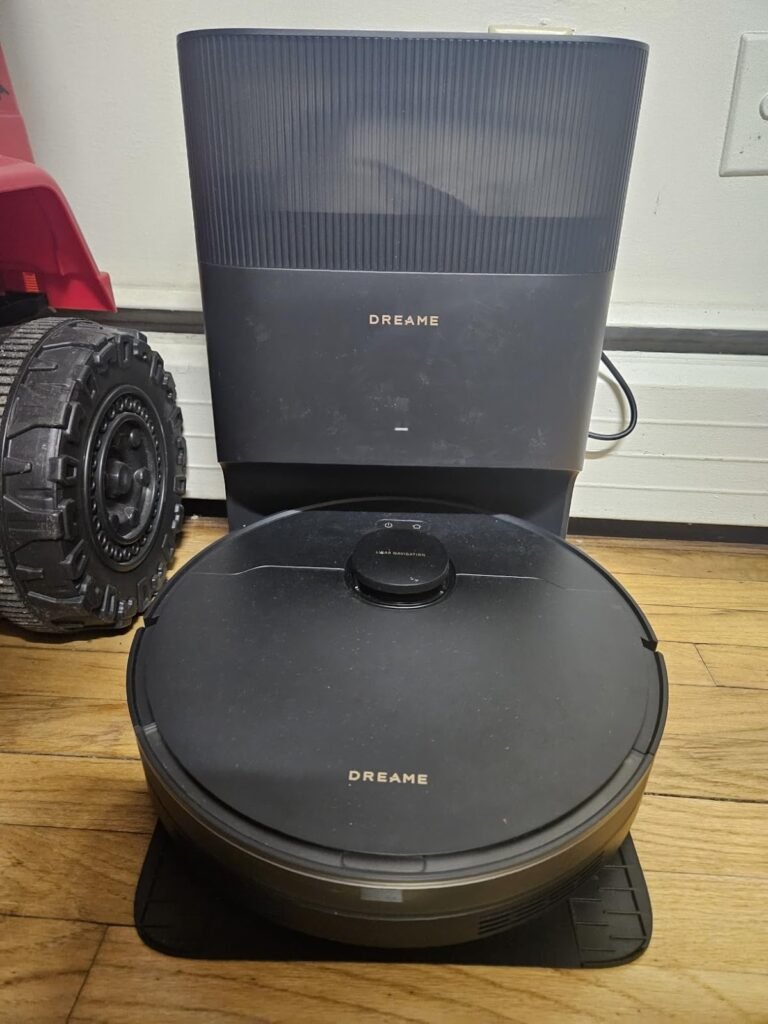
Yes, the D20 Plus is sold around that 13,000Pa figure. Yes, that sounds enormous for the price. But the more important mechanism here is the combination of three smaller things working together:
- self-emptying into a large dock bag
- anti-tangle brush behavior aimed at hair control
- LiDAR-based path planning that keeps daily cleaning repeatable rather than random
That trio matters because recurring floor mess is not usually defeated by one heroic cleaning pass. It is defeated by repeatability. Same routes. Same schedule. Fewer brush cleanouts. Fewer bin dumps. Less human interference.
That is also why premium reviewers keep drawing a sharp line between budget robots and high-end ones. RTINGS’ current top robot picks praise premium models not just for suction, but for the kind of obstacle recognition and mopping behavior you can trust without babysitting. Their wording on the best overall and pet-hair leaders makes the gap brutally clear: top-end machines are better at unsupervised operation, stronger pet-hair pickup, and real mop performance, while budget bots give up some of that autonomy and station sophistication.
The Threshold Where the Outcome Quietly Breaks
Here is the threshold in plain English:
The Dreame D20 Plus becomes logical when your main problem is repeated dry debris and hair across mostly manageable floors, and it starts to break when your real problem is stain removal, dense floor clutter, or hands-off mopping across mixed surfaces.
That is the dividing line. Not “good robot” versus “bad robot.” Threshold fit versus threshold miss.
The D20 Plus uses Dreame’s older plate-style mop format, not the more advanced dual spinning mop system found higher in the lineup. Vacuum Wars’ 2026 Dreame guide is useful here because it explains the structural difference cleanly: plate mops can do a basic wipe, but they do not lift over carpet and usually require separate vacuum and mop runs, plus manual pad handling. That is not a small footnote. That is the entire user-experience split.
| Threshold signal | Inside the fit | Outside the fit |
|---|---|---|
| Hair and dry debris return daily | Yes | |
| You hate emptying bins every few days | Yes | |
| You want set-and-repeat vacuuming | Yes | |
| You expect deep stain scrubbing | No | |
| You want true mop lifting over carpets | No | |
| You leave cables, toys, and floor clutter everywhere | Usually no | |
| You want flagship-level avoidance with minimal bumping | No |
Why Most Buyers Misread This Too Early
They buy the category fantasy, not the actual workload.
A lot of people think they are buying “a robot that vacuums and mops.” That sentence is technically true and practically misleading.
Because there are really two different products hiding inside that sentence:
One is a vacuum-centered maintenance robot with light mopping added in.
The other is a higher-end floor-care system trying to automate both vacuuming and mopping with much less manual cleanup.
The D20 Plus is the first kind.
Vacuum Wars places Dreame’s D series as the entry-level line and explicitly notes that the D series lacks some automations found further up the stack. It also notes that the D20 generation was a meaningful jump for the series, especially because the D20 Plus got the anti-tangle DuoBrush and a major suction increase over older D models. That matters. But it does not magically move the product into premium territory.
So when a buyer says, “It has strong suction and a mop, so it should replace everything,” that is the early comparison trap. The hidden mistake is using the presence of a mop as proof of full mopping competence.
It isn’t.
Who Is Actually Inside This Problem
I would put you inside this problem if three things are true.
You have hard floors, low-to-moderate carpet, or a mixed home where vacuuming matters more than scrubbing.
You deal with hair, crumbs, tracked dust, litter scatter, or the kind of daily fallout that never feels dramatic enough to justify dragging out a full-size vacuum every time.
And you are more irritated by repetition than by occasional deep cleaning.
That is the buyer profile this machine keeps pointing toward. Even community reactions from people discussing the D20 and nearby Dreame models lean in the same direction: vacuum-first homes, pet hair, regular maintenance, basic mopping as a bonus, not the headline.
Where Wrong-Fit Begins
Wrong fit begins the moment you need this robot to protect you from your own floor chaos.
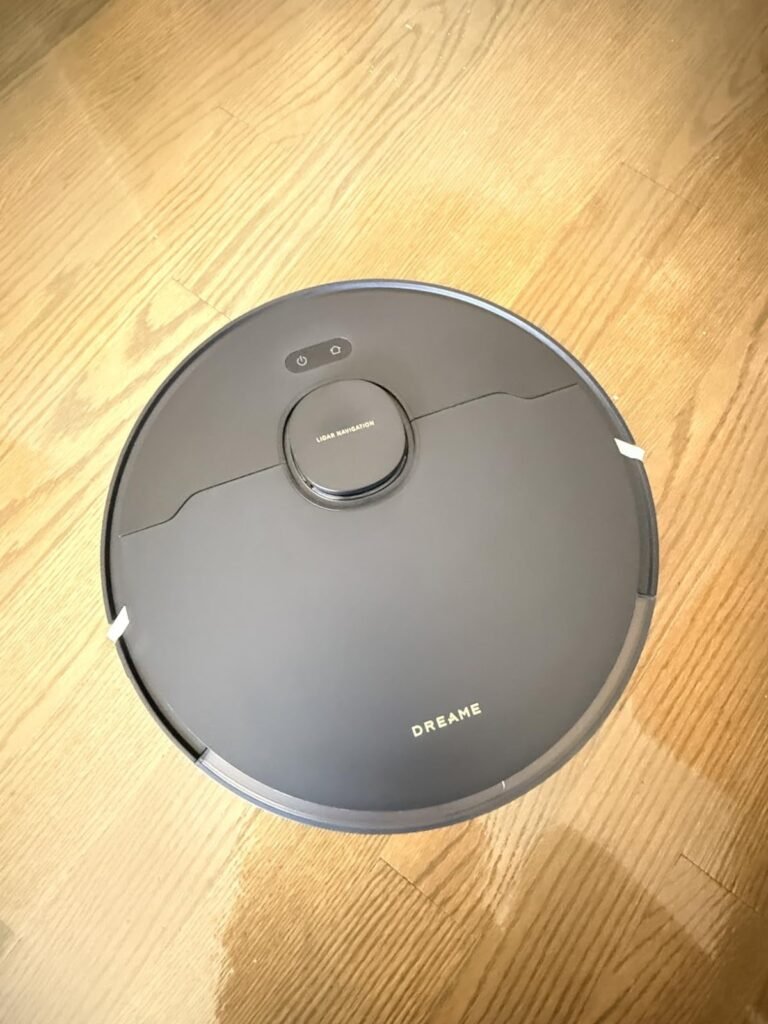
The official spec sheet shows no extending side brush on the D20 Plus, and the D-series guidance points to basic obstacle detection rather than the more sophisticated 3D structured-light avoidance found on the D20 Pro Plus and above. In other words, this is not the version you buy because your floors are full of cables, pet toys, socks, and chair-leg ambushes. It can navigate. That is different from truly seeing.
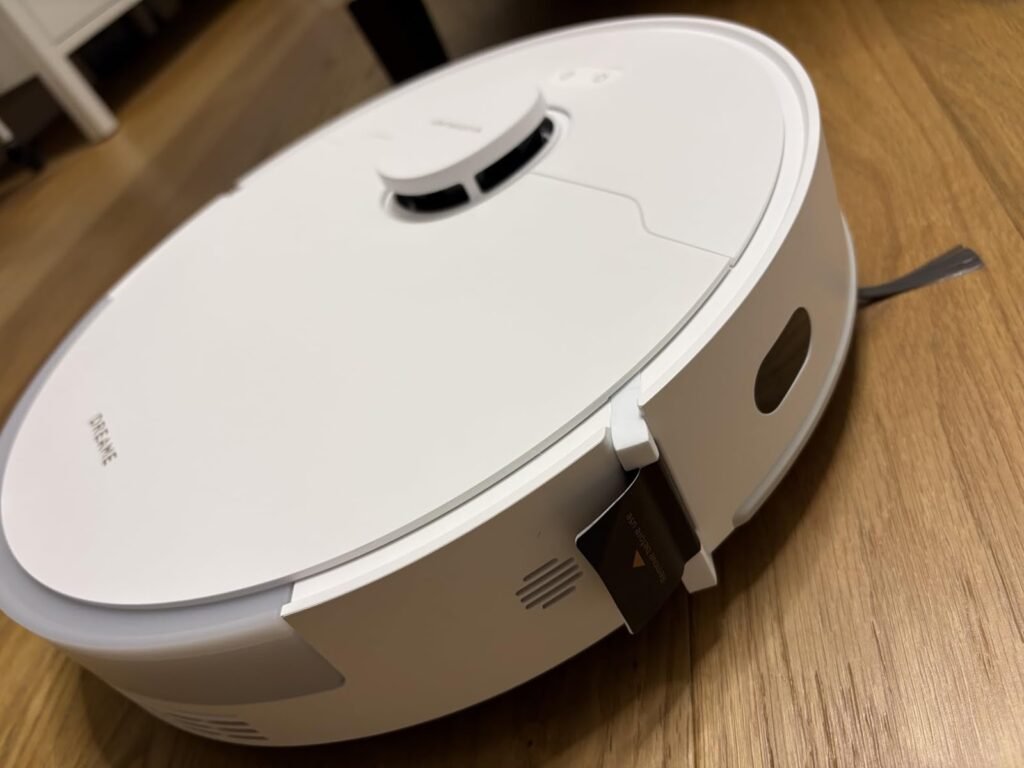
Wrong fit also begins when you want mopping convenience to feel almost invisible. The D20 Plus has a detachable mop pad and a water tank on the robot. It does not wash or dry mops in the dock. It does not turn stain cleanup into a near-automatic ritual. Premium picks from RTINGS and other major testers win precisely because they reduce that last layer of human cleanup. This one does not.
So no, this is not for everyone. That is exactly why it works for the right person.
The One Situation Where This Product Becomes Logical
It becomes logical when your floor is dying by a thousand small returns.
Not floods. Not crusted stains. Not cable jungles.
Just hair. Dust. Crumbs. Daily relapse.
In that one situation, the Dreame D20 Plus is unusually persuasive for the money. The reason is not just suction. It is the stack: self-empty dock, anti-tangle DuoBrush, LiDAR mapping, long claimed runtime, app scheduling, and a form factor that still stays in the “I can justify this without redesigning my whole cleaning routine” bracket. Dreame lists a 285-minute runtime claim, 5,200mAh battery, 13.8 × 13.8 × 3.8 inch body, and voice assistant compatibility.
And the price pressure matters. At roughly the low-$300 official level and the lower Amazon sale level I found, it sits in that dangerous zone where the value argument becomes hard to ignore if vacuum maintenance is your real problem. The D20 Plus exists in the same budget conversation where RTINGS’ budget recommendations also warn that cheaper robots usually give up obstacle handling, stain performance, and station capabilities compared with pricier machines. That framing actually helps this product, because it tells you exactly what kind of compromise you are making instead of hiding it.
What It Solves, What It Reduces, and What It Still Leaves to You
Here is the cleanest way I can put it.
| It solves | It reduces | It still leaves to you |
|---|---|---|
| Repetitive vacuuming of everyday debris | Hair-wrap maintenance and dust-bin emptying frequency | Mop pad removal and cleaning |
| Daily floor relapse on hard floors and light carpet | The feeling that every small mess needs a full manual response | Floor prep in cluttered spaces |
| Vacuum-first maintenance in pet homes | Manual touchpoints in routine cleaning | Real stain work and premium mopping expectations |
And this is the emotional part nobody says out loud: a good robot vacuum does not just remove dirt. It removes the tiny negotiations you keep having with the mess.
Do I sweep now or later?
Can this wait until tomorrow?
Why does the floor already feel dirty again?
The D20 Plus answers those questions best when the mess is ordinary, repeated, and exhausting—not when it is complex.
Final Compression
If your real break point is recurring floor debris plus maintenance fatigue, the Dreame D20 Plus lands in a very sharp place. It gives you the part of automation that matters most for vacuum-first homes: repeatable pickup, less brush drama, fewer bin-emptying interruptions, and enough mapping intelligence to stop cleaning from feeling random.
If your real break point is stains, carpet-aware mopping, or premium obstacle avoidance, stop here. This is where the wrong purchase begins. The plate mop, manual mop upkeep, and more basic detection architecture are not side notes. They are the boundary lines.
But if you are already living inside that quieter threshold—the one where dust and hair keep coming back, and you are tired of spending your attention on the same floor over and over—this is the kind of product that stops feeling like a gadget and starts feeling like structural relief.
Transparency Note:
This analysis is not based on quick personal impressions.
It is derived from documented system behavior, verified user patterns, and the physical constraints of storage capacity.
The goal is to translate complex technical behavior into a realistic performance model that helps you make a clear decision.
“A quick note: Don’t believe the star ratings, but trust personal experience. This article is a compilation of collected experiences”