Why Robot Mops Start Strong Then Quietly Fall Off
ANALYSIS FRAMEWORK
The first time I really paid attention to a premium robot mop, I noticed something that specs alone never explain.
The floor looked good at first glance, but the longer the run went on, the less convincing the result became.
What looked clean from the doorway started showing faint residue, soft streaking, or that slightly dull finish you only notice when light hits the floor at an angle.
That is the pattern I keep coming back to, and it is the easiest way to understand why some robot mops feel genuinely impressive while others slowly lose credibility as they move through the house.
I call it the Fresh-Mop Threshold. It is the point where a robot stops cleaning with a genuinely fresh contact surface and starts cleaning with one that is already carrying too much of the mess it is supposed to remove.
Most people shop this category by headline numbers.
They look at suction, navigation, dock features, and whether the station uses hot water. Those things matter, but they do not really explain why one machine leaves a kitchen feeling properly reset while another seems to push moisture and grime around after the first few rooms.
The deeper issue is whether the mop stays fresh during the run, not just after it.
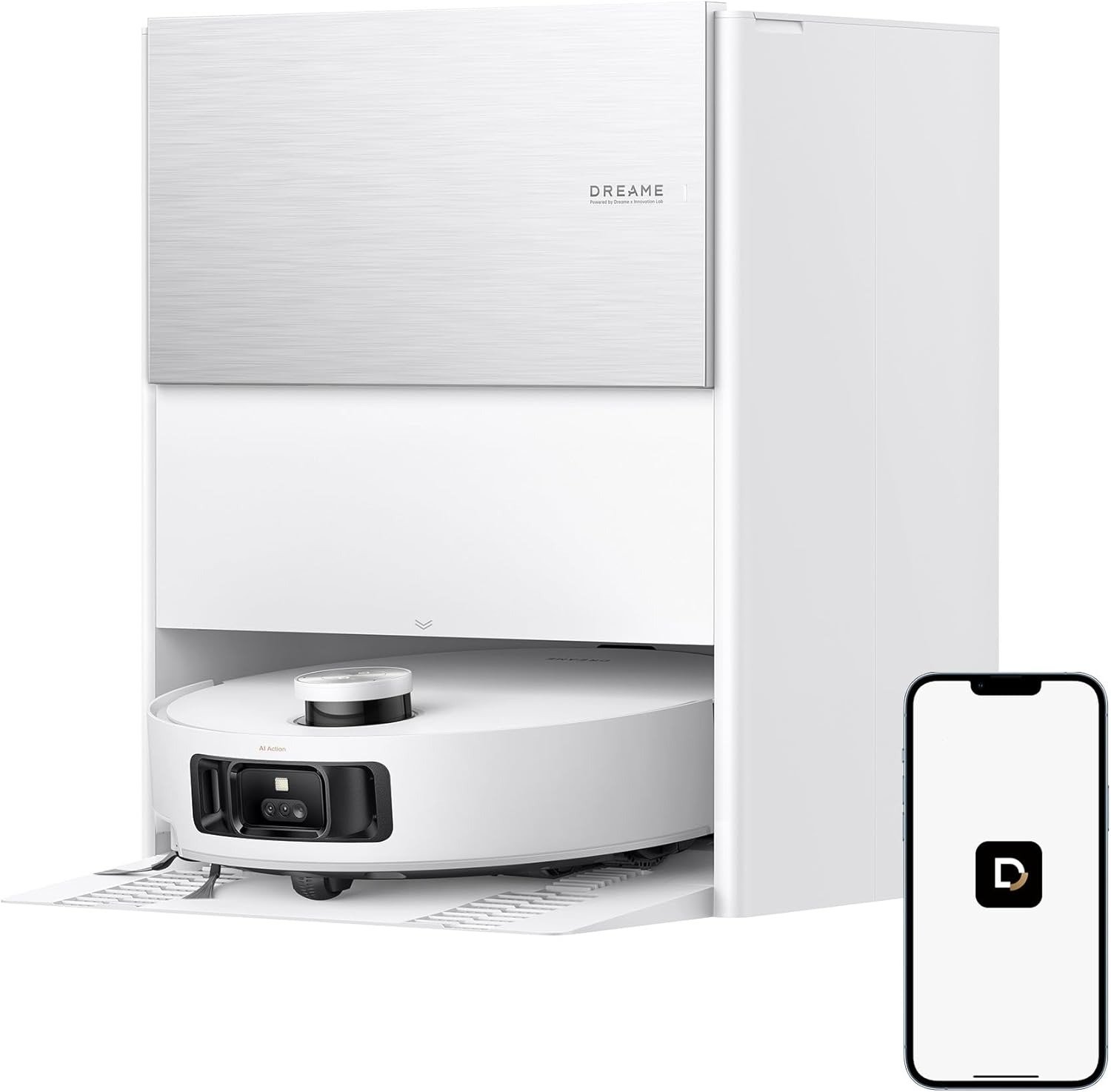
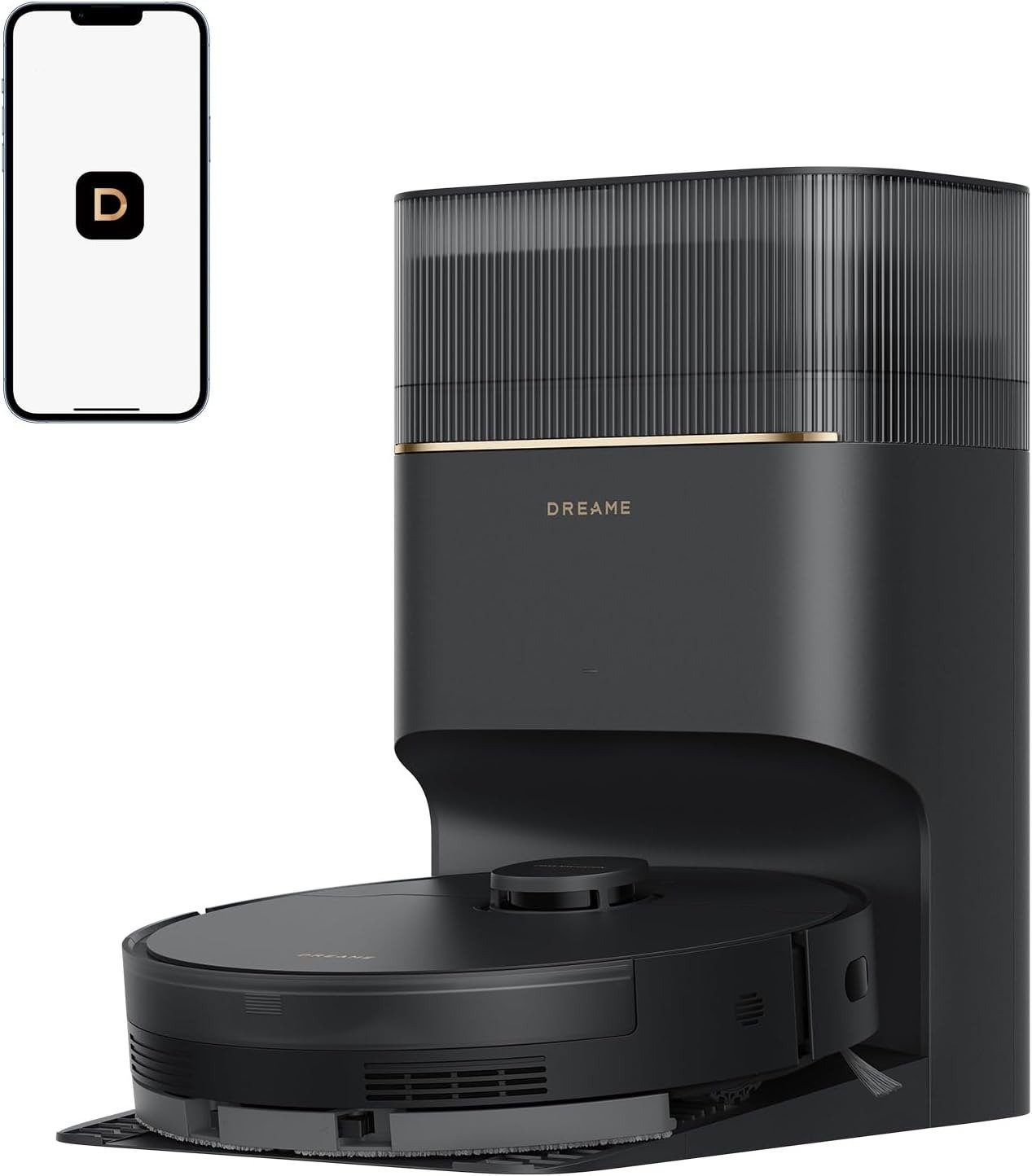
That is why the Dreame Aqua10 caught my attention.
Its entire design leans into that problem. Instead of relying on a traditional pad that gradually loads up as it goes, it uses a roller system that is refreshed in real time with fresh water, supported by a scraper, and fed through 12 spray nozzles.
The roller spins at 100RPM, the FluffRoll works at 1,000RPM, and the dock later cleans the system with 212°F hot water and hot air drying.
When I look at premium mopping robots, that is the kind of architecture that actually tells me the brand understands where performance usually begins to drift.
The Fresh-Mop Threshold, In Plain English
The idea is simple. A robot mop works well until the cleaning surface becomes dirty enough that every new pass removes less than it should.
Once that threshold is crossed, the robot is still moving, still wetting the floor, and still technically “mopping,” but the quality of the contact has changed.
That is why some machines feel excellent in a small bathroom refresh, then strangely average in a kitchen after a meal or on a longer whole-home run.
The failure is not dramatic. It is gradual. And because it is gradual, it is often missed during shopping.
What matters is not whether a robot can clean well for a moment.
What matters is whether it can keep doing it after time, friction, moisture, and accumulated grime start to work against it.
Why Traditional Robot Mopping Loses Consistency
With a conventional pad-based system, the run often begins with decent moisture, decent friction, and a reassuring visual result.
But as the pad collects more dirt, oils, and debris, the robot starts drifting into a weaker cleaning state.
On hard floors, that can mean reduced grip on dried spots.
On larger homes, it means room count becomes a real performance variable.
On mixed floors, it increases the chances of carrying dampness into places you would rather keep dry.
That is why roller-based mopping is more than a design novelty.
A roller can keep presenting a newer surface to the floor, especially if it is actively being rinsed, scraped, and refreshed while the cleaning is happening.
That difference matters more than most people realize because it addresses mid-run decline directly instead of trying to recover from it later at the dock.
The Signs a Robot Stays Above the Threshold
When I want to know whether a robot really stays above the Fresh-Mop Threshold, I stop looking at slogans and start looking for patterns that survive repeated use.
| Signal | What It Usually Means |
|---|---|
| Cleaner edges late in the run | The mop surface is still effective near the end |
| Better stain removal without repeated passes | Contact quality remains high |
| Less hair wrap and less manual recovery | Maintenance drag stays low |
| Carpet protection that actually isolates moisture | Multi-surface cleaning stays stable |
| Owners schedule it often instead of babysitting it | Trust survived repeated use |
This is exactly where the Aqua10 begins to separate itself on paper and in testing.
It posted a 280 combined mopping score versus a 184 average, alongside a 136-point stain-removal result versus a 110 average.
It also showed strong edge extension and an obstacle score of 21 out of 24 versus a 16.6 average.
When I see numbers like that, I do not just read them as “good performance.”
I read them as evidence that the machine stays effective longer into the job than the average robot in the category.
Why Carpet Changes Everything
Carpet is where a lot of robot mops stop feeling premium.
A machine can look excellent on tile and still become irritating in a real home if it treats rugs like a technical inconvenience rather than part of the floor plan.
That is why I take the Aqua10’s carpet handling seriously.
It is not simply lifting away from carpet and hoping for the best.
It is using a protective cover around the roller so a damp cleaning surface is physically isolated near rugs.
That sounds like a small design detail until you have lived with a robot that is supposedly careful around carpet but still leaves you uneasy at every runner, mat, and rug edge.
This is where a good mopping robot stops being about raw cleaning and starts becoming about stability.
A mop that stays fresh but brushes dampness where it should not is unstable.
A mop that protects carpet but weakens halfway through the run is unstable too.
The real target is sustained cleanliness across time and surface changes.
Why This Matters Psychologically
There is a technical reason the Fresh-Mop Threshold matters, but there is also a human reason.
People do not buy premium robot mops just to automate movement.
They buy them because they want the background mental load of floor cleaning to shrink.
You do not want to keep wondering whether the kitchen got a weaker pass than the hallway.
You do not want to question whether the mop was already spent by room three.
And you definitely do not want a machine that looks impressive in the app but leaves you checking the floor yourself afterward.
That is why trust is everything in this category.
Once users sense inconsistency, convenience starts to collapse.
But when the robot performs well enough, often enough, something changes.
Owners start scheduling it without hesitation.
Floors stay cleaner in the background.
Pet hair becomes less of an event.
The robot stops being a gadget and starts feeling like infrastructure.
The Boundary Condition Most Buyers Miss
This is the part that matters if you are trying to make a smart decision instead of just admiring the concept.
A robot can solve the Fresh-Mop Threshold beautifully in cleaning terms and still create a new threshold in ownership.
That is the line I cannot ignore with the Aqua10.
Alongside the strong test data and enthusiastic performance feedback, there have also been recurring water-leak complaints tied to some units, especially around the dock or the mop-cleaning cycle.
That changes the conversation.
It does not erase the machine’s strengths.
It simply means the product has to be judged as a full ownership system, not just as a cleaning concept.
A robot can stay above the threshold in mopping performance and still fall below it in long-term peace of mind.
What I Took Away From This Model
Once I started judging robot mops through the Fresh-Mop Threshold, a lot of marketing noise became less important.
Suction still mattered, but not as much as I expected.
Hot washing still mattered, but only as part of a larger system.
The real question became much simpler:
Does the mop stay fresh enough during the job to keep producing the same kind of floor, not just the same kind of motion?
That is the filter that turns premium mopping from a smart investment into an expensive disappointment.
The Dreame Aqua10 makes one of the strongest technical cases I have seen for staying above that threshold.
It attacks the problem with real-time fresh-water mopping, scraper-based roller maintenance, edge extension, carpet shielding, advanced obstacle handling, strong suction, and serious dock automation.
But it also carries enough ownership caution that I would never frame it as a blind, low-risk choice.
That is exactly why the next step should not be hype.
It should be a decision test.
CTA 1
If you want to know whether the Dreame Aqua10 Roller actually stays above the Fresh-Mop Threshold in daily use without creating a new ownership problem, read the full decision breakdown here: [DECISION_LINK]
Short Product-Page Summary
I have seen a lot of robot mops look great in the first few minutes and then slowly lose their edge as the run goes on.
That is why I use one simple frame when I judge them: the Fresh-Mop Threshold.
It is the point where the mop stops working with a fresh cleaning surface and starts spreading the limits of its own contamination.
The Dreame Aqua10 stands out because it was clearly built around that problem.
Instead of relying on a pad that gradually gets dirtier, it uses a real-time fresh-water roller system with 12 spray nozzles, a 100RPM roller, a 1,000RPM FluffRoll, and a dock that later washes the system with 212°F hot water and hot air drying.
In testing, it posted a 280 combined mopping score versus a 184 average, plus a 136-point stain-removal result versus a 110 average.
It also reached 21 out of 24 in obstacle scoring versus a 16.6 average.
For the right home, that is a serious technical advantage.
But there is a caveat: recurring water-leak complaints mean this is not a zero-risk ownership story.
So the big question is not whether the concept is impressive.
It is whether the performance benefits outweigh the reliability uncertainty for your setup.
Final verdict: Consider.
Transparency Note:
This analysis is not based on quick personal impressions.
It is derived from documented system behavior, verified user patterns, and the physical constraints of storage capacity.
The goal is to translate complex technical behavior into a realistic performance model that helps you make a clear decision
One Comment