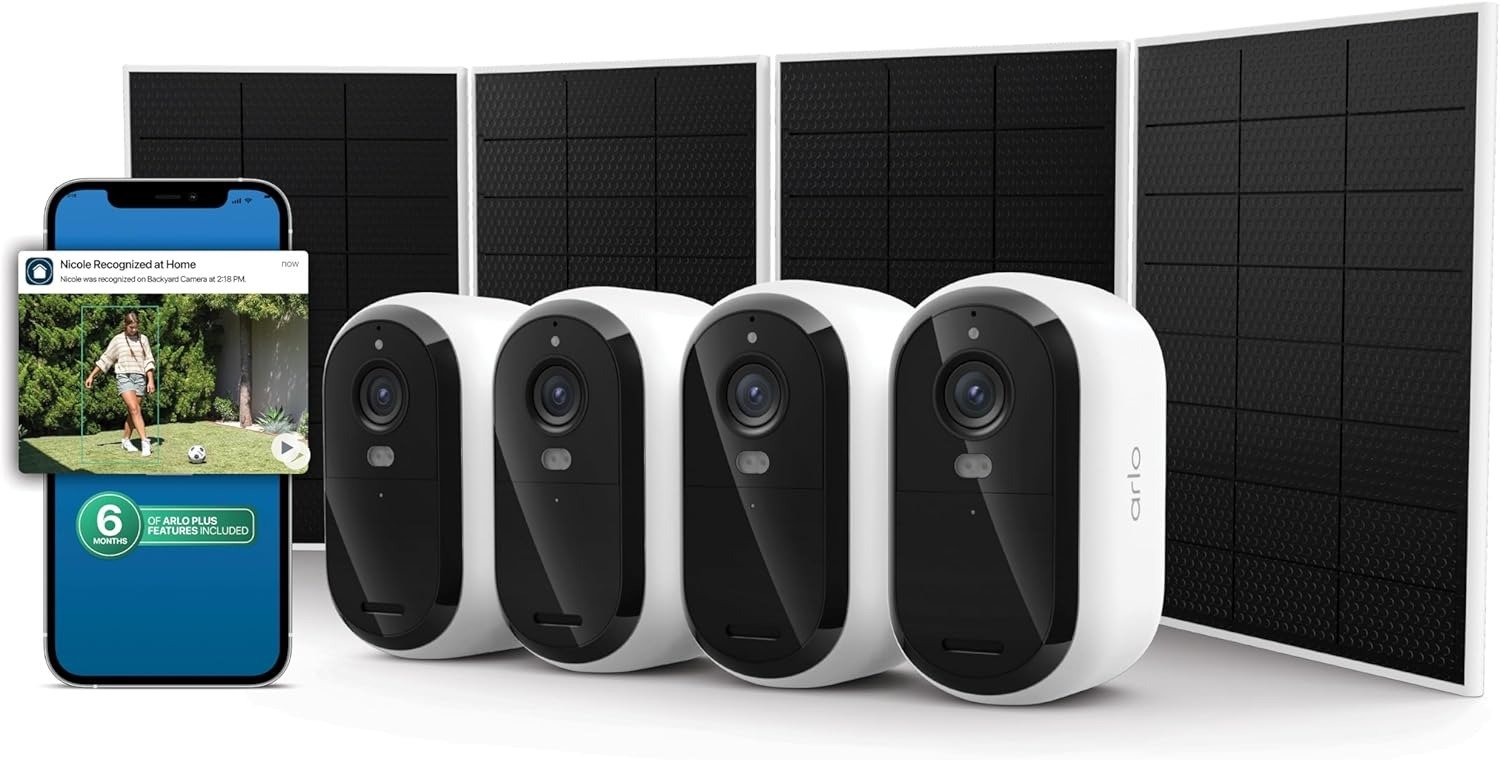
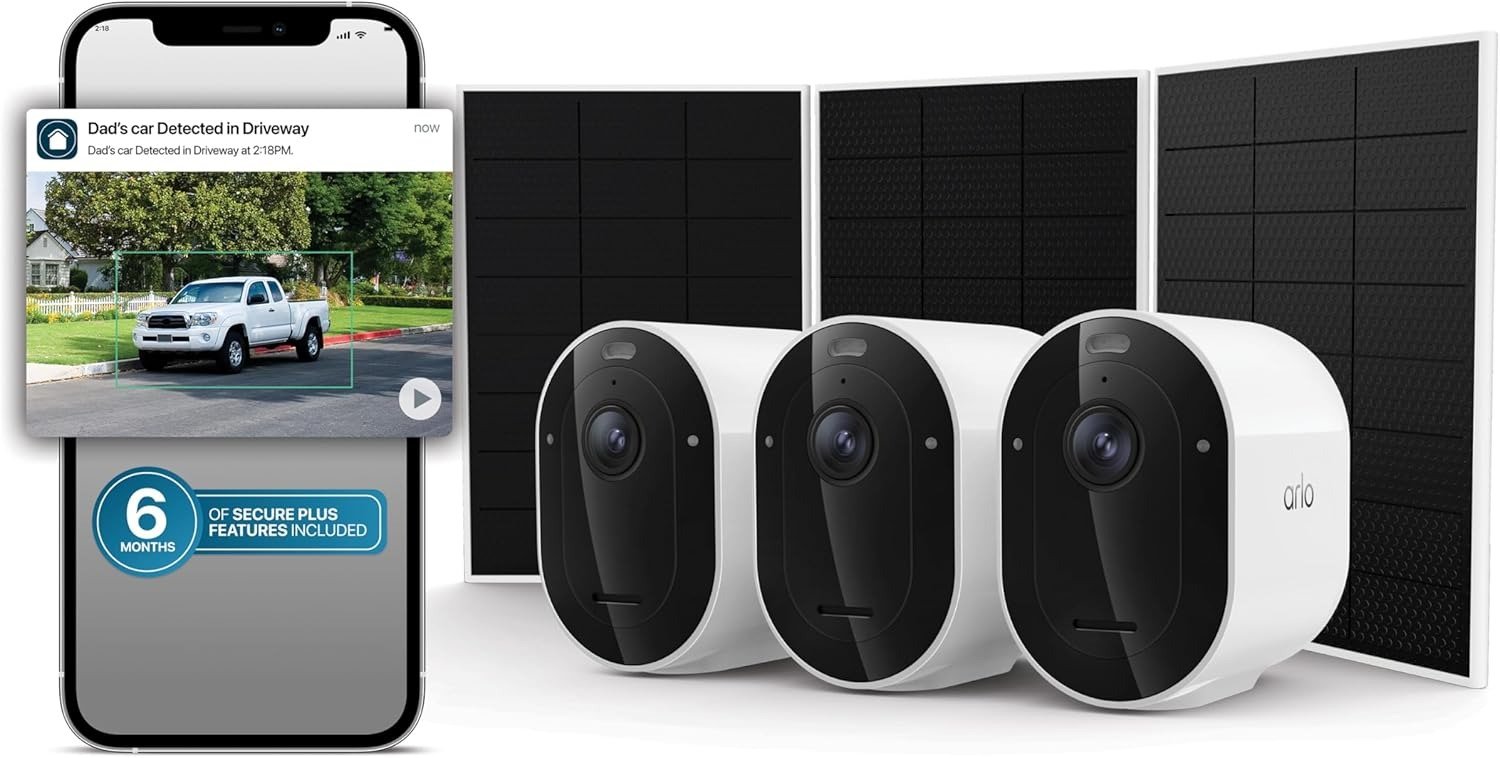
ARLO PRO SECURITY CAMERA 2K HDR (6TH GEN)
Arlo Pro 6 Doesn’t Fail on Video. It Fails—or Wins—at the Moment You Stop Babysitting It.
You do not usually discover a weak security camera when you open the app at noon and everything looks crisp. You discover it on the dull, annoying nights. Wind moving through a side yard. Headlights slicing across a driveway. A battery percentage you forgot to check. A notification that says something happened, but not enough to tell you whether it mattered. That is the real test. Not whether a camera can look good. Whether it can stay trustworthy once the routine becomes messy.
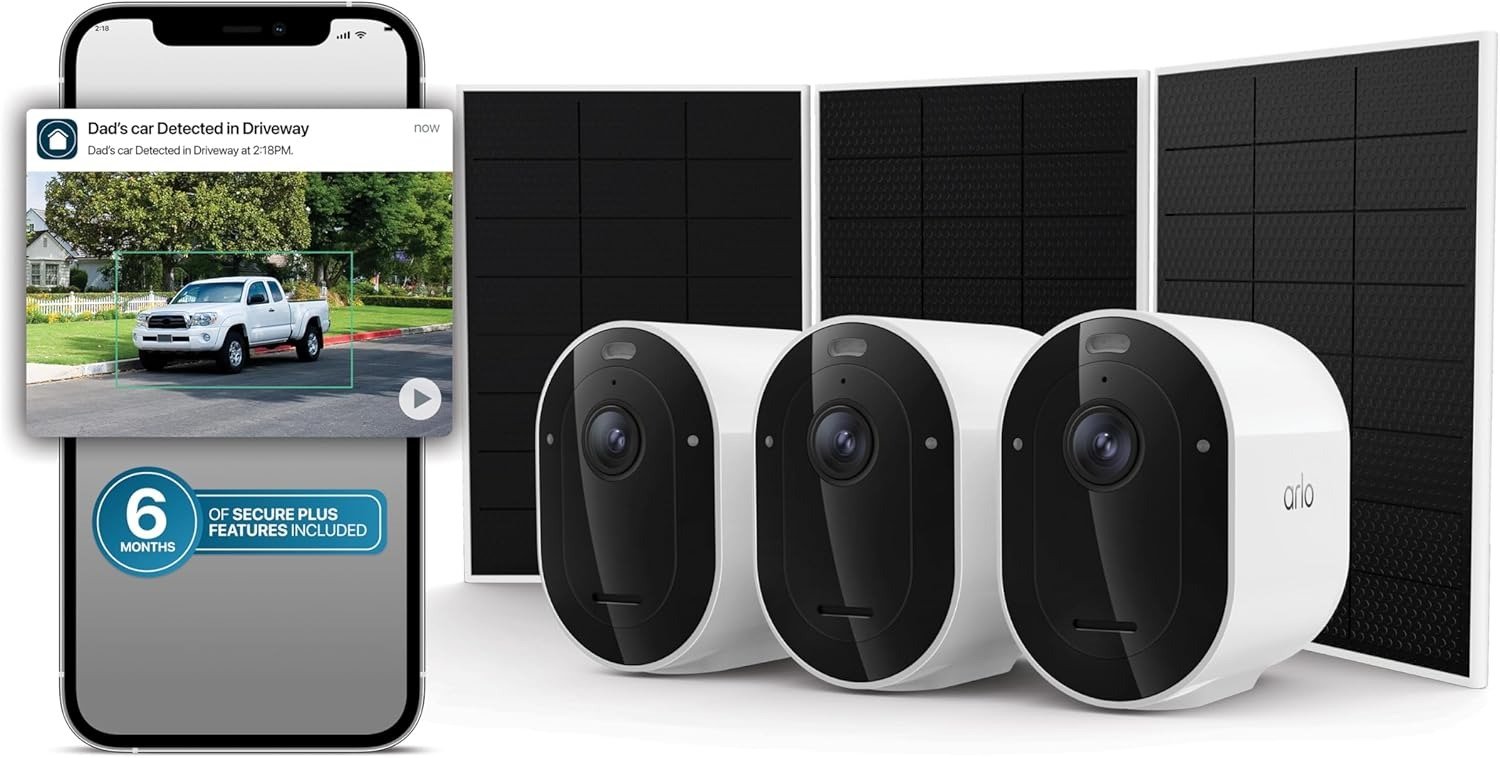
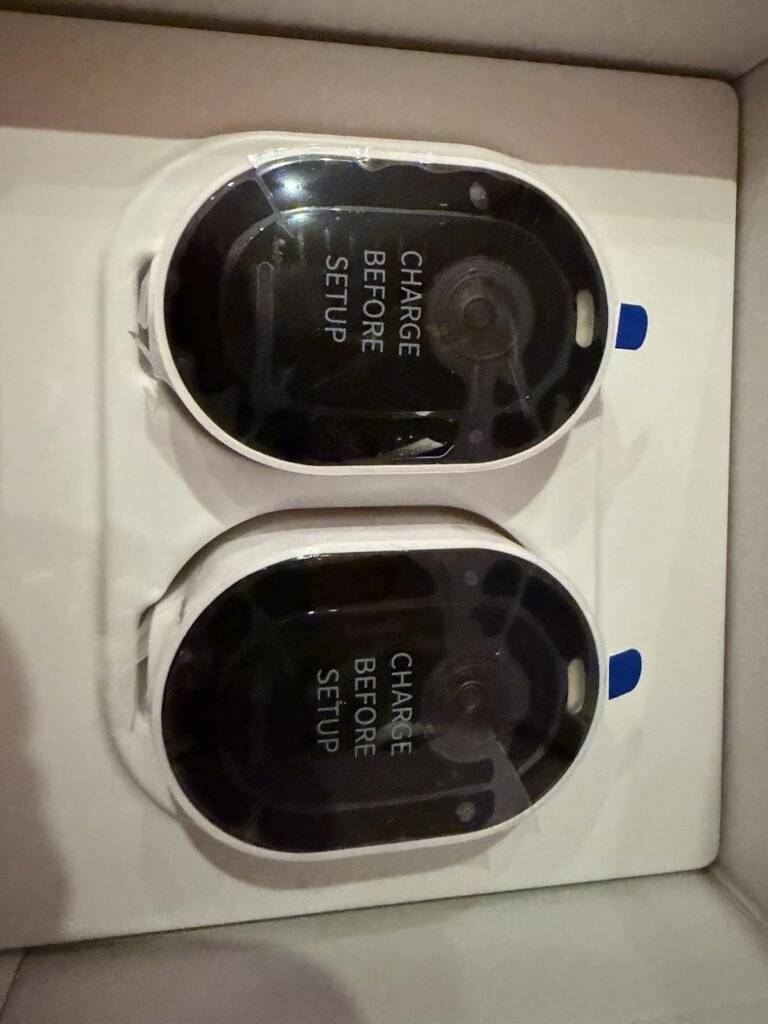
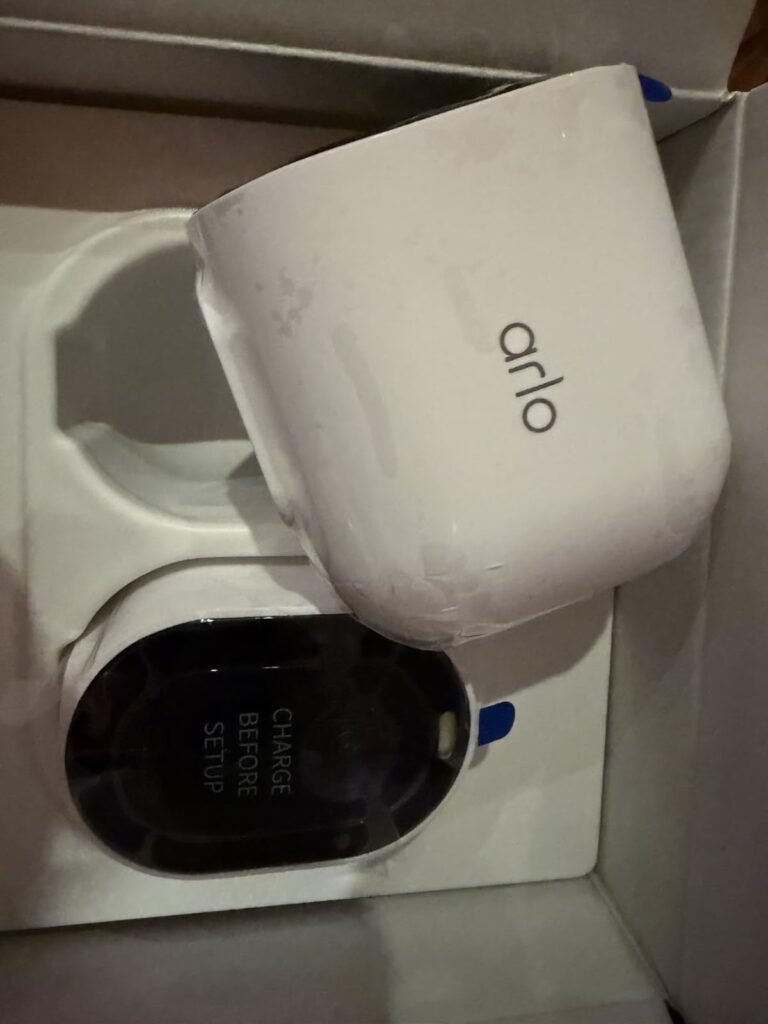
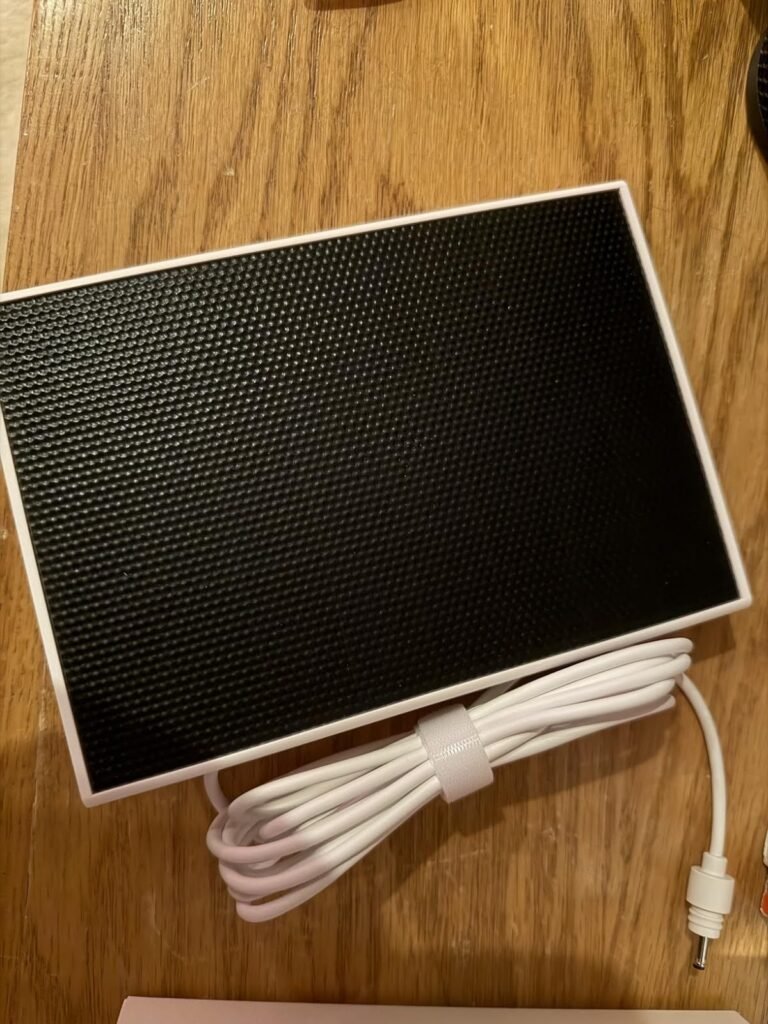
What pulled me toward the Arlo Pro Security Camera 2K HDR (6th Gen) bundle is not the obvious part. Plenty of cameras promise clear video. The reason this one stands out is narrower than that: it is built for the point where “good enough” footage stops being enough, and you start caring about angle width, night detail, charging friction, false alerts, and whether the system keeps holding its shape after the first month of enthusiasm burns off. The bundle tied to your link adds three solar panels and six months of Secure Plus, which changes the value equation because it directly attacks the most common battery-camera failure: maintenance fatigue.
The Result Looks Fine. The Problem Isn’t.
A lot of outdoor cameras pass the showroom test. Daylight image. Clean app screenshot. Nice white shell on a wall. That is the wrong test.
The real fracture line is quieter. It starts when a system asks too much of you. Charge this. Re-aim that. Ignore half the alerts. Wonder whether the motion clip missed the three seconds you actually needed. Security fails gradually before it fails dramatically. First it becomes noisy. Then it becomes tedious. Then you stop trusting it.
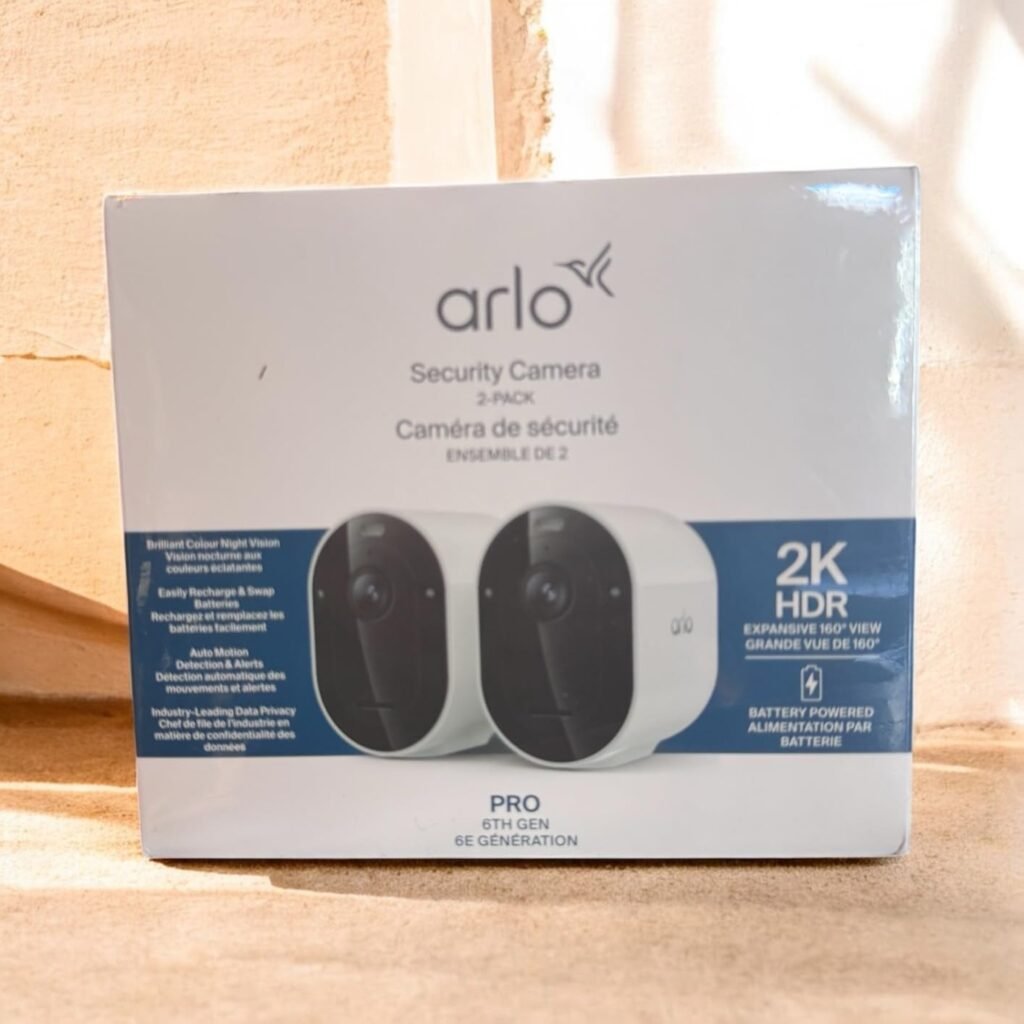
This is why the Arlo Pro 6 should not be judged as “another 2K camera.” That phrase is too flat. The more accurate question is this: does it hold detail and reduce friction far enough that you keep it active, charged, and believable after the novelty dies? Its hardware says yes more often than cheaper battery cams do: 2K HDR, a 160° field of view, dual-band Wi-Fi, built-in spotlight and siren, color night vision, two-way audio, and 12x zoom with auto-tracking. The pressure point is not the camera’s basic competence. It is whether you cross the threshold where those features stop being decorative and start preventing blind spots, missed context, and alert burnout.
What You’re Actually Feeling but Not Naming
Most people do not say, “My security stack has crossed the maintenance threshold.” They say smaller things.
The driveway clip feels too tight.
The porch alert fires too often.
The backyard camera is fine—until the battery is not.
The image is clear, but the situation is still vague.
That cluster of irritation has a name: confidence drag. It is the slow erosion that happens when a camera technically works, yet keeps handing part of the job back to you. You are still the one interpreting shadows, filtering junk alerts, checking charge levels, and wondering whether the angle missed the edge of the event. A camera does not need to be bad to become a burden. It only needs to be slightly incomplete, over and over.
The Arlo Pro 6 is strongest precisely where confidence drag begins. The wider 160° view reduces the need to choose between driveway depth and walkway width. Dual-band Wi-Fi helps placement flexibility. The swappable battery lowers the pain of recharge downtime. The solar-panel bundle matters because it attacks the repeated interruption, not just the first setup moment. And with Secure Plus active, object filtering, activity zones, captions, and longer history reduce the mental clutter that usually makes battery cams feel more “managed” than useful.
The Hidden Mechanism Behind the Miss
Here is the hidden mechanism most buyers miss: they think a camera is chosen by resolution, but in real use it is chosen by retained context.
Retained context is the camera’s ability to keep enough visual, spatial, and event-level information intact that the clip is still meaningful when you finally need it.
That comes from four things working together:
| Retained-context factor | Why it matters here |
|---|---|
| Wide field of view | A narrow view turns movement into fragments; 160° gives more scene continuity. |
| HDR handling | Bright headlights, porch lights, and shaded entries are where ordinary footage collapses. |
| Detection filtering | A useful alert is not the same thing as more alerts. |
| Power continuity | A dead or drained camera has perfect specs and zero value. |
Arlo’s official spec set hits all four more seriously than most mid-tier battery cams: 2K HDR, 160° coverage, dual-band Wi-Fi, smart detections through Secure, and compatibility with certified USB-C solar options. The bundle in your link includes those solar panels up front, which is not a cosmetic add-on; it is a structural fix for battery-camera drift over time.
And yes, there is a catch. The smarter parts are partly gated. Arlo does not require a subscription for live view and basic motion alerts, but cloud storage, object detection, activity zones, interactive alerts, and much of the “this alert is actually useful” layer sit behind Arlo Secure. That is not a small detail. It is the dividing line between a camera that merely streams and a camera that interprets.
The Threshold Where the Outcome Quietly Breaks
This article runs on one model only: Threshold.
The threshold is not “Do you want a security camera?”
It is: When does a cheaper or simpler camera stop being trustworthy enough for the way your property actually behaves?
For the Arlo Pro 6, that break point usually appears when three conditions start stacking:
You need wider scene coverage, not just a sharper center frame.
You expect the system to stay usable without constant charging friction.
You want alerts filtered enough that you still pay attention when one arrives.
That is the threshold. Cross it, and Arlo Pro 6 begins to make sense. Stay below it, and you may be paying for intelligence you will never use cleanly.
A simple way to see the threshold:
| Situation | Below threshold | At / above threshold |
|---|---|---|
| Entry point | One small area, low motion | Driveway, side yard, porch, or wide frontage |
| Power burden | Easy to reach, easy to recharge | Hard-to-reach mounts or repeated activity |
| Alert tolerance | You can babysit alerts | You need filtering because noise ruins trust |
| Event complexity | You only need “something moved” | You need “what moved, where, and with enough detail to act” |
This is exactly why the Pro 6 exists above the basic tier. It is not selling magic. It is selling breathing room around that threshold.
Why Most Buyers Misread This Too Early
They compare the wrong numbers.
Resolution against resolution.
Battery claim against battery claim.
Price against price.
That is the lazy comparison trap.
A buyer sees “2K” on two boxes and assumes the difference is minor. But 2K without a wide enough view can still clip the event. 2K without decent HDR can still flatten the critical moment into glare or murk. 2K without reliable charging rhythm becomes a camera you quietly postpone dealing with. And 2K without better filtering becomes another notification faucet.
The strongest outside signal pointing to this pattern is not marketing copy. It is the split in user reaction. Recent Amazon feedback for the bundle sits at 4.4/5 from 38 global ratings, with many buyers praising easy setup, clear picture quality, wide view, and useful night vision. But the negative reviews circle the same fear every serious buyer should care about: reliability when it matters, not image beauty when nothing important is happening. That split is exactly what threshold products produce. They delight the buyers who truly need the extra structure, and frustrate the buyers who expected effortless perfection from a battery camera category that still has tradeoffs.
Who Is Actually Inside This Problem
This is for you if your security problem is not abstract.
You are inside this problem if your home has a driveway that invites partial views, a porch that shifts between dark and glare, a side yard that sees real movement, or an installation spot where charging becomes one more chore you will eventually delay. You are also inside it if missed context costs more to you than the monthly sting of a subscription—because you care less about owning “a camera” and more about keeping interpretive friction low.
You are especially inside it if you already know the dirty secret of home cameras: the psychological damage is not one dramatic failure. It is the repetition of small doubts. Was that person fully in frame? Did the battery dip again? Was that alert real or another useless flicker? The Pro 6 is built for people who are tired of making those tiny security decisions themselves.
Where Wrong-Fit Begins
Now the boundary.
This is not the logical buy for everyone.
It is a wrong fit if you want zero subscription gravity. Arlo Secure is optional for basic operation, but much of the intelligence that justifies Arlo’s premium position lives inside the paid layer, and Arlo’s cloud pricing has climbed over time. If you resent that model on principle, the product will irritate you even before the hardware has a chance to prove itself.
It is also a wrong fit if your coverage needs are simple and your camera is easy to reach. In that case, the Pro 6’s wider field, dual-band Wi-Fi, swappable battery, and paid intelligence may be more architecture than you need. Even Security.org’s testing context suggests the cheaper Essential XL 2K can offer stronger value if your priority is raw bang-for-buck rather than the broader Pro feature set.
And one more boundary matters: solar panels are not magic. They help continuity, but they do not repeal physics. Arlo’s own community guidance notes that solar charging can trail battery drain in high-activity placements, and user complaints about underwhelming solar performance usually come from cameras exposed to frequent triggers rather than lazy scenes. So the included solar hardware should be read as maintenance reduction, not as a promise of literal forever power.
The One Situation Where This Product Becomes Logical
The Arlo Pro 6 bundle becomes logical in one precise situation:
You have crossed from “I need a camera” into “I need a battery-powered camera system that keeps scene context, reduces upkeep, and filters enough noise that I still trust the alerts.”
That is the moment.
At that point, the product stops looking expensive and starts looking structurally appropriate.
The 160° field of view matters. The HDR matters. The dual-band Wi-Fi matters. The swappable battery matters. The included solar panels matter. And the six months of Secure Plus matter because they let you live inside the product’s full logic before subscription fatigue enters the conversation. This is not about glamour. It is about whether the system remains believable once the weather shifts, the light changes, the driveway stays active, and you are too busy to micromanage a camera network.
If your property’s weak point is not resolution but decision friction, this is where the Arlo Pro Security Camera 2K HDR (6th Gen) bundle stops being another gadget and starts behaving like a clean answer.
What It Solves, What It Reduces, and What It Still Leaves to You
What it solves:
| Solves directly | How |
|---|---|
| Narrower scene blindness | 160° field of view covers more of the event path |
| Harsh light imbalance | 2K HDR preserves detail in mixed bright/dark scenes |
| Better night readability | Color night vision plus spotlight adds usable visual context |
| Recharge interruption | Swappable battery and included solar panels reduce service friction |
| Alert overload | Secure features can filter by object and zone |
What it reduces:
- Recharging annoyance
- Missed edge-of-frame context
- Generic motion spam
- The “I should check that camera later” habit that eventually becomes a blind spot
What it still leaves to you:
- You still have to place the cameras intelligently.
- You still need realistic expectations about solar charging in high-traffic scenes.
- You still need to decide whether the subscription layer is worth keeping after the included period ends.
- You still need to separate true coverage needs from simple gadget appetite.
That honesty matters. A security camera should not be sold as a guardian angel. It should be chosen as a mechanism with clear edges.
Final Compression
The Arlo Pro 6 does not earn its place because it records pretty footage. Plenty of cameras can do that on easy days. It earns its place if your security problem has already become operational—wide spaces, changing light, repeated motion, hard-to-reach mounting, too many low-value alerts, and a growing hatred of maintenance.
That is the threshold.
Below it, this bundle is more camera than you need.
At it, the bundle is sensible.
Past it, the bundle is hard to dismiss.
So the clean decision is not “Is Arlo good?” That is a blunt question. The sharper one is whether your current setup is already taxing your attention, your time, and your trust. If it is, this is the logical next step
Transparency Note:
This analysis is not based on quick personal impressions.
It is derived from documented system behavior, verified user patterns, and the physical constraints of storage capacity.
The goal is to translate complex technical behavior into a realistic performance model that helps you make a clear decision.
“A quick note: Don’t believe the star ratings, but trust personal experience. This article is a compilation of collected experiences”