Why a Powerful Countertop Microwave Still Feels Inconsistent
ANALYSIS FRAMEWORK
Most people assume microwave performance is simply about wattage. If the box says 1200 watts, expectations rise immediately: faster heating, reliable reheats, and fewer cold spots.
But when I reconstructed real-world usage patterns across owner feedback, appliance specifications, and long-term kitchen routines, a different pattern appeared.
The complaint almost never begins with “this microwave is weak.”
The complaint begins with something subtler:
The same meal behaves differently on different days.
One day the center is hot and the edges are fine.
Another day the edges dry out while the middle stays lukewarm.
This is not a power problem.
It is heating variance.
Heating variance is the gap between the hottest and coldest zones inside the food during the same heating cycle. When variance stays low, people describe the microwave as “reliable.” When variance rises, even a powerful microwave can feel unpredictable.
The Variance Model
Variance inside a microwave appears in three consistent forms:
- Hotspot vs Cold Core Gap – parts of the meal heat rapidly while other zones lag behind.
- Repeatability Drift – the same program produces slightly different results each day.
- Routine Sensitivity – small changes in container shape or food placement alter the outcome.
When variance stays controlled, daily reheating becomes effortless.
When variance rises, people begin compensating: stirring, rotating, reheating again.
Over time, that compensation becomes the real source of frustration.
Where Heating Variance Actually Comes From
Microwaves do not heat food evenly by default. They distribute electromagnetic energy inside a cavity, and that energy interacts with water content, container geometry, and rotation patterns.
Food essentially becomes a map of energy absorption.
Container Geometry Is the Quiet Variable
The strongest contributor to variance is not power—it is the shape of the container.
Variance increases when:
- Food is stored in tall bowls
- Meals are stacked unevenly
- Containers extend beyond the optimal turntable rotation zone
The turntable attempts to average exposure. But when container geometry disrupts that averaging pattern, heat spreads unevenly across the meal.
This is why the same microwave can feel perfect for one household and inconsistent for another.
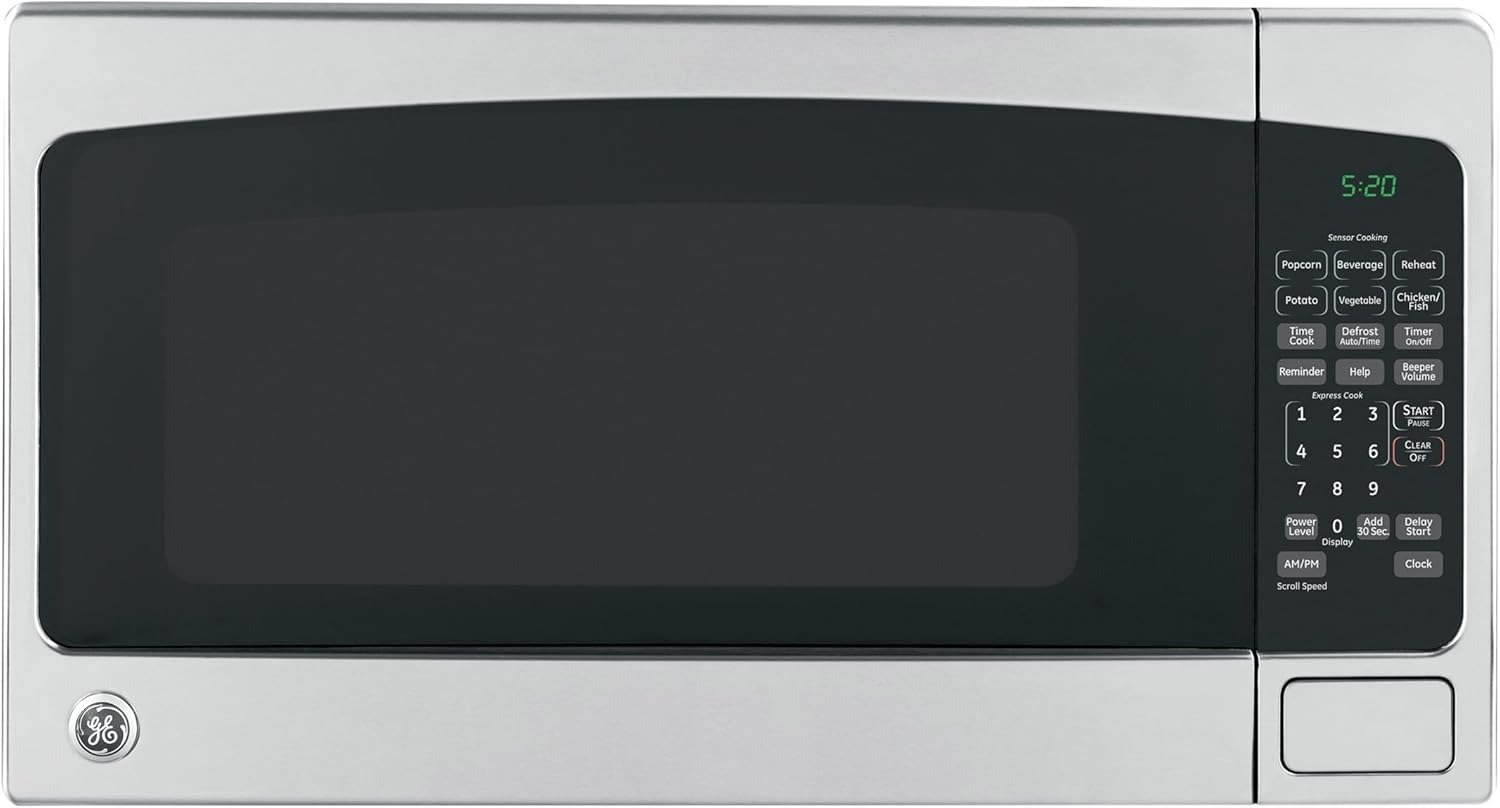
Sensor Cooking Works—Until You Cross Its Boundary
Modern microwaves rely on humidity sensors to estimate cooking progress.
When this system works, it reduces decision fatigue. You press a preset button and the microwave determines the duration automatically.
But sensor cooking has limits.
The detection logic depends on steam signals, and steam behaves differently depending on the food type.
Sensor reliability decreases when:
- Food is sealed tightly with plastic wrap
- Meals contain very little moisture
- Food density delays steam release
Inside the correct boundary, sensor cooking feels extremely convenient.
Outside that boundary, the microwave may appear inconsistent even though the hardware is functioning normally.
Behavioral Drift: The Human Side of Variance
Variance does not come only from physics.
It also emerges from human behavior interacting with the machine over time.
Across many owner routines, the same pattern appears repeatedly: small points of friction accumulate slowly.
Examples include:
- Door operation that feels slightly inconsistent
- Controls that require precise timing
- Sound settings that are accidentally muted
- Delayed “Start” behavior when food sits too long before activation
Individually, these details seem minor.
Repeated daily, they shape the perception of stability.
When routine friction increases, users begin to describe the appliance as unreliable—even when heating performance itself remains adequate.
A Simple Measurement Before Choosing Any Microwave
Instead of asking whether a microwave is powerful enough, a more useful question is this:
Will this microwave keep heating variance low inside my routine?
You can predict that outcome by examining a few practical factors.
- Wide plates and shallow bowls tend to reduce variance
- Tall containers increase variance risk
- Heavy reliance on sensor presets depends on food type
- Households with children may benefit from stronger safety locks
- Routines that depend on audible completion signals require consistent feedback
A microwave that matches these daily conditions will feel stable for years.
A microwave that conflicts with them will slowly accumulate friction.
Quiet Resolution
A powerful microwave does not guarantee consistent results.
Consistency comes from the interaction between power, container geometry, sensor boundaries, and daily behavior.
When heating variance stays controlled within your routine, the microwave fades into the background of the kitchen.
When variance rises, the appliance becomes something you constantly manage.
Understanding that difference is the first step toward choosing the right model.
Read the full decision analysis here:
🔗 https://focusedinsight.net/ge-gcst20s1wss-microwave-review/
Transparency Note:
This analysis is not based on quick personal impressions.
It is derived from documented system behavior, verified user patterns, and the physical constraints of storage capacity.
The goal is to translate complex technical behavior into a realistic performance model that helps you make a clear decision